


Hooks and key holders can make everyday routines easier by giving frequently used items a consistent place. From keys and towels to bags, jewellery and cables, a well-planned hook can help keep essentials within reach.
Here Are 10 Creative Ways to Use Hooks and Key Holders in Your Home
1. Creative Key Holders
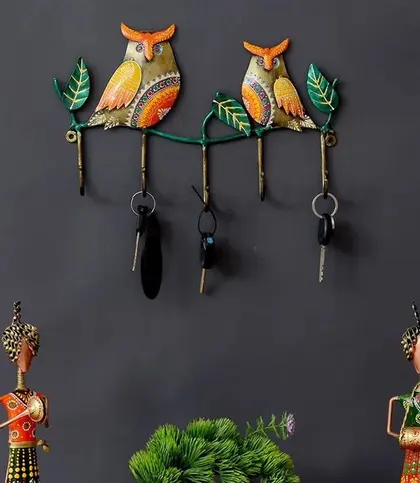
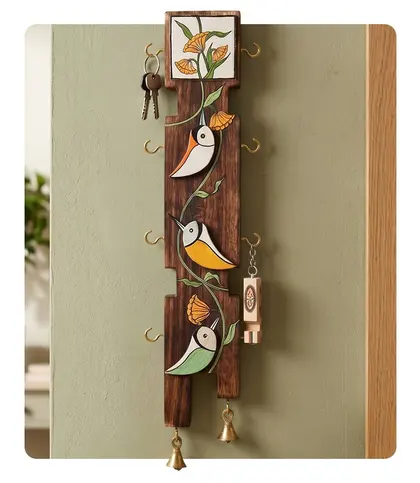
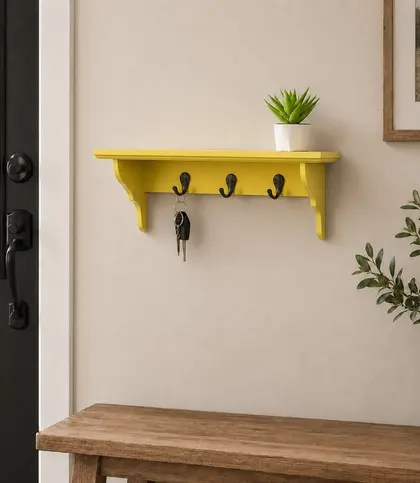
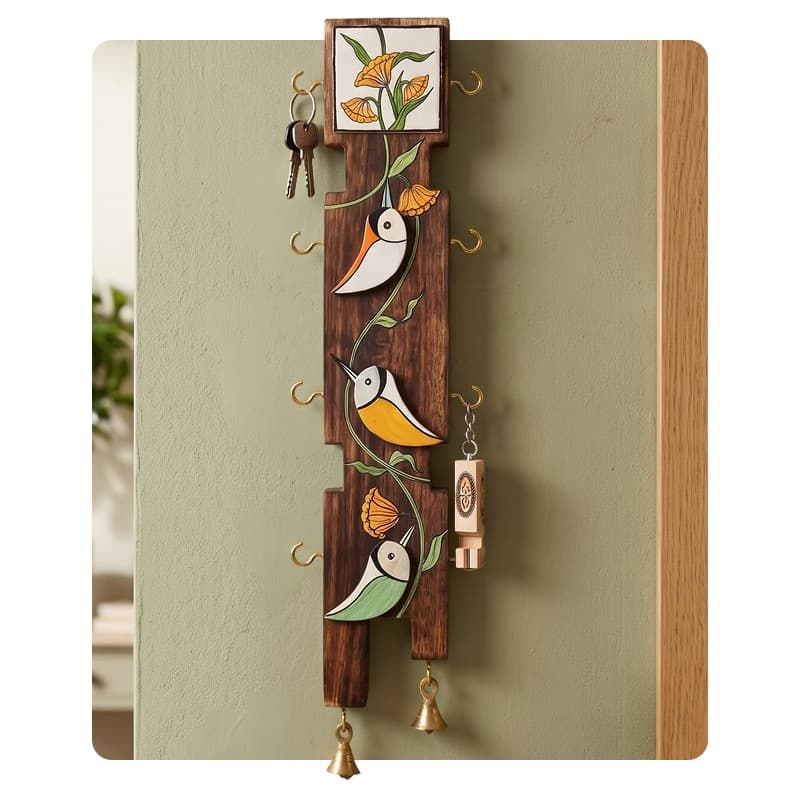
Instead of leaving keys on a table or in a drawer, create a designated key-drop zone near the entrance. A wall key holder can help everyone in the household remember where to leave and collect their keys.
When choosing one, compare the layout, dimensions, installation guidance and included pieces on the product page.
₹1,049
₹2,000
48%OFF

₹799
₹2,000
60%OFF
 FastDelivery
₹1,377
₹2,639
48%OFF
₹1,571
₹1,899
17%OFF
2. Towel Rack
Hang towels on hooks in the bathroom or kitchen to keep them off the floor and within reach. Place hooks where there is enough room for towels to hang freely, and consider the wall type and the weight of a damp towel before installation.
3. Pet Leash Holder
Use wall hooks near the front door to create a dedicated spot for pet leashes, collars and other walking essentials. Keeping these items together can make leaving the house with a pet more straightforward.

4. Curtain Rod Holder
Hooks can be used as an alternative way to support a lightweight curtain rod where appropriate. Before trying this idea, check that the hooks, wall fixings, rod and curtains are suitable for the intended load and installation method.

5. Picture Hanger
Create a display wall for framed photographs, paintings, mirrors, art prints or canvases. Choose hanging hardware that is appropriate for each item's weight, and follow the frame or mirror manufacturer's mounting guidance.
6. Kitchen Organisation
Use hooks on a suitable wall or cabinet side to keep frequently used utensils, oven mitts or lightweight cookware close at hand. Check that the chosen fixing method and hook capacity are appropriate for what you plan to hang.

7. Jewellery Display
Hang necklaces, bracelets and chains on decorative hooks to create a display that can help keep accessories separate. Leave enough space between hooks so pieces are less likely to become tangled.

8. Bag Storage
Install hooks inside a closet or on a wall to store purses, backpacks and other bags off the floor. Select hooks and fixings that are suitable for the weight of the bags when full.
9. Outdoor Lighting
Use suitable hooks to suspend outdoor string lights on a veranda, patio or deck. Choose lighting and installation methods intended for outdoor use, and follow the manufacturer's instructions for electrical safety.

10. Cable Management
Use hooks to guide cables and cords behind a television or computer desk. Avoid pinching, sharply bending or placing pressure on cables, and keep electrical connections accessible.

13 Key Hanger Ideas
Key hangers can be both functional and decorative. Here are 13 creative key-hanger ideas for home décor:
1. Vintage Keys on a Frame
Attach vintage keys to a rustic or ornate frame and use them as hooks for everyday keys.
2. Wooden Pallet Key Rack
Repurpose a wooden pallet by adding hooks or knobs for keys. Paint or stain the pallet to suit your home décor.
3. Magnetic Key Holder
Install a magnetic strip on the wall and attach small magnets to your keys for a minimal-looking key holder. Ensure the magnets and mounting method are suitable for the items you plan to store.
4. Floating Shelves with Key Hooks
Combine a floating shelf with key hooks underneath. This creates a place for small decorative objects above and a designated space for keys below.
5. Repurposed Drawer Pulls
Use decorative drawer pulls or cabinet handles as key hooks. Mount them securely on a board or directly on a suitable wall surface.
6. Monogram Key Holder
Create a monogram key holder using the first letter of your family name. Add hooks or small knobs to the letter for hanging keys.
7. Branch Key Hanger
Mount a small, sturdy branch on the wall and use its natural shape to hang keys. Ensure the branch is firmly secured before use.
8. Chalkboard Key Organiser
Pair a chalkboard with key hooks so you can leave notes or reminders while keeping keys in one place.
9. DIY Key Rack with Picture Frames
Attach small hooks to the bottom of empty picture frames. Hang the frames on the wall and use the hooks for keys.
10. Antique Door Knob Key Holder
Mount antique doorknobs on a board and use them as hooks for keys. This can add a vintage-inspired touch to an entryway.
11. Mason Jar Key Holder
Attach mason-jar lids to a board, then screw jars onto the lids to hold keys and other small items. Use secure fixings and avoid overloading the assembly.
12. Industrial Pipe Key Rack
Use industrial-style pipes and fittings to create a distinctive key rack. Plan the layout and ensure all components are firmly mounted.
13. Rustic Farmhouse Key Holder
Attach old-fashioned keyhole plates to a piece of distressed wood and add hooks for keys. This can bring a rustic farmhouse feel to an entryway.
When choosing or creating a key hanger, consider your overall décor style as well as the number of keys and other items it needs to hold.
Things to Know Before Buying Wall Hooks and Key Holders
Buying wall hooks and key holders may seem simple, but a few considerations can help you choose an option that suits your space and routine.
1. Weight Capacity
Consider the weight of the items you plan to hang, whether they are keys, coats, bags or accessories. Check the product details and installation guidance to confirm that the hook and fixing method are suitable.
2. Installation Method
Wall hooks and key holders may use adhesive, screws or over-door fittings. Choose a method that suits your wall or door surface, and follow the supplied installation instructions.
3. Material and Finish
Consider both the look of the piece and how it will fit into your room. Review the product page for material, care and installation information rather than relying on appearance alone.
4. Design and Style
Wall hooks and key holders come in many styles. Choose one that works with the surrounding décor, whether your space feels modern, rustic or traditional.
5. Number of Hooks
Count the items you need to hang now, and allow for regular use by other household members. This can help you decide whether a single hook, a multi-hook holder or more than one installation point is needed.
6. Space and Placement
Measure the available wall space before choosing a holder. Consider the height, spacing and clearance required so items can hang without crowding one another or blocking a doorway.
7. Functionality
Some holders combine hooks with shelves, mirrors or small storage areas. Decide which function matters most in the intended location, then check the product-page contents and dimensions.
8. Budget
Set a budget before comparing options. Focus on the size, installation requirements and intended use so that the final choice suits your needs.
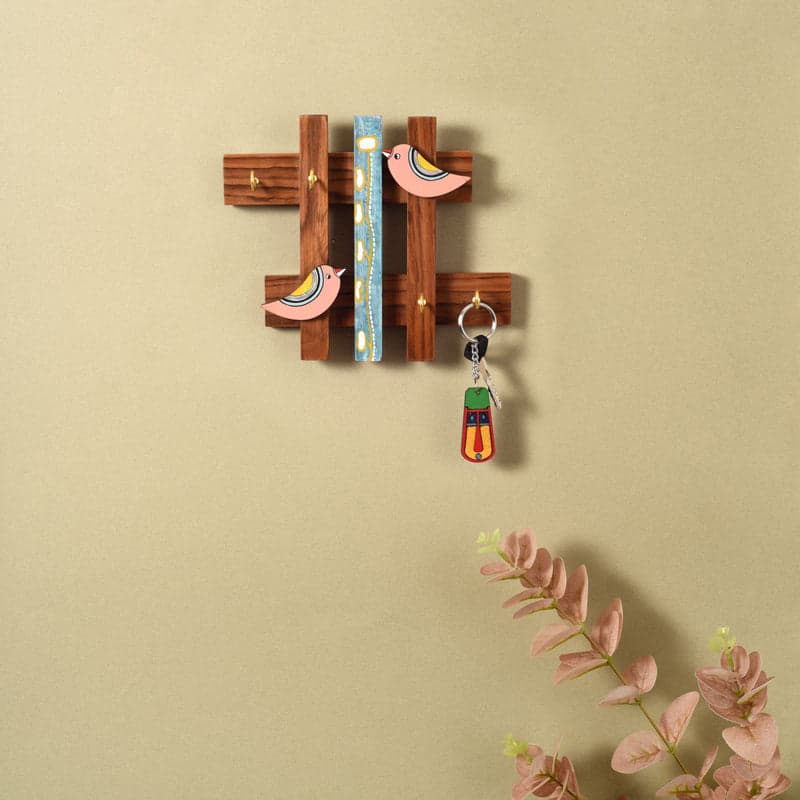
Browse wall-hook and key-holder options by style and intended placement:
Frequently Asked Questions
Where should I place hooks and key holders in my home?
Placement depends on your routine. Useful locations include:
- Entryways for keys, bags and pet-walking essentials
- Kitchens for lightweight utensils and towels
- Bedrooms for bags, accessories or jewellery
- Bathrooms for towels and robes
- Living areas for decorative displays or frequently used items
Consider the height, spacing and wall surface so the hooks are accessible and do not create clutter.
How many hooks and key holders do I need for my home?
The number depends on the size of your household, the number of entrances, the rooms where storage is needed and the items you plan to hang. Start with the most frequently used areas, then add hooks only where they solve a specific storage need.
Can I use hooks and key holders for anything besides keys?
Yes. Depending on the hook, installation and weight limit, they may be useful for:
- Jewellery organisation
- Kitchen organisation
- Coats and bags
- Bathroom towels and robes
- Pet leashes
- Children's room storage
- Garage or utility-area organisation
How do I install hooks and key holders in my home?
Follow the product's installation instructions and choose a fixing method appropriate for the wall or door surface. In general:
- Choose the location.
- Gather the required tools and hardware.
- Measure and mark the placement.
- Install the hooks or holder as directed.
- Check that the installation is secure before placing items on it.
If you are unsure about drilling, wall fixings or the wall structure, consult a qualified professional.
Keep exploring