

Rising Star
FastDeliveryFrom ₹1,449
₹2,000
30%OFF
4 more type

1175 Products

Rising Star
FastDeliveryFrom ₹1,449
₹2,000
30%OFF
 FastDelivery
From ₹1,499
₹2,000
28%OFF
 FastDelivery
From ₹1,499
₹2,000
25%OFF

From ₹699
₹1,999
65%OFF
 FastDelivery
From ₹1,499
₹2,000
29%OFF

Featured
From ₹759
₹1,999
54%OFF
 FastDelivery
From ₹1,329
₹1,999
34%OFF
 FastDelivery
From ₹1,499
₹2,000
28%OFF

From ₹674
₹1,299
52%OFF
 FastDelivery
From ₹1,329
₹2,999
57%OFF
Featured
FastDeliveryFrom ₹1,234
₹2,999
62%OFF
From ₹899
₹1,799
50%OFF
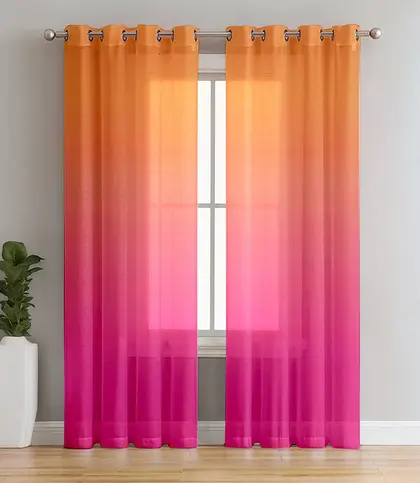
From ₹1,699
₹2,999
30%OFF
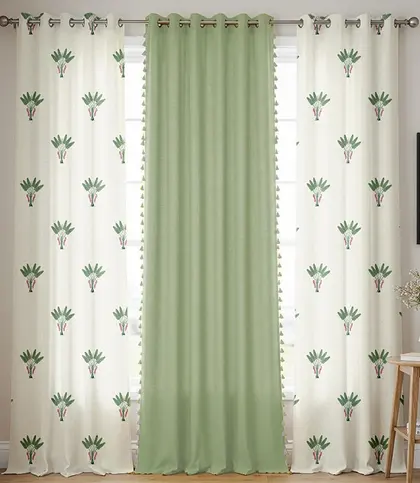
From ₹2,279
₹3,999
43%OFF
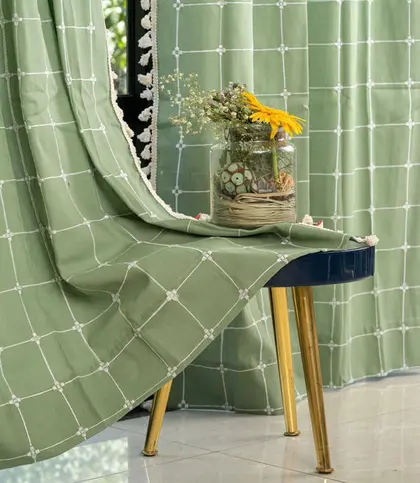
Luxe
From ₹854
₹1,899
59%OFF

From ₹1,649
₹2,149
23%OFF
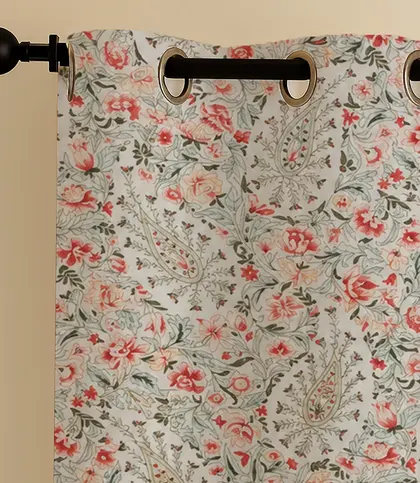 FastDelivery
From ₹1,080
₹1,299
34%OFF
 FastDelivery
From ₹807
₹1,999
62%OFF

₹2,250
₹5,673
60%OFF
From ₹1,649
₹2,149
23%OFF
Curtains do more than frame a window. They can soften a room, bring a colour scheme together and change how you experience daylight. The right choice begins with three questions: what opening are you dressing, how much light do you want when the panels are closed, and what hardware is already in place? Answer those first, then enjoy the more expressive decisions—fabric, colour, pattern and the way the curtains fall.
At Vaaree, explore curtains with both the room and the opening in mind. A panel that looks lovely beside a sofa may also need to clear the floor and work with your existing rod. A bedroom curtain might need a quieter print or a different level of light filtering. Treat the product details as the final check for dimensions, fabric, heading and what is included.
Start with the position of the rod and the space around the opening, not just the glass or door frame. For a conventional window, decide whether you want the panels to finish near the sill, below it or close to the floor. Longer curtains can draw the eye upward and give a room a more generous feel, provided their drop suits the rod height. Explore window curtains with that finished length in mind.
Doors call for an extra practical check: the curtain should suit the full opening while allowing comfortable movement through it. Compare door curtains and, for a taller opening, long door curtains by their stated dimensions rather than relying on a category name to determine fit. If a curtain hangs near furniture or a frequently used doorway, picture how much room the fabric will have to gather when open.
Room context helps narrow the look. In a living room, curtains can echo upholstery or introduce a considered contrast. For bedroom curtains, think about how the fabric looks in morning light and whether its stated light-control properties suit your routine. In either space, check privacy needs at the times of day that matter to you; appearance alone is not a reliable guide to opacity.
Your opening measurements and a curtain panel’s listed measurements are not the same thing. Measure the width you want covered along the rod, including any space beyond the frame where the curtains should sit when open. Then measure the drop from the intended hanging point to your chosen finish. A rod mounted higher than the frame changes the drop you need.
If you are matching curtains across several openings, measure each one separately. Windows that look alike may have different rod positions or floor clearances.
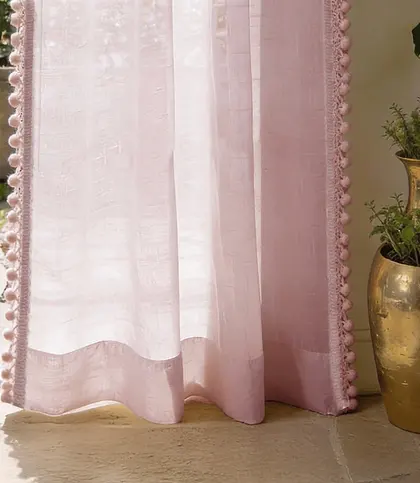
Decide what you want the room to feel like when the curtains are drawn. Light, airy-looking panels can preserve a sense of openness; more opaque choices may better suit a space where limiting visibility or incoming light is important. If a softly lit room appeals to you, browse translucent curtains. For stronger light control, read each product’s description rather than assuming a particular fabric or dark colour will provide a specific result. Privacy can also change after dark when indoor lights are on.
Fabric shapes the look as much as colour does. Cotton and linen can lend an easy, natural-looking texture; polyester and polycotton offer different finishes and drape. Velvet can bring a richer visual weight, while satin and artificial silk can add a more lustrous note. Those are styling starting points, not promises about thickness, care or light blocking: compare the individual panel’s fabric, construction and care instructions before deciding.
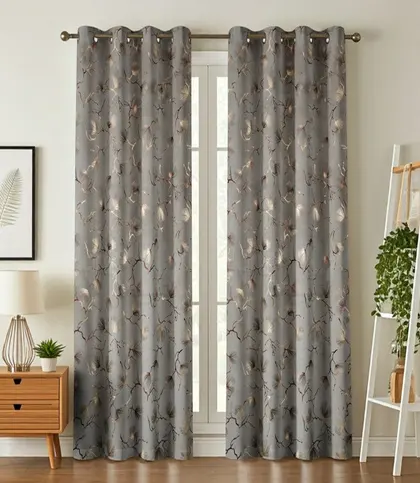
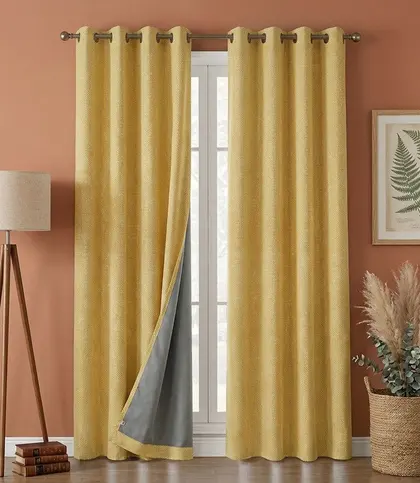
Consider the heading, too. Eyelets, pleats and other hanging styles create different rhythms across a rod. If you like a more tailored line, explore pleated curtains, then check the specific hanging method and hardware requirements. Curtains are not interchangeable with rods, rings or tie-backs. Confirm the rod’s diameter and fitting, whether separate rings or hooks are needed, and whether any accessories are included before ordering.
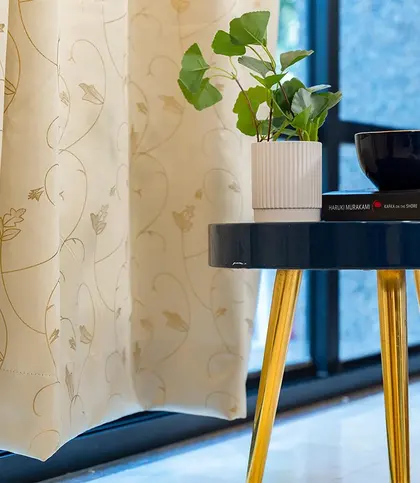
The easiest starting point is something already in the room: a wall colour, an upholstered chair, a rug or a small accent shade. Curtains close to the wall colour create a calm backdrop; a deeper or contrasting shade gives the window more presence. Beige curtains can sit quietly alongside warm neutrals, while blue curtains can pick up cooler accents. Look at colours in both daylight and lamplight when making your choice.
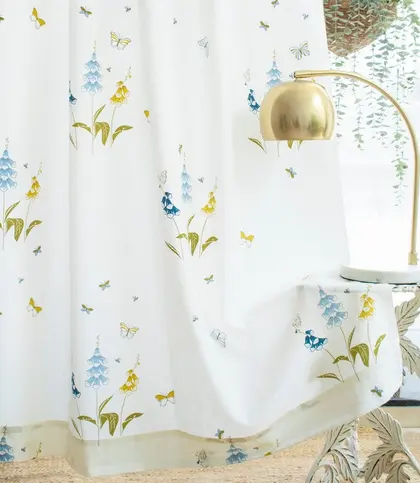
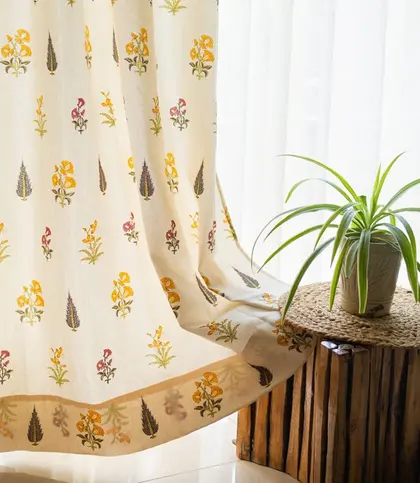
Pattern works best when it has room to breathe. If upholstery and bedding already carry strong motifs, a plain or subtly textured panel can steady the scheme. In a simpler room, floral curtains can become the focal point. For an Indian-inspired setting, Indian-style curtains can complement decorative details. There is no rule that florals must be traditional or that a modern room needs a solid colour; scale, palette and the surrounding furnishings matter more.
To make the whole wall feel considered, relate the curtain finish to nearby furniture and hardware without insisting on an exact match. A simple panel can offset an ornate rod, while a decorative print may look strongest against uncomplicated surroundings. The goal is a window that belongs to the room, rather than a curtain chosen in isolation.
Measure the width you want the curtains to cover along the rod and the drop from the intended hanging point to the desired finish. Compare those figures with the listed width and length of each panel, allowing additional width if you want visible gathers.
Begin with your daylight and privacy preferences. A lighter-looking curtain can give a room an airy feel, but visual lightness does not establish how much it will conceal. Check the individual product’s description for its stated fabric and light-control details, especially for a bedroom or street-facing window.
Confirm the number of panels, each panel’s dimensions and its hanging heading. Check that the heading works with your rod or track, and establish whether hooks, rings, tie-backs or other accessories must be obtained separately.
Follow the care instructions for the specific fabric and construction. Gentle, regular dust removal can help keep panels looking fresh; check the label before washing, ironing or using a cleaning service.
Vaaree is a destination for curated, premium, pretty home products. Explore curtains through the lens of your room’s style, then use the individual product details to make a confident choice about fit, fabric and hanging method.