

₹522
₹649
20%OFF
8 more color

218 Products
₹522
₹649
20%OFF
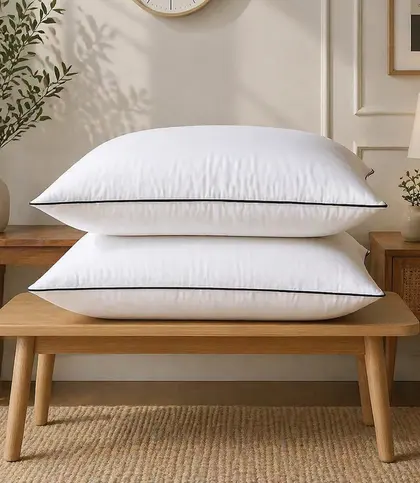
₹1,234
₹1,499
18%OFF
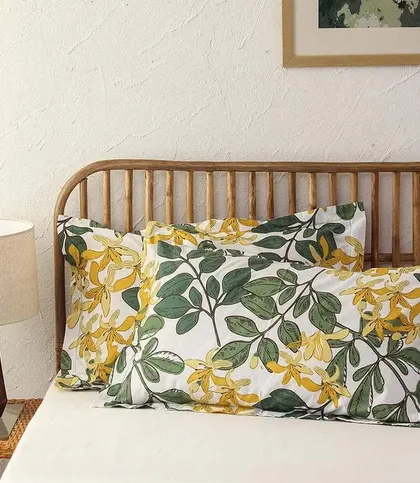
₹811
₹899
10%OFF
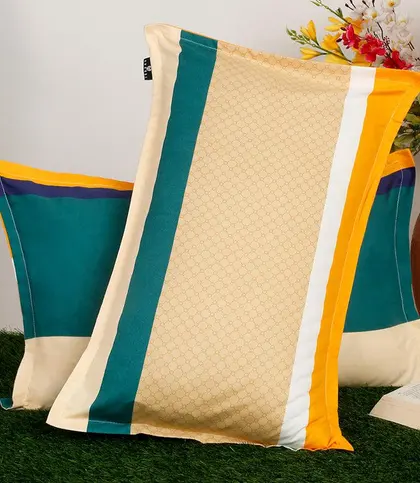
₹549
₹1,669
67%OFF

₹859
₹1,599
46%OFF
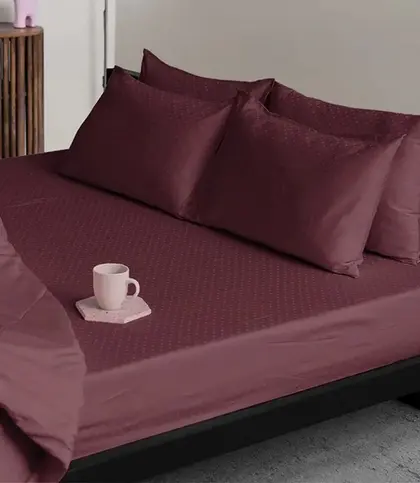
Luxe
₹699

₹522
₹649
20%OFF

₹522
₹649
20%OFF
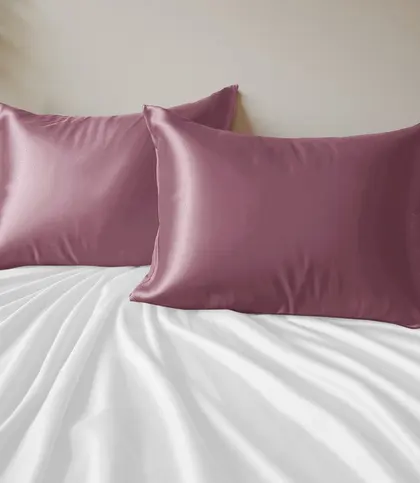
₹492
₹2,329
79%OFF
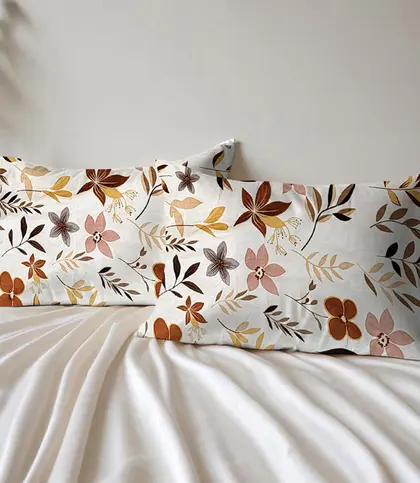
₹299
₹499
40%OFF
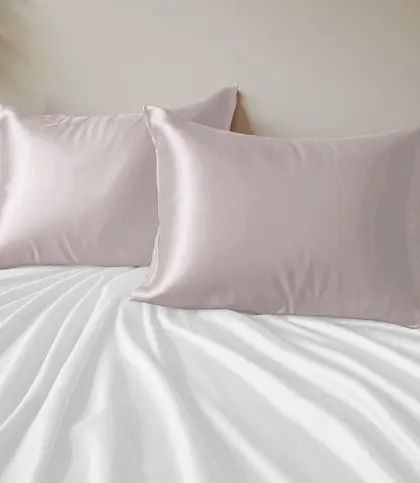
₹492
₹2,329
79%OFF

Luxe
₹4,349
₹6,500
33%OFF

Luxe
₹509
₹599
15%OFF

₹730
₹1,599
54%OFF
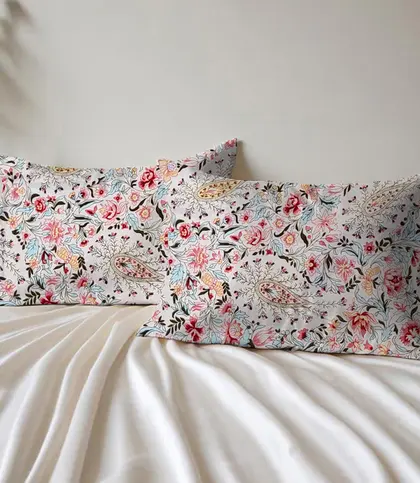
₹299
₹499
40%OFF

₹492
₹2,329
79%OFF

From ₹807
₹1,099
27%OFF

Luxe
FastDelivery₹424
₹499
15%OFF
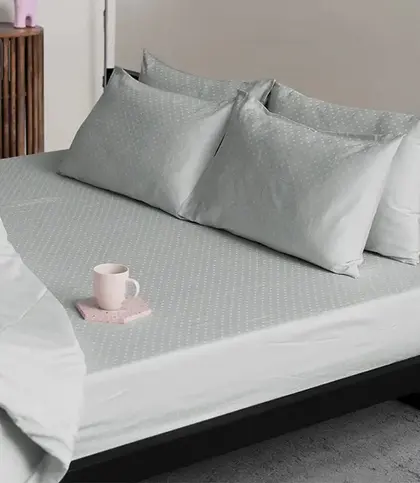
Luxe
FastDelivery₹699
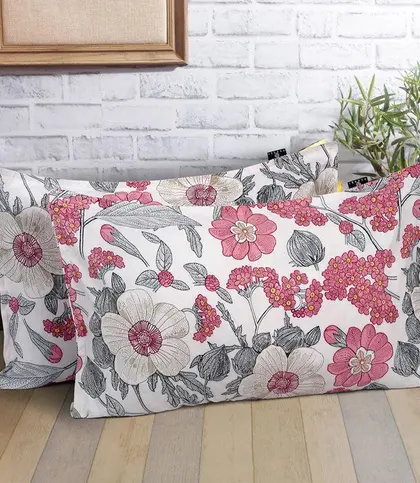
₹549
₹1,669
67%OFF
A pillow cover is a small detail you notice every day. It sits against your face when you rest, brings colour to a neatly made bed and can change the mood of a room without changing the whole bedding arrangement. At Vaaree, explore pillow covers with both purposes in mind: start with the fit and fabric, then choose the look that makes your space feel like yours.
Before falling for a print, check what you are buying. A pillow cover is the outer fabric layer, not the pillow or filler inside it. Cover dimensions, the number of pieces and closure details can vary by product, so the individual listing matters more than a familiar-sounding size name.
Measure your pillow from edge to edge and compare its length and width with the dimensions stated for the cover. If you have a particularly full pillow, consider its depth as well: two pillows with the same face measurements may fill a cover differently. A close fit gives a tidy outline, while a cover that is too roomy can leave loose fabric at the corners. Avoid assuming that every bed pillow follows one standard size, or that a decorative pillow cover will fit a sleeping pillow.
If you are refreshing an entire bed, count the pillows you intend to cover before choosing a set. Check whether the listing describes a single cover or multiple pieces and whether a filler is explicitly included. Looking at adjacent pillow fillers in a collection does not mean one comes with a cover. These simple checks are especially helpful when you want matching covers across a bed or a deliberate mix of designs.
Fabric affects how a pillow cover feels as much as how it looks. Cotton is a versatile starting point for pillows used every night; compare the listed composition if you prefer 100% cotton over a cotton blend. Muslin offers a different, more relaxed fabric character. Satin describes a smooth, lustrous finish, but it does not by itself tell you the fibre content, so read the material details rather than assuming it is silk. Polyester and polycotton give you further choices in texture and appearance.
Think about where the pillow will spend most of its time. For a sleeping pillow, the feel of the fabric against your skin may be your first priority. For a pillow arranged against a headboard or on a living-room seat, colour, sheen and the way it sits beside other furnishings may carry more weight. If you have a strong fabric preference or particular care needs, rely on the composition and instructions for the specific cover rather than a general claim about a material.
Pillow covers can tie together a room’s palette or provide its one playful interruption. For a calm bed, choose a colour already present in your bedding and repeat it across the pillows. Whites, greys and beiges make an easy base; a blue, green or pink accent can then have more impact. You do not need every cover to match exactly. Keeping one colour in common is often enough to make different patterns feel intentional.
Try arranging your everyday sleeping pillows at the back, then placing an accent pillow in front if its dimensions suit the space. On a smaller bed, a restrained combination can look more inviting than a pile you must move each night. For a coordinated bedroom, take a cue from the colour of your bedcover; for a broader refresh, explore bedding alongside your chosen covers. The same approach works in a living room: echo one colour from the furnishings, then let the pillow pattern add personality.
Once the size, fabric and design are right, read the product details for the closure, piece count and care instructions. An envelope-style overlap, zip or other fastening changes how you put the cover on and how its edges appear, so check which one the particular design uses. Look at the product images and description together when a finish matters to your choice.
Care is just as individual. Remove the pillow before cleaning a cover, follow its stated wash and drying directions, and treat any decorative finish according to its label. Keeping a spare cover can make it simpler to change your bedding while another is being washed. The best choice is one you will enjoy using as well as looking at.
Measure the length and width of your existing pillow, then compare both figures with the cover dimensions in the product listing. Take the pillow’s fullness into account if you want a particularly neat fit. Do not choose by a size name alone.
Not necessarily. A cover and a pillow filler are different items. Check the stated contents of the specific product to see whether you are buying covers only or whether an insert is explicitly listed.
Begin with how the pillow will be used and the feel you prefer. Compare listed compositions such as cotton, cotton blends, muslin, satin or polyester, and check the care label before deciding. Satin describes a finish; confirm its fibre content on the listing.
Give a bold print some space by pairing it with a solid colour drawn from the pattern. If you mix several designs, repeat a colour or keep the rest of the bedding simple so the arrangement feels connected.
Vaaree is a destination for curated, premium, pretty home products. Browse pillow covers with your room in mind, compare the details that matter to your routine and choose a design you will be happy to see on your bed each day.