Buying bed linen is never as fun as using bed linen. Oh well, that’s life! sigh
However, it doesn’t have to be a not-fun process, you know?
Here’s how you simplify bed linen buying!
Here, “bed linen” means bedding in general. Do not assume that every bedsheet is made from linen fibre; check the stated composition.
1. Fit
Size matters...wink wink It’s important to know that not all bed sheets are the same size, and neither are all mattresses. Mattress depth matters too, so always check both the bedsheet dimensions and the mattress dimensions.

Measure the length and breadth of your bed, then account for mattress depth and the amount of tuck or drape you prefer. Use the product’s size chart where provided. With so many mattress sizes available, this guide on finding your perfect bed sheet size can help you compare measurements.
2. Thread Count
Thread count is only one point of comparison. Also check fibre composition, weave, finish, dimensions and care instructions on the individual product page.
A higher thread count alone does not establish softness, quality or suitability for a particular climate. Compare products by the details actually stated for each one.

3. Fabric
Fibre composition is an important consideration, but no single fabric is best for everyone. Compare the stated fibre blend, weave, finish, feel and care instructions with your preferences and routine.
Bedsheets may be made with cotton, linen, polyester, bamboo-derived fibres or blends. Check the product page rather than assuming how a fabric will feel, wear or wash.

For example, the current options below include cotton bedsheets with stated thread counts, as well as cotton flannel bedsheets with stated GSM. Compare their dimensions, contents and care guidance before choosing.
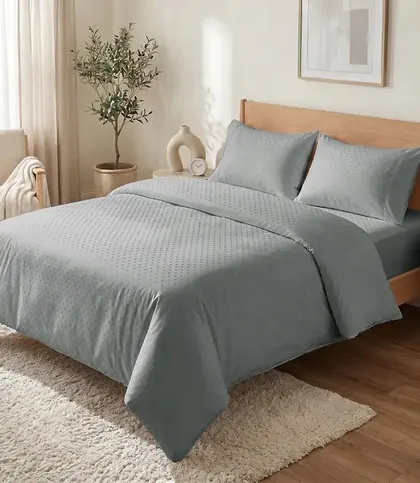 FastDelivery
From ₹1,435
₹1,799
16%OFF
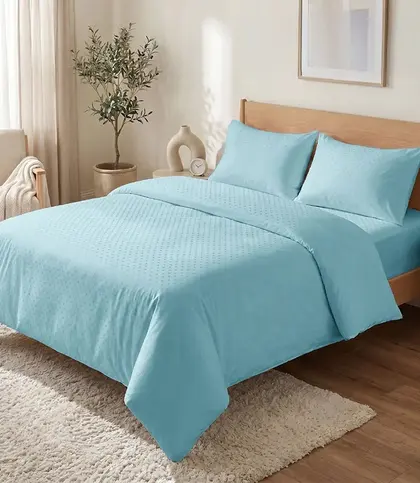 FastDelivery
From ₹1,511
₹1,799
16%OFF
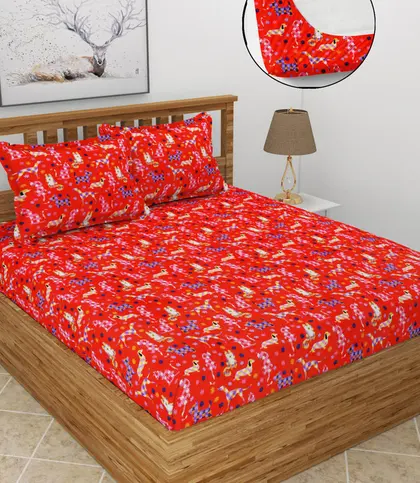 FastDelivery
From ₹999
₹1,999
67%OFF
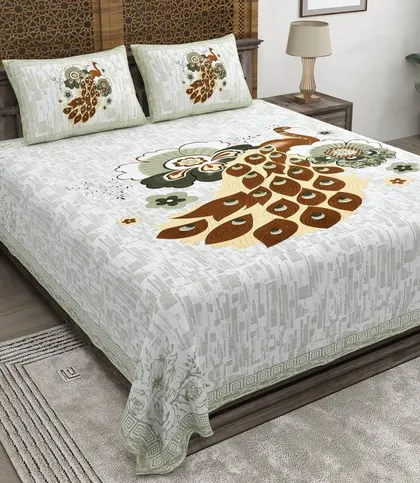
₹799
₹1,999
60%OFF
4. Design
This is often the easiest call to make. If it looks good, you buy it; if it doesn’t, you may not care about the bedsheet’s other qualities. Good-looking beds aren’t only for your eyes. Have you ever taken your friends on a tour of your home and been embarrassed by your bedsheets?
Compare colours, prints and patterns with the rest of your bedroom, including the wall colour, curtains and cushions. If you’re choosing bedding for a guest room and feel unsure about prints, florals, stripes and simple solids are enduring starting points.
5. Material
Linen: Check the stated fibre composition, weave, finish and care instructions. These details help you understand what a particular linen product is and how its maker recommends caring for it.
Cotton: Cotton is commonly used for bed linen. Check the product’s stated composition, weave, thread count where given, dimensions and care guidance rather than relying on the fibre name alone.
Sateen: Sateen refers to a weave or finish description used on some bedding. Review the individual product’s composition and care information to compare it with other options.
Percale: Percale is another weave description that may appear on bedding. Compare the product’s stated construction, composition and care requirements before deciding whether it suits your preference.
6. Personal Preferences
Ultimately, your choice of bed linen should align with your personal preferences. Think about the feel you enjoy, the colours and patterns you want to live with, and how much care you are willing to give the bedding.
If you are comparing different fabrics or weaves, use the product-page details to narrow the options, then choose the one that best suits your bed, room and routine.
7. Durability
Consider durability if you want bed linen for regular use. Rather than making assumptions from a fabric name, review the stated composition, construction and care instructions, and follow the care guidance for the product you choose.
Frequently Asked Questions
Why is linen often considered a premium choice for bed sheets?
Linen is a distinct fibre used in some bedding, and its appearance and texture may appeal to shoppers looking for a particular look or feel. Check the specific product’s composition, weave, finish and care instructions before buying.
What should I look for when choosing linen bedding?
Start with the stated fibre composition, dimensions, weave or finish details, and care guidance. If you have particular comfort, skin-sensitivity or laundry needs, check the product information carefully before choosing.
How do I choose the right linen thread count for my sheets?
Do not use thread count as the only deciding factor. Compare the information provided for the specific linen product, including composition, weave, dimensions and care requirements.
Can I use linen sheets year-round?
Whether a sheet suits your home and routine depends on the specific product and your own preferences. Review its composition, construction and care guidance, then consider the climate and bedding layers you typically use.
What is the proper care routine for linen bedding?
Follow the care instructions supplied for the individual product. Fibre composition, finish and construction can affect washing and drying guidance, so avoid assuming that every linen item needs the same routine.
Are there different types of linen weaves, and how do they affect the feel of sheets?
Weave can affect the surface appearance and feel of a fabric. Where weave information is provided, compare it alongside the product’s composition, finish and care guidance to find what you prefer.
Related Collections


Keep exploring