

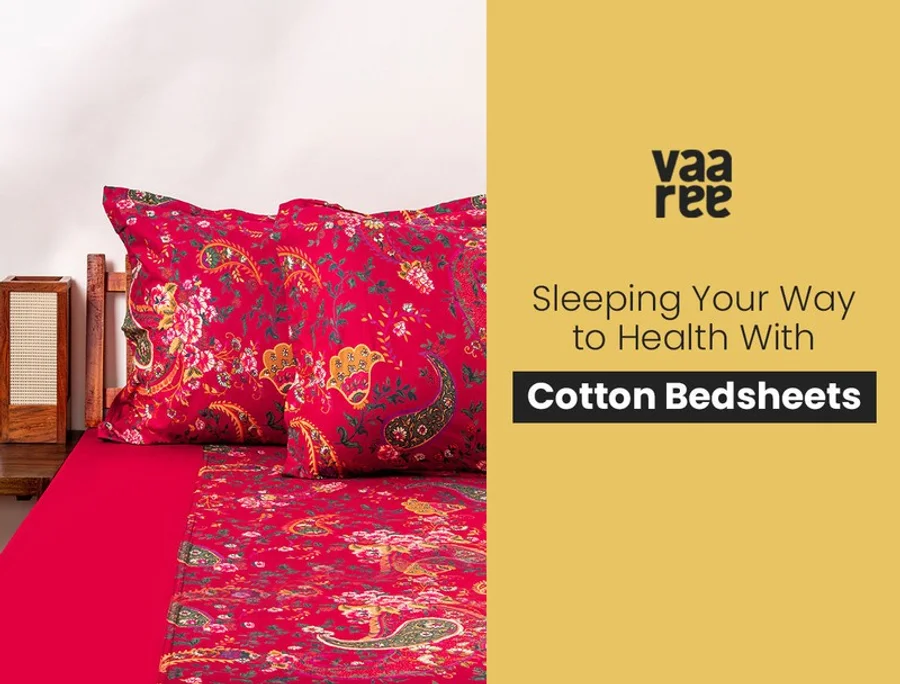
Cotton bed sheets are a popular bedding choice, but comfort preferences and medical benefits are different questions. Common health claims need care: a fabric label does not establish treatment, prevention or guaranteed sleep outcomes.

Fifteen considerations behind cotton-sheet health claims
1. Sleep difficulties
Choose bedding you find comfortable, but do not treat cotton sheets as a treatment for insomnia. Persistent sleep difficulties need advice from a qualified healthcare professional.
2. Skin preferences
Compare the actual fabric and finish with your preferences. A cotton label does not mean an item suits every skin type or is free of allergens.
3. Sleeping temperature
Consider room conditions, other bedding and your preferred sheet feel. A fabric name alone does not guarantee body-temperature regulation.
4. Heat-rash claims
Do not rely on bed sheets to prevent or treat a rash. If a rash is a concern, seek appropriate healthcare advice rather than a product promise.
5. A comfortable sleep setting
Choose a texture, fit and bedding arrangement you enjoy. No particular sheet guarantees longer or better sleep.

6. Respiratory conditions
Cotton sheets should not be presented as treatment for asthma or respiratory disease, or as a way to provide clean air. Follow your clinician’s advice for an existing condition.
7. Mental health
A preferred bedding style can be part of your room setup. Sheets do not provide a treatment or guaranteed benefit for mental health concerns.

8. Handling the laundry
Compare the washing, drying and ironing directions with the laundry routine you can manage. Cotton items do not all share the same care requirements.
9. Breathability preferences
If breathability matters to you, compare the specific fabric construction and your experience using it. Do not infer a clinical benefit from that description.
10. Moisture and feel
Consider how the sheet feels in use and follow its cleaning directions. Absorbency language does not establish protection from skin conditions.
11. Comfort
Comfort is personal. Compare texture, sheet fit and your other bedding rather than treating thread count as a universal quality score.
12. Sensitive skin
Check the actual composition and finish. A natural fibre label does not establish hypoallergenic properties or guarantee that irritation cannot occur.
13. Durability
Check stitching, construction and the maker’s care requirements. A cotton label alone does not guarantee a particular lifespan.
14. Maintenance
Read the care label before choosing a sheet so its washing and drying requirements fit your routine. Do not assume every cotton sheet can use the same machine settings.
15. Natural fibre labels
Cotton is a fibre description. It does not by itself establish that the finished sheet is chemical-free, environmentally preferable or medically beneficial.
Compare cotton sheets by size, feel and care
For an optional bedding comparison, browse these cotton-sheet collections by bed size and sheet style. Check the actual sheet dimensions, mattress depth where relevant, set contents, fabric finish and care instructions before choosing. These are material and comfort choices, not products offered to prevent or treat a health condition.
Single-bed cotton sheets
100% Cotton Single Bedsheets
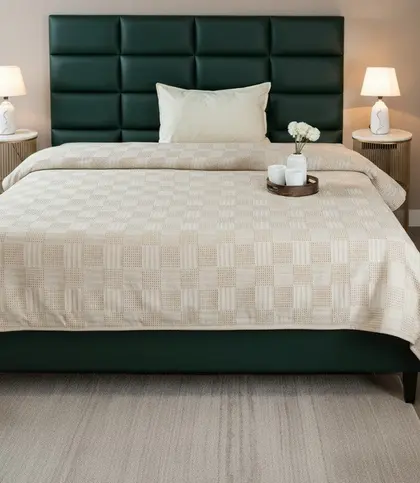 FastDelivery
From ₹997
₹1,299
23%OFF
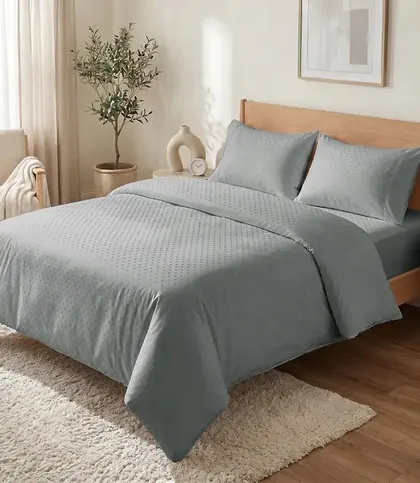 FastDelivery
From ₹1,435
₹1,799
20%OFF
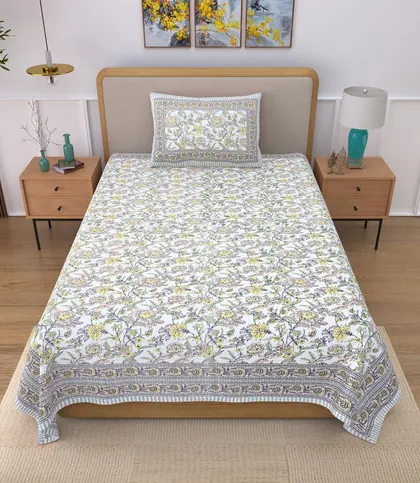 FastDelivery
From ₹807
₹1,699
53%OFF
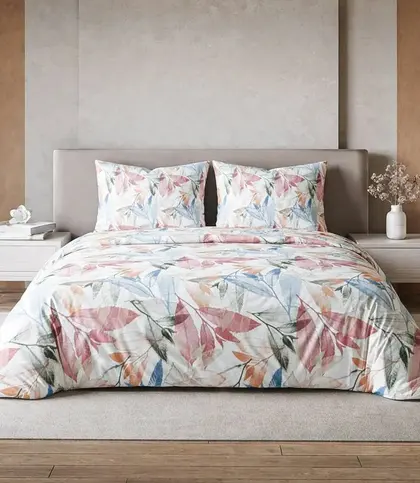 FastDelivery
From ₹2,456
₹3,499
30%OFF
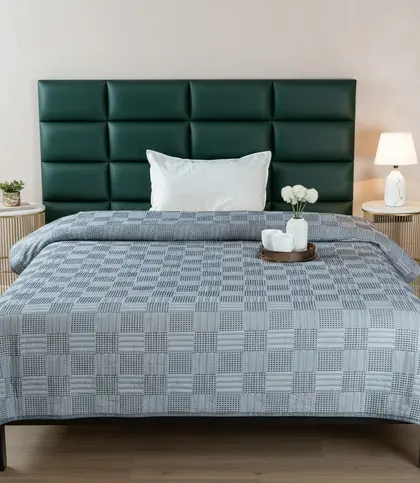 FastDelivery
From ₹944
₹1,299
27%OFF
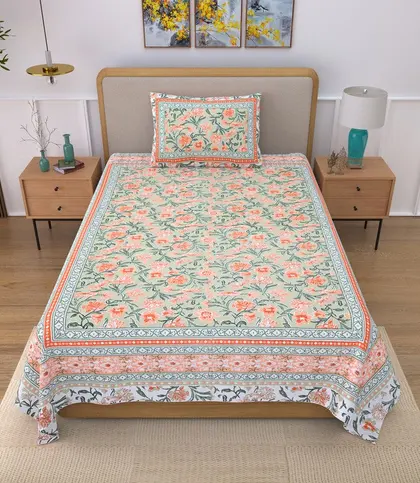 FastDelivery
From ₹807
₹1,699
53%OFF
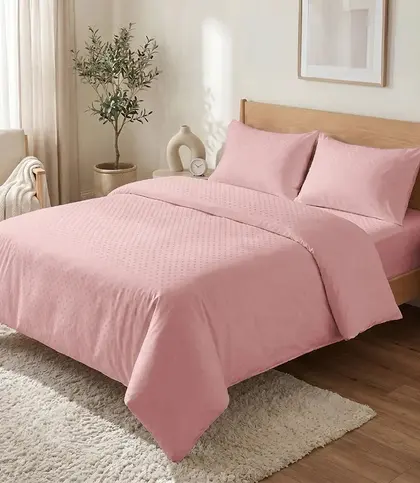 FastDelivery
From ₹1,511
₹1,799
16%OFF
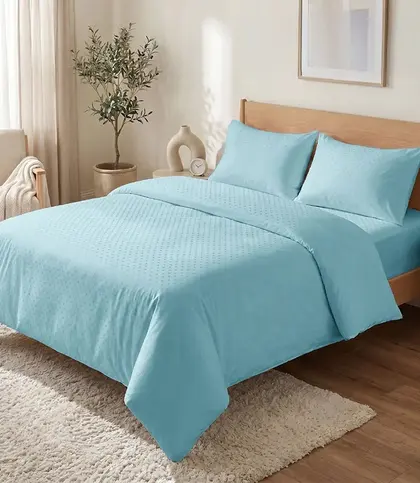 FastDelivery
From ₹1,511
₹1,799
16%OFF
Queen fitted cotton sheets
100 % Cotton Queen Fitted Bedsheets
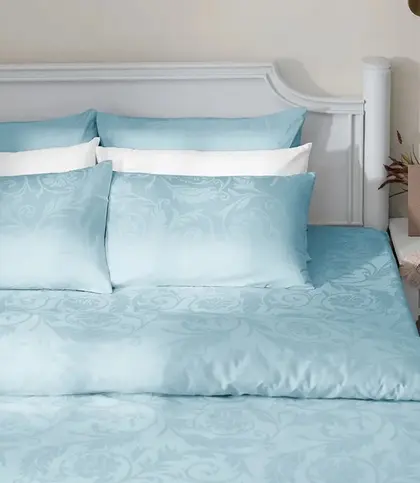 FastDelivery
From ₹3,031
₹3,599
16%OFF
FastDeliveryFrom ₹1,435
₹1,799
20%OFF
FastDeliveryFrom ₹2,456
₹3,499
17%OFF
FastDeliveryFrom ₹1,511
₹1,799
20%OFF
FastDeliveryFrom ₹1,511
₹1,799
16%OFF
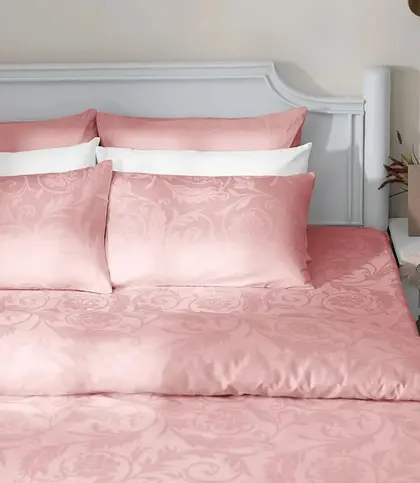 FastDelivery
From ₹3,126
₹3,999
11%OFF
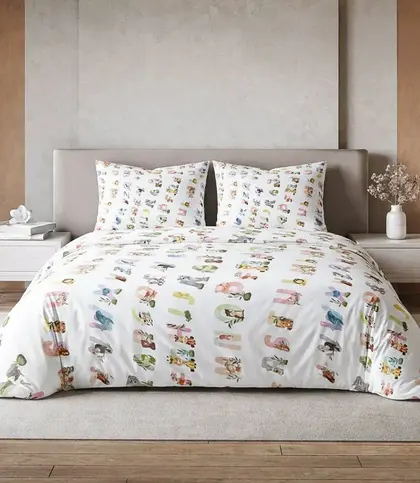 FastDelivery
From ₹2,729
₹3,499
13%OFF
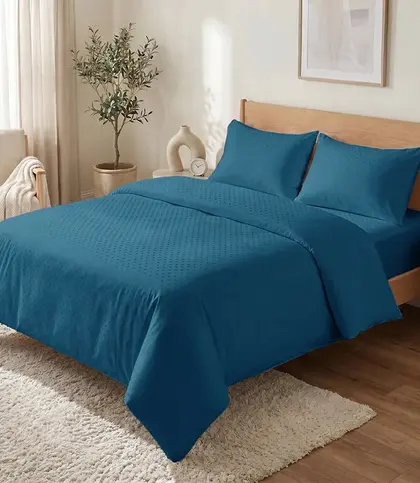 FastDelivery
From ₹1,511
₹1,799
16%OFF
King-size cotton sheets
100 % Cotton King Size Bedsheets
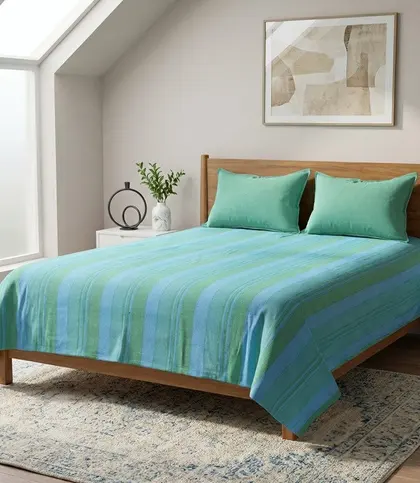 FastDelivery
From ₹949
₹1,199
33%OFF
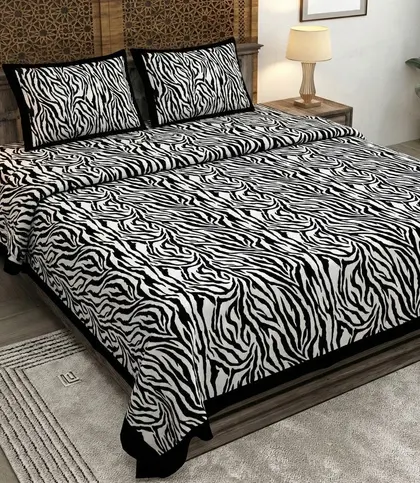 FastDelivery
₹999
₹1,999
50%OFF
 FastDelivery
₹999
₹1,999
50%OFF
FastDeliveryFrom ₹997
₹1,299
28%OFF
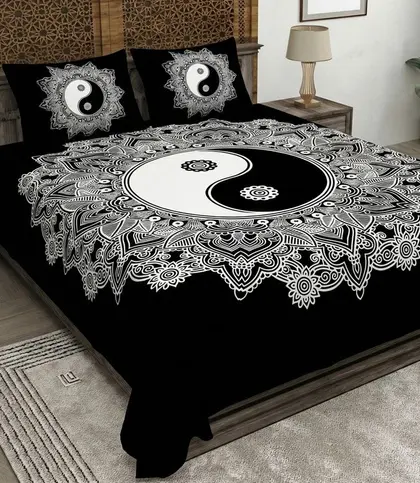 FastDelivery
₹999
₹1,999
50%OFF
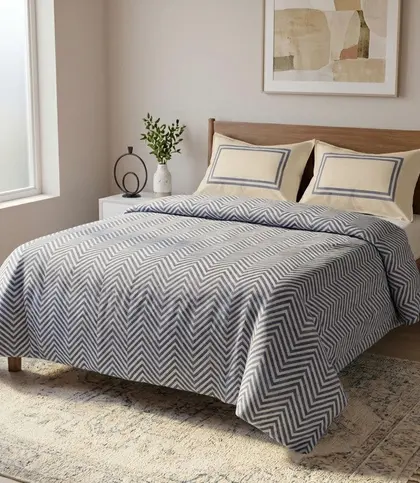 FastDelivery
From ₹1,169
₹2,499
53%OFF
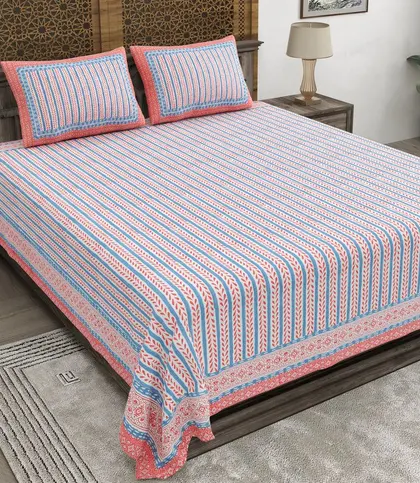 FastDelivery
₹867
₹1,999
57%OFF
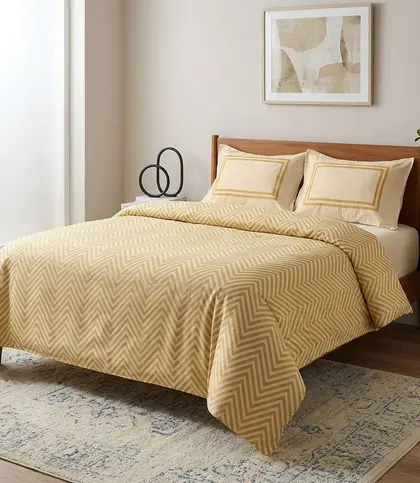 FastDelivery
From ₹1,234
₹2,499
53%OFF
Frequently Asked Questions
1. Why cotton is often recommended for bed sheets in terms of health benefits?
Choose by the actual fabric, feel, fit and care needs. Those choices do not establish a medical benefit.
2. How does sleeping on cotton sheets contribute to skin health?
Cotton does not guarantee hypoallergenic or irritation-free bedding. Seek appropriate advice if you have a skin condition.
3. Can cotton bed sheets help with temperature regulation during sleep?
A sheet alone does not guarantee temperature regulation. Consider the room and the rest of your bedding.
4. Are there specific types of cotton that offer enhanced health benefits?
A named cotton variety or a higher thread count does not establish enhanced health benefits.
5. Do cotton sheets have any benefits for individuals with allergies or asthma?
Do not treat cotton sheets as allergy- or asthma-resistant treatment. Follow advice specific to your condition.
6. How does the moisture-wicking property of cotton benefit sleep quality?
A moisture-related fabric description does not establish better sleep or prevention of skin problems. Compare actual product information and personal comfort.
Related reading
Keep exploring