

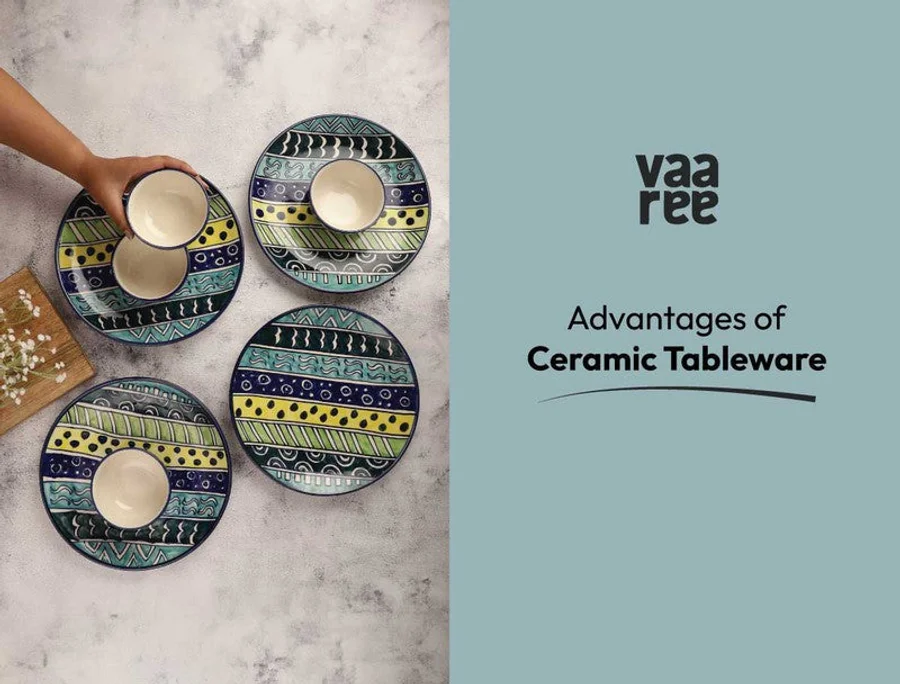
Ceramic tableware, such as plates, bowls, and mugs, offers several advantages that make them popular choices in households and restaurants.
10 Ceramic Tableware Benefits and Considerations:
1. Durability
Compare the specific item’s construction and handling instructions. Ceramic tableware can chip or break, so choose around the household’s use and do not treat it as unbreakable.
2. Easy to clean
For everyday convenience, compare the actual washing instructions and finish. Use the stated method rather than assuming every ceramic item is grease-resistant or dishwasher-safe.
3. Food-Contact Suitability
Choose tableware intended for food contact and verify the maker’s use guidance. Clay or a ceramic label alone does not establish glaze safety, chemical resistance or suitability for every food.
4. Versatility in Design
Ceramics provide a versatile medium for artistic expression. Artisans can create a wide range of designs, patterns, and colours, allowing for a diverse selection of tableware to suit different tastes and styles. This versatility makes ceramic tableware suitable for both casual and formal dining settings.
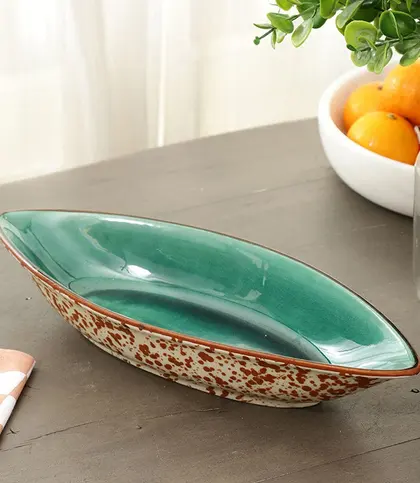
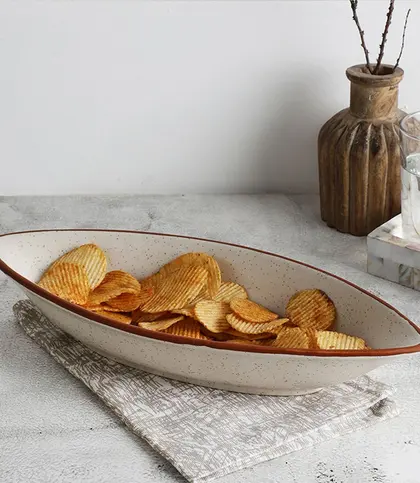
Choose bowl sizes around the dishes and number of diners. Verify the specific food-use and care guidance rather than assuming all ceramics accept the same temperatures or appliances.

₹584
₹1,199
51%OFF
₹620
₹1,469
58%OFF
₹566
₹1,469
61%OFF
5. Heat Resistance
Check the specific product’s temperature and appliance instructions. Do not assume ceramic tableware is oven-, microwave- or freezer-safe, and avoid sudden temperature changes unless expressly permitted.
6. Environmental Considerations
A reusable piece can be kept in service with suitable care. Environmental impact depends on manufacture, transport, durability and disposal, so a ceramic label alone does not establish a comparative environmental benefit.
7. Serving Temperature
Serving temperature depends on the dish, food and conditions. Choose serving pieces for the intended use and verify temperature limits rather than treating every ceramic item as an insulated vessel.
8. Surface and Cleaning
Follow the maker’s cleaning instructions and inspect the surface for damage. Porosity and finish vary; do not assume every ceramic item is non-porous or resistant to odours and stains.
9. Longevity
With proper care, ceramic tableware can last for a long time, making it a cost-effective choice in the long run.
10. Cultural and Historical Significance
Ceramics have been used for centuries across different cultures, adding a sense of tradition & history to the table.
Types of ceramic tableware
Ceramic tableware refers to dishes, plates, bowls, and other items made from ceramic materials that are used for serving and consuming food and beverages. Ceramics are a broad category of materials that include clay, porcelain, & stoneware. Here are some common types of ceramic tableware:
1. Earthenware:
Earthenware is one of the oldest types of ceramic ware. It is made from clay fired at a relatively low temperature, which gives it a porous & coarse texture. Earthenware is often glazed for decorative & functional purposes.
2. Stoneware:
Stoneware is fired at a higher temperature than earthenware, resulting in a denser and less porous material. Check its intended use and care before choosing it for daily meals. Stoneware can be glazed or left unglazed, depending on the desired finish.
3. Porcelain:
Porcelain is a ceramic type with its own composition and firing process; temperature ranges vary. It is known for its translucent & smooth texture. Porcelain is often used for fine china and decorative pieces due to its delicate appearance.
4. Bone China:
Bone china is a type of porcelain that is made by adding bone ash to the clay. This gives the china a translucent quality. Bone china is lightweight, durable, & is often used for high-quality tableware.
5. Ceramic Coatings:
Some tableware may have a ceramic coating applied to the surface of materials like metal or glass. Check the base material, coating and intended use rather than assuming the coating establishes durability or appliance suitability.
Ceramic tableware comes in various designs, colors, and patterns, catering to different preferences and styles. It is valued not only for its functional properties but also for its aesthetic appeal. Dishwasher and microwave suitability must be confirmed for the individual item.
When caring for ceramic tableware, it's essential to follow manufacturer guidelines for cleaning and usage to maintain its quality & longevity. Avoid sudden temperature changes, as extreme thermal shock can lead to cracking or breakage, especially for delicate types like porcelain.
Ceramic Gift Items for you
Ceramic gift items can make thoughtful and aesthetically pleasing presents for various occasions. Here are some ideas for ceramic gift items:
1. Mugs & Cups:
Personalized ceramic mugs with custom designs, photos, or messages. Hand-painted or artisanal ceramic coffee or tea cups.
2. Bowls & Plates:
Decorative ceramic bowls or plates featuring one-of-a-kind patterns or artwork. Handcrafted ceramic dinnerware sets.
3. Vases:
Elegant ceramic flower vases that can be simple or intricately crafted. Vases that can be personalised with messages or names.
4. Sculptures:
Ceramic sculptures or figurines for home decor. Artistic or abstract ceramic art pieces.
5. Candle Holders:
Ceramic candle holders with artistic designs. Lanterns or votive holders made of ceramic.
6. Kitchenware:
Ceramic kitchen accessories like salt and pepper shakers. Ceramic baking dishes or casserole dishes.
7. Planters:
Ceramic plant pots or planters for indoor or outdoor use. Succulent or flower pots with unique shapes and glazes.
8. Coasters:
Ceramic coasters with creative patterns or designs. Customized coasters with personalized images or messages.
9. Ceramic Art Pieces:
Handcrafted ceramic art pieces or wall hangings. Tiles or plaques with inspirational quotes or messages.
10. Dishes and Platters:
Ceramic serving dishes or platters for special occasions. Custom-designed dishes with personalized touches.
11. Tea Sets:
Ceramic tea sets with teapots, cups, and saucers. Hand-painted or artisanal tea sets.
12. Clocks:
Ceramic clocks with unique designs for home or office. Wall clocks with ceramic frames.
When selecting a ceramic gift item, consider the recipient's preferences, the occasion, and the overall aesthetic appeal of the item. Personalized touches often make these gifts more meaningful and special.
Frequently Asked Questions (FAQ)
1. What are the benefits of ceramic tableware?
Design variety and coordinated serving pieces are useful reasons to compare ceramic tableware. Durability, food-contact suitability, care and temperature performance need checking for the actual item.
2. What are the advantages of ceramics?
Ceramics vary by composition, firing, finish and intended application. For tableware, compare food-use guidance, design, dimensions and care rather than transferring properties from industrial ceramics to every household dish.
3. What are the benefits of eating in ceramic plates?
A ceramic plate can provide a preferred shape, size and visual design for a meal. Verify the specific plate’s food-contact and care guidance; do not infer a health benefit or appliance suitability from the material name alone.
4. What are the advantages of dinnerware?
Dinnerware refers to the various types of dishes, plates, bowls, and other items used for serving and eating food. The choice of dinnerware can have several advantages, both practical & aesthetic.
Related Collections

Keep exploring