Types of bedsheets? Different types exist? Yes—bed sheets come in a range of fibres and weaves, and the right choice depends on the feel you enjoy, your climate and your care routine.
Common types of bed sheets and their characteristics
1. Cotton sheets
Percale: Percale is commonly associated with a crisp, cool feel. Check the product description for its weave and fibre composition.
Sateen: Sateen often feels smoother and may have a subtle sheen. Its feel differs from percale, so personal preference matters.
Egyptian cotton: This term refers to a cotton type often chosen for a softer feel. Review the product’s composition and care details rather than relying on the name alone.
2. Linen sheets
Linen has a naturally textured feel and is often chosen by people who prefer breathable bedding. Its feel can change with washing, so check the care label before buying.
3. Microfiber sheets
Microfiber sheets are often selected for their smooth feel and relatively simple care. Compare the fibre composition and care instructions with your preferences.
4. Silk sheets
Silk sheets have a notably smooth feel, but their care requirements may differ from those of cotton or linen. Check the product label before choosing them.
Factors to consider before choosing
Thread count: Thread count is only one detail. A higher number does not automatically mean a better sheet; consider the fibre, weave, construction and care instructions too.
Seasonal considerations: Choose sheets that suit your climate and how warm you prefer to sleep. Cotton and linen are often considered for warmer conditions, while flannel or jersey may appeal if you want a cosier feel.
Personal preference: The feel and texture of sheets are personal. Some people prefer the crispness of percale, while others enjoy smoother sateen or the cosiness of flannel.
Maintenance: Check how the sheet should be washed and dried before purchasing. Care needs can vary by fibre, weave and finish.
Cotton, linen, microfiber and silk each offer a different feel. Compare the stated fibre composition, weave, dimensions and care instructions rather than treating thread count as a guarantee of quality.
Bamboo-labelled fabrics and TENCEL™-labelled fabrics are also available. Their composition and processing can vary, so check the product page and care label rather than assuming a particular environmental, comfort or skin-related benefit from the fibre name alone.
Cotton bedsheet options to compare
If you prefer cotton sheets, match the listed dimensions to your mattress, including its depth. The options below are explicitly labelled as cotton in their titles; check each product page for complete set contents and care details.
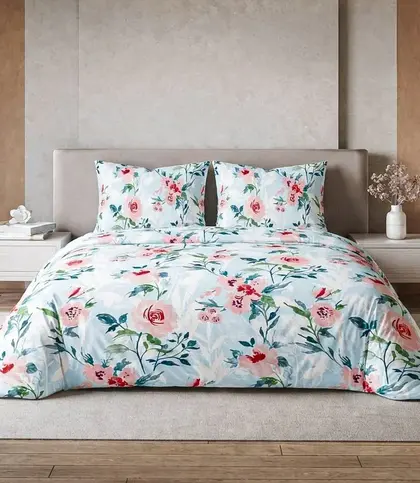 FastDelivery
From ₹2,593
₹3,499
20%OFF

₹1,304
₹1,599
18%OFF
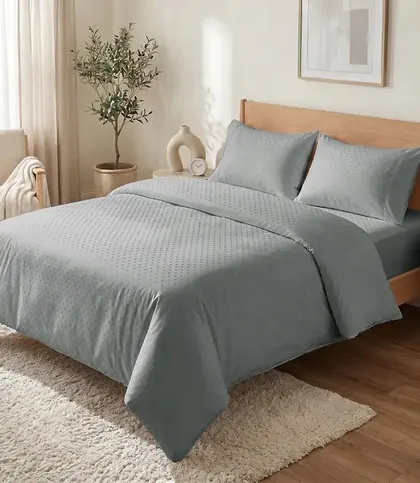 FastDelivery
From ₹1,435
₹1,799
20%OFF
Thread-count illustrations


For more context, see this thread-count guide. A larger number alone does not establish quality.
Frequently asked questions
1. Which material is the most comfortable for bed sheets?
Comfort is subjective. Cotton is a common choice, while percale, sateen, linen, jersey and flannel can each feel quite different. Consider the texture you prefer and the care you are willing to give the sheets.
2. How do I choose the right thread count for bed sheets?
Use thread count as one comparison point, not a quality guarantee. Check the fibre, weave, product dimensions and care instructions alongside it.
3. Are linen sheets suitable for all seasons?
Linen may suit people who like its breathable, textured feel, particularly in warmer conditions. Whether it works year-round depends on your climate, layering and personal sleeping preference.
4. How do I care for and maintain my bed sheets?
Follow the care instructions on the product label. Washing and drying guidance can vary by fibre and weave, and following the stated instructions can help you care for the sheets appropriately.
5. Can I mix and match different types of bed sheets?
Yes. You can mix sheets with pillows, throws and other bedding by choosing colours and textures that work together. Keep the sheet size appropriate for the mattress.
People also search for these popular blogs
Tips To Pick The Best Bedsheet Design For Your Bed, How To Care For Your Bedsheets, Bedroom Decor, How Bed Covers Can Protect Your Bedsheets?, Jaipuri Bedsheets, Top 10 Stylish King Size Bedsheets For A Fashionable Bedroom, Top 10 Fun And Cute Bedsheets For Kids, Top 5 Affordable Queen Size Bedsheets For Every Home, Top 10 Stylish Single Bedsheets For Modern Bedrooms, 20 Designer Bedsheets For Kids.
Keep exploring