

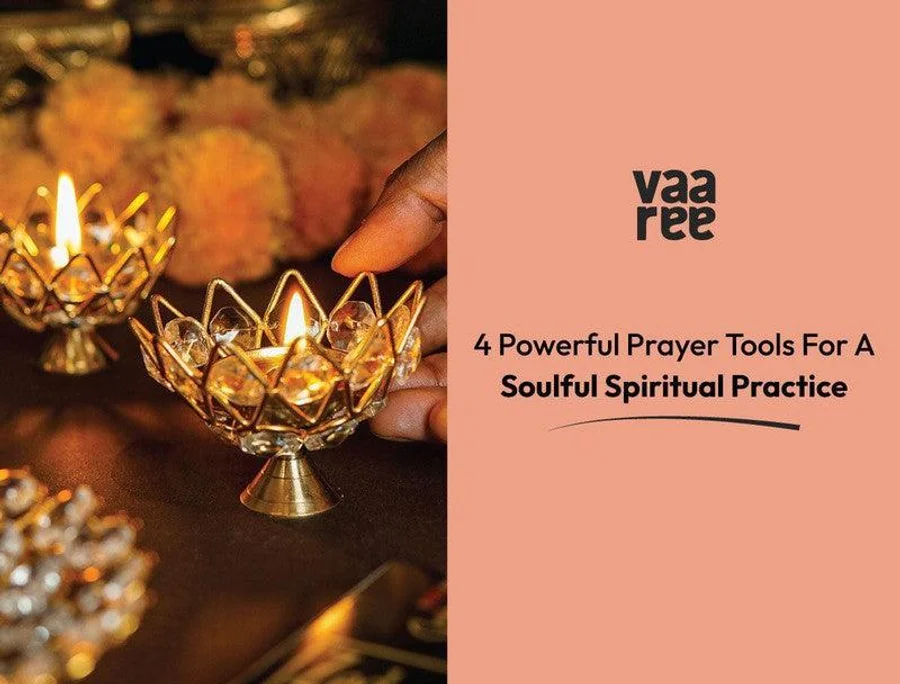
Having a temple at home can create a dedicated setting for prayer, reflection and family rituals. While inner devotion is what truly matters, the atmosphere of a sacred space can also shape the experience. Thoughtfully chosen spiritual items can help make a home mandir feel personal, beautiful and inviting.
Importance of a Home Temple
If you are considering a temple at home, this space may offer:
- A quiet place for prayer, meditation or reflection.
- A setting for chanting and devotional rituals.
- An opportunity for family members to gather for daily prayers or special occasions.
- A way to express gratitude and reverence according to your faith and household traditions.
How to Improve Your Spiritual Practice?
Prayer tools and items can help you organise a mandir around the rituals that matter to you. The following four essentials are commonly included in a home prayer arrangement.
1. Idols
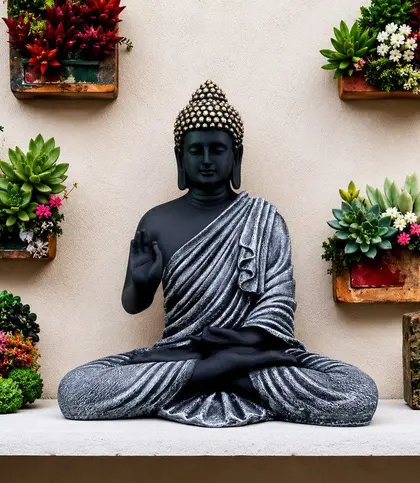
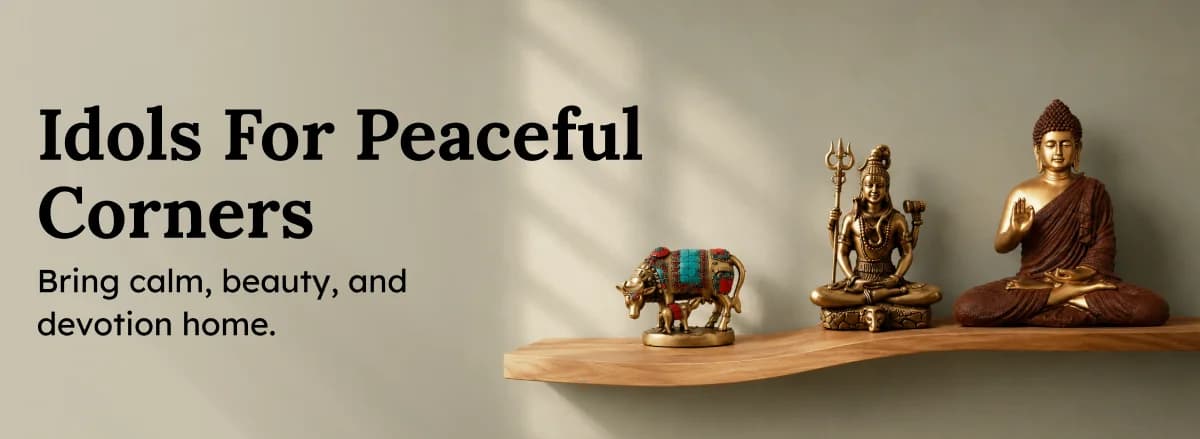
An idol of a revered deity may occupy the central space in a mandir and provide a focal point for prayer. In many Hindu households, placing an idol is a devotional choice that helps create a dedicated setting for worship.
Choose an idol according to your household’s devotional practice, the available space and the placement customs you follow. Check the product page for dimensions and care guidance before arranging it in your mandir.
 FastDelivery
₹149
₹499
70%OFF
₹2,774
₹5,999
54%OFF

₹2,774
₹5,999
54%OFF
2. Pooja Thali
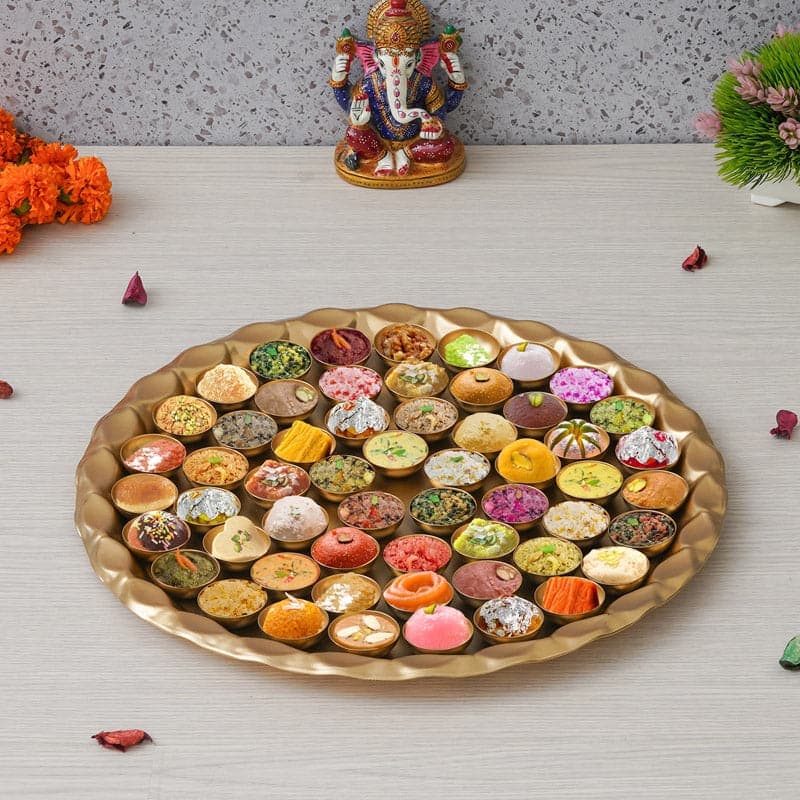
A pooja thali helps keep ritual items together during prayer. Depending on personal and regional traditions, it may hold kumkum, rice, flowers, sweet offerings, holy water, incense or a diya. Some households associate these elements with particular devotional meanings.
Thalis are often round, though the right shape and arrangement depends on your preference and ritual needs. Check the listed dimensions and included pieces before choosing a thali or thali set.

₹1,988
₹4,999
60%OFF

Sold Out
₹2,774
₹5,999
54%OFF
 FastDelivery
₹1,124
₹2,199
49%OFF
3. Diya
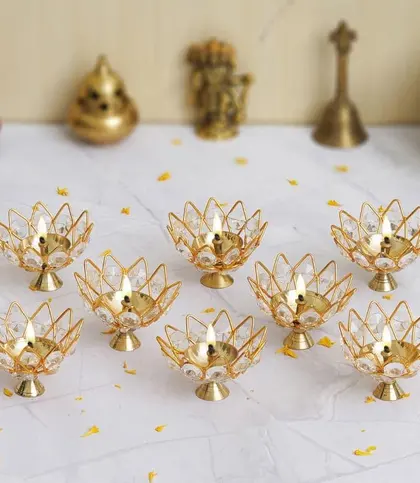
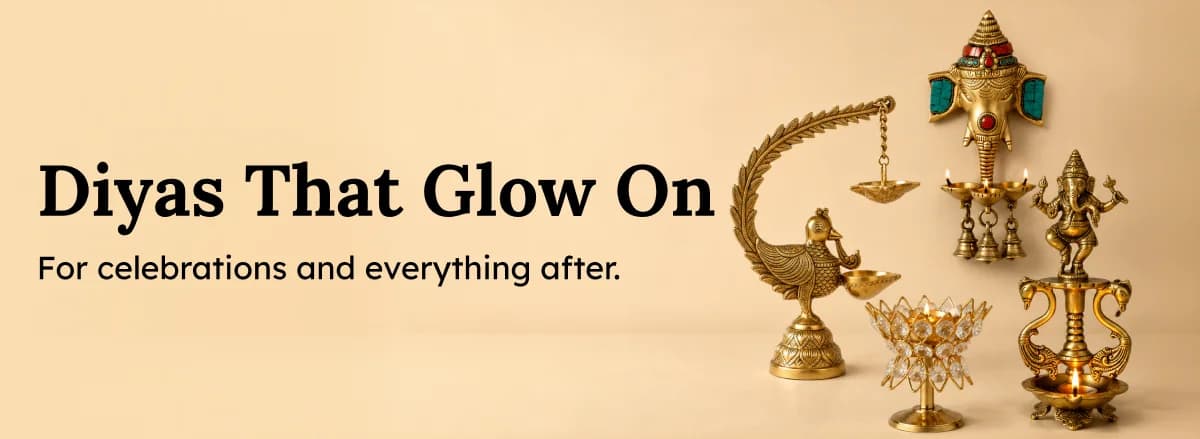
Lighting a diya is an important part of many prayer rituals. Diyas are available in a range of forms, so you can select a style and quantity that suit your intended arrangement. Ghee, sesame oil and coconut oil are among the fuels used in different traditions.
When using a diya, follow its stated use instructions and place it on a stable surface, away from fabric, flowers and other decorations.

₹849
₹2,299
63%OFF

₹2,327
₹4,199
45%OFF
₹1,104
₹2,999
63%OFF
4. Incense and Candles
The fragrance of incense is often part of a pooja or meditation routine, while candles may add a gentle point of light to a prayer setting. Choose a fragrance, if desired, based on your personal preference, and use incense cones, sticks and candles only as suited to your practice.
Keep burning incense and candles attended, place them in a suitable holder and follow the product’s safety instructions.
Choosing Pooja Essentials
A meaningful prayer space does not need to follow one fixed formula. Start with the items central to your faith and routine, then add supporting pieces only if they are useful for your rituals. Consider available space, the number of items you use regularly and the care instructions for each piece.

Frequently Asked Questions
1. What are some common prayer tools?
Common prayer tools and items can include:
- Diyas
- Pooja thalis
- Tarot decks
- Spiritual books
- Crystals
- Idols or deity showpieces
- Incense and candles
The right selection depends on your faith, rituals and personal practice.
2. How can prayer tools enhance my spiritual practice?
Prayer tools can give a ritual structure and help create a setting that feels intentional. For example, some people use tarot cards as a reflective prompt, read spiritual books for contemplation, or use incense and candles to mark the beginning of prayer or meditation. Their meaning and role are personal.
3. How do I choose the right prayer tool for me?
Choose tools that fit your spiritual practice, available space and comfort level. Begin with essentials for your regular rituals, then add items that you find meaningful. Check product-page dimensions, care guidance and contents before making a selection.
4. How do I use candles or incense in my prayer practice?
You may light a candle, incense stick or diya at the start of meditation or a ritual, according to your customs. Place it near the prayer arrangement only when it can be kept on a stable, heat-safe surface and attended throughout use.
Related Reading
Keep exploring