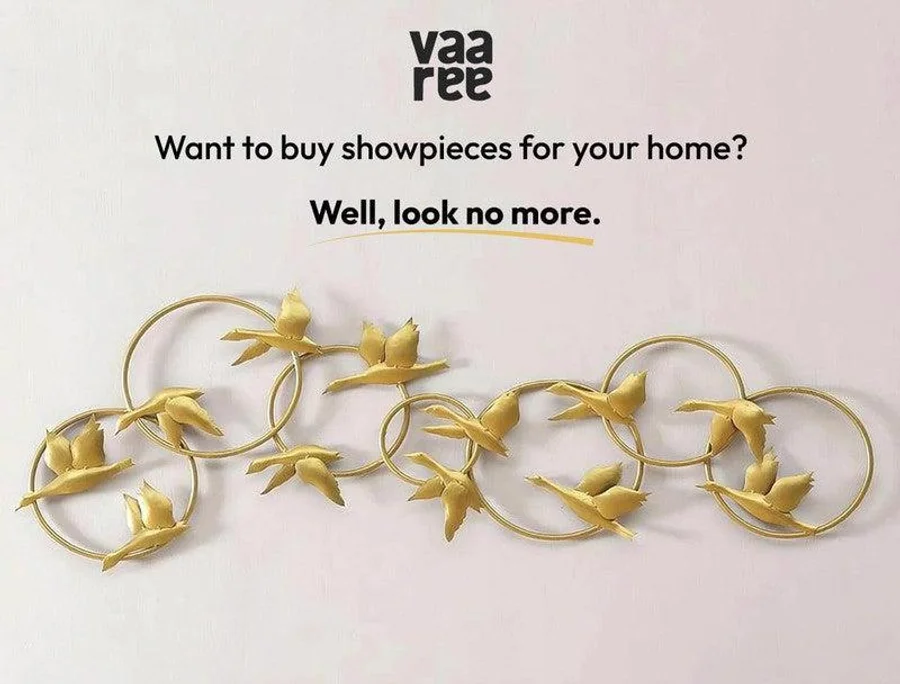
Decorative idols and accent pieces can bring personality to a drawing room, shelf or quiet corner. Use these ideas to create displays that feel considered and personal.
1. Create a vignette
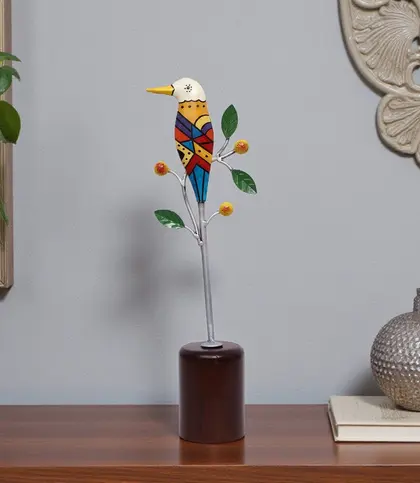
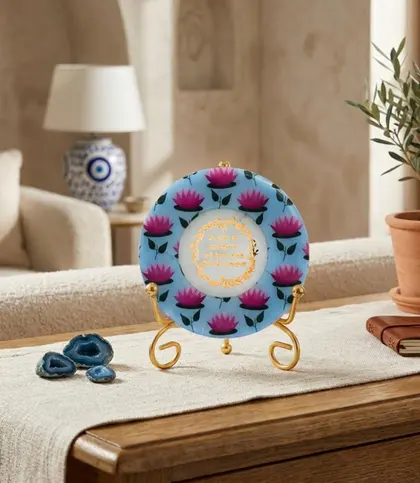
A vignette is a curated grouping of objects that tells a story. Pair idols and accent pieces on a table or shelf, varying their height and spacing to create a visually balanced display. Leave some open space so each piece can be appreciated.
2. Bookshelf styling
Including idols and accent pieces in a bookshelf display can break up rows of books and fill blank areas between them. Group a few objects with books or place a single piece beside a favourite read. Use an object as a bookend only if it is designed and stable enough for that purpose.
For shelf and tabletop displays, choose pieces that suit the scale of the space and check the product page for dimensions and care details.
₹2,497
₹4,559
45%OFF

₹1,709
₹2,000
15%OFF
₹674
₹1,498
55%OFF

₹499
₹1,000
50%OFF
3. Create a meditation corner with idols and accent pieces
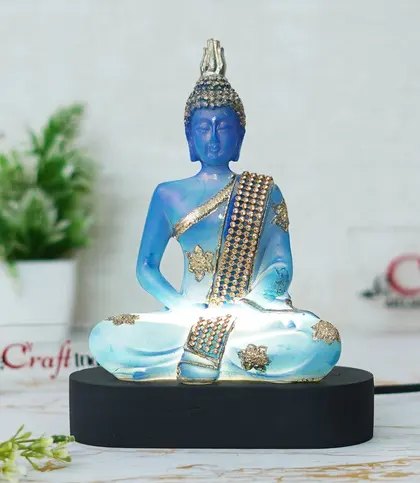
Set aside a quiet corner with a comfortable cushion or chair and a few meaningful decorative pieces. Candles or incense burners may be included where appropriate; follow their use instructions and keep them on a suitable surface. Arrange idols and accents in a way that feels calm and personal to you.
If you would like to include an idol, choose one that feels right for the space and check the product page for dimensions, care and placement guidance.
₹949
₹1,248
24%OFF

₹1,567
₹2,299
32%OFF

₹2,089
₹3,999
48%OFF

₹2,774
₹5,999
54%OFF
4. Wall art
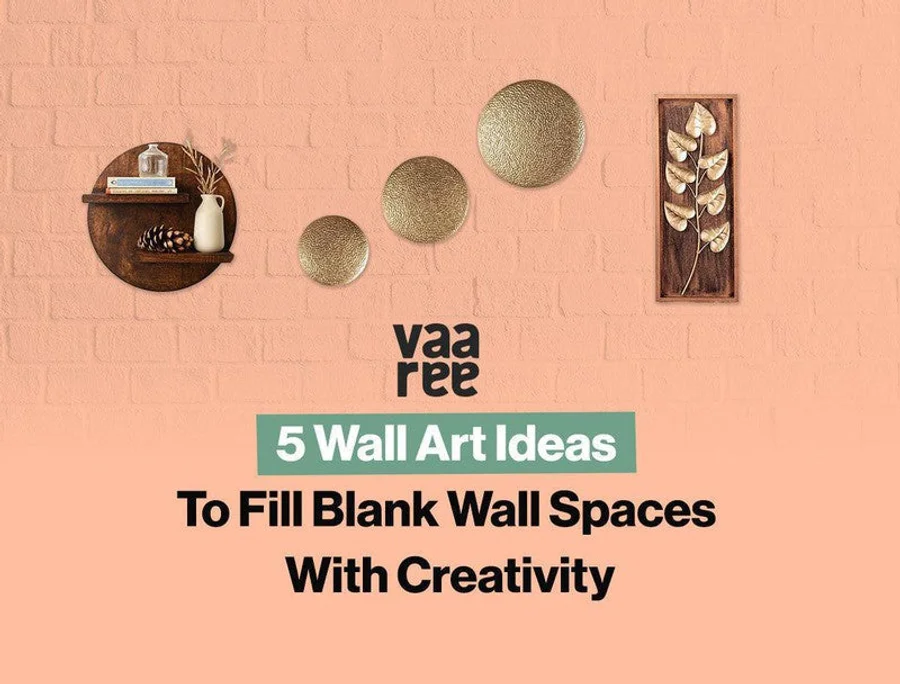
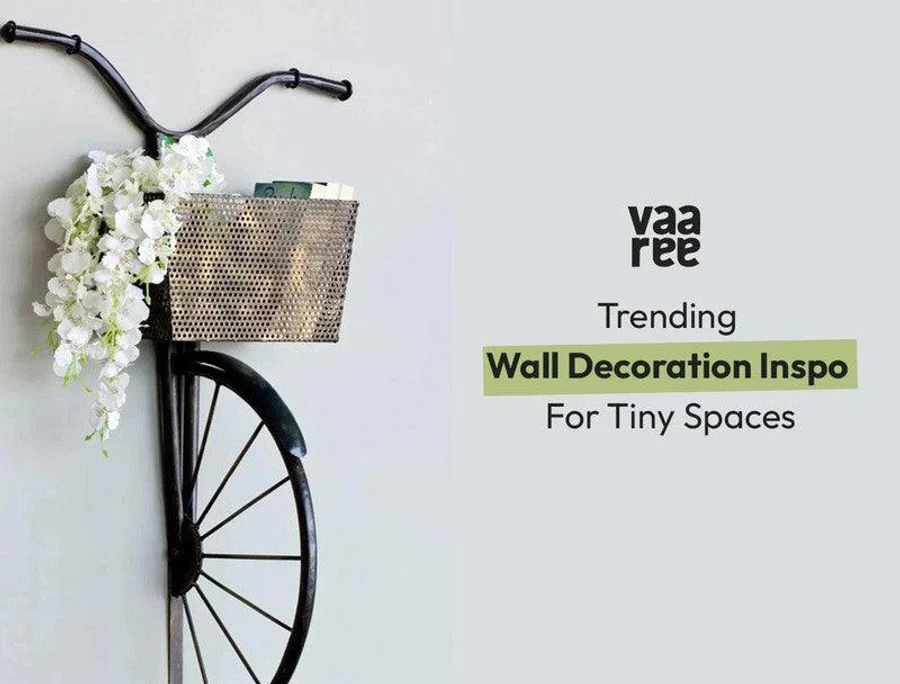
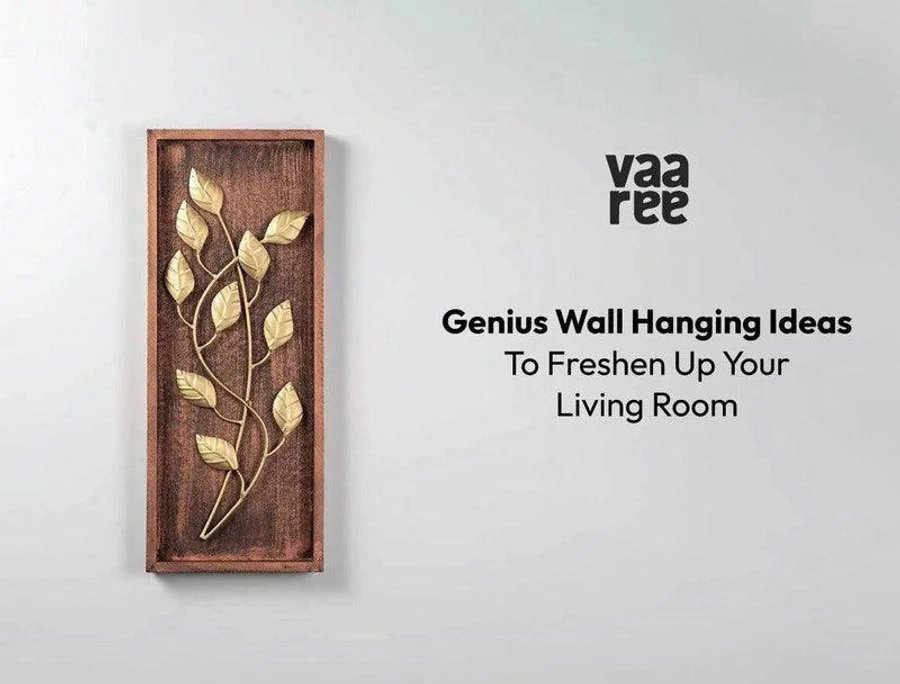
Wall-mounted decorative pieces can add interest to an otherwise blank wall and become a conversation starter. Choose items specifically intended for wall mounting, and follow the product and installation guidance for your wall type.

5. Add to unexpected spaces
Do not limit idols and accent pieces to traditional spaces such as living rooms and bedrooms. A small statue or vase can bring personality to a bathroom, kitchen or home office. Keep placement practical, particularly in areas exposed to moisture, heat or frequent use.
Frequently Asked Questions
1. How do you make creative decorative items at home?
Simple craft projects can be an enjoyable way to personalise a space. Try one of these ideas:
Fabric wall art: Stretch an extra printed or woven fabric over a canvas or embroidery hoop, then add embellishments such as buttons, beads or ribbon.
Painted mason jars: Paint jars in different hues and patterns for a decorative display or use them as vases when suitable. If adding light, use an appropriate flameless option rather than assuming a jar is suitable for a real flame.
Paper flowers: Tissue paper, crepe paper or origami paper can be used to create colourful paper flowers.
Homemade wreaths: Create a wreath with twigs, flowers or paper around a wire frame. Add ribbons or other decorative elements to suit the season or room.
2. What are different ways to decorate your house?
Depending on your style and preferences, consider these approaches:
Wall art: Paintings, prints and posters can lend personality to a room. Try grouping complementary pieces into a gallery wall.
Lighting: Lamps, chandeliers and sconces can contribute to the atmosphere of a space while adding a decorative element.
Curtains and blinds: Window coverings can frame a room, add privacy and help manage incoming light.
Decorative accessories: Pillows, vases and sculptures can introduce texture and visual interest.
Plants: Plants can add greenery and texture. Choose them according to the light and care available in your home.

3. How do you use waste material for home decorations?
Upcycling: Transform old items into something useful or decorative. For example, decorate old jars or reuse a suitable wine bottle as a vase.
Repurposing: Give a material a different use. Old newspapers can become paper-mâché bowls, while fabric scraps can be turned into a patchwork quilt.
Recycling: Use recyclable materials in a new project, such as turning old magazines into a paper wreath or using clean cans as planters.
Keep exploring