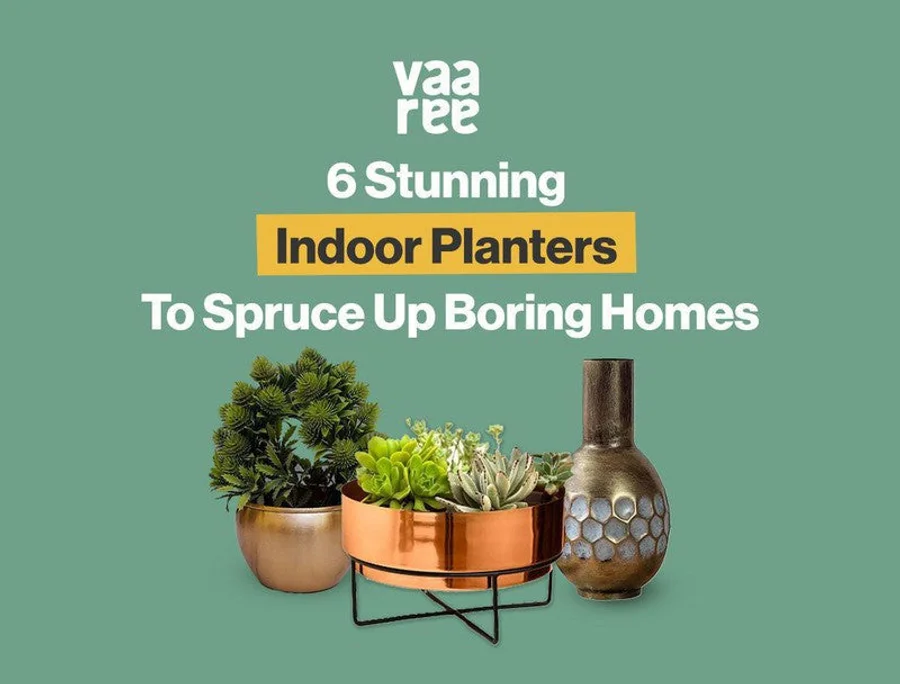
Indoor plants can do more than fill an empty corner. With thoughtfully chosen pots and planters, they can become part of the room’s décor. Here are six ways to style them at home, from compact tabletop groupings to wall-hung greenery.
Six decorative indoor planter ideas
1. Create a tabletop planter grouping
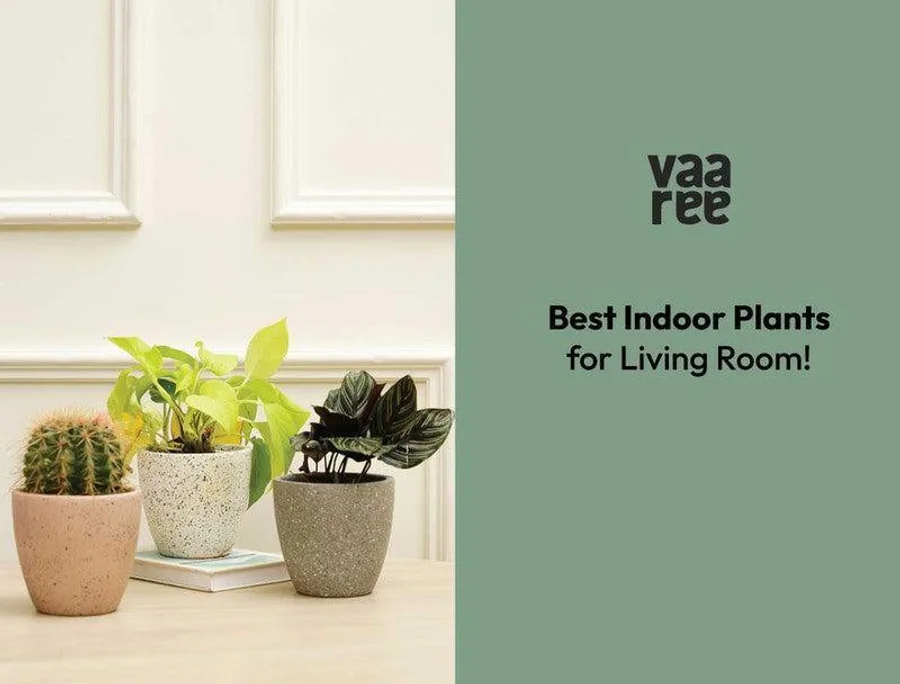
A set of smaller planters can make a console, dining table or floating shelf feel considered without relying on one large statement piece. Arrange them together for a fuller display, or separate them across a shelf with books, frames or small décor accents. A tray beneath a grouping can help protect the surface from watering spills.
For a grouped display, explore these planter options and check product-page dimensions before arranging them:

From ₹399
₹599
32%OFF

From ₹399
₹599
18%OFF
 FastDelivery
From ₹419
₹1,259
69%OFF

From ₹419
₹1,259
69%OFF
2. Add a decorative planter to a side table
A rounded planter can bring softness to a side table in the living room. Pair it with a compact plant and leave enough room for everyday use of the surface. When a planter is not in use, it may also be styled as a decorative holder, provided its care instructions suit the purpose; use a separate suitable bowl or liner for fruit.
3. Keep a desk display simple
A small planter can soften a work desk, bedside table or study shelf without making the surface feel crowded. Use it for a small plant, or mix a planter with a pen holder and other everyday desk pieces for a practical, relaxed arrangement. If you are displaying several planters, vary their placement rather than lining everything up in a row.
4. Use a planter as a decorative vessel
Planter shapes can add interest even when the display is not focused on leafy plants. Some can be used with artificial stems to brighten a bedside table or a quiet corner, while a short indoor plant can create a similarly simple look. Check the product page for dimensions, care guidance and intended use before styling it this way.
5. Bring height to a corner or entrance
A planter arrangement can help give an overlooked nook a clearer purpose. Try one beside a sofa, near a reading chair, at the end of a console or by an entrance, balancing it with the scale of nearby furniture. Consider the plant’s mature size as well as the planter’s dimensions, and leave enough room for comfortable movement around it.
6. Use hanging planters to free up floor space
When surfaces are limited, a hanging planter can add greenery without taking up a table or floor area. Let the plant’s growth habit guide the placement: trailing varieties can frame the display, while more upright plants may suit a nearby shelf instead. Check that the chosen hanging method, wall and planter are suitable for the full planted weight before installing it.
Choosing pots for indoor plants
The best pot depends on both the plant and where you plan to place it. Before choosing, check the product page for dimensions, drainage details, care guidance and what is included. Consider the plant’s current nursery pot, its likely growth, the available light and how easily you can water it without affecting nearby surfaces.
If a decorative planter does not include drainage, use it carefully as an outer cover pot and avoid leaving excess water at the bottom. A saucer, tray or protected surface can also be helpful around furniture.
How to style indoor planters
Start with the room rather than the planter alone. Small groupings work well on shelves and tables, while a single larger arrangement can anchor a corner or entrance. Repeating one planter style in different parts of a room can make the greenery feel connected, and mixing plant heights can keep a display from looking flat.
For an extra decorative touch, pair a planter with books, a candleholder or an accent piece, while leaving enough space for watering and plant care. Keep styling practical: choose a position with suitable light for the plant and check that watering will not damage the surface below.
Common questions about indoor pots and planters
What are the best pots to use for indoor plants?
Choose a pot that suits the plant’s size, watering needs and intended position in your home. Check its dimensions and drainage details, and consider using a saucer or tray to protect nearby furniture from moisture.
Which flower pots are best?
The best flower pot is one that works with both your plant and your space. Consider the plant’s nursery pot, likely growth, drainage needs and the amount of room available on a table, shelf or floor.
How can I decorate my house with flower pots?
Use planters to fill an empty spot on a TV unit, bedside table, dining table, shelf or wall. A single arrangement can anchor an odd corner, while a small cluster can add detail to a console or shelf. There is no single right approach—choose placements that work with your room and plant-care routine.
How do you style indoor planters?
Begin with a plant and pot that suit the available light and surface. For added interest, combine a tabletop planter with books or accent pieces, or create a grouped display with planters of varied heights. Leave enough clear space to water and care for the plant comfortably.
Explore pots and planters
Browse the wider range alongside the placement and sizing ideas above.
Keep exploring