It’s festive time and you are planning to deep-clean your kitchen. It can seem like a cumbersome task, even when you have kitchen organisers, but proper planning can help you complete it with less time and effort. Our kitchen is the heart of the home, where we prepare meals for our loved ones, so it is worth keeping clean and orderly for festivals and everyday use.
Kitchen cleaning can feel like constant work, while deep cleaning is usually done only at certain times of the year. Working systematically, from top to bottom, makes the task more manageable.
Materials Required for Kitchen Cleaning and Organising
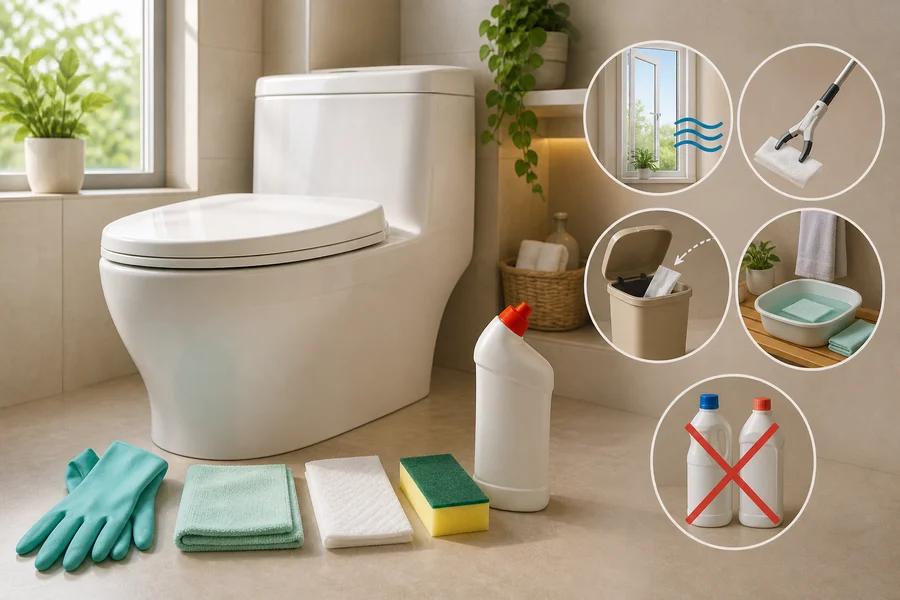
Before you begin, keep clean cloths, a non-abrasive brush, a suitable waste bag and cleaning products approved for the surfaces you are treating. Follow product labels and appliance manuals, ventilate the room as directed, and never mix cleaning products.
13 Effective Kitchen Cleaning Hacks For You
Taking one step at a time can make deep cleaning feel more manageable. Read the instruction manuals before cleaning kitchen appliances, and use methods suitable for each surface.
1. Kitchen Loft
It is helpful to clean the kitchen from top to bottom, beginning with the lofts. Remove items one at a time and set aside things that you no longer use or need. Lofts are often left unattended, so begin with a dry microfiber cloth to remove dust and cobwebs, then wipe the surface with a damp cloth if its finish allows. Let each loft dry before returning the items you plan to keep.

2. Chimney
Chimney filters can collect cooking grease over time. Switch off the appliance and follow the manufacturer’s instructions for removing and cleaning the filters. Use only an approved cleaning method, allow the parts to dry as directed, and reattach them correctly before use.

3. Kitchen Racks And Organisers
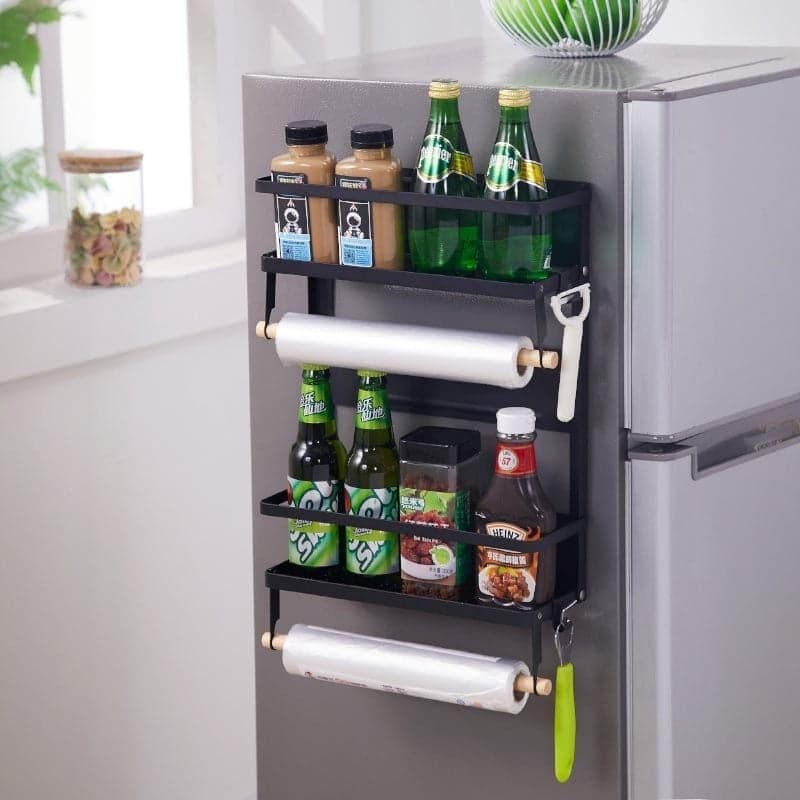
Before placing utensils back on shelves, make sure the kitchen racks and storage organisers are clean too. Dust them with a dry cloth first, then use a damp microfiber cloth where appropriate. For marks that remain, use a cleaner approved for the organiser’s material and follow its care instructions. Dry racks and organisers thoroughly before putting kitchen accessories back in place.

4. Kitchen Cabinets
Kitchen cabinets are important for keeping pantry items and utensils easy to find. Clear one cabinet at a time, remove loose crumbs and debris, then clean the interior and exterior using a method suitable for the cabinet finish. Warm soapy water and a non-abrasive cloth may be appropriate for some finishes, but check the manufacturer’s care guidance before tackling oil residue or stubborn stains. A hand vacuum can help remove dry debris from corners.

5. Kitchen Countertops
Kitchen countertops are used for cooking and preparation, so wipe spills and food residue as soon as possible. Use a damp microfiber cloth for everyday cleaning. For tougher marks, choose a cleaner and non-abrasive scrubber suitable for your countertop material; some natural stone and engineered surfaces need particular care. Finish by wiping the surface clean and drying it as directed.

6. The Sink
Remove food debris before washing utensils so it does not build up in the sink or drain. Clean the sink with a method suitable for its material, then rinse and dry it as directed. If the drain is blocked, follow plumbing and cleaner instructions carefully, and do not mix cleaning products.

7. Other Appliances
Every kitchen appliance needs a cleaning routine that suits its design. This may include a mixer grinder, vegetable chopper, juicer, water purifier, induction cooktop, toaster, sandwich maker, coffee maker, air fryer, electric kettle or hand mixer. Read the instruction manual before cleaning any electrical or non-electrical appliance, and follow the specified guidance for removable parts, electrical components and vents.
8. Cleaning The Faucets
Kitchen faucets need regular attention, particularly where mineral deposits are common. Wipe the faucet with a microfiber cloth after use when possible. For deposits that remain, use a method appropriate for the faucet finish and the manufacturer’s guidance rather than an abrasive cleaner.

9. The Flooring
Kitchen flooring can collect grease, spills and food debris. Remove loose debris first, then clean the floor with a product and method approved for that flooring type. Avoid acidic cleaners on acid-sensitive stone, and allow the floor to dry before walking on it.

10. Oven and the Microwave
Let the oven or microwave cool fully before cleaning, and follow the appliance manual. Use only approved cleaners and accessories, avoid electrical components and vents, and do not rely on household ingredients unless the manufacturer permits them. Follow the dishwasher’s own cleaning guidance separately.

11. The Refrigerator
Follow the refrigerator manual for cleaning and power isolation. Keep perishable food appropriately chilled while shelves are removed. Check food items as you empty the refrigerator and discard anything that is no longer suitable to keep. Let shelves reach a suitable temperature before washing, dry them as directed, and return them to their correct positions. Containers can help keep food categories organised; check their dimensions and care instructions before choosing them.

12. Cleaning The Utensils
Kitchen cleaning also includes washing utensils, especially pieces that have not been used for a long time. Check whether an item is suitable for a dishwasher before placing it in one; otherwise, wash it according to its material and care instructions. Before returning utensils to a rack or cupboard, make sure the storage area is clean and dry.

13. The Cutting Board
The cutting board is an everyday food-preparation tool and should be cleaned after use according to its material and maker instructions. Keep boards used for raw foods separate as appropriate, and dry them thoroughly before storing. Replace a board with persistent mould, deep damage or wear that prevents thorough cleaning.


To Summarise
A systematic kitchen-cleaning routine can help you work through each corner, cabinet and appliance without feeling overwhelmed. Start at the top, clear clutter as you go, and use surface-appropriate cleaning methods. Regular small clean-ups can make the next deep-cleaning session easier.
Keep exploring