
 FastDelivery
₹539
₹680
21%OFF

29 Products
FastDelivery₹539
₹680
21%OFF
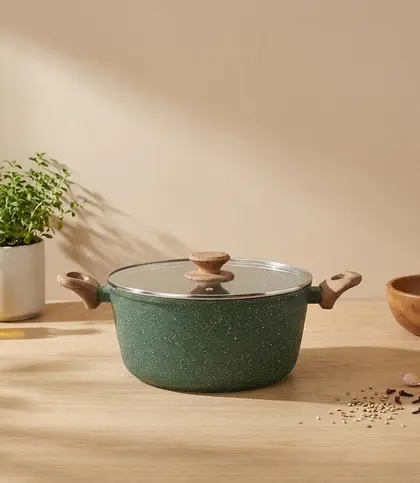
₹2,149
₹3,069
30%OFF
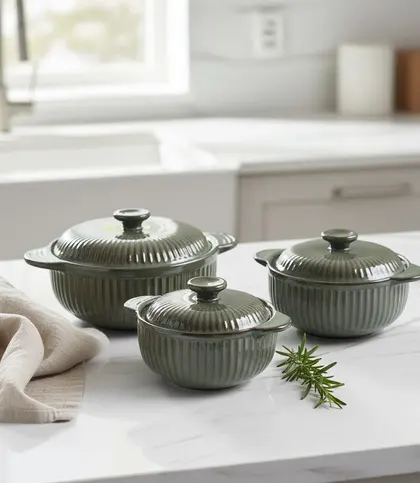 FastDelivery
₹4,550
₹6,000
24%OFF
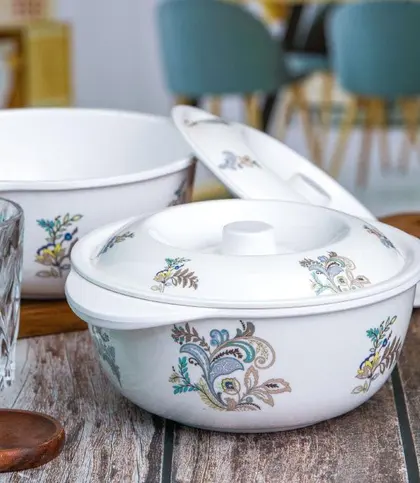
₹1,070
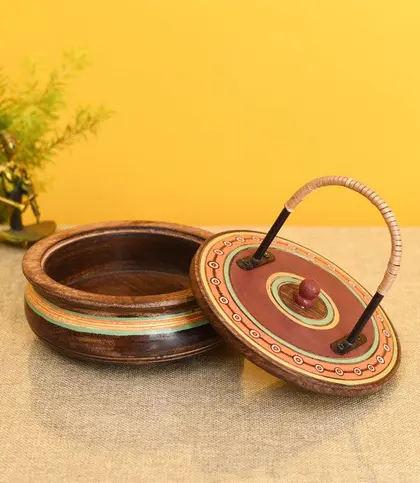 FastDelivery
₹1,947
₹2,849
32%OFF
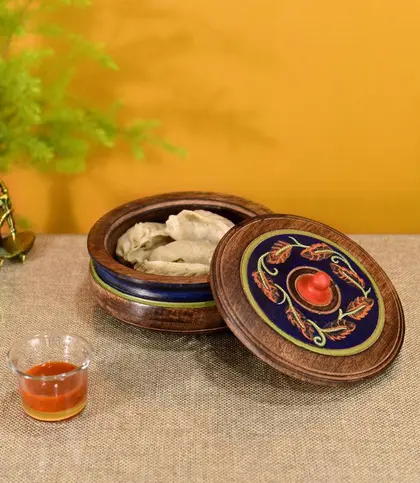
₹1,852
₹2,709
32%OFF
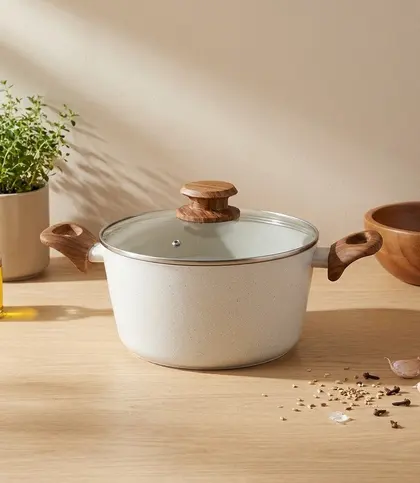
₹2,149
₹3,069
30%OFF
 FastDelivery
₹1,299
₹1,516
14%OFF
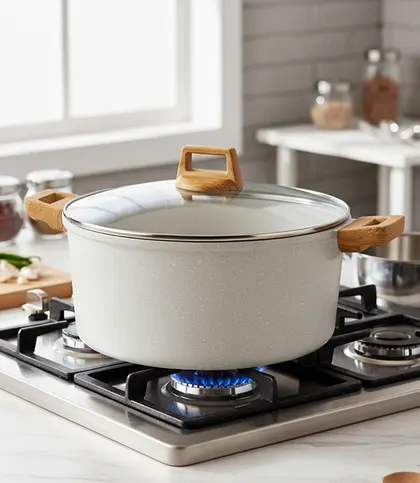
₹2,699
₹3,345
19%OFF
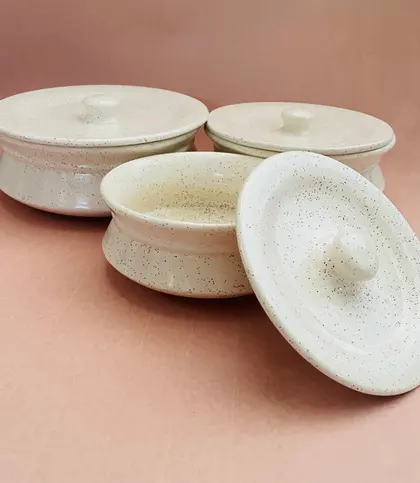 FastDelivery
₹1,729
₹2,250
23%OFF
₹2,616
₹3,270
20%OFF
 FastDelivery
₹1,199
₹1,550
23%OFF
₹2,449
₹3,449
29%OFF
₹5,620
₹7,025
20%OFF
₹2,248
₹2,810
20%OFF
₹2,092
₹2,615
20%OFF
₹5,129
₹6,840
25%OFF
₹1,070
₹2,149
₹3,069
30%OFF
 FastDelivery
₹1,049
₹1,070
2%OFF
A casserole can make an everyday meal feel ready for the table. Bring rotis to a family dinner, serve sabzi alongside rice, or present a dish for guests without transferring it to another bowl. The key is to choose by what you want the casserole to do: hold and serve prepared food, cook on a hob, or go into an oven. Those are different jobs, even when the vessels look similar.
Vaaree’s casserole collection brings practical kitchen choices together with pieces that look at home in the dining room. As you browse, start with the meals you serve most often, then check each product’s stated capacity, dimensions, materials and use instructions. That approach is more helpful than choosing on appearance alone—and makes it easier to find a piece you will reach for regularly.
Think about the dish before you think about the number of people at the table. A portion of dry sabzi, a generous serving of dal and a stack of rotis all occupy a vessel differently. If a capacity is listed, compare it with the amount you normally prepare; leave room to lift food out comfortably rather than planning to fill the casserole to its rim.
External dimensions matter too, especially if the casserole needs to fit on a crowded dining table or inside a particular cupboard. Capacity does not tell you how wide the opening is or how much space the handles take up, so check both measurements when they are provided.
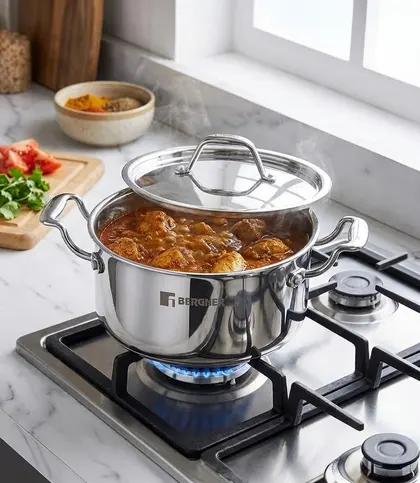
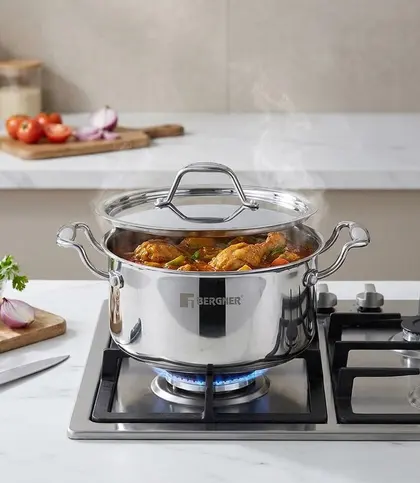
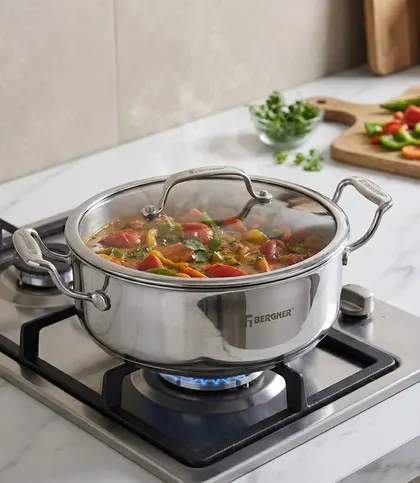
An insulated serving casserole is chosen to hold prepared food while you bring it to the table. A cooking or baking casserole must be designed for the heat source you intend to use. Do not assume that a vessel can move from hob or oven to table simply because it is called a casserole. Read the individual product details for its intended use before buying.
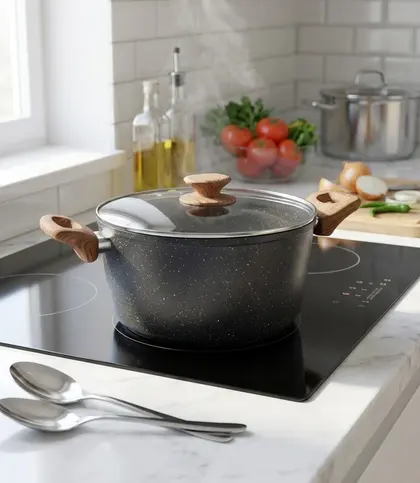
Materials can help you narrow the look and feel you prefer, but they do not establish appliance compatibility on their own. Stainless steel, aluminium and triply options can appeal to shoppers seeking a familiar kitchen aesthetic; check the construction and instructions of the particular piece before using it on a gas hob or another cooktop. Ceramic and glass can make an elegant serving presentation, but only use a specific dish in an oven or microwave if its instructions explicitly allow it. Wooden details lend warmth to a rustic table; they are not a reason to assume a piece is suitable for cooking.
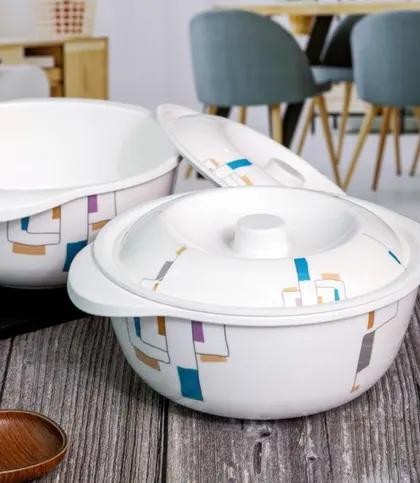
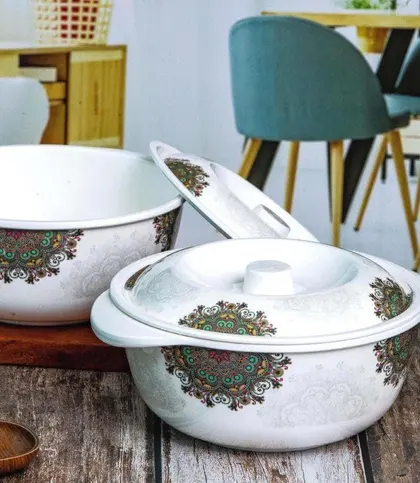
Melamine can be a choice for tabletop presentation. Melamine dinnerware must not be used for microwave heating or cooking. If you need to reheat food, use a separate vessel suitable for that appliance, then transfer the food for serving. This distinction is especially useful when a casserole combines different materials in its body, lid or handles.
A good fit is about more than capacity. Picture a typical meal: where will the casserole sit, who will pass it, and how often will someone open the lid? These questions bring small design details into focus.
If your main need is to present an already-prepared dish and you do not need a lid, explore serving bowls as another table-ready option. If your priority is portioning food for storage rather than serving a meal, compare dedicated 1 L containers or 2 L containers instead.
A casserole occupies a visible place in the meal, so its finish can be as considered as the plates around it. Silver tones sit comfortably with everyday steel tableware; white can create a quieter backdrop for colourful food. Brown or wood-accented pieces bring warmth, while black or green can add contrast to a simple dining setup. Choose a look you will enjoy using for an ordinary lunch, not only when guests arrive.
For a coordinated table, consider the casserole alongside the bowls and serving utensils you already own. It need not match everything exactly: repeating one colour or material is often enough to make the setting feel intentional. When shopping for a household that hosts often, it is worth thinking through how several dishes will sit together so that lids and handles do not compete for space.
Start with the quantity of the dish you normally serve, then compare it with the product’s stated capacity. Check the dimensions as well: two vessels with similar capacities can have very different openings and depths. Allow space to serve food comfortably.
No. A serving casserole is intended for presenting prepared food, while an oven dish must be specifically suitable for baking. Some products may have more than one use, but you should rely on the instructions for the individual piece—not its name or material alone.
Only if the specific product’s instructions permit the intended appliance. Check the body, lid and any separate components before use. Melamine dinnerware must not be used for microwave heating or cooking.
Confirm that a lid is included, look at its handle or knob, and consider how easily it can be lifted during a meal. If you need an airtight container, verify that the seal is expressly stated; a covered serving vessel is not necessarily airtight.
Vaaree is a destination for curated, premium, pretty home products. Browse casseroles with both your daily routine and dining style in mind, then use the individual product details to choose a piece suited to your intended use.