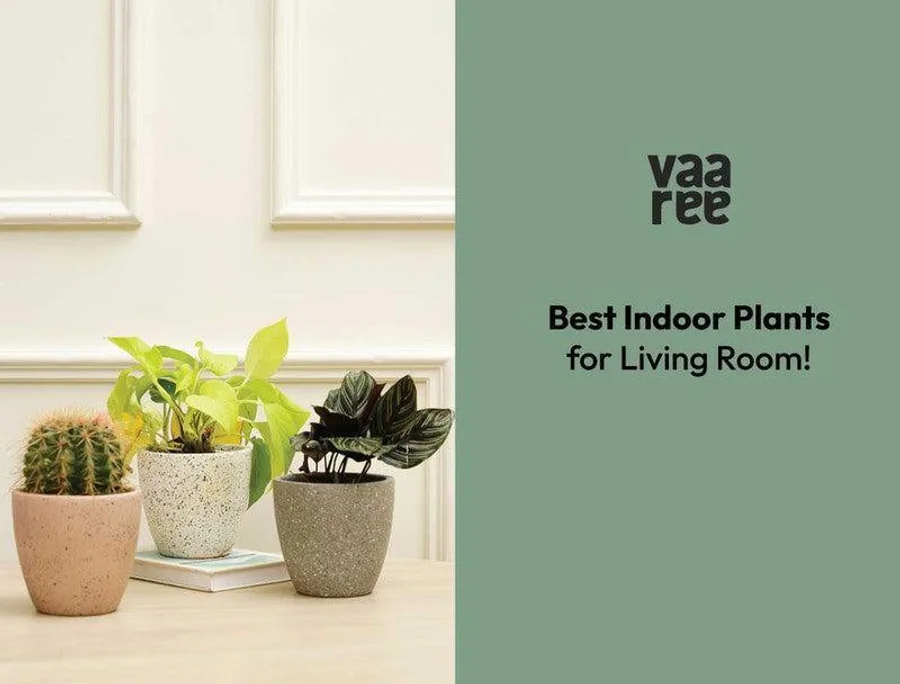
Furniture, upholstery and decor items are common features in every living room. Indoor plants can add another layer of height, texture and colour to the setting. Here are 10 living room plant ideas, organised by where they can make the strongest decorative impact.
Tall plants for a living room corner
1. Areca palm
An areca palm can bring a relaxed, tropical note to a spacious corner. Give a taller plant enough room to sit away from busy walkways, and make sure there is practical access for watering and routine care. Check the plant’s current size, light needs and care guidance before choosing a spot.
2. Monstera
Large, distinctive leaves can make a monstera a focal point in a bohemian or contemporary living room. Use it to soften an empty corner or balance a substantial piece of furniture, while leaving room for the plant to grow and for its leaves to spread.

3. Ficus alii
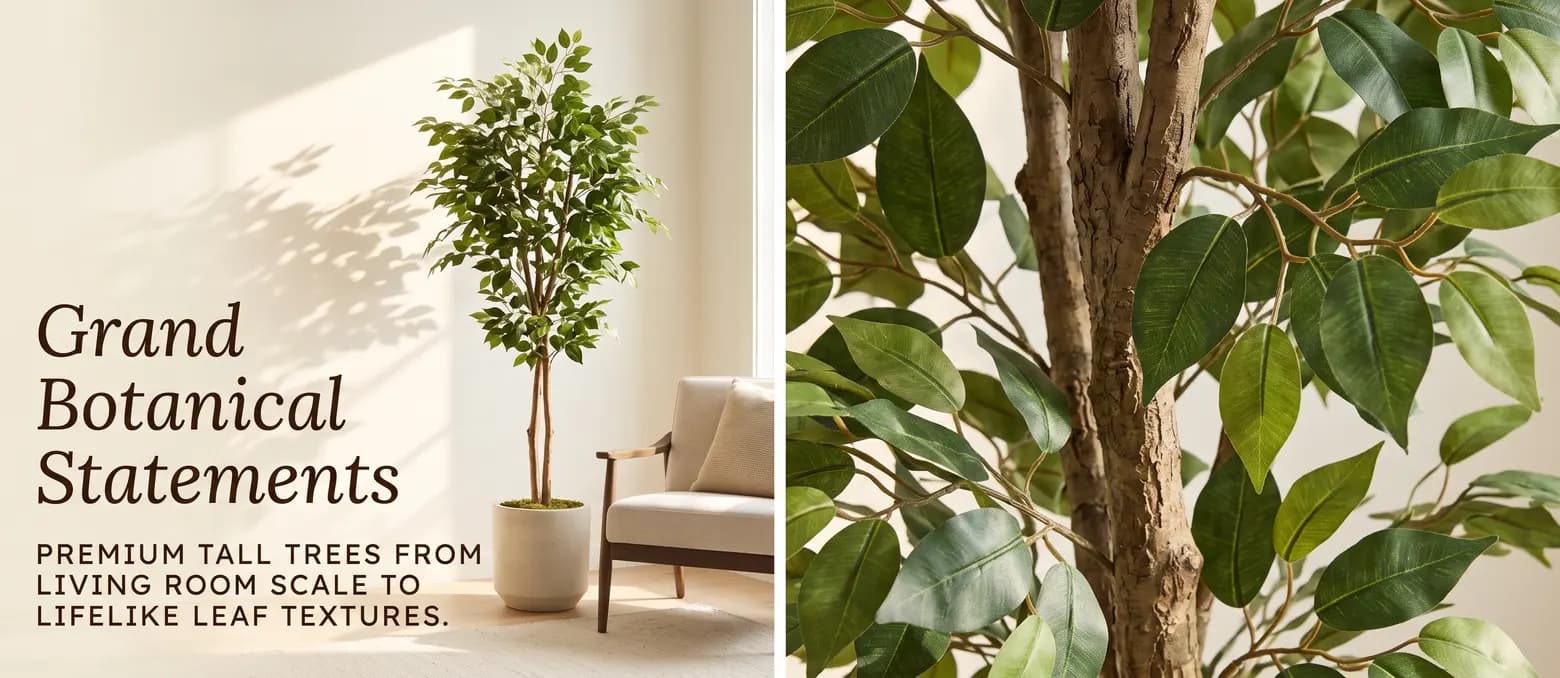
A ficus alii can offer a more vertical silhouette than broad-leaved plants, making it worth considering beside a sofa, console or open corner. Choose a stable planter and review the plant’s light, watering and pruning requirements before settling on a permanent position.

Small plants for tabletops
4. Jade
A jade plant can make a neat addition to a console, side table or coffee table. It is often associated with prosperity in Vastu traditions. Keep the display simple, choose a stable planter and leave enough room around it for everyday use of the surface.
5. Echeveria Pegasus
Succulents such as echeveria can work well in a small tabletop arrangement. Grouping a few compact plants together can create an intentional centre-table display; just ensure each plant receives the light and care it needs rather than treating the arrangement as purely decorative.
6. Anthurium
Anthuriums are often chosen for their bold foliage and blooms, which can introduce a lively accent to a quieter room. Use one as a considered focal point on a sideboard or console, and check the particular plant’s light and watering guidance before placing it.

7. Chinese money plant
The round leaves of a Chinese money plant give a tabletop arrangement a softer, graphic look. It is also associated with fortune in some Feng Shui traditions. Try it on a shelf, desk or side table where its form can be appreciated without crowding the space.

Hanging and wall plant ideas
8. Fern
A fern can add fullness to a hanging display or elevated shelf. Place it where watering is manageable and where the support is securely fixed. Light and moisture preferences vary by fern type, so check the specific plant’s care instructions before choosing its location.
9. English ivy
Trailing foliage can bring movement to a wall shelf or high planter. If you choose English ivy for this look, allow room for its growth and keep the plant’s household suitability and care needs in mind before placing it within reach of children or pets.
10. String of pearls
String of pearls is well suited to a hanging planter or a high shelf where its trailing stems can be seen. A macramé hanger on either side of a curtain can create a distinctive framing detail, provided the fixture is secure and the plant can be cared for safely.

Before choosing a living room plant
Consider the light your room actually receives, not just how bright it appears at one time of day. Also check the mature size, watering routine, drainage needs and care requirements for the specific plant. If children or pets may have access to the plant, verify its suitability with a reliable plant-specific source before bringing it home.
For greenery that suits your preferred maintenance level and display style, browse live and artificial options.

Frequently asked questions
1. Why consider indoor plants in a living room?
Plants can add visual interest, texture and a sense of softness to a living room. They can also help define an empty corner, make a tabletop arrangement feel more layered or bring attention to a shelf. Choose them for the decorative effect and care routine you can realistically maintain.
2. What are the best plants for low-light living rooms?
There is no single best choice because “low light” can mean very different conditions. Observe how much natural light the location receives across the day, then check the care guidance for a specific plant. Avoid assuming that any plant will thrive in a room with little or no natural light.
3. Are there plants that are easier for beginners?
Start with a plant whose light and watering needs fit your routine and room. A small plant can be easier to position and monitor than a large floor plant, but every species has its own requirements. Review the product-page care details and check its current size before buying.
4. What plants are safe for pets and children?
Plant safety depends on the exact species and on your household. Do not rely on a general “pet-safe” or “child-safe” label for a decorative category. Identify the plant accurately, consult a reliable species-specific source and keep plants out of reach where appropriate.
5. Can indoor plants improve air quality?
Plants can make a room feel more inviting, but they should not be treated as a replacement for ventilation, cleaning or an air purifier where one is needed. Choose a plant for its appearance and the care you can provide, and maintain healthy indoor-air practices separately.
Keep exploring