Quick Answer
The best garden decor ideas start with the space, not a trend. Measure the usable area, note sun, wind and monsoon exposure, choose the main use, then add seating, planters, lighting and accents in that order. Keep one clear route, use stable and maintainable pieces, and add decorative layers only after the layout works.
Definitions
Usable floor area
The part of an outdoor space available for decor after excluding doors, drains, utility access, railings, plant beds and the clear route needed for movement.
Exposure
The outdoor conditions a decor item experiences, including direct sun, shade, wind, rain, monsoon moisture, dust and watering splash.
Movement clearance
The unobstructed space needed to walk safely, open doors, reach plants, access drains and move furniture when required.
Phased plan
A buying approach that adds essentials first, then comfort and decorative pieces after the layout, maintenance effort and budget are clear.
Start with the Outdoor Zone, Space and Main Use
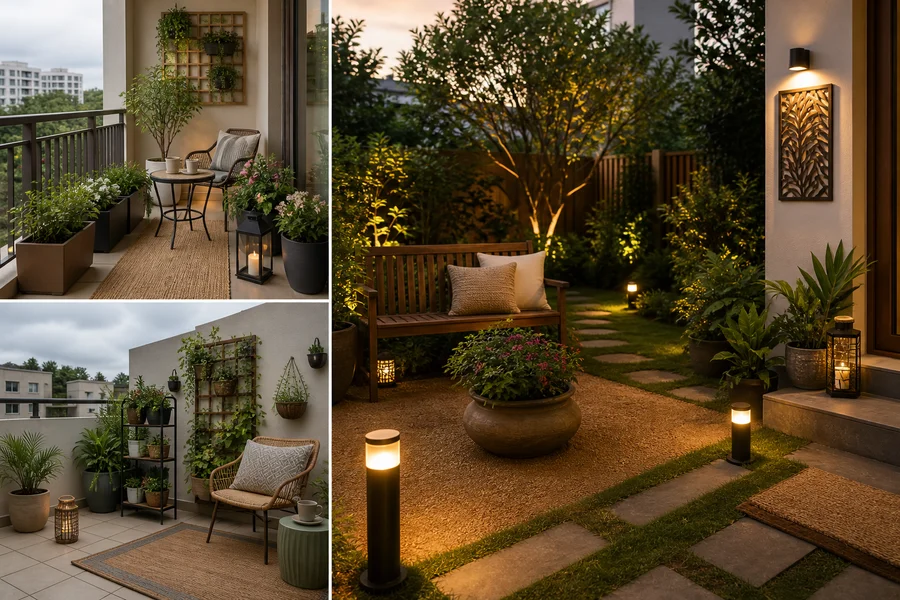
Treat a garden, terrace and balcony as different outdoor zones, even when they belong to the same home. First identify the zone and classify its size as small, compact, medium or large. Then measure the area you can actually use after allowing for doors, stairs, drains, railings, taps, existing plants and utility access.
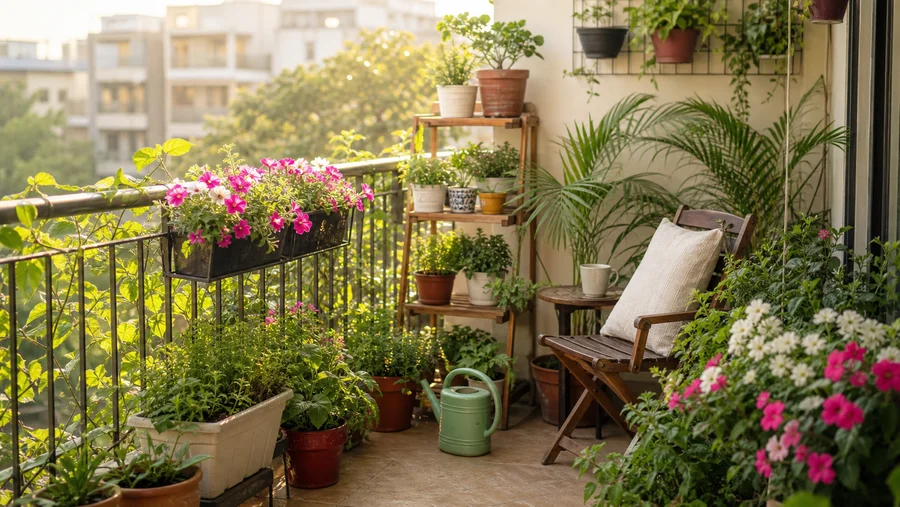
Choose one primary purpose: sitting, plant display, entry use, entertaining or evening relaxation. A secondary purpose is fine if it is compatible, but trying to make every corner do everything usually creates clutter. In a garden, plan for a seating destination, an entry path and one planting focal point. On a terrace, prioritise pieces that can be moved when weather or maintenance needs change. On a balcony, make corners, walls and vertical height work harder than the floor.
Once the functional plan is clear, choose a restrained style direction such as natural, bohemian, modern, minimal or rustic. Repeating two or three materials or colours is usually more effective than adding many unrelated accessories.
- Mark the door swing, drain covers and the route used for watering before placing any decor.
- Keep access to railings, taps and service areas open.
- Start with the largest functional need rather than buying small decorative objects first.
Garden Decor

₹422
₹999
58%OFF
₹1,899
₹2,999
37%OFF
 FastDelivery
₹900
₹3,999
77%OFF

₹1,424
₹2,495
43%OFF
 FastDelivery
₹4,393
₹5,999
27%OFF
 FastDelivery
₹119
₹175
32%OFF
From ₹1,567
₹3,199
50%OFF
From ₹1,831
₹2,999
41%OFF
Outdoor & Balcony Finds
 FastDelivery
₹89
₹479
81%OFF
 FastDelivery
₹621
₹1,399
56%OFF
 FastDelivery
₹5,220
₹12,199
57%OFF

₹949
₹1,199
21%OFF
 FastDelivery
₹291
₹3,999
93%OFF
 FastDelivery
₹1,834
₹5,391
66%OFF

₹945
₹1,195
21%OFF
FastDelivery₹900
₹3,999
77%OFF
Arrange Seating, Planters and Pathways Without Blocking Movement
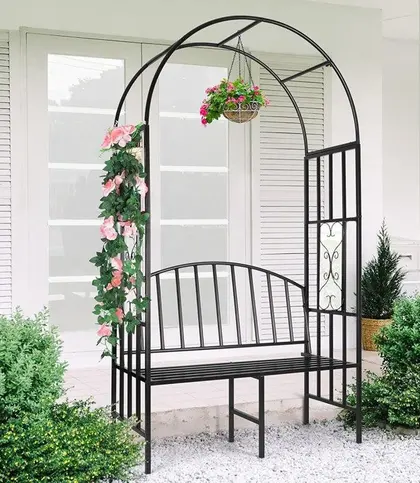
Place seating where it supports the main use without obstructing a doorway, stair, drain, railing or watering route. A garden bench can create a destination in a larger outdoor area, while a compact chair or movable stool may suit a narrow terrace better. Test the footprint with existing furniture, cartons or empty pots before committing to a new layout.
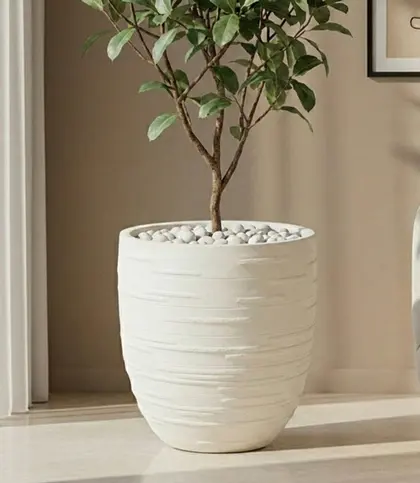
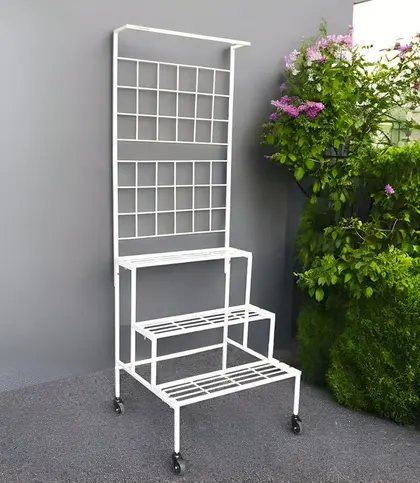
Use planters to frame an edge, corner or seating zone rather than scattering them through the walking line. Raised and tiered displays can give plants more presence in a compact balcony while preserving floor space. A focal piece, such as seating combined with planting, works best only when there is still enough room to pass comfortably around it.
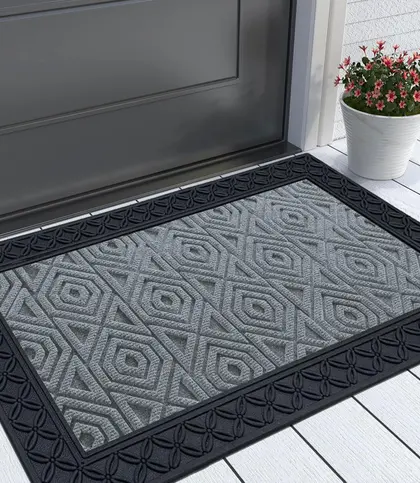
At an entrance, a clearly defined path or outdoor mat can help separate the arrival area from the planting zone. This is particularly useful where wet footwear and monsoon splash may make surfaces slippery. Keep heavier pieces stable, and do not leave unsecured objects where strong wind could shift them.
- Keep the clearest route between the door and the main outdoor destination.
- Group plants in one or two deliberate clusters.
- Place taller displays against a secure wall or in a protected corner, not in the middle of circulation.
FastDelivery₹5,220
₹12,199
57%OFF
₹1,899
₹2,999
37%OFF
 FastDelivery
₹2,415
₹5,999
60%OFF
₹559
₹1,299
57%OFF
Use Lighting for Ambience and Safe Movement After Dark
Plan outdoor lighting in layers. Start with the route: the entrance, steps, level changes and the areas around furniture or watering equipment. After that, add a softer glow near seating or a plant display to make the space feel welcoming in the evening.
Movable lanterns and compact lights can suit renters and small spaces because they allow flexibility without a permanent alteration. Check that any light is intended for outdoor placement, and follow the product’s installation, charging, electrical and weather guidance. A decorative lantern should not be assumed to be suitable for every exposed condition.
Keep flames, hot surfaces, loose cables and glass items away from children, pets, dry foliage and windy edges. Avoid glare into neighbouring homes, and position lighting so it reveals rather than conceals steps, thresholds and uneven flooring.
- Light changes in level before highlighting accessories.
- Use low, indirect ambience near a seating zone after the route is visible.
- Move portable lights indoors or to protected storage when the product guidance or weather conditions call for it.

₹997
₹1,450
31%OFF
Outdoor Lamps

₹1,394
₹3,018
54%OFF

₹2,138
₹3,469
38%OFF

₹809
₹1,100
26%OFF
 FastDelivery
₹899
₹1,350
33%OFF

₹1,394
₹3,018
54%OFF

₹1,255
₹3,018
58%OFF

₹944
₹1,499
37%OFF

₹1,441
₹4,999
71%OFF
Match Materials and Accessories to Indian Outdoor Conditions
Exposure should guide every selection. For full sun, look for manageable weight, easy cleaning and clear product guidance about outdoor placement. Add shade where possible rather than relying on a material name alone. In monsoon-prone areas, prioritise drainage, raised placement and surfaces that can be wiped or dried, while storing movable textiles and accessories when conditions are persistently wet.
Windy terraces and balconies call for stable, weighted or securely positioned pieces. Avoid tall, light objects close to exposed edges. Metal, ceramic, terracotta, wood, stone, polymer and natural-fibre accessories each have different trade-offs around weight, drainage, corrosion, fading, cracking and cleaning, so check the care instructions for the exact item.
Natural fibres such as jute and coir need more attention in consistently wet spaces unless product information says otherwise. Around children and pets, reduce risk by avoiding sharp edges, unstable stands, loose cords and small detachable parts. Keep planters clear of watering splash where possible, and ensure drainage does not damage the floor or affect neighbours below.
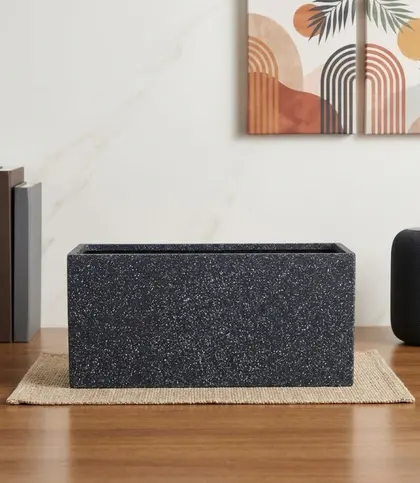
- Choose a planter that you can safely move, clean and position away from drains.
- Use trays or other suitable protection where water runoff could affect the surface below.
- Inspect outdoor accessories periodically for cracking, rust, waterlogging or instability.
From ₹1,567
₹3,199
50%OFF
Plan Garden Decor in Phases for Renters and Different Budgets
Build the outdoor space in phases. Begin with the essentials: one functional seat or an existing chair where sitting is needed, a practical planter, an entry mat and one movable light. Suitable household containers can be reused, but only after checking drainage, stability, material condition and likely weather exposure.
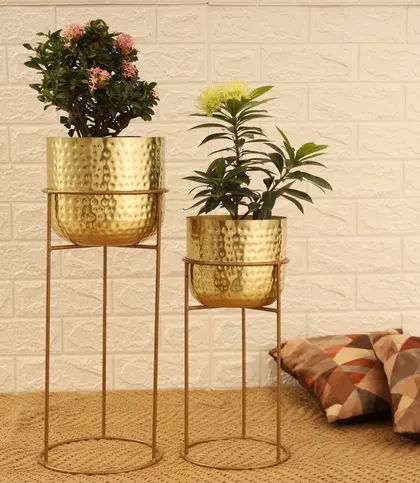
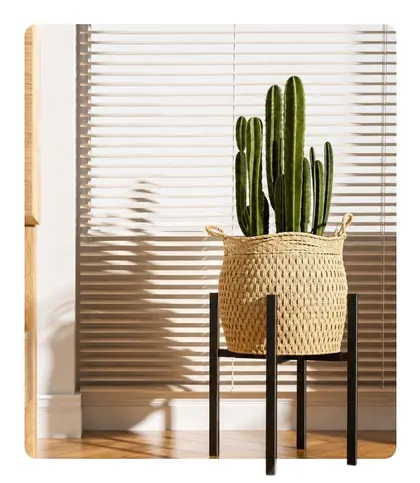
When the movement route has been tested, add comfort pieces such as a coordinated planter pair, plant stand, small outdoor table or a modest lighting cluster. For a larger garden or terrace, a focal seating piece can come next, followed by wall accents and accessories. This order prevents a decorative collection from taking over the usable area.
Renters can favour freestanding planters, movable seating, removable hooks where appropriate, leaning or freestanding wall decor, and rechargeable or plug-in lighting that does not require structural changes. Keep a small maintenance allowance for cleaning, protective storage, plant trays, replacement bulbs and seasonal repositioning.
- Essential phase: solve seating or entry needs, plant placement and movement.
- Comfort phase: add a stand, table or coordinated grouping after testing the layout.
- Finishing phase: introduce accents only when drainage, storage and clearances are already resolved.
Reuse Existing Items Without Creating Clutter
Reuse works best when it creates a clear grouping rather than adding more individual objects. Arrange existing planters by height, colour or material to form one intentional display. A sturdy tray can hold a small cluster of plants or watering accessories if it tolerates moisture and is easy to clean.
An existing stool or side table can become a plant stand only when it is stable, can handle the load and is protected from drainage. A suitable basket or container can store small accessories in a dry, low-traffic spot. Do not use reused items merely because they are available; every object still needs a purpose and a safe place.
Keep reused decor away from drains, railings, electrical points and children’s play routes. Remove anything cracked, rusted, sharp-edged, waterlogged or too light for local wind conditions.
- Limit each zone to one reused display or storage function.
- Use height variation instead of adding more objects.
- Check every reused item after heavy rain or seasonal weather changes.
Final Zone-by-Zone Garden Decor Checklist
Before buying, pause at the exact zone where the item will sit and check whether it solves a real need. The smallest complete plan is often the most successful: one clear route, one functional seating or entry element where needed, a controlled plant grouping and lighting that supports movement.
Choose movable, stable and maintainable pieces when renting, weather exposure, children, pets or budget make the decision less certain. Decorative accessories should be the final layer, not the starting point.
- Zone: Is this a garden, terrace, balcony, entrance or seating corner?
- Space: Have you measured usable dimensions and walking clearances?
- Use: Will the zone mainly support sitting, entertaining, plant care, entry or evening relaxation?
- Exposure: Will it receive sun, shade, wind, rain, monsoon splash, dust or frequent watering?
- Safety: Could the item tip, create a trip hazard, block a drain, break or be easily reached by children or pets?
- Maintenance: Can it be cleaned, drained, dried, moved or stored as conditions change?
- Renter fit: Can it be used without permanent alteration and taken along later?
- Cohesion: Do the materials, heights and colours suit the chosen style direction?
Garden Decor Ideas: Frequently Asked Questions
These practical answers can help you adapt the same planning method to a garden, terrace or balcony. Product suitability depends on the exact location, exposure, clearances and care guidance rather than on one universally best material or decor style.
Final Verdict
- Choose the smallest complete plan that supports the outdoor space’s main purpose: a clear route, controlled plant grouping, useful seating or entry element where needed, and lighting for movement.
- For exposed, rented or compact spaces, prioritise stable, movable and easy-to-maintain decor before adding accents.
- Add decorative layers only after checking drainage, weather exposure, storage needs and movement clearance.
FAQs
Which decor elements suit a garden, terrace, or balcony?
Gardens usually have room for a seating destination, a path and a planting focal point. Terraces benefit from movable seating, grouped planters and lighting that can adapt to changing weather. Balconies work best with corner planters, raised or vertical displays, a compact seat and a clear central walking route.
How should garden decor change for full sun, shade, wind, or monsoon exposure?
Assess the exact exposure before choosing pieces. In full sun, favour manageable, easy-to-clean items and provide shade where possible. In monsoon conditions, focus on drainage, raised placement and storage for movable textiles. In wind, use stable pieces and avoid tall, light decor near exposed edges. Check individual care guidance rather than assuming a material suits all weather.
How can I decorate a small outdoor space without restricting movement?
Keep one unobstructed route from the door to the farthest usable point. Group planters at an edge or in a corner, use vertical height rather than extra floor objects, and choose one primary focal point. Test furniture positions with existing stools or cartons before buying.
Which materials are practical for year-round outdoor use in India?
No single material is ideal for every Indian outdoor setting. Consider weight, drainage, cleaning, corrosion, fading, cracking and storage needs for the exact item. Metal, ceramic, terracotta, wood, stone, polymer and natural fibres all require different levels of care depending on sun, rain, wind and watering exposure.
How can lighting improve ambience and safe movement after dark?
Light entrances, steps, level changes and routes first. Then add softer, lower-level light near seating or plant displays for ambience. Control glare, keep cables and hot surfaces away from hazards, and follow the light’s guidance for outdoor use and weather exposure.
How can renters add garden decor without permanent installation?
Choose freestanding planters, movable seating, portable lights, removable hooks where suitable, and leaning or freestanding wall accents. These options can be rearranged or taken to a future home without altering the structure. Always preserve access to drains, railings and utility points.
How should garden decor be arranged around children, pets, and watering areas?
Reduce risk by keeping sharp, breakable, hot or unstable items out of easy reach. Avoid loose cords and small detachable components, secure or relocate tip-prone displays, and leave watering routes open. Place planters so drainage and splash do not create slippery surfaces or affect lower floors.
How can I reuse existing planters and household items as garden decor?
Group existing planters by height or colour for a deliberate display. Reuse trays for small plant clusters or watering accessories only when they tolerate moisture, and turn a stable stool into a plant stand only after checking its load capacity and drainage protection. Discard items that are cracked, rusted, waterlogged or unstable.
Keep exploring