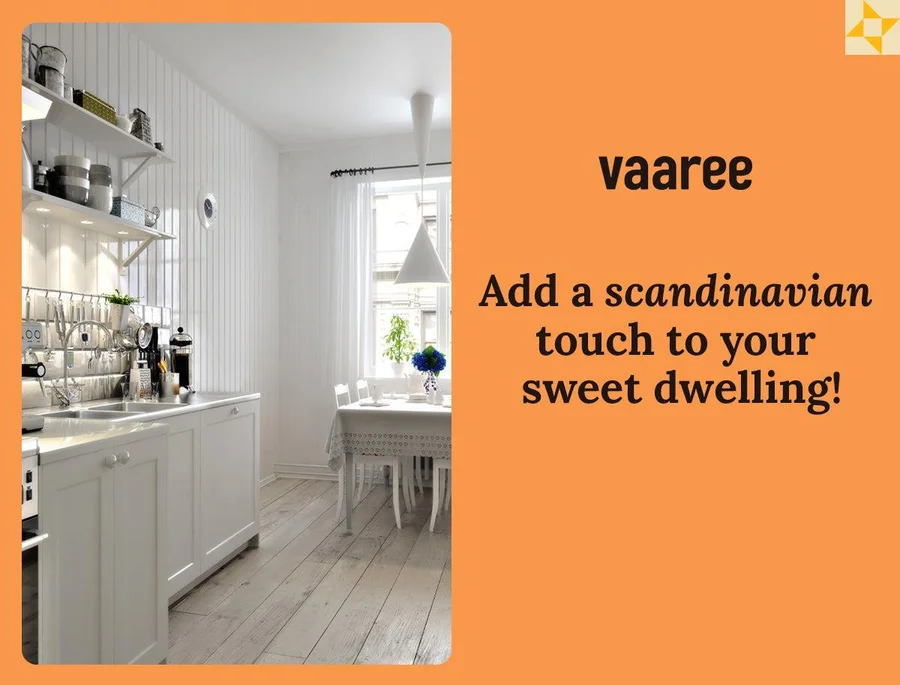
What is Scandinavian interior design style all about? The name “Scandinavian” generally refers to countries like Norway, Sweden and Denmark. The word “Nordic” includes five northern countries: Norway, Sweden, Denmark, Iceland and Finland. Scandinavian interior design is closely associated with Nordic design traditions and is often nature-inspired, practical and suited to darker winter seasons.
Scandinavian interiors are mainly characterised by clear lines, decluttered designs, neutral tones, natural light, functional accent furniture and rich textiles that add warmth. Though the designs have evolved over time, the key elements remain recognisable. They bring form and function together naturally.
Going Down the Memory Lane
Scandinavian design developed through the 20th century and remains popular for its cosy simplicity. Although it is influenced by design traditions in Sweden, Finland, Denmark, Iceland and Norway, its principles are now adopted across the world. Its emphasis on warm, inviting interiors reflects the long, cold winters experienced in many Nordic regions.
Three words that define Scandinavian design style are simplicity, minimalism and functionality. Scandinavian design gained wider recognition in America through the Brooklyn Museum exhibition Design in Scandinavia. It also drew attention during the 1950s and 1970s through the Lunning Prize, which recognised talented Scandinavian designers.

Why Scandinavian Design Is So Popular
The natural question that comes to mind is why Scandinavian interior design remains so popular. Its appeal lies in its versatility: clean lines, restrained colour palettes and practical furnishings can work with homes of different ages and styles.
The concept of clean lines, neutral tones and natural light is widely adaptable. Even when a home is not entirely Scandinavian in style, a few of these elements can create a calm, uncluttered and welcoming atmosphere. If you are looking for a cosy space with functional wooden elements and carefully chosen decor, this style can be a useful starting point.
Scandinavian design also has nuances similar to mid-century design. A broad distinction is that Scandinavian rooms often favour lighter hues, while mid-century interiors may use deeper tones and stronger contrasts.
Key Elements
1. Minimalism
Scandinavian interior design is influenced by minimalism and simplicity. It focuses on a clutter-free ambience and clean lines, using a considered number of elements rather than filling every surface. The principle of “less is more” encourages rooms to include what is useful or meaningful, with decor chosen deliberately.

2. Incorporating Neutral Tones
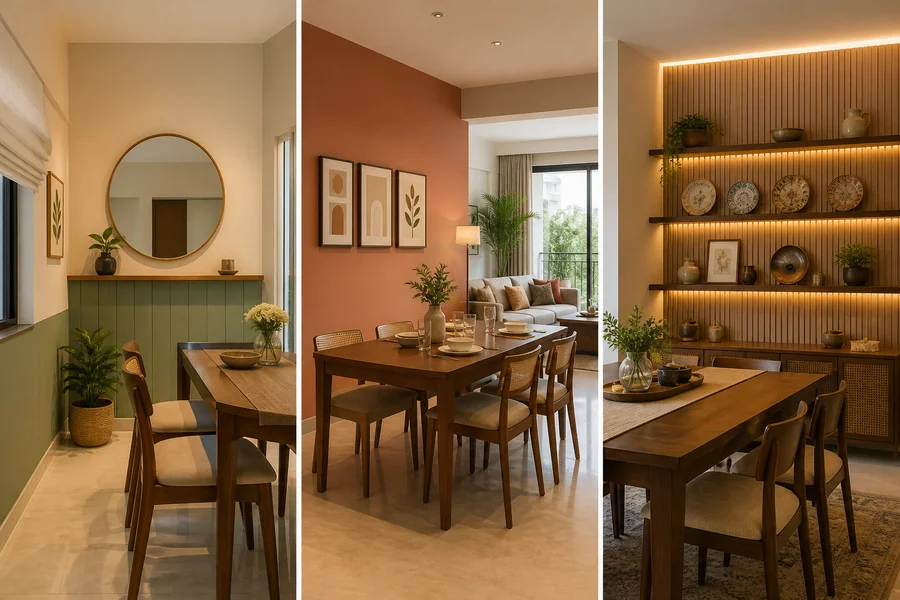
Scandinavian interiors often limit the palette to a few hues. Light neutrals such as ivory, off-white, beige, cream and light grey are common, with pale blue or muted green used as occasional accents. A restrained palette need not feel plain: contrast can come through artwork, textiles and functional pieces.

3. Natural Light
Natural light and fresh air are central to Scandinavian interiors. In regions with long, dark winters, lighter walls and reflective surfaces can help a room make the most of available daylight. Keep window areas visually open where possible, and use layered lighting for evenings.
4. Functionality
Functionality is a core element of a Scandinavian home. Each piece should serve a purpose, whether it provides seating, storage, light or a useful surface. Thoughtful layouts and practical furnishings help create a space that is comfortable to live in rather than merely decorative.

5. Use of Natural Materials
Wood is commonly associated with Scandinavian homes, whether through flooring, furniture, ceiling details or smaller accents. Brick and stone can also introduce texture. Pair pale walls and wood tones with a darker accent piece if you want a little contrast without overwhelming the room.

6. Welcoming Nature Indoors
Scandinavian interiors often draw inspiration from mountains, rivers, woods and lakes. Wood textures, light-coloured walls and a small amount of greenery can make a room feel connected to nature. Choose plants suited to the light conditions in your home, or use greenery as a simple visual accent.

7. Use of Rich Textiles
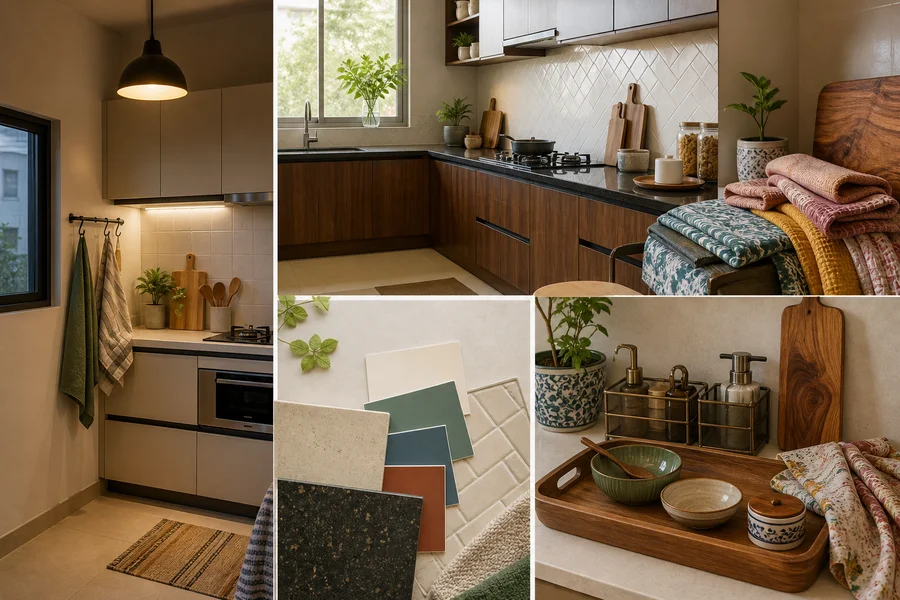
Textiles add warmth, softness and visual depth to Scandinavian rooms. Throws, cushions, rugs, blankets and woven textures can break up an all-white backdrop while maintaining a cohesive look. Layer these elements selectively so the room still feels open and uncluttered.

Scandinavian Decor Ideas for Your Home
Whichever part of the world you live in, you can introduce Scandinavian design into your abode by following these pointers.
1. Neutral Colours for the Walls
A fresh coat of paint can be a useful first step towards a Scandinavian-inspired room. Consider neutral tones such as ivory, off-white, beige or cream. For kitchen cabinets and wardrobes, light grey, muted green, pale blue or white can keep the overall palette calm.

2. Natural Lighting
Make the most of daylight with windows that are kept visually clear and finished in lighter hues. For evenings, use a few well-placed pendant lights, floor lamps or wall lights rather than cluttering the room with many fixtures. Choose lighting that suits the size and purpose of the space.
3. Wooden Flooring
Wooden flooring can help establish a Scandinavian look in a room. If you are considering a flooring update, compare options for your budget, existing subfloor and maintenance needs before deciding. A rug can soften the look while allowing the floor to remain visible.

4. Sheer Light Curtains
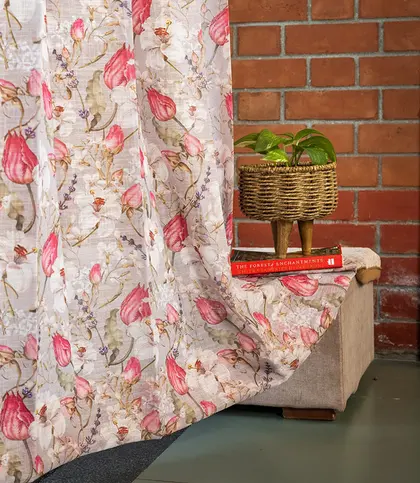
Allow daylight into the room with sheer curtains and light-coloured window treatments. A sheer layer can soften incoming light; add a separate privacy layer where needed. Measure the window, drop and required panel width before choosing, and check the product page for care instructions.
 FastDelivery
From ₹1,699
₹2,999
33%OFF
From ₹1,424
₹2,999
56%OFF

From ₹1,699
₹2,999
33%OFF
5. Add Lush Green Plants
A touch of greenery can complement light walls and wooden surfaces. Place pots and planters where they suit your room’s available light and circulation, keeping the arrangement simple rather than crowded.
6. Wooden Accent Furniture
Add contrast to an all-white room with wooden accent furniture such as a coffee table, stool, side table or ottoman. Choose only the pieces the room needs so that the layout remains practical and uncluttered.
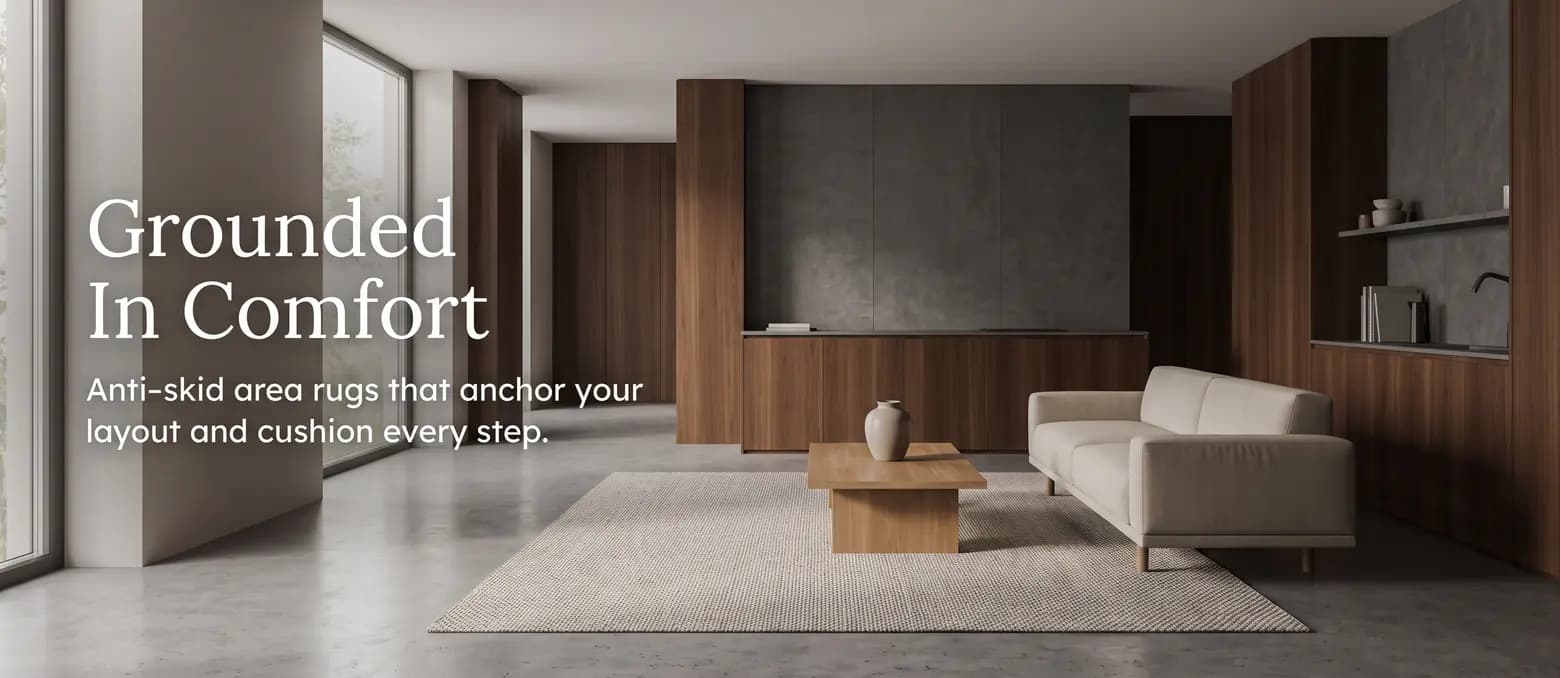
7. Rugs and Carpets
Use rugs and carpets in living rooms and bedrooms to define a seating area or add softness underfoot. A rug can introduce a deeper shade against lighter interiors while leaving some flooring visible. Check the product page for size and care details, and select a size that works with your furniture layout.
8. Throw Pillows and Cushions
Throw pillows and cushions are useful accent pieces in Scandinavian homes. Use a restrained mix of colours, prints and textures to add comfort without making the room feel busy. Measure existing inserts before choosing covers, and compare the listed dimensions before ordering.

From ₹551
₹678
22%OFF

From ₹551
₹678
22%OFF

From ₹827
₹1,026
19%OFF
9. Showpieces
A carefully chosen showpiece can add personality to a coffee table, side table, mantel or bookshelf. Keep the display edited: one or two objects with an interesting silhouette are often more effective than a crowded arrangement. Choose pieces that suit the palette and scale of your room.
10. Thoughtful Storage Organisers
Storage organisers can help keep everyday items out of sight while maintaining a calm room. Choose baskets or organisers based on what you need to store and the shelf or floor space available. Check the product page for dimensions and contents before choosing.

₹284
₹330
14%OFF

₹702
₹1,398
50%OFF

₹749
₹1,299
42%OFF
11. Wall Posters
Treat light-coloured walls with graphic wall posters or artwork in a limited palette of grey, black, white or muted blue. Prioritise clean lines and designs that leave enough visual breathing room around them.
12. Candleholders
Candleholders can introduce a warm decorative detail to a shelf, dining table or mantel. Metal finishes such as brass or copper can work well with wood and neutral tones. Use candles according to their instructions and place them on a stable, heat-resistant surface away from flammable materials.
To Summarise
To create a Scandinavian interior design style, focus on a calm palette, natural light, practical furniture, wood tones, greenery and a considered use of textiles. Start with the elements that suit your existing home, then add layers gradually so the final space feels personal as well as functional.
You may also like: Trend Alert: Dive into Vaaree’s Latest Home Decor Pieces · Top Housewarming Decoration Ideas · 21 Ways To Make Your Home Look More Luxurious · 21+ Unique Return Gift Ideas for All Occasions & Parties · Wall Art & Painting Ideas For Living Room
Related Collections

Keep exploring