Quick Answer
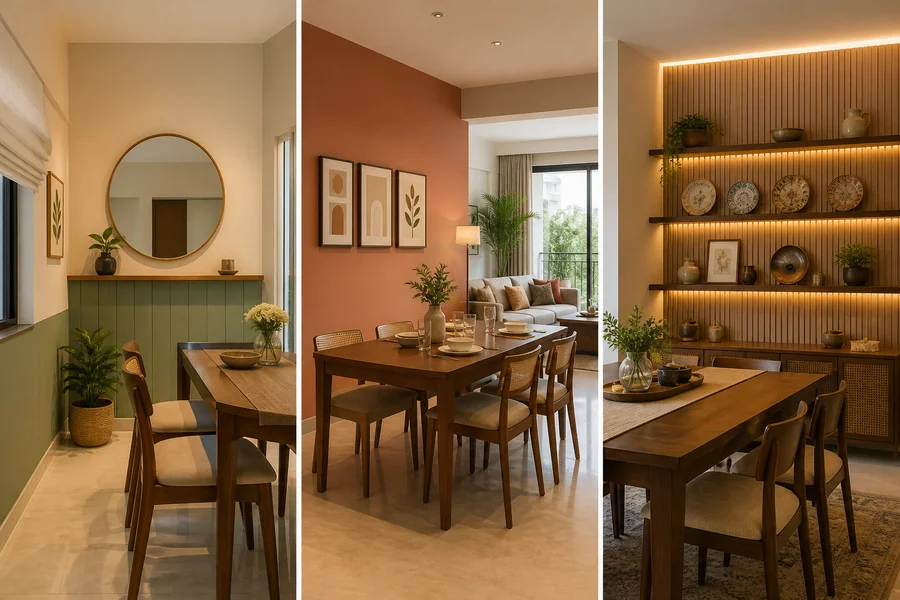
The best dining wall design is centred on the dining setting, not merely the full wall. Choose paint for an easy-to-refresh base, artwork or mirrors for flexible focus, shelves for light display, and wallpaper or panelling for a more permanent statement. Check wall size, chair clearance, food-splash exposure, glare, maintenance and mounting permission before deciding.
Definitions
Focal wall
The dining-area wall intended to draw attention first, usually the wall most visible from the table or adjacent living space.
Easy-clean finish
A surface that can be wiped or lightly cleaned according to the manufacturer’s care guidance without easily showing stains or losing its finish.
Renter-friendly treatment
A reversible or minimally invasive option that does not require structural alteration or permanent wall changes.
Visual maintenance
The ongoing effort needed to manage dust, fingerprints, food splashes, clutter, glare and arrangement changes.
Dining Wall Design: Start With the Wall, Table and Room
A successful dining wall design begins with sightlines and movement, not with a decorative object. The wall behind the table may be the natural focal point, but a side wall can work better when it is more visible from the dining seats or from an adjoining living room.
Centre the treatment on the dining setting wherever possible. A composition aligned to the table, rather than to the entire width of an uneven wall, makes the area feel deliberate. In an open-plan home, use a restrained treatment that identifies the dining zone while still relating to nearby finishes and colours.
Before choosing, consider the wall’s scale, the table’s distance from it, chair movement, food and serving routes, daylight, evening glare, cleaning effort, budget and how permanent you want the change to be.
- Choose the wall most consistently seen from the dining area and adjoining space.
- Keep deep or fragile decor away from chair backs and busy walkways.
- Use one clear visual idea rather than several competing treatments on a compact wall.
Wall Decor
 FastDelivery
₹1,282
₹2,219
42%OFF
 FastDelivery
₹1,282
₹7,000
82%OFF
 FastDelivery
₹1,504
₹6,000
75%OFF

₹1,499
₹3,499
57%OFF
 FastDelivery
₹1,519
₹6,000
75%OFF
₹1,842
₹7,000
74%OFF

₹1,856
₹2,199
16%OFF

₹849
₹3,000
72%OFF
Match the Treatment to Wall Size and Table Placement
On a small wall, a single artwork, one modest mirror or a compact shelf arrangement usually has more impact than a crowded gallery. Keep the composition slim so the dining area still feels easy to move through.
A medium wall can carry one substantial artwork, a coordinated mirror grouping, shallow shelves or a painted accent surface. The treatment should look generous enough for the wall without becoming a backdrop that overwhelms the table.
A large wall benefits from a broader strategy: a painted or patterned base, balanced panelling, grouped art, or a measured crockery display. Leaving a very large wall almost empty can make the dining setting look underscaled, but filling every section can feel equally heavy.
When a table is directly against a wall, favour low-projection decor and allow for chairs being pushed back. When it floats away from the wall, a larger composition may work, provided circulation remains clear and breakable pieces are not positioned where people are likely to brush past them.
- Small wall: choose one focused element and preserve visual breathing room.
- Medium wall: match the width of the arrangement broadly to the dining setting.
- Large wall: build a layered composition, but leave quiet areas around it.
- Open-plan dining: repeat a colour, wood tone or metal finish from the connected room.
₹1,899
₹2,995
37%OFF

₹1,282
₹7,000
82%OFF
₹3,649
₹5,000
27%OFF
Compare Dining Wall Treatments Before You Choose
Paint is a flexible choice when you want a built-in-looking change without adding depth. It works especially well on broad walls and can be refreshed later. Select a finish according to its care guidance and the wall’s likely exposure rather than assuming every painted surface will handle marks in the same way.
Wallpaper brings pattern, colour or texture quickly, while panelling adds architectural depth. Both need more planning than paint. Wallpaper suitability depends on its material, finish, adhesive and exposure to humidity or splashes; panelling can gather dust in grooves and may feel intrusive in a narrow dining passage.
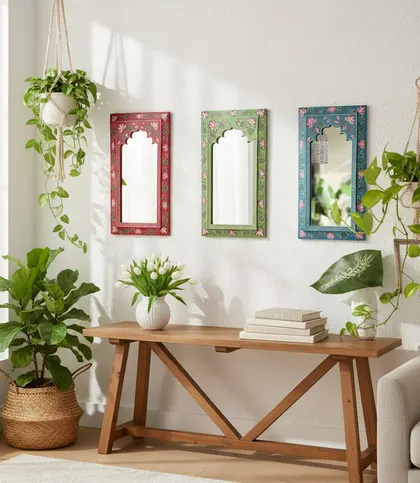
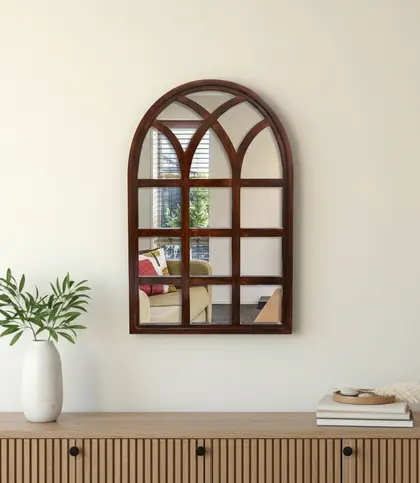
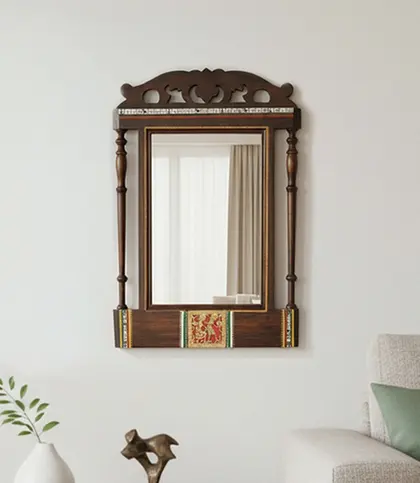
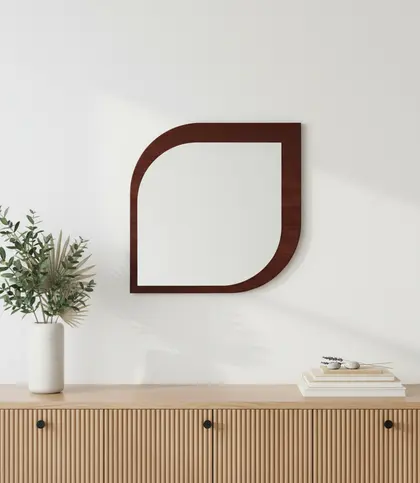
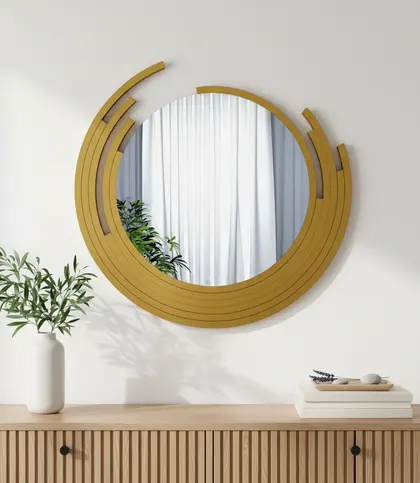
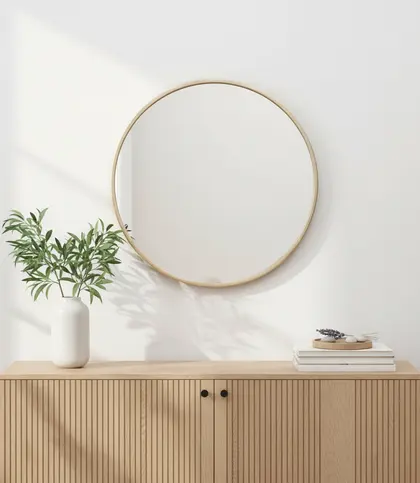
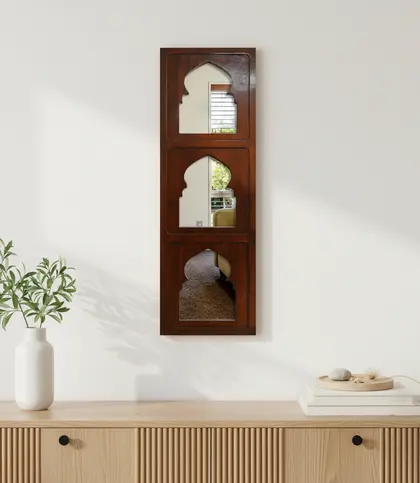
Mirrors can increase the sense of light and openness when they reflect a pleasant view or daylight rather than clutter. Artwork is often the most adaptable choice because it can be changed as your style evolves. Keep framed pieces away from direct splash paths and use appropriate secure mounting.
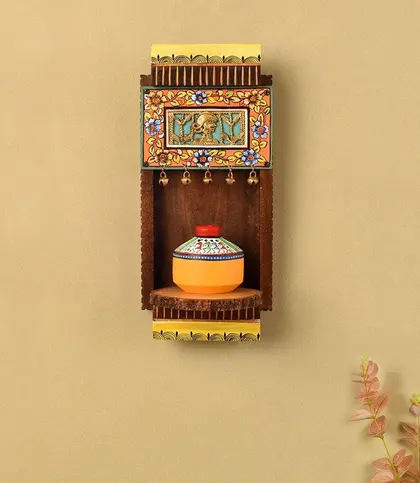
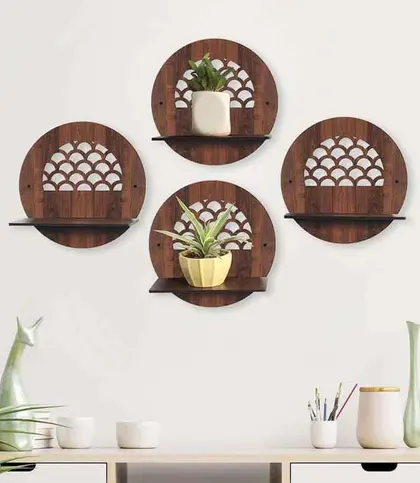
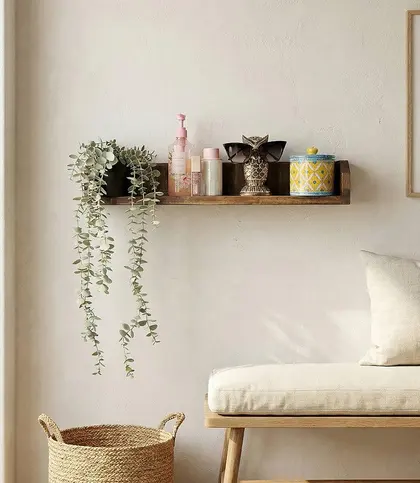
Shelves and crockery displays add useful character, but they also introduce visual maintenance. Shallow, lightly styled shelves tend to work better around dining tables than dense arrangements of objects. Any display of crockery should suit the support provided and keep heavier or fragile pieces stable and away from frequent contact.
- Visual impact: artwork, mirrors and wallpaper create focus quickly.
- Cleaning effort: smooth painted and glass surfaces are generally simpler to wipe than carved or open displays.
- Permanence: art and mirrors are more flexible than wallpaper, panelling or integrated displays.
- Depth: paint, wallpaper, mirrors and art keep the wall comparatively flat; shelving projects into the room.
- Safety: assess mounting, chair clearance and the risk of contact before displaying breakables.
- Lighting response: check reflective and glossy surfaces from a seated eye level.
- Budget: consider both the initial change and the effort required to maintain it over time.

₹1,234
₹3,000
59%OFF

₹747
₹1,399
47%OFF
 FastDelivery
₹1,424
₹2,419
41%OFF
Wall Mirrors
₹4,499
₹10,999
59%OFF
₹3,649
₹5,000
27%OFF
 FastDelivery
₹3,419
₹5,699
40%OFF
From ₹4,599
₹6,999
34%OFF
From ₹3,449
₹8,999
62%OFF
₹2,049
₹12,000
83%OFF
₹5,349
₹8,999
41%OFF

₹1,845
₹2,199
16%OFF
Choose Materials That Handle Indian Dining Conditions
Dining walls near kitchens, serving routes or frequently used family tables face more dust, fingerprints and occasional food splashes than a purely decorative wall. In these locations, favour surfaces and objects with straightforward care guidance and avoid accumulating too many grooves, ledges or delicate finishes.
A suitable paint finish can be practical when its cleaning instructions match the wall’s exposure. Smooth glass and mirror surfaces are often straightforward to wipe, though frames, edges and mounting points still need dusting. Textured panelling, carved decor and open shelves generally need more regular attention.
Wallpaper performance varies considerably by material and installation conditions. Similarly, wood, MDF, metal and ceramic objects have different care needs. Keep porous, fragile or highly valuable pieces away from direct splash paths, and leave enough clearance from chairs and serving movement.
- Choose fewer deep grooves and ledges in high-use dining areas.
- Read care guidance before using cleaning products on paint, wallpaper or framed decor.
- Dust open shelves regularly so a functional display does not become visual clutter.
- Keep precious, breakable pieces outside likely contact zones.
Wall & Book Shelves
₹1,099
₹2,999
63%OFF
₹747
₹1,399
47%OFF
FastDelivery₹1,424
₹2,419
41%OFF

₹1,959
₹2,743
29%OFF

₹1,119
₹1,537
27%OFF

₹522
₹899
42%OFF
₹1,899
₹2,990
36%OFF

₹1,359
₹2,500
46%OFF
Adapt the Idea for Compact, Open-Plan, Rented and Owned Homes
In a compact dining nook, one strong vertical artwork, a modest mirror or a shallow display is usually more effective than several elements. Avoid deep shelves and broad protrusions that make chair movement feel restricted.
In an open-plan home, let the dining wall gently define the zone. Repeating one colour, timber note or metallic detail from the living area can create connection without making the wall look unrelated to the rest of the room.
For rented homes, choose approved paint colours, reversible artwork or mirrors, and display solutions that need only permission-based, minimal mounting where suitable. Check tenancy rules and the wall condition before drilling or using adhesive products. In an owned home, wallpaper, panelling and more integrated display arrangements can be considered when the wall and circulation support them.
Traditional and contemporary homes can use the same treatment in different ways. Wood and collected crockery bring warmth; clean-lined art and mirrors feel more modern; restrained shelves suit a minimal interior. These are decorative choices only and do not require structural wall changes.
- Compact home: keep the wall treatment narrow and visually simple.
- Open plan: use continuity with adjacent rooms rather than a disconnected feature wall.
- Rented home: prioritise reversibility and written permission where needed.
- Owned home: choose permanent finishes only after considering upkeep and future flexibility.
Check Lighting, Safety, Budget and Visual Maintenance
Observe the proposed wall in daylight and again in the evening. A mirror, glossy finish or framed glass can catch light attractively, but it can also bounce glare into seated sightlines. Positioning should favour soft reflection over a direct view of a window, bright fixture or television screen.
Accent lighting can draw attention to artwork or a display area, but any electrical changes or fitting work should be handled by qualified professionals. The decorative treatment should still look balanced when the accent is off.
Safety is part of good visual design. Mirrors, shelves and crockery displays need appropriate secure mounting, and heavy or breakable objects should not sit where chairs, children or regular serving movement could strike them. Consider whether the household will realistically dust shelves, clean fingerprints from mirrors and edit a growing display.
If you are limiting spending, paint plus one focal object is often a clear starting point. A more layered art or mirror composition, refined shelving, wallpaper, panelling or integrated display work may involve more materials, planning and maintenance. Choose the smallest intervention that solves the visual need.
- Measure the visible wall width, not just the full room width.
- Note chair pull-back space, walkways and serving routes.
- Identify likely splash paths and reflections before selecting materials.
- Confirm mounting permissions and surface suitability.
- Set a realistic limit for routine dusting, cleaning and rearranging.
Best Dining Wall Treatment by Wall Size, Use Case and Budget
For a small wall, the strongest default is a single mirror or artwork placed in relation to the table. Choose a shallow shelf arrangement only when light display function matters and the wall is away from chair contact.
For a medium wall, a substantial artwork, coordinated mirror set or restrained shelf composition gives enough presence without needing a full-room renovation. Keep the arrangement cohesive rather than mixing many unrelated objects.
For a large wall, use paint or wallpaper as a base and add a measured layer of art, panelling or display. This creates scale without forcing every part of the wall to work equally hard. For easy cleaning, prioritise smooth surfaces and limit open storage. For a crockery display, keep the arrangement shallow, stable and edited rather than densely packed.
For rented homes, a single mirror, artwork or compact permission-based shelf arrangement offers flexibility. For homes where a more lasting finish is appropriate, wallpaper, panelling or an integrated display can be worthwhile when the wall has sufficient clearance and the upkeep feels realistic.
- Best for a small wall: one proportionate mirror or artwork.
- Best for a medium wall: substantial art, a mirror grouping or shallow shelves.
- Best for a large wall: a broad base treatment with a controlled decorative layer.
- Best for easy cleaning: smooth, limited-depth surfaces with minimal open display.
- Best for limited spending: paint plus one well-scaled focal element.
- Best for crockery display: shallow, securely supported storage with heavier pieces kept low and stable.
FAQs About Dining Wall Design
Dining wall decor is also commonly searched as dining wall decoration. The most useful answer in either case is one that accounts for the wall, the table and the practical demands of everyday meals.
Final Verdict
- Start with wall size and table placement. A treatment centred on the dining setting will usually look more resolved than one centred mechanically on the full wall.
- Choose paint when you want a broad, easy-to-refresh base; choose artwork or a mirror for a flexible focal point; and choose shelving or crockery display only when function is worth the extra dusting and safety considerations.
- Consider wallpaper or panelling when the home and wall suit a more permanent statement. For most Indian dining areas, a proportionate, easy-to-maintain treatment with limited depth and controlled reflection is the safest default.
- Make the final choice only after checking splash exposure, chair clearance, glare, mounting permission, maintenance tolerance and budget together.
FAQs
Which wall should become the focal wall in a dining area?
Choose the wall most visible from the table and from the adjoining room, provided it is not heavily interrupted by doors, circulation or serving activity. It does not have to be the wall directly behind the table.
How should wall size and table placement affect dining wall design?
Use one focused element on a small wall, a more substantial composition on a medium wall, and a layered but restrained treatment on a large wall. If chairs sit close to the wall, keep decor slim and away from likely contact points.
What dining wall treatments suit compact spaces?
A single vertical artwork, a modest mirror or shallow shelves are practical compact-space choices. Avoid crowded galleries, deep ledges and many small objects that make the wall feel busy.
Which dining wall materials are easiest to clean?
Smooth painted surfaces and glass or mirror faces are often simpler to wipe when cared for as directed. Textured panelling, carved decor, wallpaper seams and open shelves typically need more attention.
Are mirrors suitable for a dining wall?
Yes, if they reflect daylight, a calm view or a pleasing part of the room. Check the reflection from seated eye level so the mirror does not create glare or amplify visual clutter.
What dining wall ideas work in a rented home?
Use approved paint, reversible artwork, mirrors and lightly mounted solutions where permitted. Confirm tenancy rules, wall condition and appropriate mounting methods before making changes.
How can lighting support dining wall design without glare?
Assess the wall in both daytime and evening conditions. Aim light at art or a display indirectly where possible, and avoid reflective surfaces that send bright light into diners’ eyes. Use qualified professionals for electrical changes.
What are low-budget dining wall design options?
A paint refresh with one well-scaled artwork or mirror is a simple option. A compact, uncluttered shelf arrangement can also work when you need light display space and can maintain it regularly.
Keep exploring