


Best Mason Jar Lids: Choose by Use, Fit, and Material
Quick Answer
The best mason jar lid matches your jar’s regular-mouth or wide-mouth opening before it matches a preferred material or look. Then choose by task: a dependable storage seal for dry goods, a tested leak-resistant closure for liquids, a dedicated pour top for dispensing, or a vented lid for fermentation. Airtightness, leak resistance, and canning suitability are separate features.
Definitions
Regular-mouth lid
A lid designed for the narrower, standard-style opening used by compatible mason jars. It must match the jar’s thread and sealing surface.
Wide-mouth lid
A lid designed for a larger jar opening, often easier to fill, empty, and clean. It is not interchangeable with a regular-mouth lid unless the manufacturer explicitly confirms compatibility.
Leak resistance
How well a closed jar limits liquid escape during normal upright handling. It does not automatically mean the lid is airtight or suitable for pressure processing.
Airtightness
The extent to which a closed container limits air exchange under its intended conditions. A claim of airtightness should be tied to the complete lid, gasket, and jar system.
Canning suitability
Whether a lid and jar system is specifically designed and approved for a particular preservation or pressure-processing method. A storage lid should not be assumed to be suitable for canning.
Closure style
The mechanism used to close the jar, such as screw-on, clamp, flip-top, pour-through, vented, or valve-based designs.
Food-contact suitability
Whether the lid, liner, gasket, and other contents-facing parts are identified by the maker as suitable for contact with food under the intended conditions.
Best Mason Jar Lids: Start With Fit and Use
Start with the jar opening, not the lid material. A regular-mouth lid must fit a regular-mouth jar, and a wide-mouth lid must fit a wide-mouth jar; capacity alone does not tell you which lid will work.
Next, identify the job. Dry ingredients need a dependable storage seal, liquids need a closure intended to limit spills during normal upright use, pouring needs a purpose-designed dispensing top, and active fermentation needs controlled gas release. An airtight claim does not establish canning suitability or promise spill-free transport when a jar is tilted.
Use a quick buying filter: confirm fit, name the task, inspect the seal, review care requirements, and test the assembled jar before trusting it with spill-prone contents.
- For dry storage, focus on a compatible closure, easy cleaning, and low odour retention.
- For liquids, choose a secure closure and test it with water before routine use.
- For fermentation, use a vented or airlocked design made to manage gas.
- For frequent reuse, prioritise durable parts and replaceable seals.
Regular-Mouth vs Wide-Mouth Lids
Mason jar lids seal at a specific combination of opening diameter, thread pattern, and rim or sealing surface. Regular-mouth and wide-mouth formats use different geometry, so one is not a substitute for the other.
Do not select a lid by jar capacity. A 300 mL jar, a 710 mL jar, and a 1,000 mL jar can have different mouth formats despite their capacities. Check the jar base, packaging, maker’s listing, or an existing compatible lid when the mouth designation is not visible.
Wide-mouth jars can be convenient for filling bulky foods and reaching inside for cleaning. Regular-mouth jars can be the sensible option if you already own jars and replacement lids in that compatible format.
- Confirm whether the jar is regular-mouth or wide-mouth.
- Match both the thread pattern and the sealing surface.
- Check product information rather than estimating fit from a photo.
- Choose a consistent mouth format across pantry jars when easy replacement matters.
Compare Lid Materials and Sealing Components
The visible lid material matters, but the gasket, liner, valve, and thread design often determine how a closure performs. Inspect the whole system instead of assuming that metal, plastic, wood, or glass alone makes a jar airtight or leak-resistant.
Stainless steel lids can be durable, but rust resistance varies by grade, finish, damage, and care. Check exposed edges, seams, coatings, and liners, especially if the lid will be washed often or stored in a damp area. Plastic lids are light and easy to handle, but their heat tolerance, stain resistance, odour retention, and food-contact guidance should be checked for the specific product.
Silicone is commonly used as a flexible gasket, valve, or seal rather than as the entire closure. Glass lids are less common in interchangeable mason-jar systems and need a design made for the exact jar. Wooden lids can suit dry pantry storage, but should not be assumed leak-proof unless the construction and seal are clearly intended for that use.
- Choose metal for durability only after checking liner condition and care guidance.
- Choose plastic for light handling after checking heat and food-contact instructions.
- Treat silicone as a seal component whose condition affects performance.
- Use wood-led closures mainly for the storage use confirmed by the maker.
- Inspect gasket channels for trapped moisture and food residue.
Choose by Task: Storage, Pouring, Fermenting, and Reuse
For dry storage, select a compatible lid with a dependable seal, simple cleaning, and minimal odour retention. Airtight-style claims apply to the complete jar system, so keep the rim, gasket, and threads clean for the best result.
For liquids, look for a gasketed or otherwise tested closure with secure threads, then store the jar upright whenever possible. Before carrying soup, dressing, or infused oil, fill the jar with a small amount of water and check for drips around the rim and threads.
For controlled dispensing, use a lid designed for pouring rather than improvising with a basic storage cap. Make sure the pour opening, inner channels, and any valve can be cleaned thoroughly. Active ferments need a purpose-built vented or airlocked lid that manages gas rather than an ordinary sealed storage closure.
For reuse and pantry organisation, inspect the lid before each new use. Replace components with cracked gaskets, warped shapes, damaged threads, corrosion, persistent odours, or unreliable sealing.
- Dry storage: compatible seal, easy washing, and a clean rim.
- Liquids: tested leak resistance and upright storage.
- Pouring: a dedicated, cleanable dispensing design.
- Fermenting: a vent, valve, or airlock designed for gas release.
- Reuse: intact threads, fresh-smelling seals, and no corrosion or warping.
Check Leak Resistance, Cleaning, and Replacement Needs
Leak resistance, airtightness, and canning suitability answer different questions. Leak resistance concerns liquid escape during ordinary handling, airtightness concerns air exchange, and canning suitability requires a system specifically supported for the preservation method being used.
Read care guidance for the lid and its separate seal components. Some closures are best hand-washed, while others may permit dishwasher cleaning. Avoid assuming that a material is heat-safe, stain-proof, or odour-free without product-specific instructions.
After washing, check threads and gasket channels for trapped food or moisture. Examine metal parts for rust around scratches and seams. Replace a lid or seal when it is cracked, warped, corroded, permanently compressed, loose, or no longer sealing consistently. Replacement seals are especially useful when choosing an uncommon closure design.
- Check food-contact guidance for liners, gaskets, coatings, and the lid itself.
- Follow the stated hand-wash or dishwasher instructions.
- Dry gasket channels and metal seams before storing lids away.
- Replace worn components based on condition and sealing performance, not a fixed calendar interval.
- Consider whether replacement parts are available before committing to a closure system.
A Quick Mason Jar Lid Decision Guide
Use this approximate five-minute checklist when you already have the jar and the relevant product information available. First, confirm fit by identifying the regular-mouth or wide-mouth format and verifying the thread details or maker’s compatibility information. Next, choose the primary task: dry storage, liquids, pouring, fermenting, or repeated reuse.
Then assess the seal system. A basic screw lid may suit routine storage, while a gasketed closure can help where a stronger seal is needed. Use a dedicated pour top for dispensing and a vented or airlocked design for fermentation. Review food-contact suitability, washing instructions, rust risk, odour retention, and replacement parts before deciding.
Finally, run a small practical test. Inspect the gasket, close the jar normally, and use a little water to check the closure upright. If liquid transport is planned, proceed cautiously and stay within the maker’s stated use limits.
- Dry pantry goods usually suit a compatible seal-focused or gasketed lid.
- Liquids call for a closure with reliable leak-resistant performance.
- Oils, dressings, and syrups are easier to use with a dedicated pour top.
- Active ferments need a purpose-built gas-management lid.
- Frequent reuse favours durable parts with replaceable seals.
Jar Formats to Compare While Choosing Lids
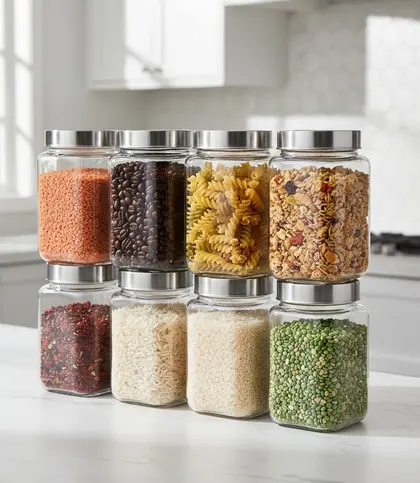
These Vaaree items are complete storage jars, not verified interchangeable mason-jar lids. Use them as examples of jar formats for pantry planning, then verify the actual opening, thread geometry, closure design, food-contact details, and intended lid performance from product information before purchase.
For compact spices, tea, seeds, and small dry batches, the Caffeine Station Airtight Jar and Winston Airtight Storage Jar illustrate small glass-jar formats. The Mikio Storage Jar set is another format to consider when organising multiple ingredients with a coordinated look; its lid should not be assumed to fit standard mason jars.
For larger pantry storage, the Reveto Storage Jar with Metal Lid, Aura Glass Jar With Wooden Lid, and ClearNest Glass Jar offer useful glass-jar comparisons. A metal exterior does not confirm liner performance, and a wooden lid should not be treated as leak-proof without clear product guidance. Their capacities likewise do not establish regular-mouth or wide-mouth compatibility.
- Compare actual opening and closure details, not jar capacity alone.
- Use small jars for compact ingredient storage where appropriate.
- Use larger jars for dry pantry organisation after confirming their lid design.
- Check liner, gasket, and cleaning guidance on every closure style.
- Avoid treating a storage-jar format as a universally compatible mason-jar lid.
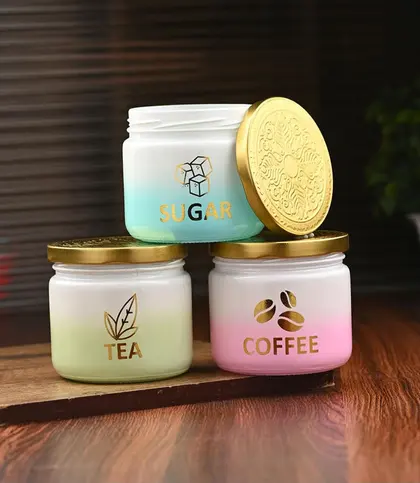
₹284
₹818
65%OFF
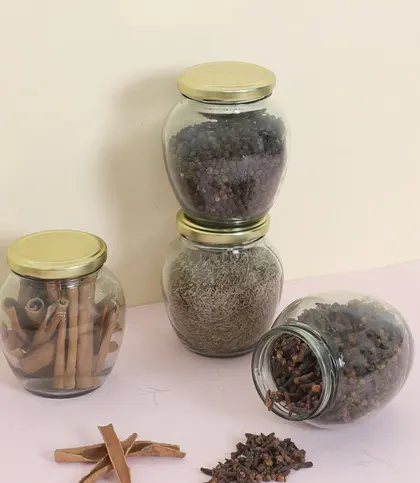
₹284
₹821
65%OFF
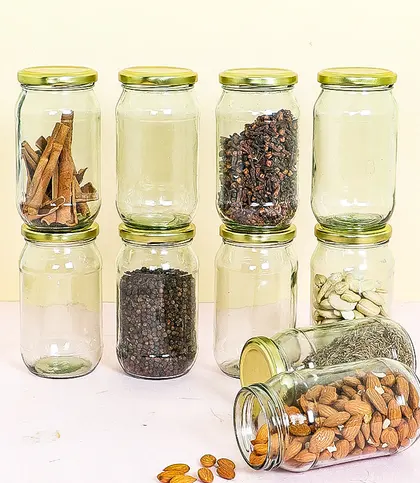
₹712
₹2,074
66%OFF
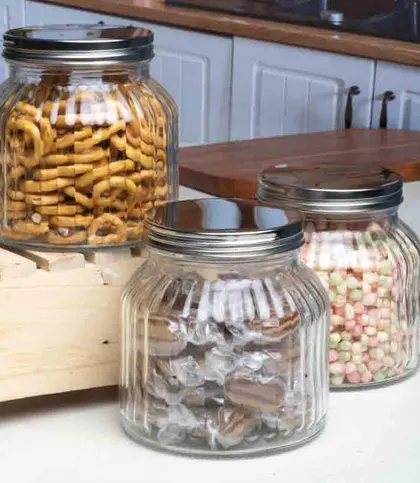 FastDelivery
₹799
₹1,105
28%OFF
 FastDelivery
₹1,099
₹1,860
41%OFF
₹1,399
₹2,499
44%OFF
Final Choice: Match the Lid to the Job
Mouth compatibility is non-negotiable: confirm regular-mouth or wide-mouth fit before comparing materials or appearance. Then choose the simplest closure that genuinely meets your main task.
For dry goods, a compatible seal-focused lid is often enough. Liquid storage calls for dependable leak-resistant performance, dispensing works best with a purpose-built pour lid, and fermentation requires a vented or airlocked design. Keep canning suitability separate from ordinary storage claims.
Before buying or reusing a closure, apply five checks: fit, task, seal, care, and test. This sequence keeps the decision practical without relying on appearance, capacity, or broad marketing language alone.
Final Verdict
- Choose in this order: compatible mouth size, intended task, closure and sealing system, food-contact and care suitability, then durability and replacement practicality.
- For dry storage, choose a compatible seal-focused closure. For liquids, choose a closure with dependable leak-resistant performance. For pouring, choose a dedicated dispensing top. For fermentation, choose a vented or airlocked lid.
- Replace lids and seals when wear affects hygiene, fit, or sealing. A lid that looks acceptable but has a compressed gasket, damaged threads, rust, or lingering odour is not a reliable reuse choice.
FAQs
Which mason jar lid is best for dry storage?
Choose a lid that matches the jar mouth and forms a dependable seal with the complete jar system. Easy cleaning, low odour retention, and an intact gasket or liner are useful priorities for flour, spices, tea, and other dry goods.
What is the difference between regular-mouth and wide-mouth lids?
Regular-mouth lids fit a narrower standard-style jar opening, while wide-mouth lids fit a larger opening. Their thread and sealing geometry differ, so they should not be swapped unless the manufacturer explicitly confirms compatibility.
Which mason jar lids are best for liquids?
Choose a compatible closure designed or tested for leak-resistant liquid storage, with secure threads and a well-fitting gasket or liner. Store jars upright where possible and test with a small amount of water before relying on them for transport.
Are mason jar lids leak-resistant?
Some are, but performance depends on the complete jar, lid, gasket, threads, and condition of the parts. Leak resistance is different from airtightness, and neither claim alone means a lid is suitable for canning.
Which lid materials are easiest to clean?
The easiest option is the one with accessible threads, a removable or cleanable gasket, and care instructions that suit your routine. Smooth plastic or metal surfaces can be simple to wipe, but channels, liners, valves, and seals still need close cleaning.
Can the same mason jar lid be used for fermenting?
Use a lid specifically designed for fermentation when an active ferment needs gas management. A vented lid, valve, or airlock is generally more appropriate than sealing an active ferment with an ordinary airtight storage lid.
How often should mason jar lids be replaced?
Replace them when their condition or performance changes. Warning signs include cracks, warping, corroded metal, damaged threads, permanently compressed gaskets, persistent odours, or a seal that no longer works reliably.