Quick Answer
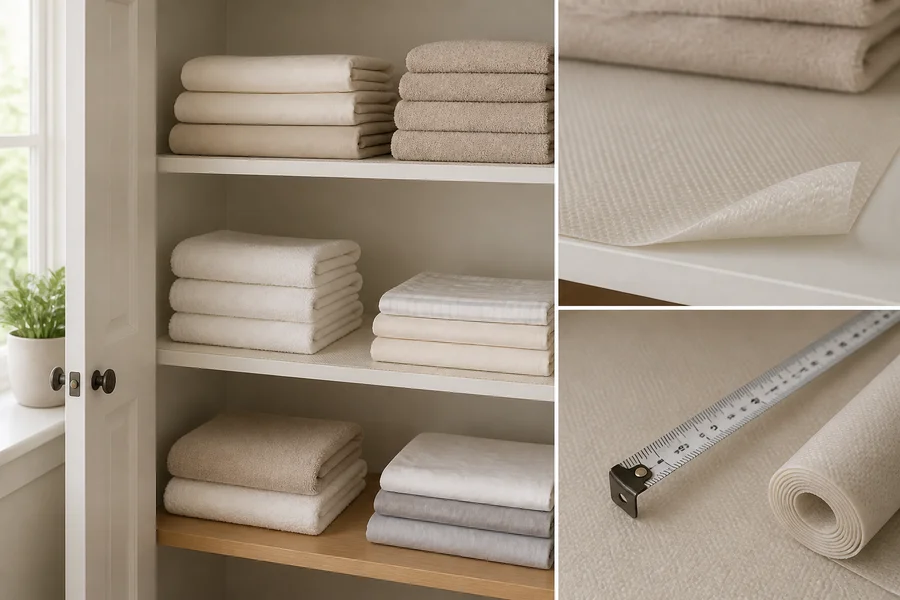
For most dry linen closets, the best choice is a smooth, removable, non-adhesive liner that lies flat and feels suitable for folded fabric. Choose plastic or EVA for wipe-clean utility, or a smooth nonwoven liner for a softer contact surface. If shelves are already clean, dry, smooth and unlikely to snag linens, a liner is optional.
Definitions
Non-adhesive shelf liner
A loose liner that rests on the shelf and relies on its weight, texture or grip to stay in position. It is generally easier to remove and clean than an adhesive liner.
Adhesive shelf liner
A liner with a sticky backing designed to attach to the shelf. It can reduce movement but may be harder to remove and may leave residue or damage some finishes.
Fabric-safe surface
A smooth or suitably soft liner surface that is unlikely to snag, abrade, transfer colour or leave a mark on folded linens when used and maintained correctly.
Ventilation
The ability of air to circulate around the shelf and liner so moisture is less likely to remain trapped against the shelf or textiles.
When a Linen Closet Benefits from Shelf Liners
A shelf liner is useful when folded sheets and towels sit on a rough, dusty, painted, unfinished or difficult-to-clean shelf. It creates a cleaner contact surface and can help protect fabric from splinters, paint flakes and rough edges.
It is not essential for every closet. Skip it when shelves are smooth, clean, completely dry and unlikely to snag or mark fabric. A liner also cannot solve leaks, condensation, damp linens or poor ventilation.
- Choose a liner if the shelf sheds dust, catches fabric or is awkward to wipe clean.
- Use it as a removable cleaning layer, not as a substitute for regular dusting.
- Check shelves for dampness or water damage before returning linens.
Compare Liner Materials for Protecting Folded Linens
Plastic and EVA liners are practical when easy wipe-clean care is the priority. Inspect the upper surface and cut edges before use: a heavily textured finish, rough edge or strong transfer-prone surface may not be suitable against folded linens.
Nonwoven fabric liners offer a softer contact surface, which may appeal where reducing hard shelf-to-fabric friction matters most. They can collect dust or absorb moisture more readily, so they need careful cleaning and must be fully dry before linens go back.
Rubber and foam can add grip or cushioning, but porous or deeply textured versions may be harder to clean and can hold moisture if the shelf is not dry. Their benefits should outweigh that extra care requirement.
- Smooth plastic or EVA: a simple option for removable, wipe-clean protection.
- Smooth nonwoven fabric: a softer option for a gentler contact surface.
- Foam or rubber: consider only when extra grip or cushioning is genuinely needed.
- Inspect every liner for rough texture, curling edges, odour and colour transfer before lining a full shelf.
When comparing plastic shelf liners, check the product page for dimensions and care instructions, then inspect the liner in person before placing it beneath folded linens.
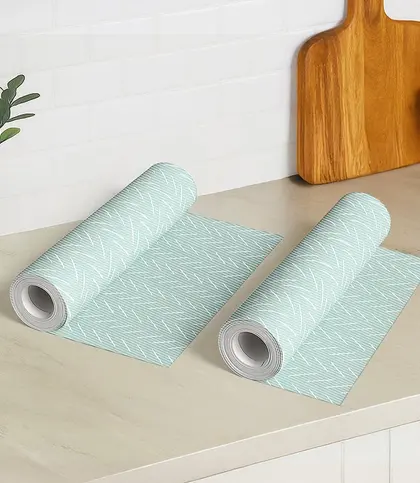 FastDelivery
From ₹599
₹1,196
50%OFF

₹254
₹399
36%OFF
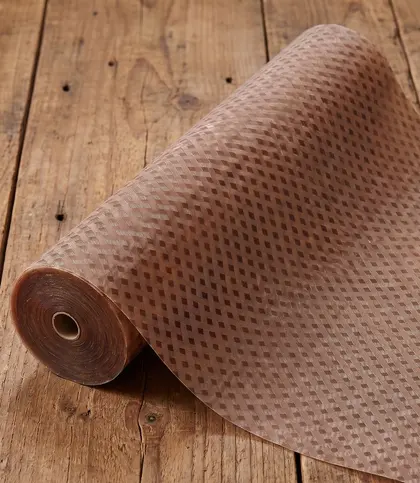
From ₹299
₹412
27%OFF
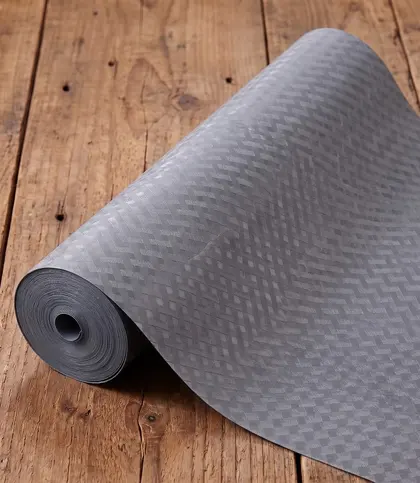
₹399
₹550
27%OFF
Choose Between Adhesive and Non-Adhesive Grip
Non-adhesive liners are usually the best starting point for a linen closet. They can be lifted to clean underneath, repositioned if they shift and replaced without scraping adhesive from the shelf.
A grippy underside can help a loose liner remain flat, but inspect both sides. The surface touching the shelf should not rub, lift paint or leave marks, while the upper side should be smooth enough for folded textiles.
Adhesive-backed liners are worth considering only where liner movement remains a persistent issue and the shelf finish is known to be compatible. Test a small hidden area first and follow the manufacturer’s care guidance.
- Start with a removable, non-adhesive liner for easier cleaning and inspection.
- Do not use adhesive to compensate for dust, dampness, an uneven shelf or a peeling finish.
- Be especially cautious with adhesive on painted, coated or unfinished wood shelves.
Account for Ventilation, Moisture, and Shelf Type
Solid shelves generally work well with a flat removable liner, provided both the shelf and liner are fully dry. On painted shelves, a removable option also makes it easier to check for rubbing, peeling paint and trapped dust.
Wire shelves can benefit from a stable liner that gives folded items a more continuous resting surface. Measure around the wire layout, make sure edges do not curl into gaps and avoid a liner that sags heavily or restricts the airflow the closet needs.
Take extra care with unfinished wood and other absorbent surfaces. A liner may conceal dampness or surface damage, so dry the shelf thoroughly and inspect it regularly rather than sealing a problem out of sight.
- Never put away towels, sheets or pillowcases while they are damp.
- Leave sufficient clearance for air to circulate around stored linens.
- Investigate leaks, condensation and musty odours directly; a liner does not prevent moisture damage.
Measure Shelves and Plan Removable Cleaning
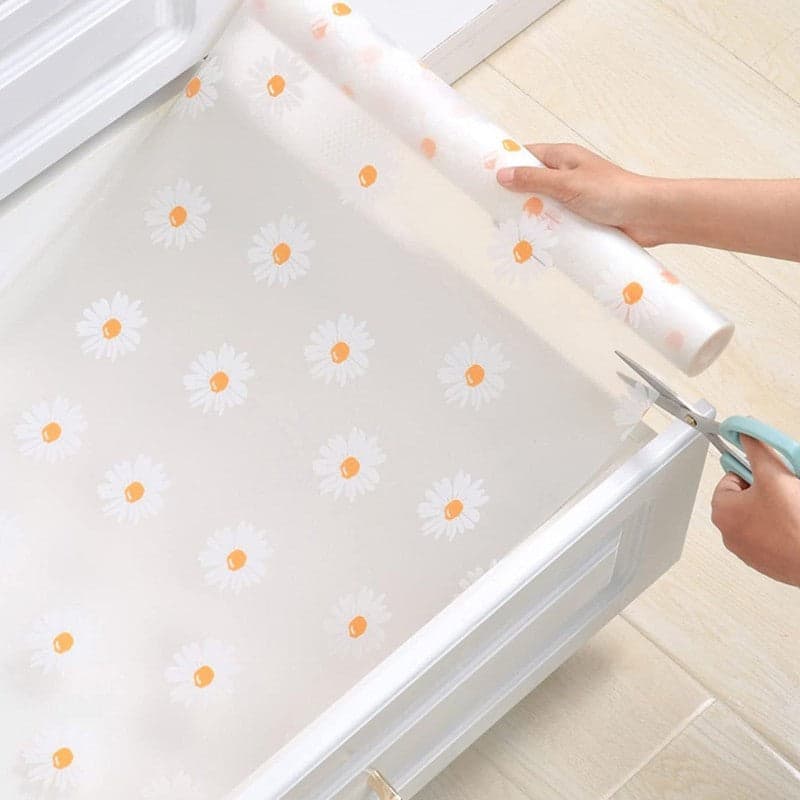
Measure usable width from side to side and depth from the front edge to the back of each shelf. Repeat the process if shelf sizes vary. Include lips, supports, corner posts, uneven walls and wire gaps in your plan before cutting a roll.
For removable liners, cut pieces so they lie flat without being forced tightly into corners. A small clearance at the sides or back can make removal easier and reduce curling. Only size up when the material can be trimmed cleanly and safely.
Remove the liner periodically, clean it according to its material instructions and dry both liner and shelf fully before replacing linens. Check more often in humid closets, near plumbing or whenever you notice trapped dust, staining, cracking, curl, odour or dampness.
- Measure every shelf individually rather than assuming matching dimensions.
- Keep cut edges smooth so they do not catch fabric.
- Use a liner that can be removed without turning routine shelf cleaning into a difficult job.
For a close-fitting result, compare the listed dimensions with your own shelf measurements before choosing a liner, and follow the care guidance on its product page.
₹254
₹399
36%OFF
FastDeliveryFrom ₹599
₹1,196
50%OFF
From ₹299
₹412
27%OFF
₹399
₹550
27%OFF
A Practical Shelf-Liner Decision Checklist
Use this checklist to narrow the choice without treating one liner material as universally best. The right option is the one that suits the shelf surface, closet conditions and the level of cleaning you can maintain.
For most dry linen closets with shelves that need protection or easier cleaning, choose a smooth, removable, non-adhesive liner cut for a flat fit. Plastic or EVA suits wipe-clean utility, while a smooth nonwoven liner may suit a softer contact preference. Leave shelves unlined when they are already clean, smooth, dry and fabric-safe.
- Need: Does the shelf snag fabric, shed dust, mark linens or make cleaning difficult?
- Material: Is wipe-clean care, softness, grip or cushioning the main priority?
- Grip: Can a non-adhesive liner stay flat, or is a compatible fixed option truly necessary?
- Conditions: Is the shelf wire, unfinished, painted or prone to humidity?
- Fit and care: Can the liner be cut neatly, removed easily, cleaned and dried completely?
Final Verdict
- The best shelf liner for most dry linen closets is a smooth, removable, non-adhesive option that stays flat and is easy to clean.
- Choose plastic or EVA when wipe-clean maintenance is the main need, and consider smooth nonwoven fabric when a softer contact surface matters more.
- Avoid relying on any liner to manage dampness. If shelves are already smooth, clean, dry and fabric-safe, leaving them unlined is the simplest practical choice.
FAQs
When does a linen closet need shelf liners?
A liner is helpful when shelves are rough, dusty, painted, unfinished, wire-based or hard to clean. It is optional on shelves that are already smooth, clean, dry and safe for folded fabric.
Which shelf liner material is best for folded linens?
There is no single best material for every closet. Smooth plastic or EVA is useful for wipe-clean care, while smooth nonwoven fabric offers a softer contact surface. Avoid rough, sharp-edged or heavily textured liners that could catch fabric.
Are adhesive or non-adhesive shelf liners better?
Non-adhesive liners are usually better for linen closets because they are easier to remove, clean and replace. Consider adhesive only when movement is a real problem and the shelf finish has been tested for compatibility.
Do shelf liners prevent moisture damage in linen closets?
No. A liner can simplify cleaning and protect a shelf surface, but it cannot prevent damage from leaks, condensation, damp linens or poor ventilation. Address the moisture source and dry the shelf completely.
How do you measure shelves for a liner?
Measure the usable width and depth of every shelf, then account for shelf lips, supports, posts, uneven walls and wire gaps. Cut removable pieces to lie flat with a little clearance for easier removal.
Can shelf liners be used on wire shelves?
Yes, if the liner creates a stable surface without sagging excessively into gaps or blocking needed airflow. Check the wire pattern, trim edges neatly and inspect the fit after placing linens on top.
How often should shelf liners be cleaned?
Clean them whenever you notice dust, a spill, staining, odour, curling or dampness. Humid closets and shelves near plumbing may need more frequent inspection; always follow the material’s care guidance.
Will shelf liners snag or mark linens?
They can if the liner has rough texture, sharp cut edges, cracking material or colour that transfers. Inspect both surfaces, smooth the cut edges and test a small area with an older cloth before lining all shelves.
Keep exploring