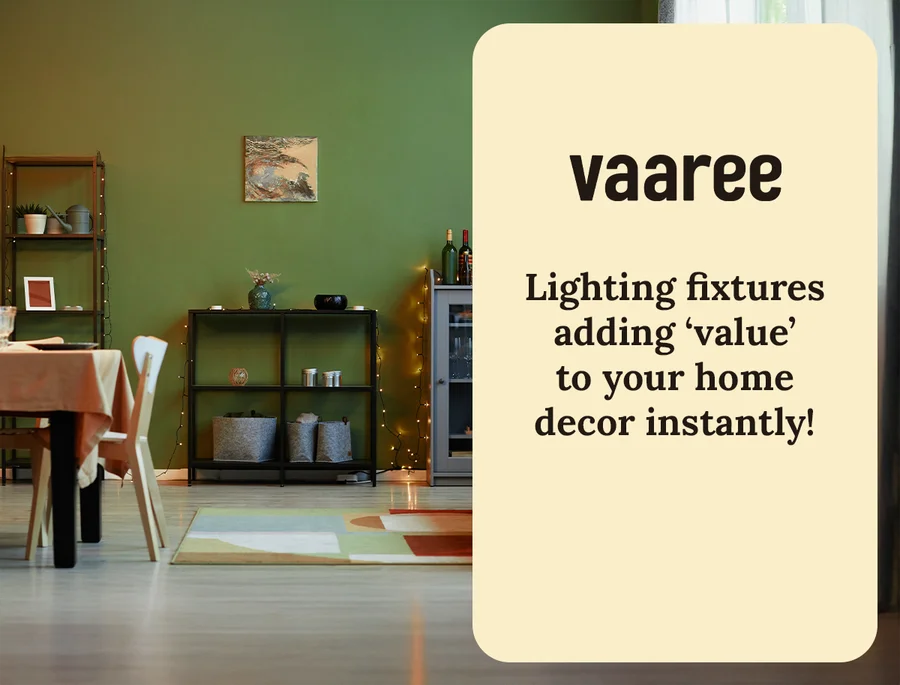
Home decor is challenging yet satisfying: a cohesive home brings several elements together. Lighting plays a significant role in shaping the atmosphere of an interior. Different lighting types serve different functions, helping rooms feel considered, comfortable and inviting.
Why Should We Opt for Different Lighting Fixtures?
1. To Carry Out Different Tasks
Adequate lighting helps with day-to-day activities at home, whether you are cooking, studying, working late or reading. Plan brighter, focused light where concentration is needed.
2. Enhances Safety Measures
Lighting can make routes through the home easier to navigate after dark. A bedside or table lamp can be useful for night-time movement, while well-lit entryways, stairs and passageways help define the way ahead.
3. To Relax
A softer layer of light can make a reading corner, bedroom or living area feel more restful after a long day. Use the brightness and placement that feel comfortable for the activity at hand.
4. Adding Warmth
Natural and artificial light both contribute to a sense of warmth at home. A candlelit corner or a pendant light above a table can make everyday spaces feel more welcoming.
5. Visual Appeal
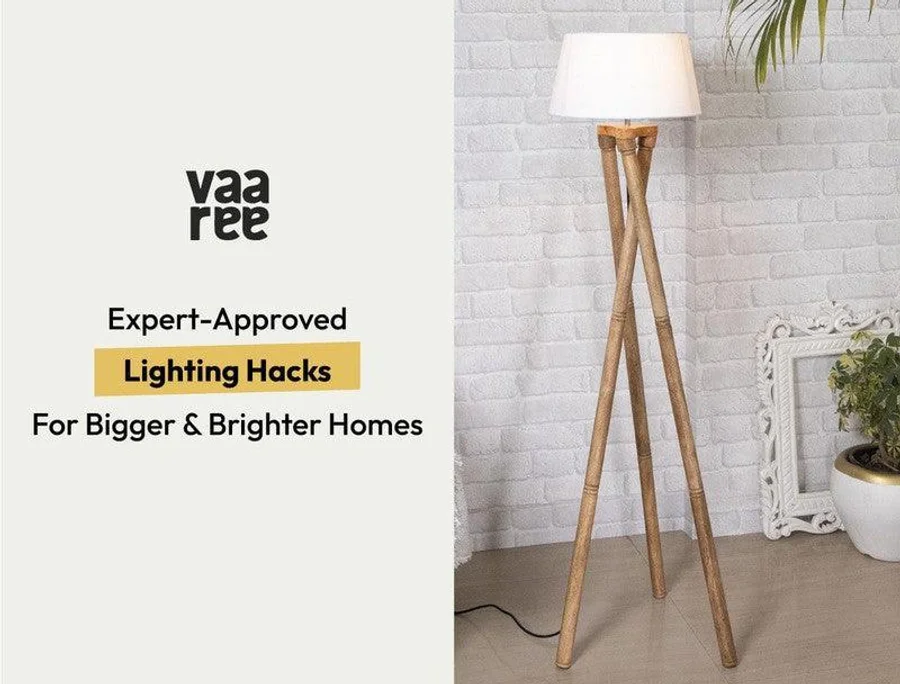
Chandeliers, table lamps, floor lamps and wall sconces can add visual interest while bringing a room’s decor together. Choose fixtures that complement the scale and style of the space.
6. Leads to Sustainability
Choosing energy-efficient bulbs where compatible with your fixture can help reduce energy use. Check the fixture’s product details for compatible bulb and electrical specifications.
7. Expresses Your Style Statement
Lighting can reflect your preferences, from a vintage-inspired lantern to a contemporary wall sconce. Consider the fixture as part of the room’s overall colour palette, furniture and decorative details.
Types of Lighting Fixtures for Your Home
Different rooms and corners call for different kinds of light. Layering general, focused and decorative lighting can give each space a clearer purpose.
1. Ambient Lighting
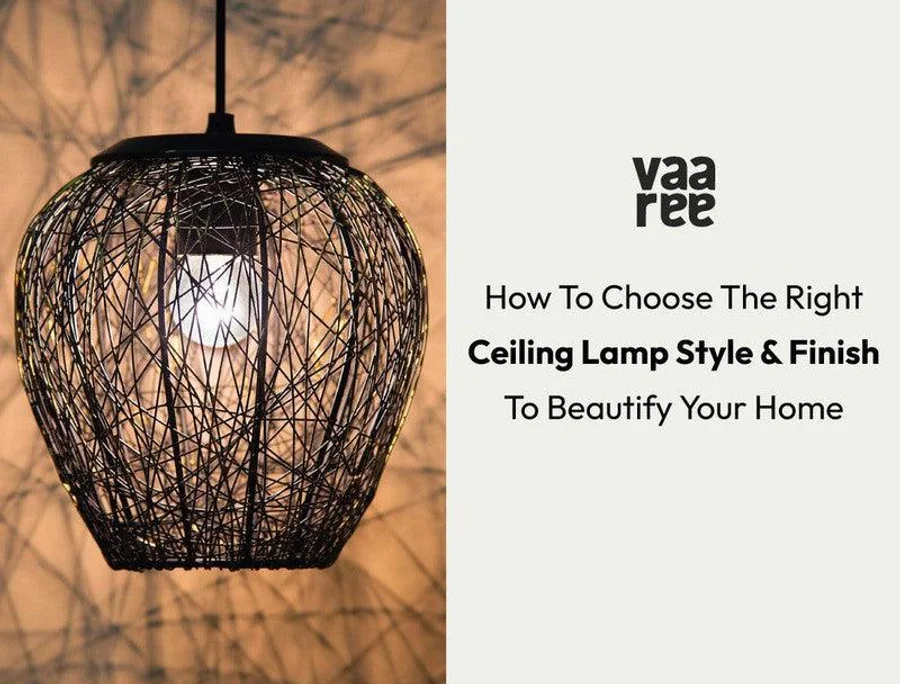
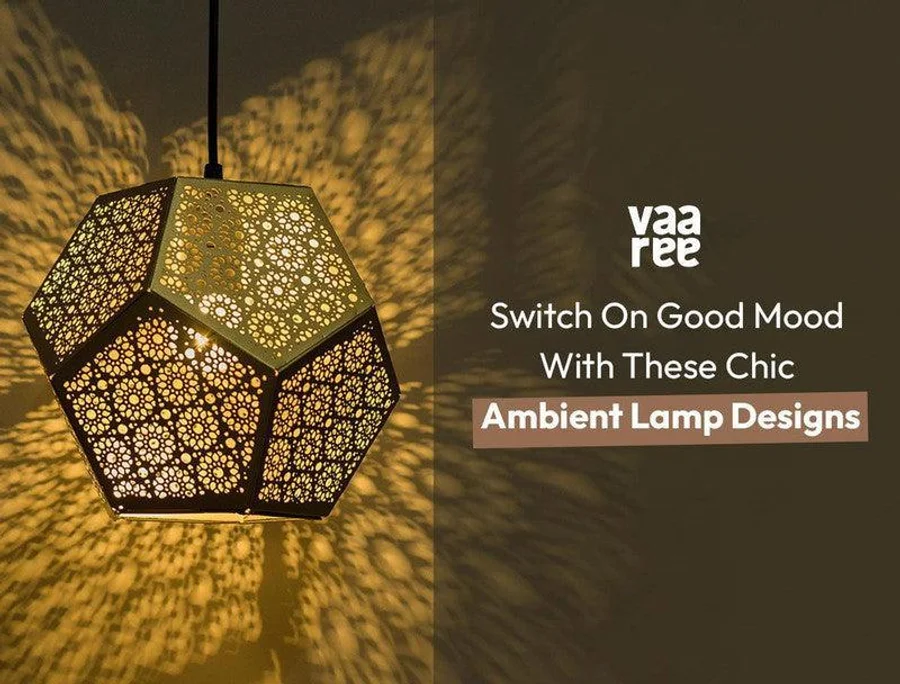
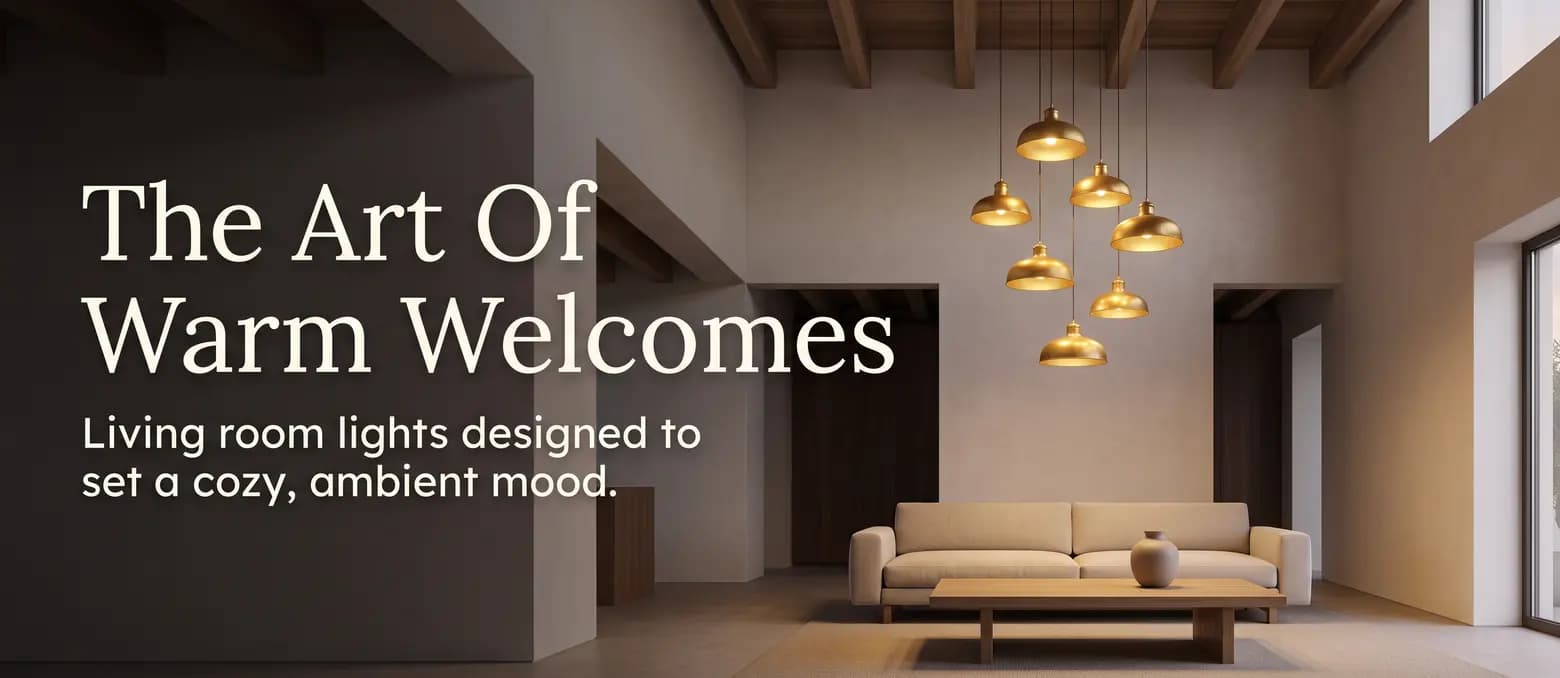
Ambient lighting is the general light that illuminates a room. Ceiling fixtures such as chandeliers and pendant lights can provide this overall layer, while recessed lighting may work where a more streamlined look is preferred. Consider the room’s size, ceiling height and intended use before choosing a fixture.
2. Accent Lighting
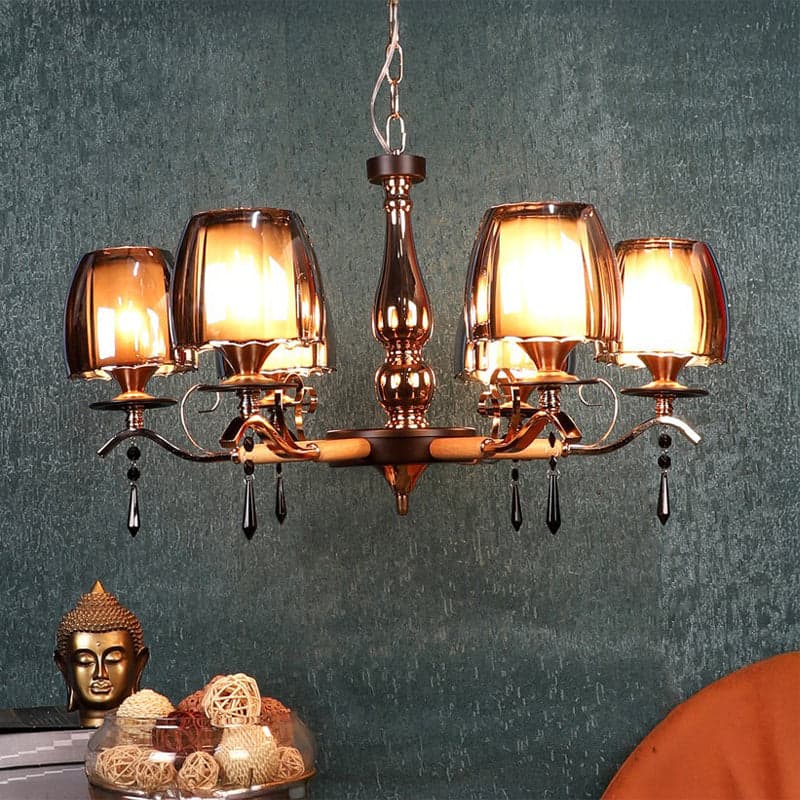
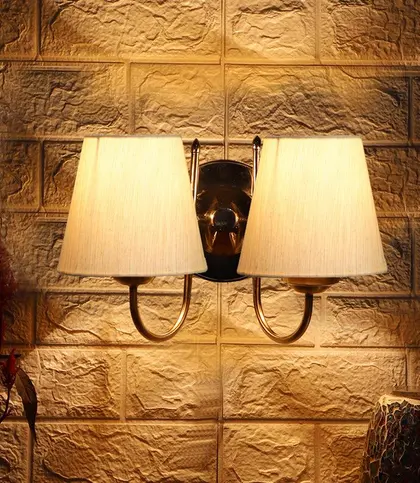
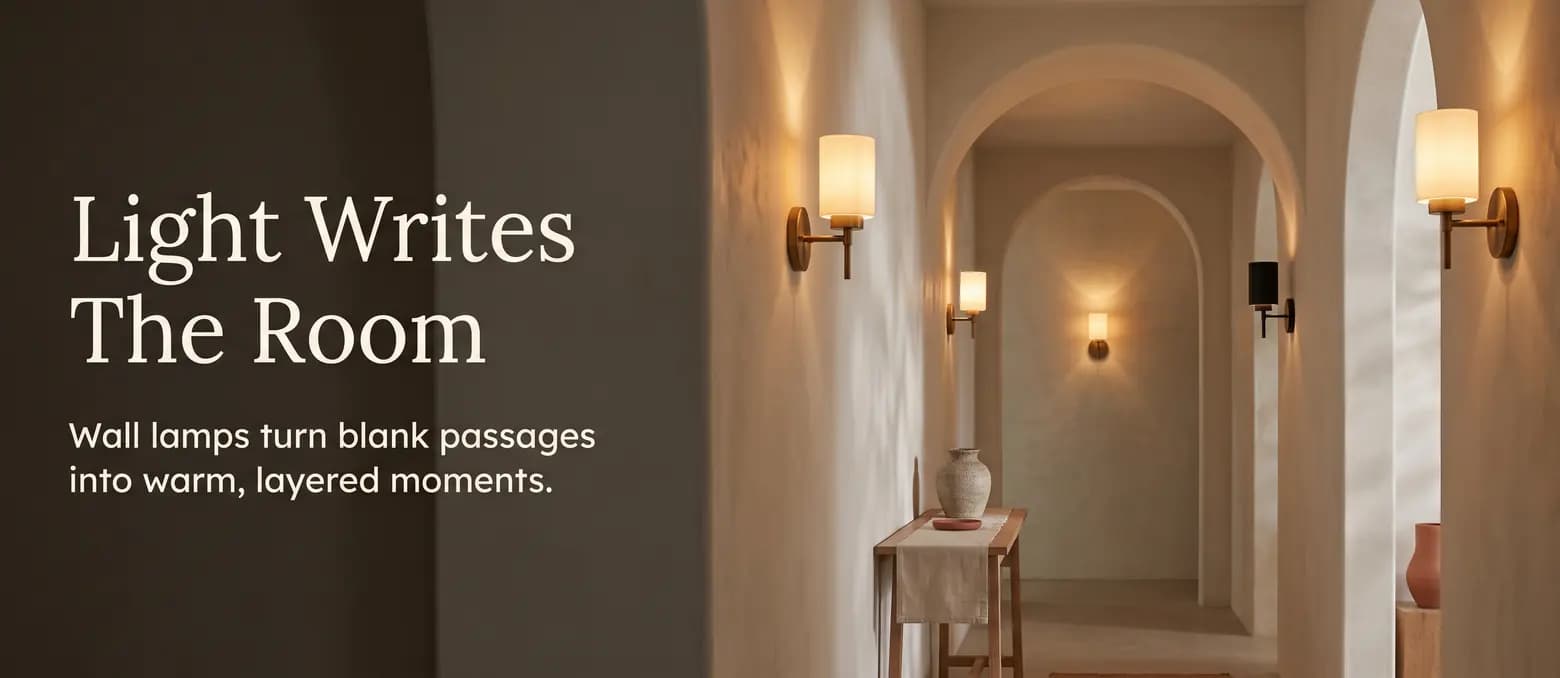
Accent lighting draws attention to a particular feature, such as artwork, a wall poster, stone cladding or an architectural detail. Wall lamps, spotlights and floor lamps can create points of visual interest and bring definition to darker corners.
When comparing wall lamps, consider where the light will fall and check dimensions, installation requirements and electrical details on the product page.
 FastDelivery
₹1,329
₹3,300
60%OFF

₹1,484
₹2,499
41%OFF
₹2,078
₹3,999
48%OFF

₹1,228
₹2,999
59%OFF
3. Task Lighting
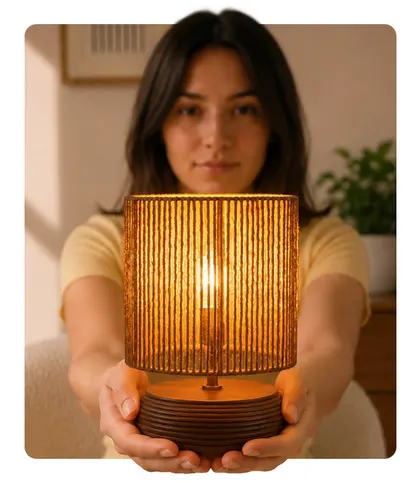
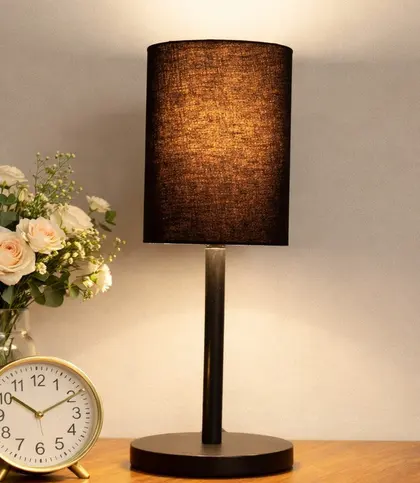
Task lighting is used for specific activities such as reading, writing, sewing, laptop work or food preparation. Table lamps, study lamps and under-cabinet lights are common choices. Position the light to reduce shadows on the work surface, and confirm dimensions, bulb requirements and electrical specifications before deciding.

₹899
₹1,620
45%OFF

₹1,484
₹2,199
33%OFF
 FastDelivery
₹899
₹2,499
64%OFF
₹1,044
₹2,999
65%OFF
4. Decorative Lighting
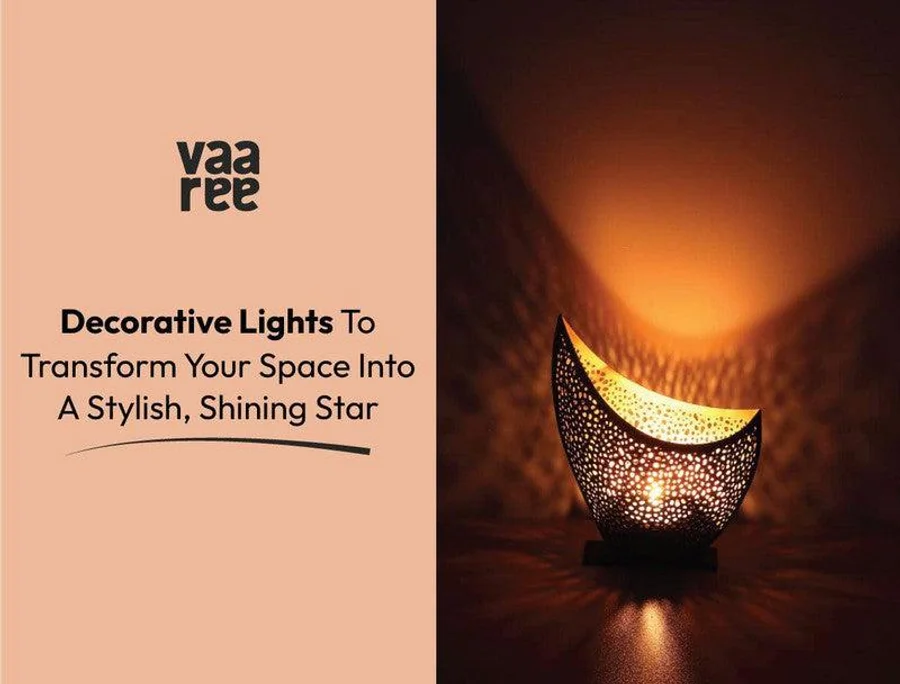
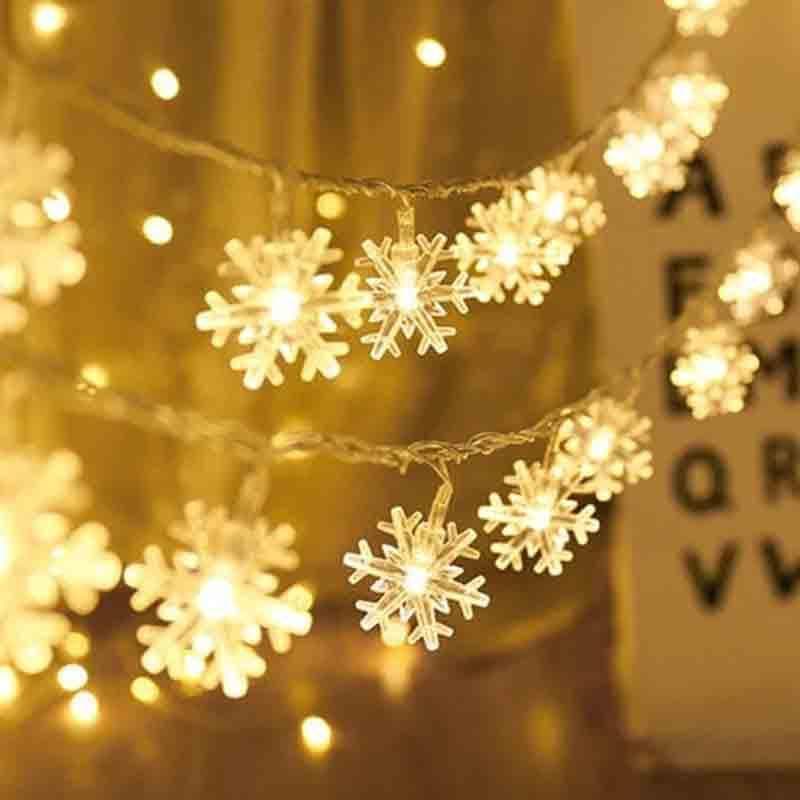
Decorative lighting helps set the mood for festivals, special occasions and everyday styling. String lights, candles, chandeliers, table lamps and statement wall sconces can add a distinctive finishing touch. Keep decorative lights separate from areas where focused task lighting is needed.

Choosing Lighting Fixtures for Different Spaces
No single light works for every nook and corner. Consider how each room is used, where natural light enters and which areas need overall, focused or decorative illumination.
1. Foyer Area
The foyer is the entryway to your home and helps create the first impression. Ambient and accent lighting can work well here. Consider pendant lights or wall lamps that help define the entrance and draw attention to wall art, vintage showpieces or floating wall shelves.
2. Living Room
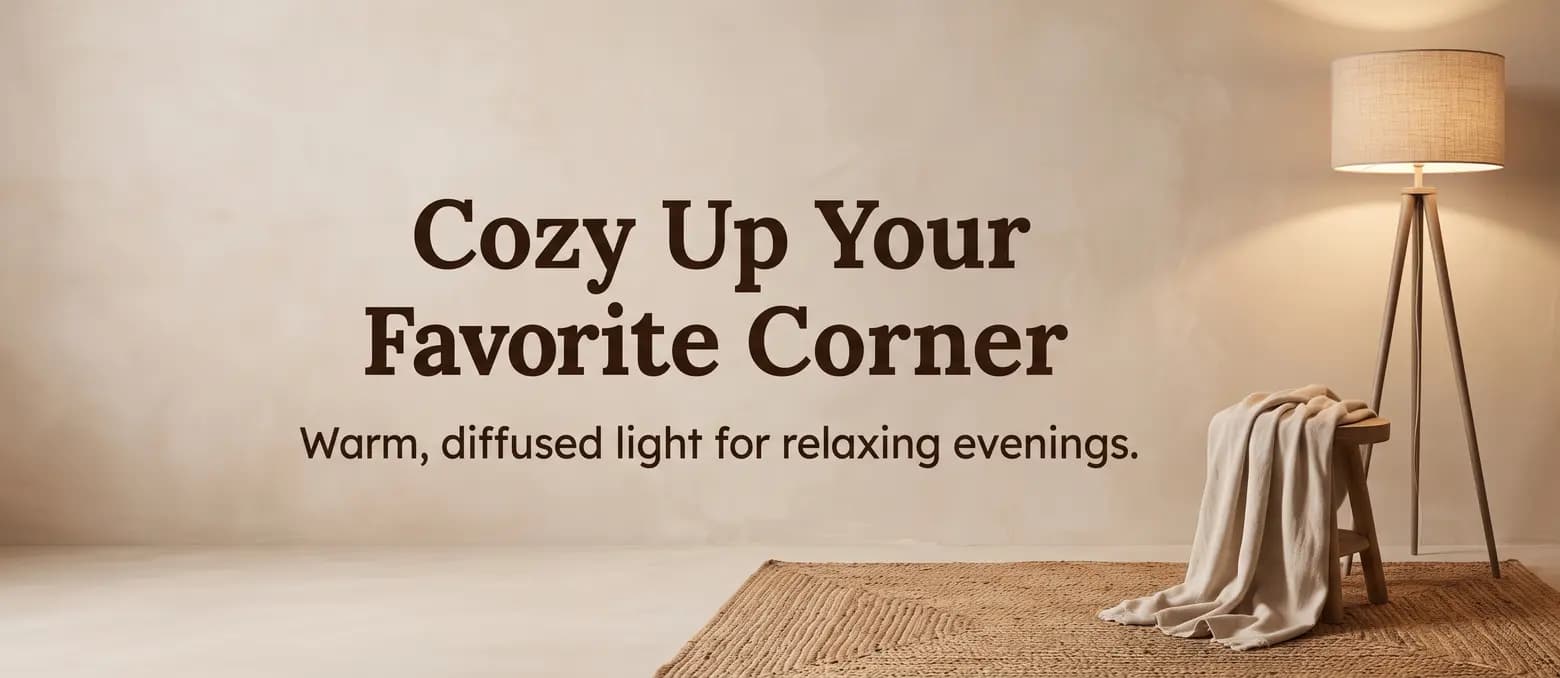
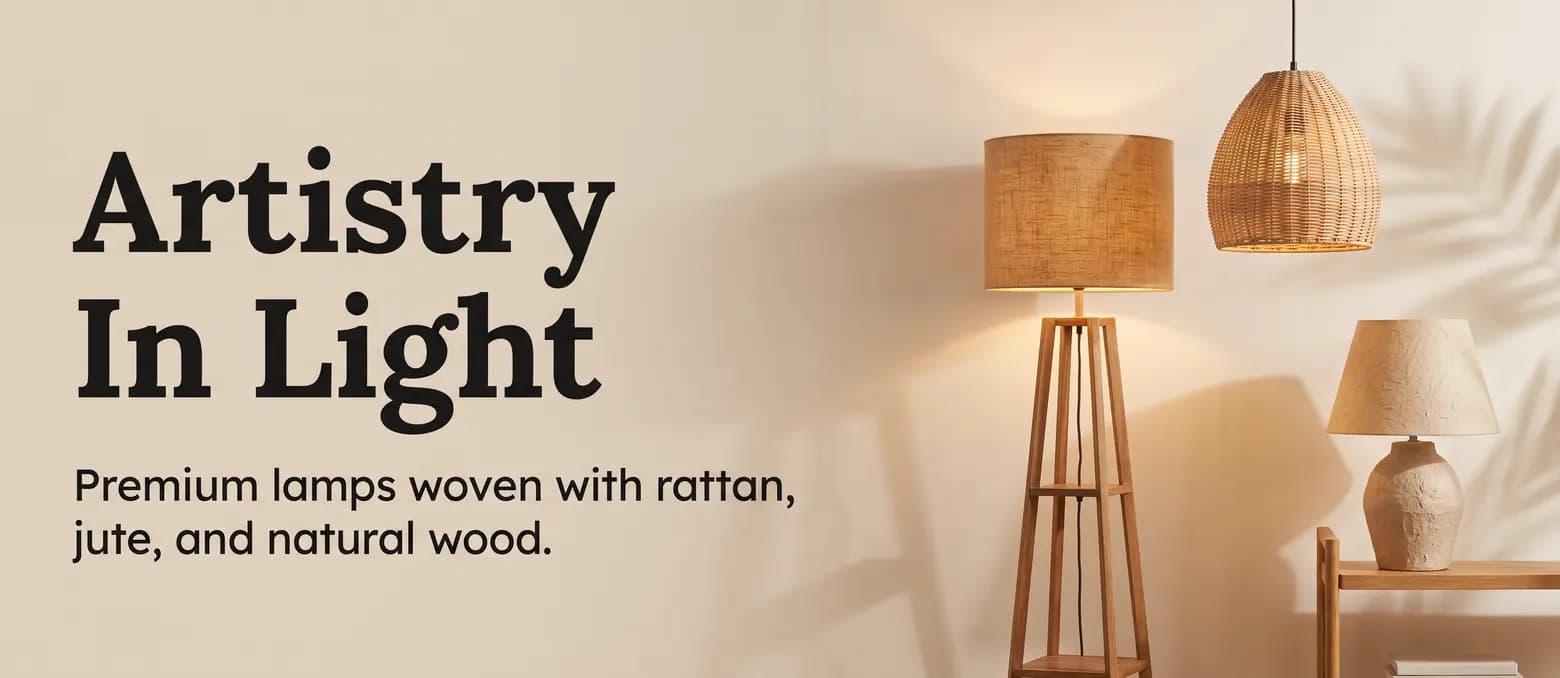
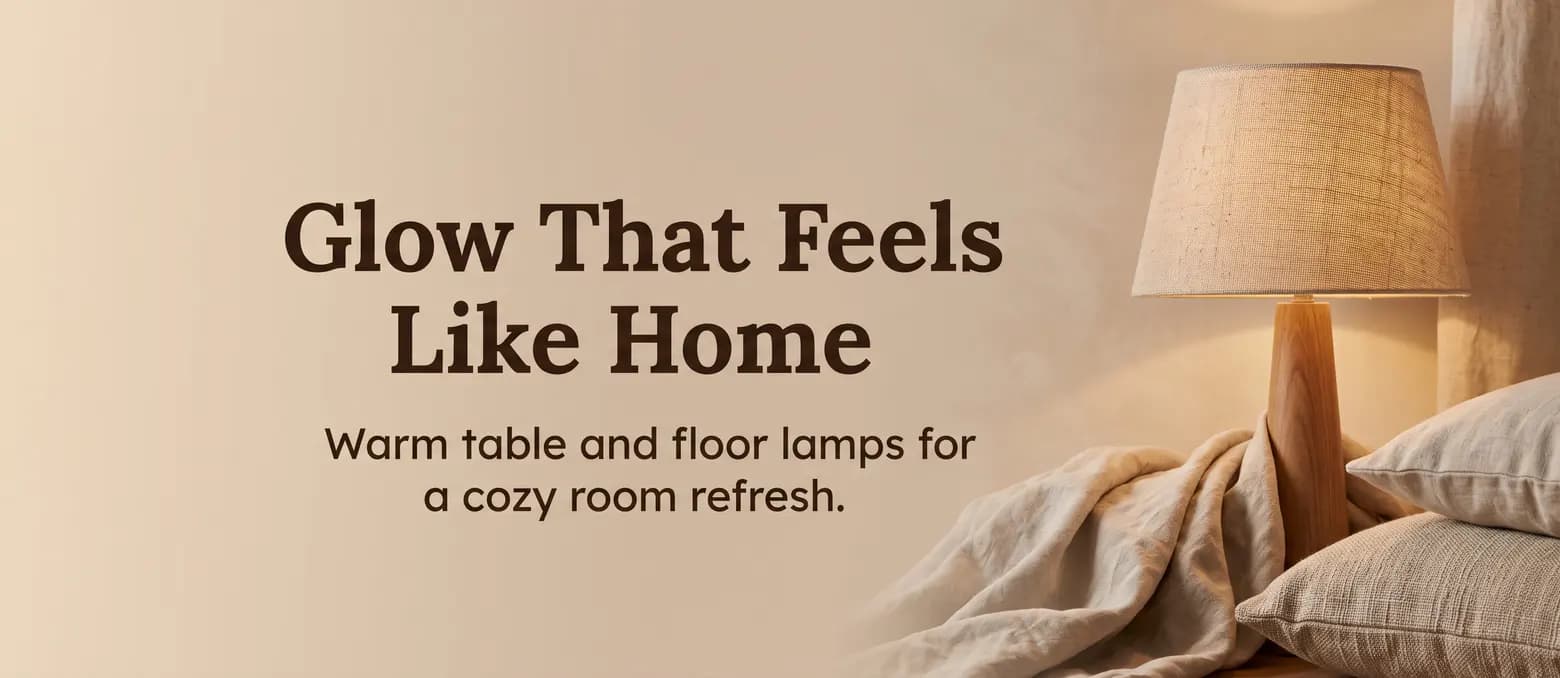
Living rooms are used for family time and welcoming guests, so a mix of lighting works best. Along with natural daylight, use ambient lighting for the room overall, a floor lamp for a reading corner and accent lighting to highlight artwork or decor. Decorative lights can also create a focal point.
3. Dining Area
A dining area can benefit from a warm, central layer of light. Hanging pendant lights, chandeliers and wall sconces are all options to consider. Match the fixture’s dimensions to the table and room, and check installation details before purchase.
4. Kitchen
Adequate lighting is an important part of kitchen planning. Combine general lighting with focused task light over preparation areas, and consider under-cabinet or recessed lighting where it suits the layout. Place light so that countertops and cooking areas are clearly visible.
5. Bedrooms
Bedrooms are personal spaces where lighting can support both winding down and everyday routines. Consider ceiling lighting for the room, bedside table lamps, wall lamps and a study lamp for a desk. Layering these options lets you light only the area you are using.
6. Bathrooms
Bathrooms also need thoughtful lighting. A combination of ambient light and lighting around the mirror or vanity can make the space easier to use. For any bathroom fixture, check the product page and consult a qualified professional about suitable placement and installation.
7. Balcony/Garden
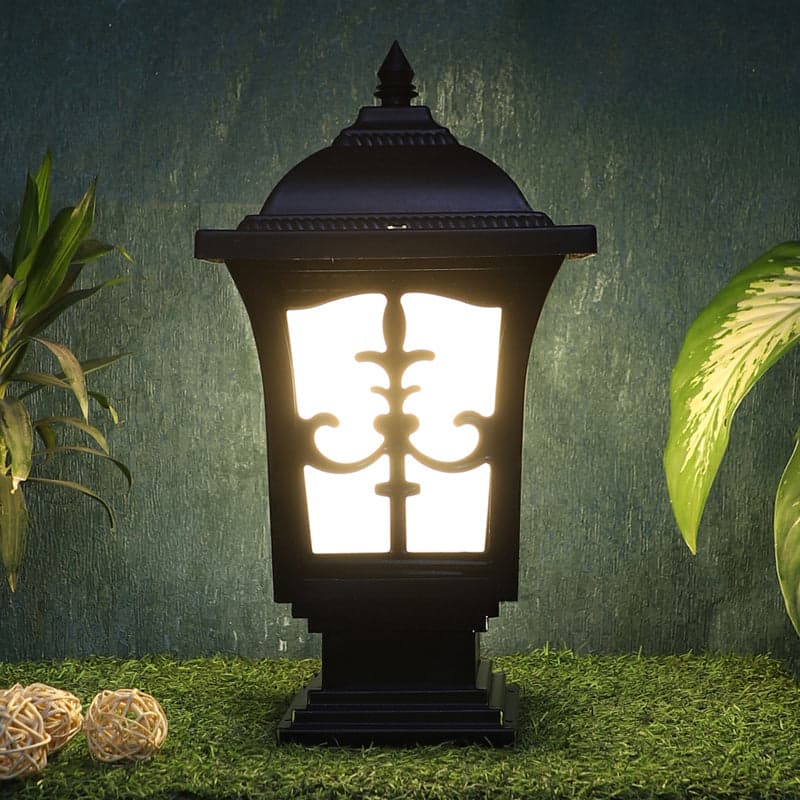
Balconies, porches and gardens can feel more inviting after sunset with considered outdoor lighting. Choose fixtures designed for the intended location, and review product details and installation requirements before use.
To Summarize
Whether you are refreshing an existing home or setting up a new one, a mix of lighting types can make each room more functional and inviting. Start with overall illumination, add focused light where tasks happen, then use accent or decorative pieces to bring personality to the space.
For more home styling inspiration, explore these guides:
Keep exploring