Dreary darkness is best left to bars and clubs. At home, thoughtful natural and artificial light can make a space feel warmer and more inviting. Bringing light to different corners of a room can also help define how the space is used.
If your home lacks natural light, a few considered lighting choices can make a noticeable difference. Here are six easy tips on how to lighten a dark room and create the impression of more space.
1. Choose LEDs
LED bulbs and fittings are widely used for everyday lighting. When choosing one, compare the stated light output, colour temperature and power use rather than relying on bulb type alone. Check that the bulb is compatible with your fitting, and position lights to reduce glare and unwanted shadows.

2. Use sconces
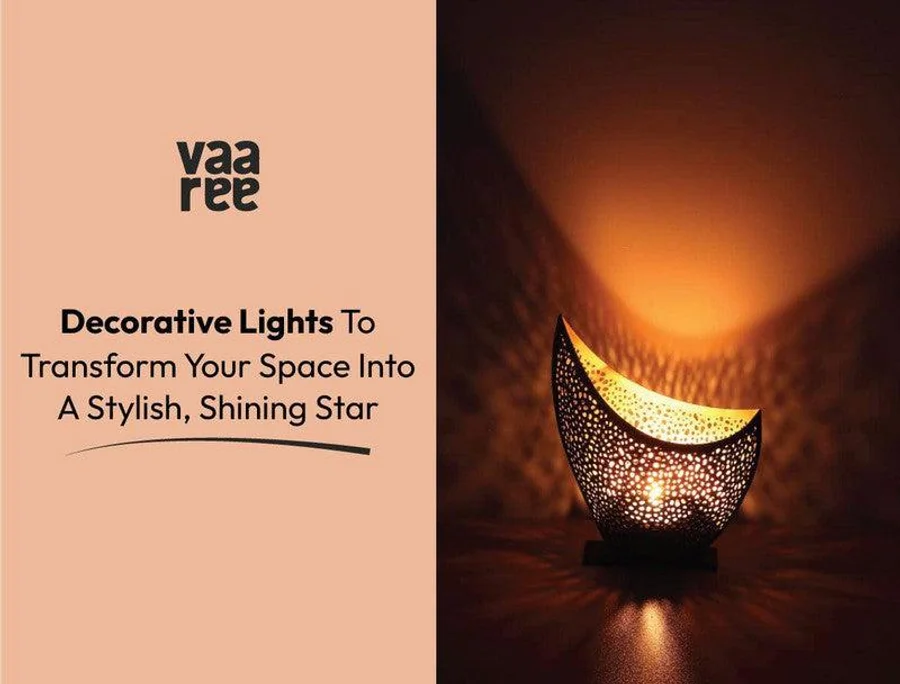
Wall-mounted light fixtures are often called sconces or wall lamps. They can free up floor and table space while adding light to a corner, passage or wall. Use them to draw attention to a particular area, and consider where the light will fall before choosing a fitting. A wall lamp in an awkward corner can help that part of the room feel less recessed.
Check the fitting’s electrical and mounting requirements, as well as the direction of light, before buying.

₹936
₹5,000
81%OFF
 FastDelivery
₹958
₹2,700
65%OFF
 FastDelivery
₹1,934
₹4,950
61%OFF
3. Pay attention to lamps
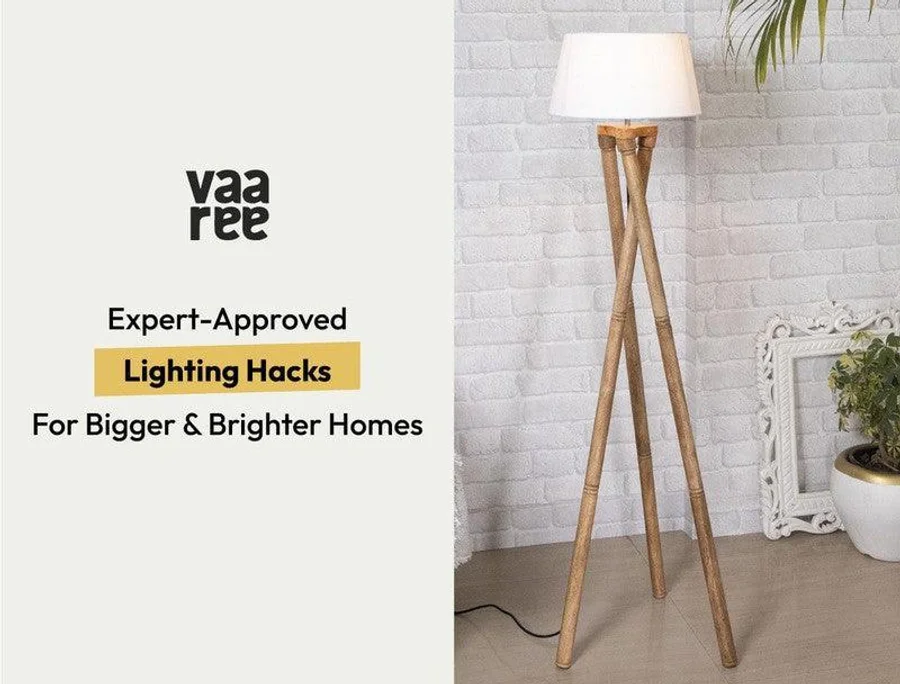
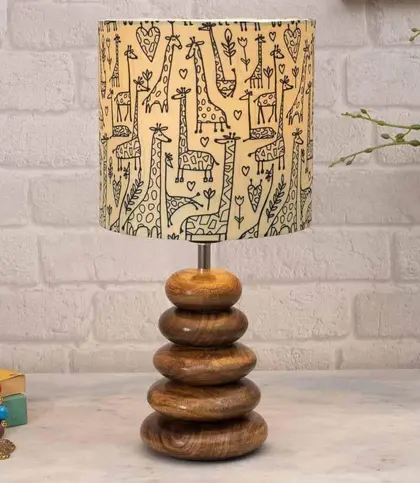
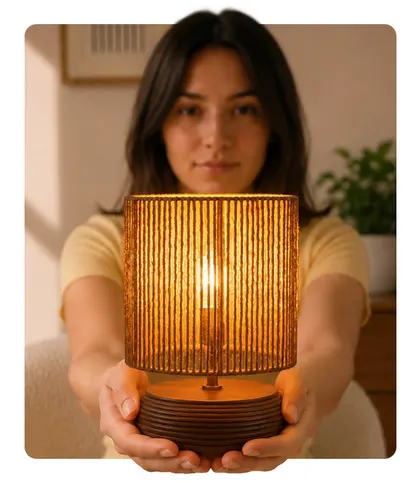
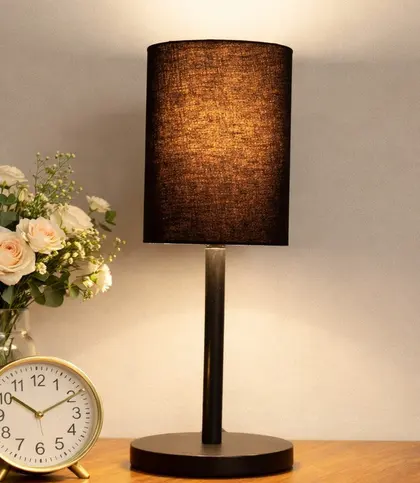
It is not enough to simply place a lamp in a room; its scale, shade and position matter too. In rooms with lower ceilings, a visually slender lamp can help keep the arrangement from feeling heavy. Where you want a softer atmosphere, a darker shade may temper the light. For a brighter effect, consider a lighter-toned shade that allows more light through.
If a floor lamp is not practical for your layout, a table lamp can provide a useful local layer of light. Check the product page for dimensions, bulb details and care guidance before choosing one.
 FastDelivery
₹1,244
₹6,500
81%OFF
 FastDelivery
₹899
₹2,499
64%OFF
Sold Out
₹1,044
₹2,999
65%OFF
4. Layer the lights
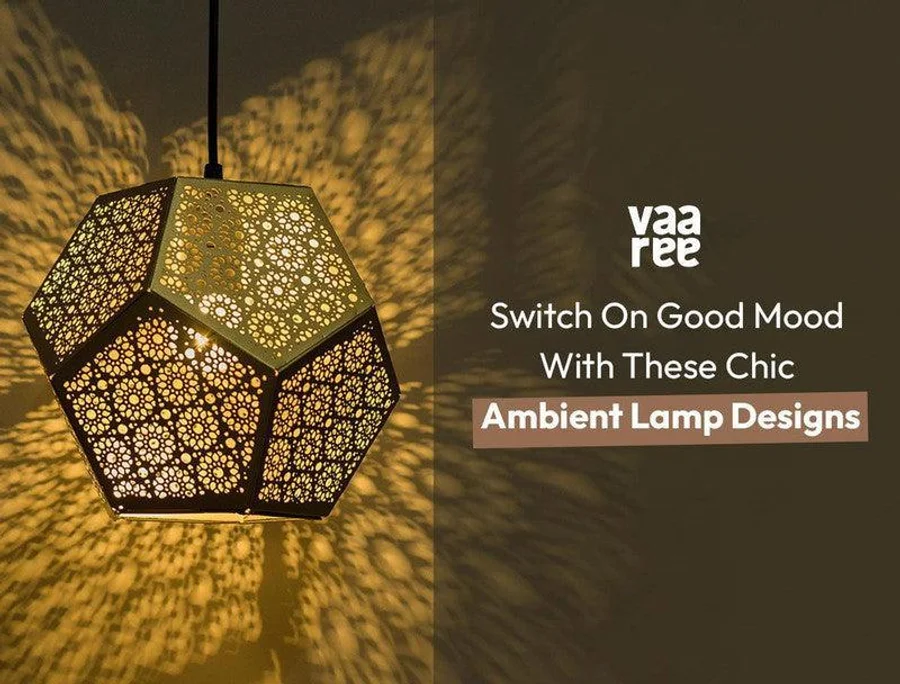
Layering combines three types of lighting in one room: ambient, task and accent lighting. Ambient lighting provides the general illumination. Task lighting focuses on an activity area, such as a reading spot or work surface. Accent lighting adds visual interest and can highlight an architectural detail or decorative object.
Using these layers in balance can prevent a small room from relying on one harsh overhead source. Start with general light, then add focused light where it is needed and a softer decorative layer where it suits the room.

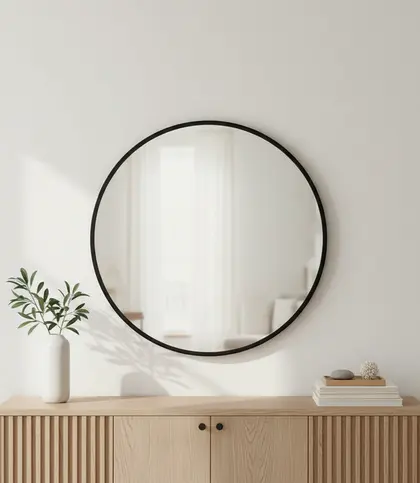
5. Bounce light with mirrors
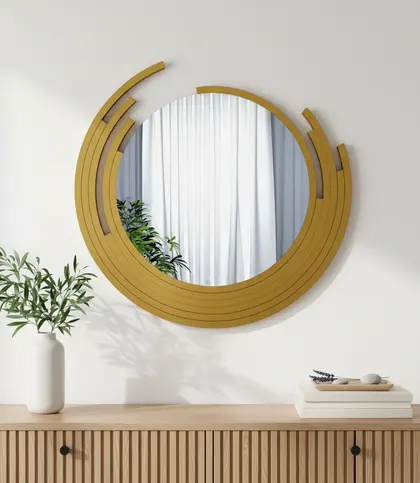
A mirror can reflect daylight and the light already present in a room. Position it opposite or near a window where possible, while being mindful of direct glare. In a room without much natural light, place a mirror where it can reflect a wall or floor light rather than a cluttered view.
Measure the wall and plan what the mirror will reflect. Follow the product’s fixing guidance for the wall surface and weight.
From ₹3,449
₹8,999
62%OFF

Sold Out
₹949
₹2,000
53%OFF
₹1,934
₹2,879
33%OFF

6. Play with colour and shape
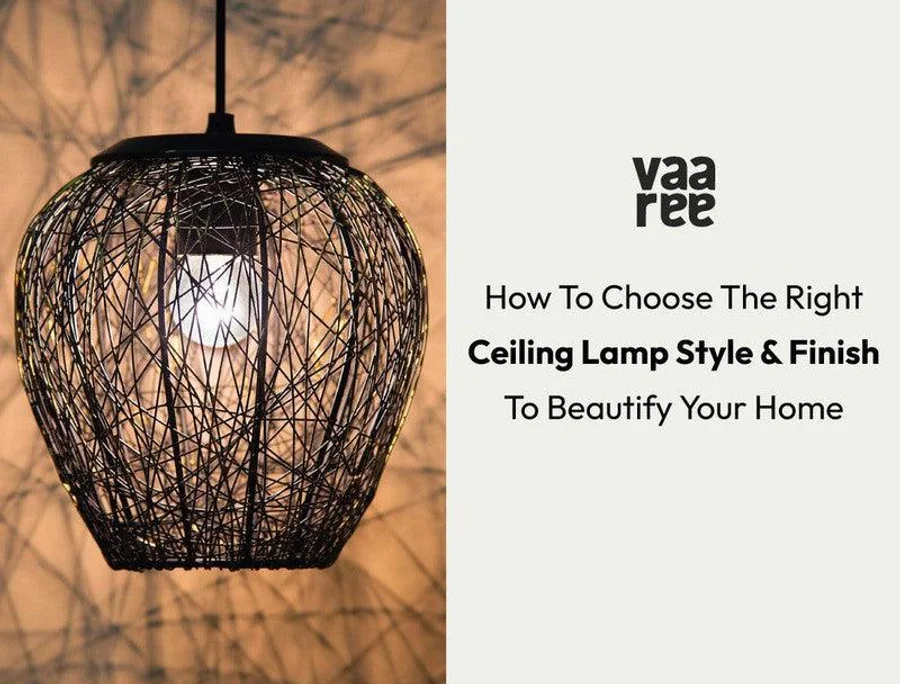
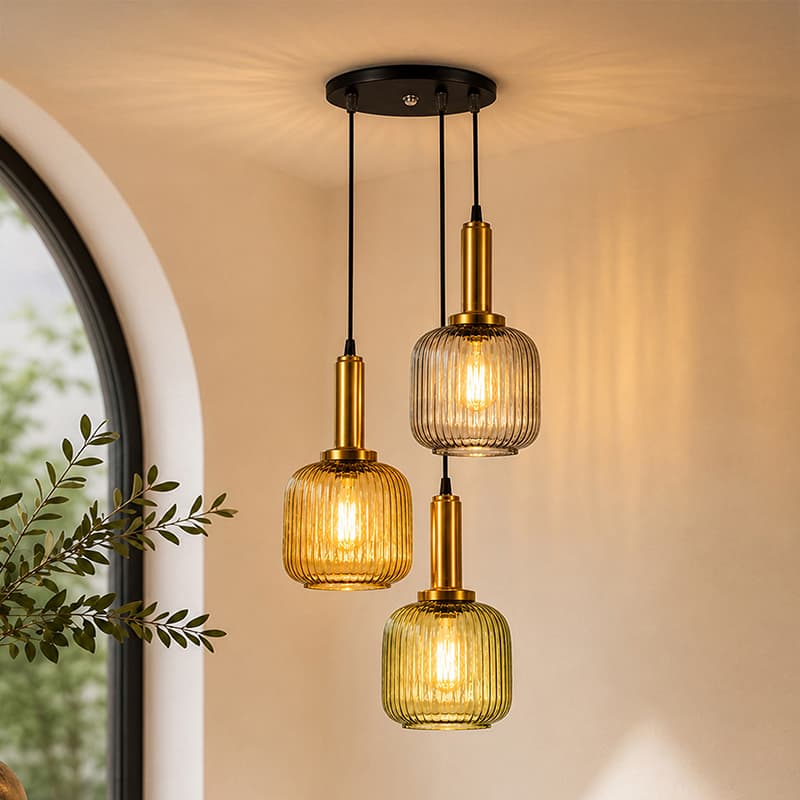
A combination of brighter and softer lighting lets you adapt a room for different moments. Wall fixtures and hanging ceiling lights can keep surfaces clear and draw the eye upward, which may help a compact room feel more open. Choose the shape and placement of each fitting according to ceiling height, circulation space and the areas you want to illuminate.
Explore lighting options by room, placement and style.

Frequently Asked Questions
What type of lighting is best for a small room?
A mix of general, task and accent lighting is often more useful than relying on one source. Wall lamps, pendants and table lamps can all work, depending on the room’s layout and electrical setup.
How can lighting make a room look bigger?
Even illumination can reduce deep shadows and make the edges of a room easier to see. Add light in darker corners, use wall-mounted or ceiling fixtures where appropriate, and use mirrors to reflect available light.
What type of light bulb is best for brightening a room?
Compare the bulb’s stated light output and colour temperature for the activity and mood you want. Check that it is compatible with your fixture and any dimmer before installing it.
How can I create a cosy atmosphere with lighting?
Use layers rather than a single bright overhead light. A table lamp, wall lamp or indirect light can create softer pools of illumination. Position lights so they do not shine directly into seating or work areas, and choose a light level that feels comfortable for the room’s use.
Keep exploring