
₹212
₹359
41%OFF

80 Products
₹212
₹359
41%OFF
₹3,699
₹7,399
50%OFF
₹899
₹1,899
53%OFF
 FastDelivery
₹249
₹2,999
92%OFF
₹2,149
₹2,750
22%OFF
₹1,782
₹3,799
53%OFF
₹249
₹2,999
92%OFF
₹1,614
₹2,599
38%OFF
₹549
₹999
45%OFF
₹549
₹1,749
69%OFF
₹649
₹2,499
74%OFF

Luxe
₹4,347
₹8,039
46%OFF

₹1,567
₹2,299
32%OFF

₹779
₹2,500
69%OFF
₹1,549
₹2,799
45%OFF
₹1,743
₹4,299
59%OFF

₹649
₹1,499
57%OFF
₹349
₹1,499
77%OFF
₹5,224
₹10,199
49%OFF
₹1,259
₹4,199
70%OFF
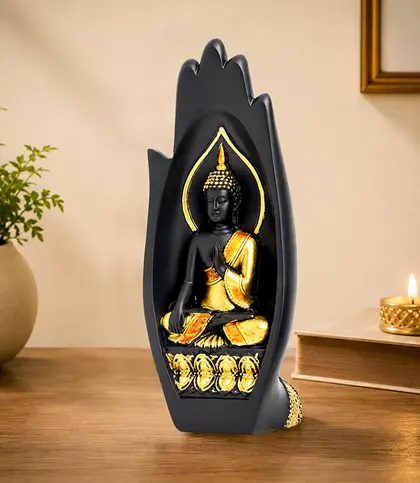
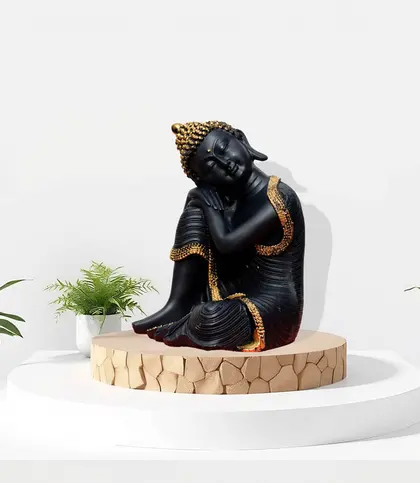
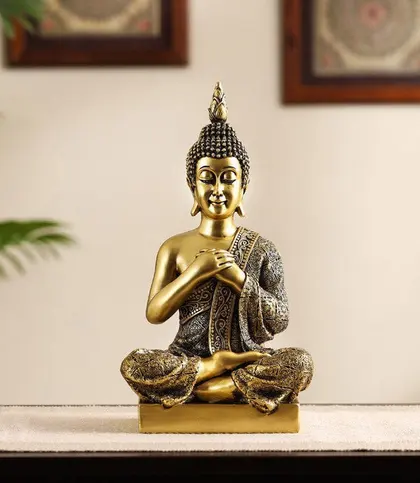
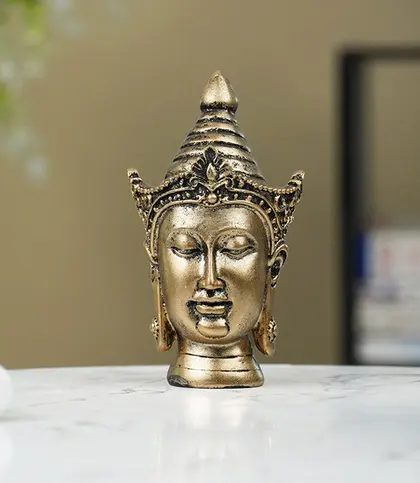
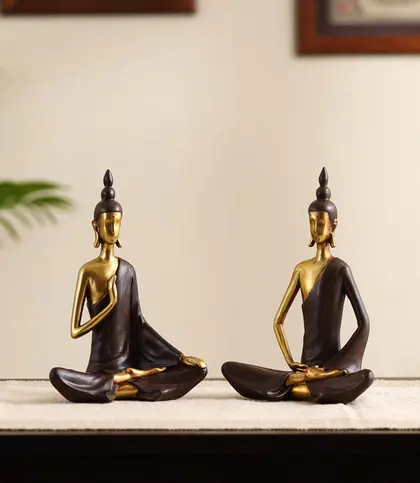
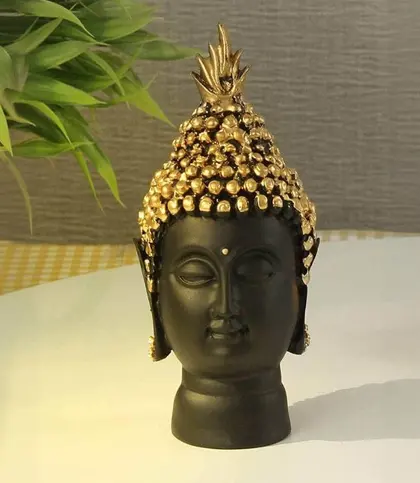
A Buddha statue can be a quiet focal point in a busy living room, a considered detail on a bookshelf or a meaningful addition to a space set aside for reflection. At Vaaree, you can explore decorative figures with different expressions, finishes and visual weight. Start with the place you have in mind, then choose a form that feels appropriate to both the room and your relationship with the image.
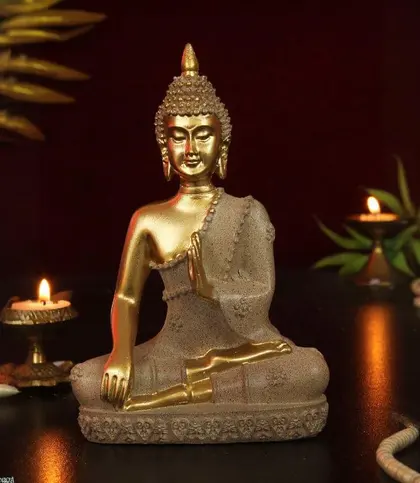
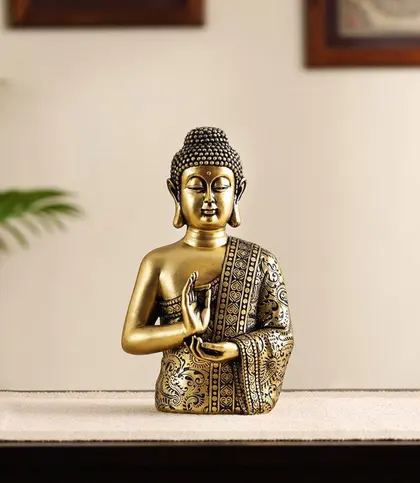
Many shoppers look for a seated figure with a composed expression; others prefer a more playful decorative interpretation. Neither needs an elaborate setting. A clean surface, enough space around the piece and a view that lets you appreciate its details often make a stronger display than a crowded arrangement.
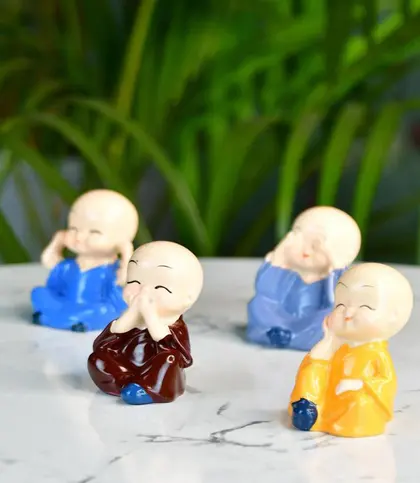
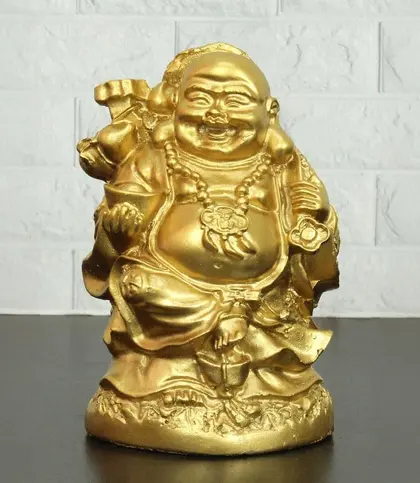
The shape of a statue changes how it reads from across the room. A seated figure tends to create a compact silhouette that works well on a console, side table or deep shelf. A more animated figure can bring character to an informal display. If you are considering a Laughing Buddha, note that this familiar decorative figure has a different cultural identity from depictions of Gautama Buddha; choose it for its own character rather than treating the two forms as interchangeable.
Before choosing a piece, compare its listed height, width and depth with the surface where it will sit. Width matters as much as height: a broad seated base may need more room than a taller, narrower figure. Check the weight too, particularly for a slender shelf or wall-mounted unit. Leave clearance from the edge and enough space to dust around the statue without moving everything else.
Photographs help you judge expression and finish, but they can make scale difficult to assess. Read the dimensions on the individual product page rather than relying on an image of the statue beside furniture.
Polyresin and resin are prominent materials in this collection. They can carry fine surface detail and a range of decorative finishes, making them useful when the expression or texture is central to your choice. Material labels describe the base material, not necessarily the look: a metallic-looking finish does not, by itself, mean the piece is made of metal or brass. Check the individual listing if a particular material is important to you.
Black, gold-toned, brown and grey options offer different styling possibilities. A darker figure can provide contrast against a pale wall or light shelf; a gold-toned finish can stand out against deeper wood; and an earthy brown or grey can sit more quietly among natural textures. Consider the finish under your room’s usual lighting, as well as how it relates to nearby furniture. If you prefer a broader decorative mix, explore Vaaree’s figurine showpieces or showpieces.
For a composed arrangement, let the statue be the focal point. Place it toward the centre or slightly off-centre on a console, then balance it with one lower object rather than several competing pieces. On an open shelf, leave visible space around the outline so the figure does not disappear between books. A contrasting background can help a detailed form stand out without adding clutter.
Some people display Buddha imagery as an expression of faith or as a reminder of Buddhist teachings; others appreciate its sculptural form. In either case, a clean, considered placement is a respectful starting point. If you follow a particular household or spiritual tradition, let that guide decisions about orientation and location. There is no need to treat a prescribed direction as a promise of luck, health or prosperity.
Looking for a display with a different emphasis? Idols and showpieces offer a related direction, while accent showpieces can help you build a balanced arrangement around an existing focal piece.
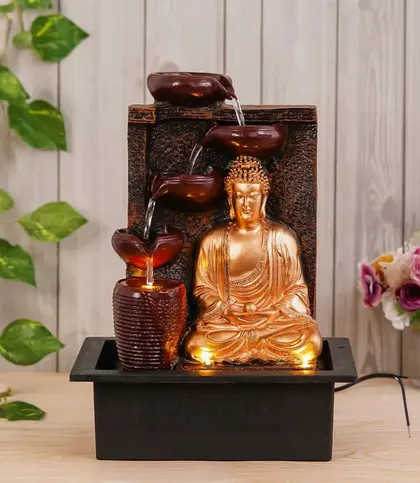
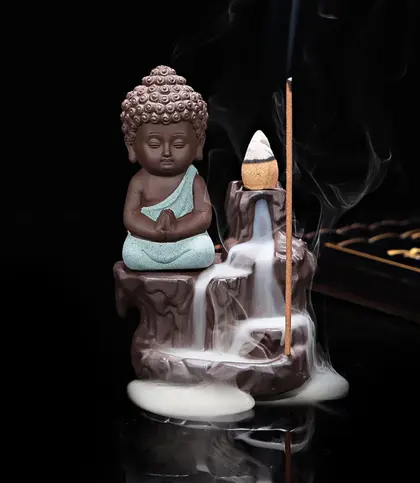
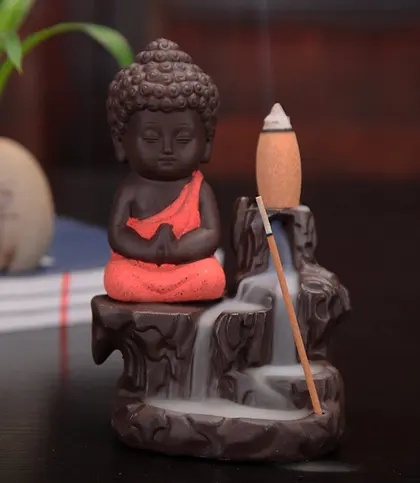
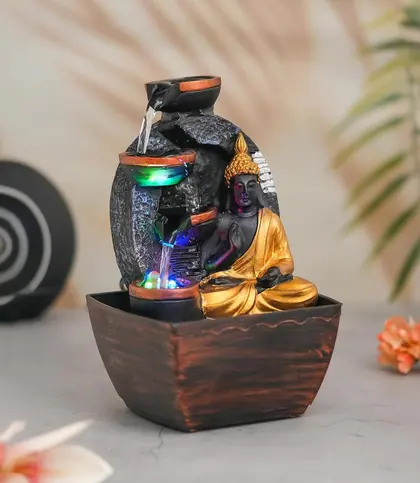
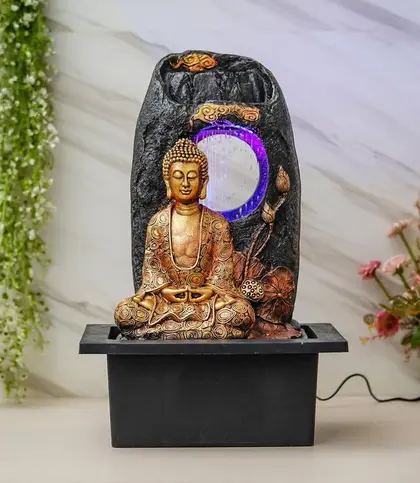
A decorative statue is primarily a figure for display. A fountain or incense format has an additional function, so do not assume that a Buddha-shaped piece circulates water or holds incense simply because it appears in a related search or photograph. Read the individual product title, description and specifications for its intended use, included parts, dimensions and care requirements. If the listing does not clearly describe a functional feature, choose on the basis of the figure itself.
Dust the piece gently with a soft, dry cloth, taking extra care around projecting details and textured areas. Before using water, polish or any cleaner, follow the care instructions for that specific item and finish. Keep a decorative indoor piece away from persistent dampness or harsh exposure unless its listing says it is suitable for that setting. When rearranging your display, lift the statue by its main body rather than a delicate detail.
Measure the available surface and compare it with the listed height, width and depth. Allow room around the base and check the item’s weight if it will sit on a shelf. For a distant focal point, consider whether the figure’s details will still be visible from where you normally sit.
No. A statue may be made solely for display. Only choose it for water or incense use when the individual listing specifically describes that function and explains how the piece is used.
A stable, clean shelf, console or dedicated reflection area can work well. Choose a place where the figure will not be knocked easily and where you can view and care for it comfortably. Follow your own traditions if its placement has religious significance to you.
Vaaree brings together curated, premium, pretty home products, making it easier to consider a Buddha showpiece alongside the colours, textures and decorative pieces already in your home. Compare each listing’s form, material and dimensions to find the one that feels right for your space.