


Best Trifle Bowl: How to Choose the Right One
Quick Answer
The best trifle bowl is not necessarily the tallest or most decorative one. For most layered desserts, choose a clear, stable bowl with enough usable capacity, a wide-enough rim for serving, and dimensions that fit your refrigerator and storage space.
Definitions
Trifle bowl
A bowl intended for layered desserts, typically offering enough height and clear-wall visibility to show successive layers.
Capacity
The approximate volume a bowl can hold; practical usable capacity may be lower when ingredients should remain below the rim.
Pedestal bowl
A serving bowl raised on a stem or foot, giving the dessert added height and visual presence.
Flat-bottomed bowl
A bowl that sits directly on a broad base, generally offering a lower centre of gravity and simpler storage.
Clear-wall visibility
How easily the bowl’s sides allow guests to see the dessert’s layers from the outside.
Best Trifle Bowl: Start With How You Will Use It
The right trifle bowl depends on more than its appearance. Start with the volume of dessert you usually serve, where the bowl will be stored and chilled, how important visible layers are, and whether you need a showpiece for the table or an easy everyday vessel.
A dedicated trifle bowl can make layers look especially inviting, but it is not essential for every occasion. The most practical choice follows a simple order: confirm capacity and physical fit first, then assess visibility and serving access, followed by stability, material, care, and storage.
- Decide whether you usually serve a small meal, a family dessert, or a larger party spread.
- Measure refrigerator shelves, cupboards, and the serving area before favouring a tall design.
- Choose decorative features only after the bowl meets your handling and cleaning needs.
1. Match Capacity and Dimensions to Servings and Storage
Think of bowl size in terms of your usual use rather than choosing solely by visual impact. A smaller vessel can suit intimate meals and compact cupboards, while a larger bowl is more useful for dinner parties, buffets, and festive entertaining. Serving sizes and layer proportions vary, so allow room for the dessert to sit comfortably below the rim rather than relying on a fixed servings conversion.
Check the stated capacity alongside the bowl’s height, widest diameter, and base diameter. These measurements affect whether it fits on a refrigerator shelf, feels manageable when full, and has enough room for a serving spoon. A wide bowl is often easier to portion from, whereas a very tall, narrow vessel can make lower layers harder to reach.
- Leave headroom below the rim for carrying and serving.
- Check refrigerator shelf clearance, not only cupboard space.
- Compare the base diameter with the available space on your table or buffet.
- Choose a broader opening when easy portioning is a priority.
2. Look for Clear Walls, Useful Shape, and Easy Layer Access
If distinct layers are part of the appeal, clear glass or another transparent material makes them easier to see. Opaque ceramic can still be beautiful, but it shifts the emphasis towards colour, pattern, and the dessert at the top rather than the full layered effect.
Straight or gently flared sides generally present layers more consistently than strongly curved walls. A broad rim also gives a serving spoon better access and makes cleaning less awkward. If presentation matters, inspect whether heavy embossing, ribs, or a deep tint might obscure the layers.
- Prioritise clear walls for visible sponge, fruit, custard, and cream layers.
- Look for a rim wide enough to serve without disturbing the top of the dessert.
- Avoid a very narrow opening if you want easier cleaning and access to the bottom.
- Consider gently flared or relatively straight sides for a clear view from the table.
Glass bowl
 FastDelivery
₹699
₹955
27%OFF
₹699
₹972
28%OFF
₹799
₹1,399
43%OFF
 FastDelivery
₹749
₹1,020
27%OFF
₹899
₹3,198
72%OFF
 FastDelivery
₹849
₹982
14%OFF

₹2,299
₹3,359
32%OFF

₹2,299
₹3,359
32%OFF
3. Choose Between a Pedestal and Flat-Bottomed Design
A pedestal trifle bowl adds height and can create a more formal centrepiece effect. It can work well for a dinner party, buffet, or holiday table where the dessert is meant to be seen from around the room. However, a pedestal is not automatically the better choice: its usefulness depends on the width and weight of the base, the overall proportions, and how often the bowl must be moved.
A flat-bottomed bowl generally has a lower centre of gravity and may feel more secure on a crowded table. It is also often simpler to place on a refrigerator shelf or in a cupboard. Choose a pedestal when presentation is the priority and the filled bowl will be handled carefully; choose a flat base when convenience, chilling, and everyday stability matter more.
- Assess base width and balance before choosing a raised design.
- Consider the bowl’s full weight, not just its empty appearance.
- Confirm that a stemmed bowl fits your refrigerator and storage space.
- Use a flat-bottomed vessel for a lower-profile, practical serving option.
4. Compare Materials by Visibility, Weight, Durability, and Care
Glass is a classic choice for a trifle because it gives a clear view of the layers and suits many table settings. Depending on thickness and construction, it can be weighty and needs careful handling around hard surfaces. Crystal can offer a more decorative, premium-looking finish, but its weight, fragility, and care guidance should be considered before regular use.
Ceramic offers colour, pattern, and a substantial feel, although it does not reveal layers in the same way. Acrylic may be lighter and can be useful where easier handling or break resistance matters, but clarity, scratch resistance, and finish differ between designs. No single material is best for every home; weigh appearance against how often the bowl will be carried, washed, and stored.
- Choose glass when clear layer visibility is a central goal.
- Consider crystal for decorative occasions where careful handling is realistic.
- Choose ceramic when surface colour or pattern matters more than transparency.
- Consider acrylic where a lighter vessel better suits the setting.
- Follow the individual item’s care instructions rather than assuming care from the material alone.
5. Check Stability, Cleaning, and Storage Before Buying
A bowl should sit level, feel balanced, and remain steady when someone serves from different angles. A lighter bowl can be easier to lift when full, while a heavier bowl may feel more planted on the table. Consider both qualities together, especially for a large layered dessert.
Read the manufacturer’s care guidance before buying. Dishwasher suitability cannot be assumed from glass, crystal, ceramic, or acrylic alone. Also check whether the bowl’s height works with the dishwasher rack and whether its rim, stem, or broad base can be stored without pressure from other items.
- Look for a level base and balanced proportions.
- Check dishwasher guidance for the specific bowl.
- Measure cupboard openings and dishwasher rack height.
- Protect delicate rims during storage.
- Avoid stacking heavy items on top of a bowl or pedestal base.
6. Consider Alternatives to a Dedicated Trifle Bowl
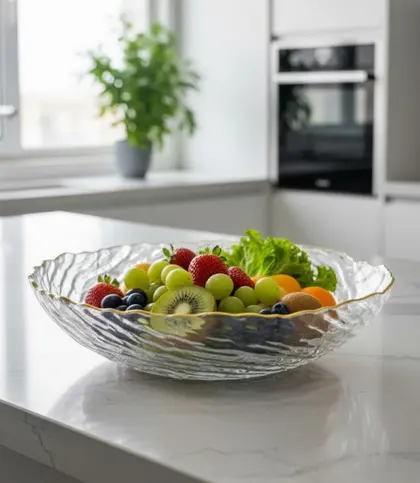
A dedicated trifle bowl is useful when a single, visible layered dessert is the centrepiece. But another vessel may be more practical if you need a lower profile, limited storage, or easier refrigeration. A roomy serving bowl can work well when presentation is less formal, while a clear glass dish can preserve the visual effect if it has enough depth for several layers.
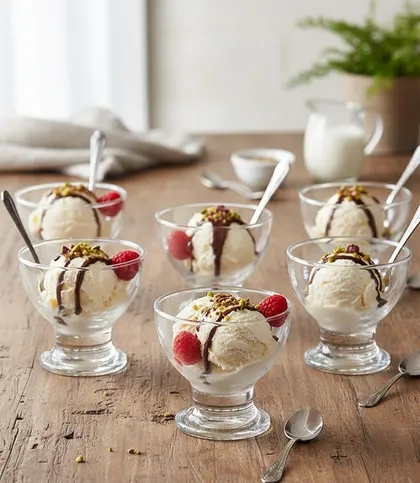
Individual cups are a useful alternative for portion control, smaller gatherings, or different dietary preferences. They can also be easier to chill and store. The trade-off is that individual portions do not create the same table presence as one large dessert.
- Use a serving bowl for a multipurpose, lower-profile option.
- Use a clear glass dish when layer visibility matters but a tall bowl does not fit.
- Choose individual cups for portion control and flexible serving.
- Select an alternative when storage and handling matter more than a classic centrepiece look.
Trifle Bowl Buying Checklist
Before choosing, run through the practical details that are easiest to miss while shopping online or in store. A bowl that suits your usual dessert volume and your available space will be more useful than one chosen only for its decorative silhouette.
- Will it hold your usual dessert with room left below the rim?
- Do its height, widest diameter, and base diameter fit the refrigerator and storage area?
- Are the walls clear enough to show layers as you intend?
- Is the rim wide enough for serving and cleaning?
- Would a pedestal improve your presentation, or would a flat base be more stable?
- Does the material suit your preferred balance of weight, appearance, and handling?
- Does the specific care guidance suit your washing routine?
- Would a serving bowl, glass dish, or individual cups better suit the occasion?
Final Verdict: What Makes the Best Trifle Bowl?
For a visible layered dessert, the practical default is a clear, stable bowl with useful height, a reasonably wide opening, and dimensions that work in your home. Choose capacity from the amount you genuinely serve, rather than simply selecting the largest option.
A pedestal is worth considering when visual presentation is central and the base feels secure. A flat-bottomed design is often the easier choice for handling, refrigeration, and storage. Once those decisions are made, use material, care instructions, and alternative vessel options as sensible tie-breakers.
- Start with required capacity and physical fit.
- Then prioritise layer visibility and spoon access.
- Choose between pedestal and flat base according to serving style and stability.
- Finish by comparing material, cleaning guidance, and storage needs.
Final Verdict
- The best trifle bowl is one that fits your usual dessert volume, refrigerator, and storage space while making serving comfortable.
- For most layered desserts, a clear bowl with stable proportions and a wide-enough rim is a dependable choice.
- Choose a pedestal for visual impact when its base is secure; choose a flat-bottomed bowl when practical handling is the higher priority.
FAQs
What capacity trifle bowl do I need?
Choose capacity according to the amount you usually serve, while leaving space below the rim for finishing layers, carrying, and serving. Because portion sizes and recipes vary, it is more useful to compare your typical dessert volume with the bowl’s usable space than to rely on a universal serving count.
How tall should a trifle bowl be?
It should be tall enough to hold several visible layers but not so tall that it becomes difficult to serve from, refrigerate, or store. Check both the overall height and the opening width before buying.
Is a pedestal trifle bowl better?
A pedestal bowl can give a layered dessert more visual presence, especially for entertaining. A flat-bottomed bowl may be more convenient for crowded tables, refrigeration, storage, and frequent movement. The better option depends on your serving style and the base stability.
What material is best for a trifle bowl?
Glass is often chosen for clear layer visibility, while crystal can provide a more decorative look. Ceramic offers colour and pattern but hides the layers, and acrylic may be lighter for some settings. Compare weight, appearance, handling needs, and care instructions for the specific piece.
Should a trifle bowl have straight sides?
Straight or gently flared sides generally make layers easier to view consistently and can improve spoon access. They are not essential, but very curved walls may make layers look less even from the outside.
Are trifle bowls dishwasher safe?
Some are, but dishwasher suitability varies by product, finish, and material. Always use the manufacturer’s care instructions instead of assuming that every glass, crystal, ceramic, or acrylic bowl can go in the dishwasher.
How do I store a large trifle bowl?
Measure the cupboard opening and shelf depth before purchase. Store the bowl where its rim and any pedestal stem will not be pressed by heavier items, and avoid stacking objects inside or on top of it if that could cause damage.
Can I use a serving bowl instead of a trifle bowl?
Yes. A serving bowl can be a practical substitute when you want a multipurpose vessel or a lower profile. A clear glass dish works well when layer visibility matters, while individual cups suit portioned desserts and smaller gatherings.