Quick Answer
The best shag rug is the one that matches the room’s traffic, your comfort priorities and the care you can realistically give it. Deep shag is often most rewarding in low-traffic bedrooms and cosy seating zones, while a shorter pile or lower-pile rug can be more practical for busy, spill-prone spaces.
Definitions
Shag rug
A rug with visibly long, loose, or high-cut fibres that create a soft, textured surface and a pronounced underfoot feel.
Pile height
The height or length of a rug’s fibres above its backing; greater pile generally feels plusher but can require more effort to vacuum and maintain.
Backing
The material or construction on the underside of a rug that holds the fibres together and affects stability, flexibility, and floor compatibility.
Rug pad
A layer placed beneath a rug to help reduce sliding, protect the floor, improve cushioning, and support a more even lay.
Best Shag Rugs: Choose by Room, Comfort, and Care
There is no single best shag rug for every home. The right choice depends on where it will sit, how often people walk across it, who uses the room, the feel you want underfoot, and how much routine cleaning you are prepared to do.
Shag rugs bring noticeable softness and texture, so they tend to suit comfort-led, low- to moderate-traffic spaces particularly well. In areas exposed to outdoor dirt, food, frequent chair movement or everyday rushing around, their long fibres can demand more attention than a lower-pile alternative.
- Start with the room and its daily activity.
- Choose pile height according to comfort and maintenance tolerance.
- Check fibre, backing, edge finishing and care instructions before deciding.
- Keep deep pile away from busy routes, door swings and furniture that needs frequent movement.
What Defines a Shag Rug?
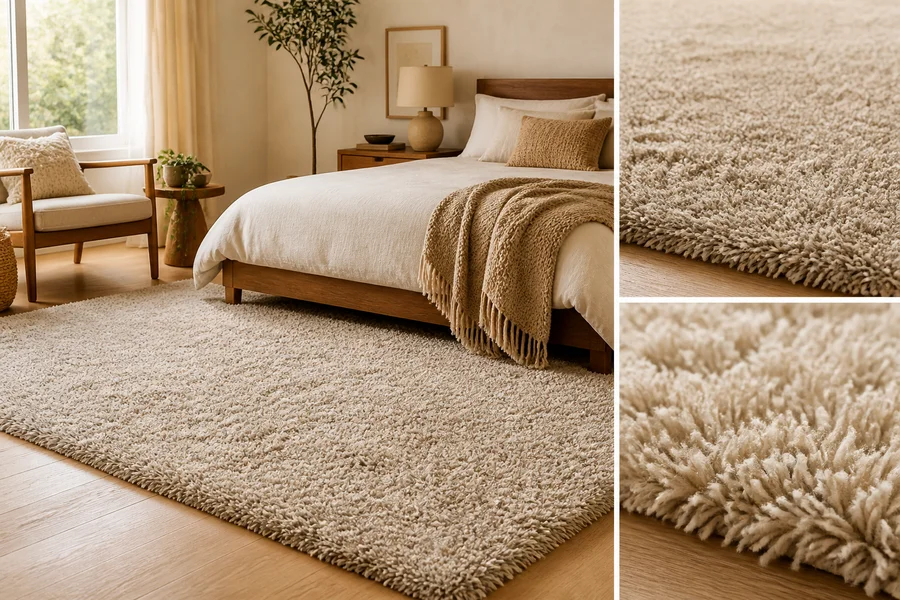
A shag rug is defined by a visibly raised, longer pile. Its fibres create a tactile surface with movement, depth and a softer feel than many flatter woven rugs. The exact look varies: some shags have a neat, dense finish, while others have looser or more separated fibres.
Pile height changes more than appearance. A shorter shag can retain the textured character while being easier to vacuum and more stable to walk across. Medium pile offers a balance of softness and everyday usability. A deeper shag delivers a more cushioned, lounge-like feel, but crumbs, hair and dust can be harder to reach and furniture may sit less evenly on it.
A rug that looks especially thick is not automatically the best choice. Consider door clearance, vacuum access, the room’s walking routes and how often the rug will need cleaning alongside its softness.
- Shorter shag: textured feel with relatively easier day-to-day access for vacuuming.
- Medium shag: a balanced option for comfort-focused rooms with regular use.
- Deeper shag: best considered where maximum softness matters more than quick cleaning and frequent furniture movement.
Shag Rug Materials Compared
Material is useful as a starting point, but it should not be treated as a guarantee of softness, shedding, resilience or cleaning performance. Fibre blend, pile density, backing, finish and the maker’s care instructions all affect how a particular rug performs at home.
Polyester is a commonly considered synthetic option for shag rugs and may suit shoppers looking for a soft texture with straightforward care guidance. Check the individual rug’s label for compatible cleaning methods and inspect whether the pile feels sufficiently dense for the intended use.
Acrylic can create a soft, wool-like appearance and feel. As with any fibre, assess the construction rather than relying on the material name alone, especially if the rug will be used often.
Cotton shag can give a casual, lighter-feeling finish, though the suitability of a particular rug depends on its weave, backing and stated wash or cleaning instructions. Wool blends are often chosen for their feel and finish, but should be assessed individually for construction, fibre mix and care requirements.
- Compare the actual fibre blend, not just the headline material.
- Look for consistent pile density and secure edge finishing.
- Review the care label before choosing a rug for a spill-prone room.
- Consider how the backing and pile construction suit the floor and expected use.
Where Should You Use a Shag Rug?
Bedrooms, reading nooks and relaxed seating areas are natural places to consider shag. These spaces often benefit from warmth and softness, and they usually place less concentrated wear on the rug than a main circulation route.
A living room can work well when the rug defines a seating zone rather than covering the most-used path through the room. Think about where people enter, where they turn around furniture and whether a coffee table, sofa legs or doors will interact with the pile.
Use more caution in entrances, corridors and dining areas. Outdoor footwear, food, chair legs and repeated movement can make a long pile harder to keep looking and feeling as intended. For pets, consider hair, claws, snagging, odours and the likelihood of accidents. For children, factor in crawling, toys, spills and how often you will need to clean around the pile.
A nursery requires the same practical checks as any other room: assess the specific rug’s materials, construction, care label, placement and the household’s cleaning needs. Avoid assuming that any one pile type or fibre is suitable for every family.
- Good candidates: bedrooms, reading corners and defined, lower-wear seating zones.
- Consider carefully: living rooms with a clear seating area and manageable foot traffic.
- Usually less convenient: entrances, corridors, dining zones and other high-mess locations.
- For active homes, weigh the rug’s texture against realistic cleaning frequency.
How to Choose Pile Height, Size, Colour, and Construction
Choose pile height by use, not appearance alone. A shorter shag is generally easier to vacuum and offers a steadier surface for regular walking. Choose a deeper pile when a plush feel is the main priority and you are comfortable with more careful maintenance.
Select a size that anchors the intended sleeping or seating area without putting a high-pile edge in a narrow route, beneath a door or where furniture will catch repeatedly. In a reading nook or small feature area, a round rug can create a softer visual boundary when that suits the layout.
Colour affects how marks and flattening may appear visually, not whether the rug needs cleaning. Lighter neutrals can create an airy look but may make marks more noticeable. Darker or variegated finishes may make day-to-day variation less obvious, while still requiring appropriate care.
Finally, inspect the construction. Look at pile consistency, fibre density, edge finishing and backing. A rug should lie as flat as its design allows and suit the floor beneath it before you commit to the placement.
- Prioritise shorter shag for regular vacuuming, walking and furniture movement.
- Reserve deeper pile for comfort-focused, lower-wear placement.
- Keep high-pile edges clear of doors and tight walking paths.
- Choose colour for the look you want, while allowing for the maintenance it may show.
- Check the backing and edges as closely as the top surface.
How to Clean and Maintain a Shag Rug
Follow the care label for the specific rug first. Cleaning guidance can differ according to fibre, dyes, backing and construction, so a method that suits one shag rug may not suit another.
For routine care, remove loose dirt gently and regularly, taking care not to pull or damage longer fibres. Rotate the rug occasionally, where practical, to distribute exposure and wear. Deep pile can hold crumbs, dust and pet hair more readily than a lower-pile surface, so allow extra time for maintenance.
Treat spills promptly by blotting rather than aggressively rubbing. Use only a cleaning approach compatible with the stated care instructions. For difficult, set-in or uncertain stains, seek specialist advice rather than testing an unsuitable treatment on the pile or backing.
Check that the backing works with your floor surface. A suitable rug pad can add cushioning, help the rug lie more consistently and reduce movement, but it must be compatible with both the rug and flooring. Make sure the combined height does not obstruct doors or create raised edges that could become a trip concern.
- Read the rug’s care label before vacuuming, washing or using a cleaning product.
- Remove loose debris regularly and gently.
- Blot spills promptly; do not scrub the pile aggressively.
- Rotate periodically when the placement and rug design allow.
- Check pad, backing and floor compatibility before installation.
When Is a Lower-Pile Rug a Better Choice?
A lower-pile rug is often the more practical choice when a room sees heavy foot traffic, frequent spills, dining furniture, rolling chairs, active pets or regular play. Its surface is typically easier to vacuum, spot clean and move furniture across than a deeper shag pile.
Choosing lower pile does not mean giving up comfort. Fibre feel, weave texture and a suitable rug pad can still create a pleasant surface underfoot while reducing the day-to-day effort associated with long fibres.
Before making a final choice, assess the room honestly. If the rug needs to cope with constant activity and quick cleaning matters more than a deeply plush feel, compare lower-pile area rugs alongside shag options.
- How busy is the room each day?
- Will food, drinks, outdoor footwear or pet mess reach the rug?
- Do chairs, doors or other furniture need to move over it?
- How much time can you devote to vacuuming and spot care?
- Does the pile height work with the backing, pad, floor and room layout?
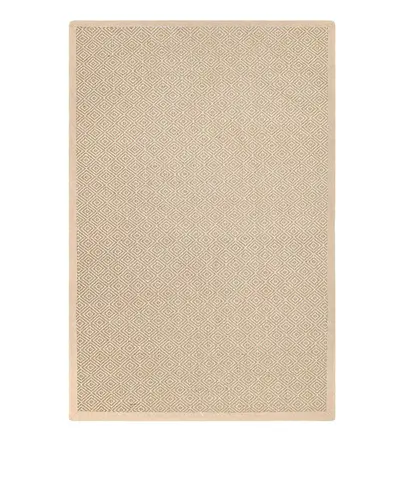
Browse rugs to compare with the options discussed above. Check each listing’s pile height, dimensions and care guidance; this is a general rug selection, not a shag-only range.
Rugs

₹849
₹999
15%OFF
₹2,699
₹5,398
50%OFF

₹1,749
₹2,299
24%OFF
 FastDelivery
From ₹1,799
₹2,399
22%OFF
₹1,277
₹1,525
16%OFF
₹459
₹1,599
71%OFF
₹764
₹1,150
34%OFF
From ₹1,799
₹2,399
26%OFF
Frequently Asked Questions About Shag Rugs
These answers offer general decision guidance. Always follow the care instructions supplied with the particular rug you choose.
Final Verdict
- Choose a shag rug when soft underfoot comfort is a leading priority and the room has low to moderate traffic, such as a bedroom, reading nook or defined seating area.
- If easier upkeep matters, look for a shorter shag pile, inspect the fibre and construction carefully, and pair the rug with a compatible pad where appropriate.
- Choose a lower-pile rug instead when the room is busy, spill-prone, used by active pets or children, or requires frequent chair and furniture movement.
- The most suitable choice is the one that balances texture, pile height, care requirements, construction, placement and your household’s everyday routine.
FAQs
What defines a shag rug?
A shag rug has a visibly raised, long or loose pile that creates a soft, textured surface. It may have a shorter, medium or deeper pile, each offering a different balance of plushness, stability and cleaning effort.
Which shag rug material is easiest to maintain?
There is no universally easiest material because fibre blend, pile density, backing and the care label all matter. Polyester and other synthetic options are often considered for practical care, but check the instructions for the specific rug before choosing.
Are shag rugs suitable for high-traffic rooms?
They can be used in a defined lower-wear area of a living room, but deep shag is usually less convenient in main walkways, entrances and corridors. A shorter shag or lower-pile rug is often easier to manage in busy spaces.
Are shag rugs practical with pets and children?
That depends on the household and rug. Consider pet hair, claws, odours, toys, spills, crawling and your cleaning routine. A shorter pile may be simpler to maintain than a deeper shag where frequent mess is likely.
What pile height should I choose for a shag rug?
Choose a shorter shag for easier vacuuming and steadier everyday walking. Choose a deeper pile if a cushioned, plush feel is more important and you can accommodate more careful cleaning and placement.
How do you clean and maintain a shag rug?
Follow the specific care label. Remove loose dirt gently on a regular basis, blot spills promptly instead of rubbing, and use only cleaning methods compatible with the fibre and backing. Seek specialist help for difficult or uncertain stains.
What backing or rug pad works with a shag rug?
Choose a pad that is compatible with both the rug backing and your flooring. It can support cushioning and reduce movement, but check that the rug-and-pad combination lies flat, clears doors and does not create raised edges.
When is a lower-pile rug a better option?
A lower-pile rug is worth comparing in high-traffic, spill-prone or furniture-heavy rooms, and in homes where quick cleaning is important. It can still feel comfortable through its fibre, texture and an appropriate rug pad.
Keep exploring