


Best Area Rugs for Living Room: A Practical Buying Guide
Quick Answer
The best area rug for a living room fits the seating layout, works with your household’s traffic and cleaning routine, and suits the floor beneath it. Measure first, then choose material, pile, shape, construction, and upkeep requirements before deciding on decorative details.
Definitions
Area rug
A movable floor covering used to define and anchor a furniture or seating zone without covering the entire living-room floor.
Pile
The raised surface fibres or yarns of a rug. Pile height describes the length of those fibres, while pile density describes how closely they are packed.
Backing
The material or structure on the underside of a rug that supports its construction and affects stability, floor contact, and care requirements.
High-traffic area
A part of the living room that receives frequent walking, play, pets, or furniture movement and therefore needs more forgiving construction and maintenance.
Total ownership cost
The purchase price combined with likely cleaning, upkeep, replacement, and floor-protection considerations over the rug’s useful life.
Best Area Rugs for Living Room: Start With the Decision, Not the Decor
There is no single best living-room rug for every home. A soft, textured rug may suit a low-traffic seating area, while a flatter, easier-care option can make more sense where children, pets, frequent guests, or moving chairs are part of daily life.
Make the decision in this order: assess the furniture layout and rug size, choose a suitable material, decide on pile height and shape, then check construction, floor compatibility, maintenance, and overall value. Once these practical points work, you can narrow the look, colour, and texture with more confidence.
- Start with the seating zone rather than the room’s empty floor area.
- Choose a material and pile that match how the room is actually used.
- Check the underside, edges, and care guidance before committing to a design.
Living Room Carpet
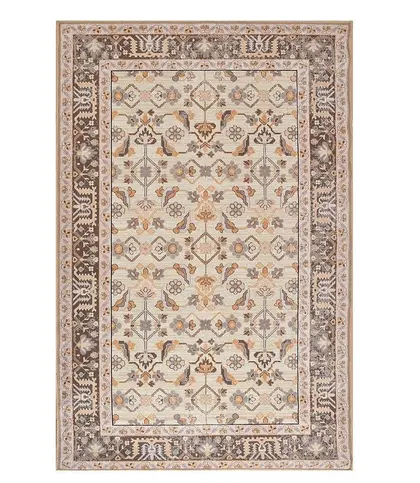
₹1,757
₹2,158
19%OFF
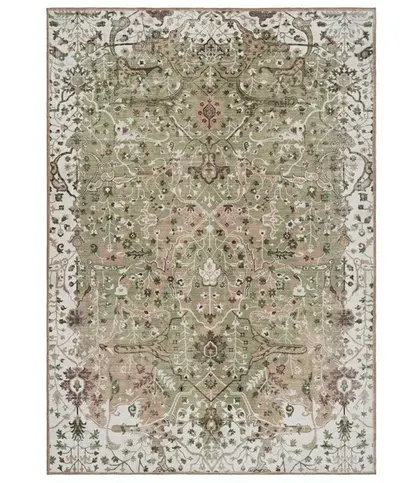
From ₹3,238
₹4,999
36%OFF
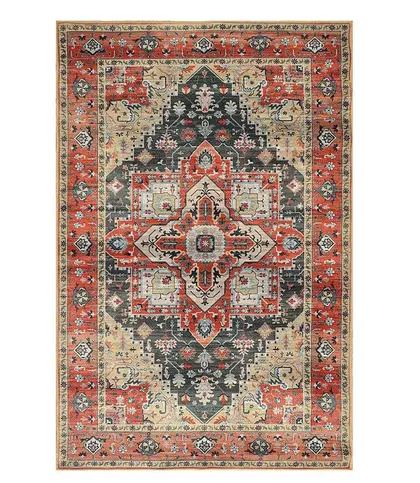
₹1,757
₹2,158
19%OFF

From ₹2,799
₹3,799
27%OFF
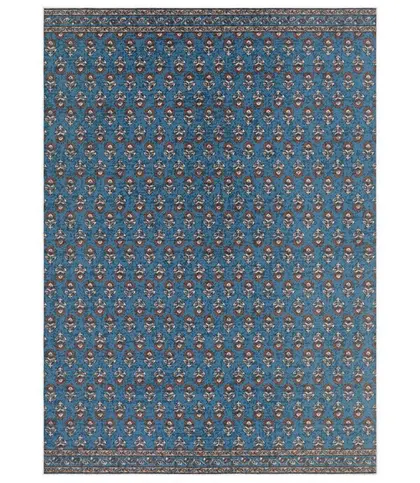
From ₹1,007
₹1,299
35%OFF

From ₹2,799
₹3,799
26%OFF
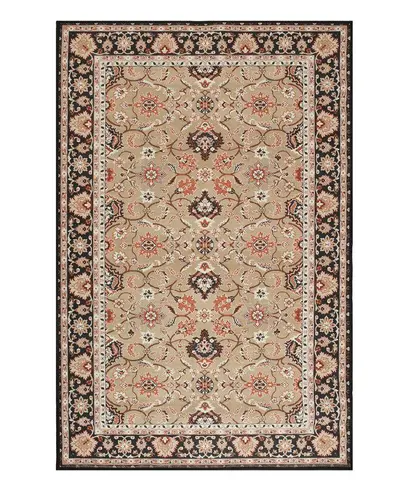
₹1,757
₹2,158
19%OFF
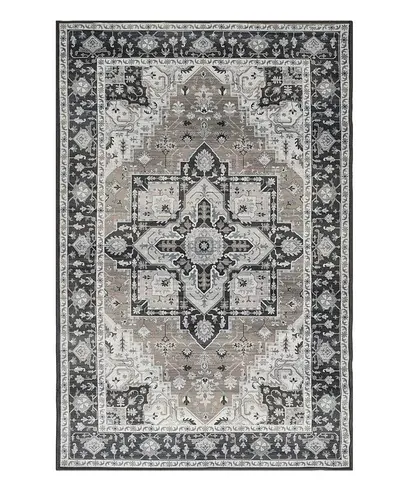
₹1,757
₹2,158
19%OFF
Choose the Rug Size for Your Living-Room Furniture Layout
A rug should give the seating group a deliberate visual boundary rather than appearing as a small island beneath a coffee table. Measure the outer footprint of the sofa, chairs, and coffee table, then add the amount of rug you want visible beneath or beyond the furniture. Mark the proposed edges with tape before buying and confirm the actual product dimensions rather than relying on a standard size label.
For a sofa and coffee-table arrangement, a common starting point is a rug wide enough to extend beyond the coffee table and reach the sofa’s front legs. A compact sofa zone may suit a commonly available 120 x 180 cm or 150 x 210 cm format when clearances allow; a larger sofa with chairs often needs a 180 x 270 cm or 240 x 300 cm format to connect the main seats. These are planning examples, not fixed rules: the measured furniture footprint, room proportions, and product dimensions should decide the final size.
With a sofa and two chairs, aim for the front legs of the main seats to relate to the rug where the room allows. A sectional often benefits from a rug that reaches beneath the front edges of both arms of the seating arrangement. In a very compact group, a coffee-table-only placement can work, but map it first to make sure the rug does not look undersized.
- Measure the outer footprint of the seating group, not just the coffee table.
- Use tape to test rug edges, including the desired extension beyond furniture.
- For a compact sofa layout, test smaller common formats only after checking furniture width and pathways.
- For a sofa with chairs or a sectional, test larger common formats that can reach the front legs of the main seating.
- Check door swings, vents, uneven furniture legs, and clear walking routes before purchase.
 FastDelivery
From ₹1,799
₹2,399
22%OFF
Compare Wool, Cotton, Synthetic, Jute, and Blended Rugs
Material affects feel, texture, routine care, and how a rug responds to the demands of a busy living room. It should be chosen for the household, not treated as a universal quality ranking.
Wool is valued for its warm feel, natural texture, and resilience under normal use, though some wool rugs can shed and may need more considered care. Cotton can feel lighter and approachable for everyday spaces, but its practical care depends on the weave, backing, size, and label instructions. Synthetic fibres appeal to many busy households because they can be convenient for routine care, although fibre type, finish, density, and construction still matter.
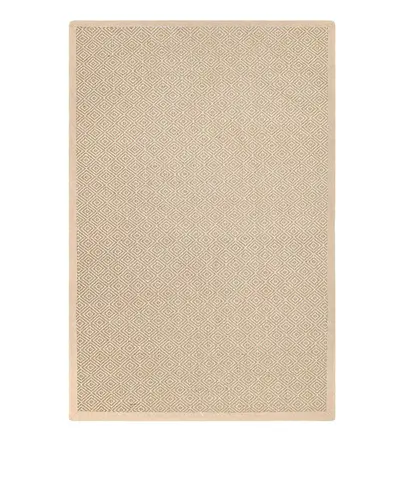
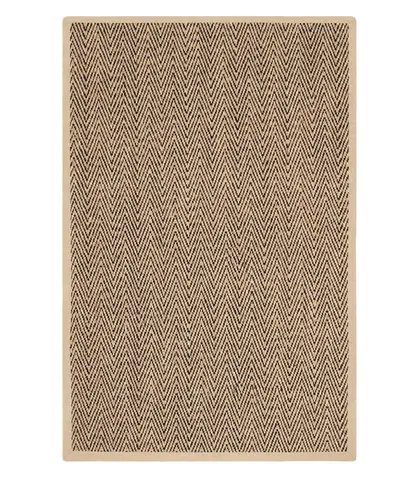
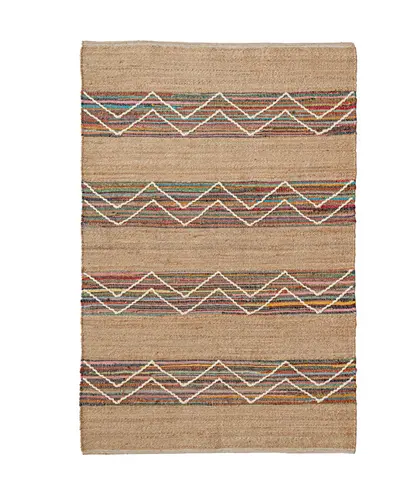
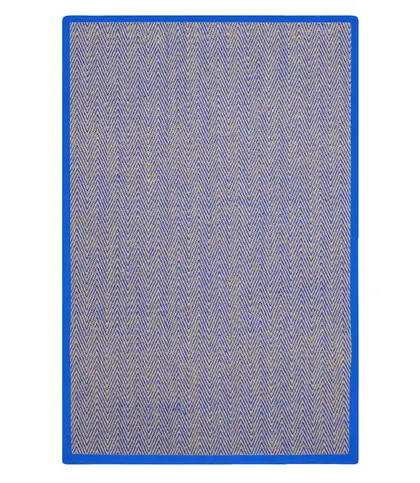
Jute brings tactile, natural-looking texture and visual warmth. It can feel rougher underfoot than softer fibres and may be less forgiving around moisture, shedding, or intensive spot cleaning. Blended rugs combine fibres to balance appearance, feel, construction, and upkeep; check the actual fibre mix rather than assuming all blends perform alike.
For homes with pets or children, consider how quickly spills need attention, how much hair and debris the surface may hold, and whether the care guidance is realistic for your routine. Allergy-sensitive households may benefit more from regular cleaning and attention to pile density and dust retention than from relying on any material to be allergy-proof.
- Choose wool when comfort and natural texture matter and its care needs fit your routine.
- Consider cotton for lighter everyday use, subject to the rug’s construction and care label.
- Assess synthetic options for practical routine care while checking the specific fibre and finish.
- Choose jute for texture and natural character only if its feel and moisture limitations suit the room.
- Read the fibre composition of blends to understand what you are bringing home.
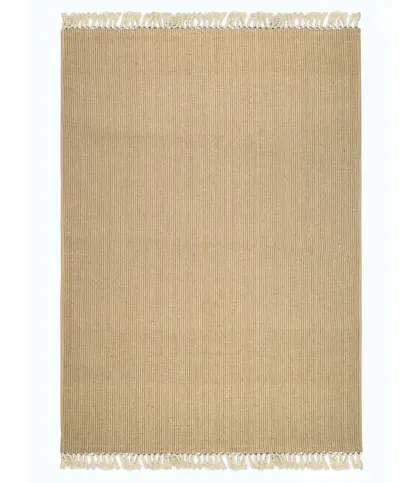
From ₹1,799
₹2,399
27%OFF
Jute Rugs
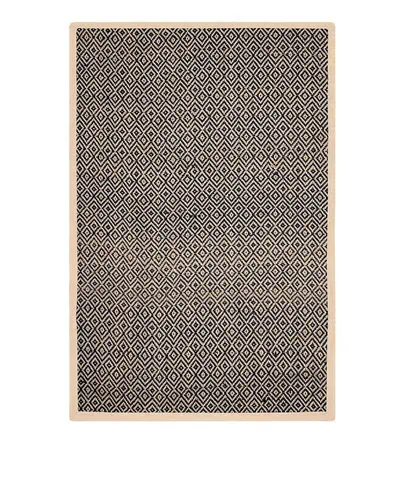
From ₹1,799
₹2,399
26%OFF
FastDeliveryFrom ₹1,799
₹2,399
22%OFF
From ₹1,799
₹2,399
26%OFF
From ₹1,799
₹2,399
26%OFF
From ₹1,799
₹2,399
27%OFF
From ₹1,599
₹3,198
50%OFF
From ₹1,799
₹2,399
26%OFF
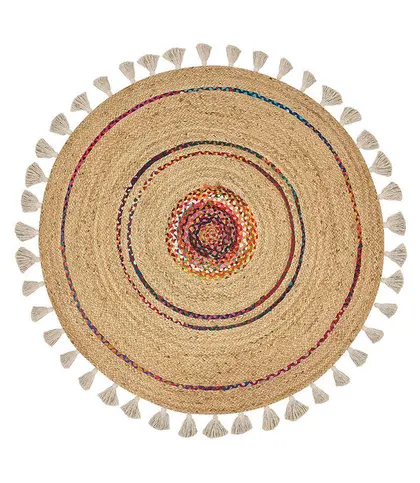
₹1,849
₹3,000
38%OFF
Woolen Rugs & Carpets
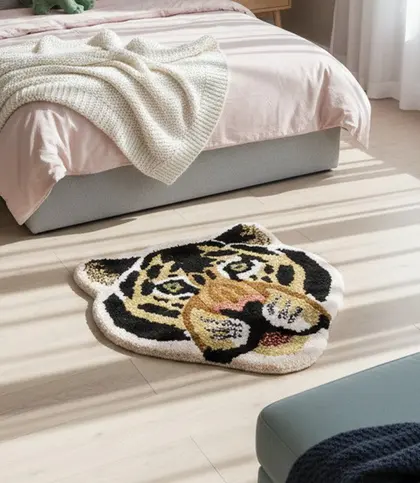
₹427
₹699
39%OFF
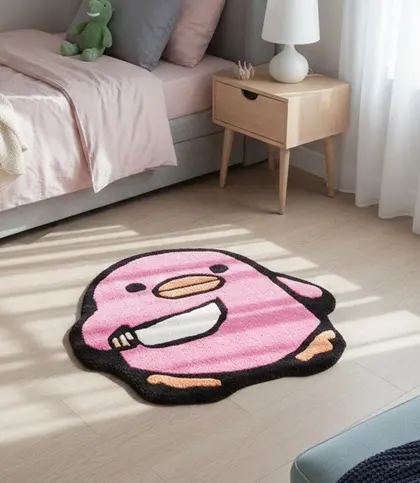
₹4,084
₹6,099
33%OFF
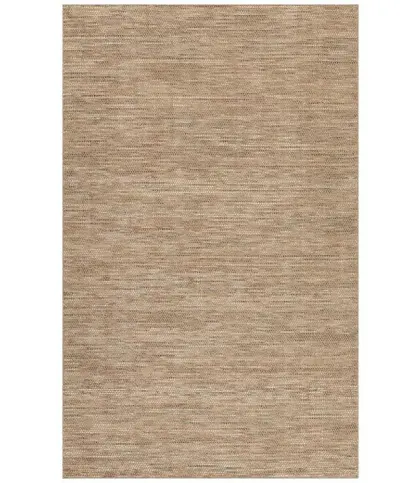
From ₹6,150
₹9,630
37%OFF
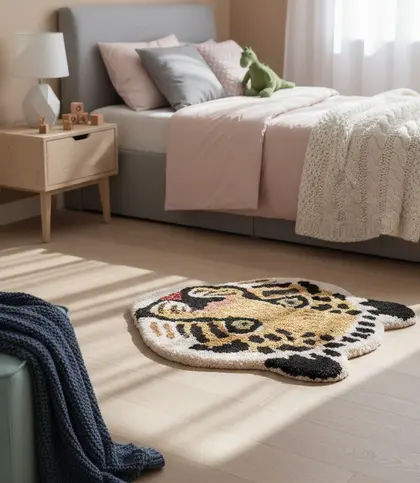
₹427
₹699
39%OFF
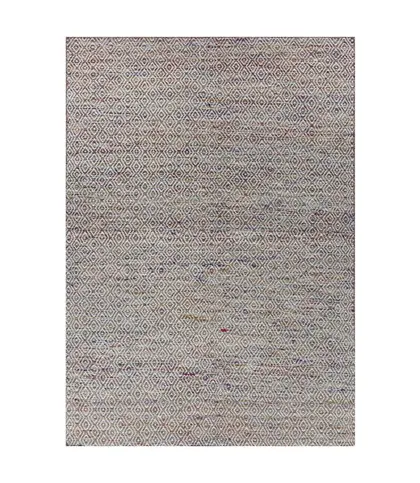
₹18,849
₹26,930
30%OFF
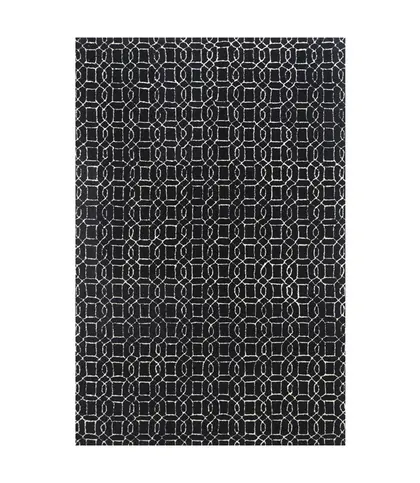
₹14,869
₹24,780
40%OFF
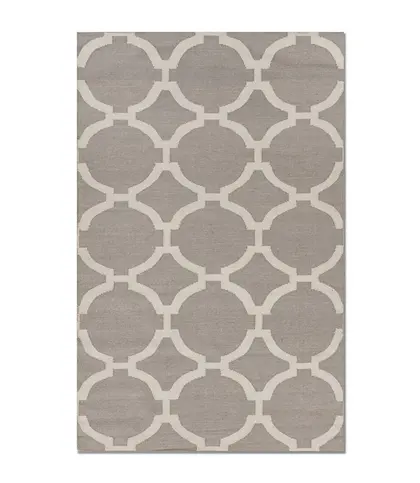
₹13,969
₹19,950
30%OFF
₹18,849
₹26,930
30%OFF
Low-, Medium-, or High-Pile: Which Construction Fits Your Room?
Pile height changes how a rug feels, how easily furniture moves across it, and how much effort routine cleaning may take. It is an important filter, but it does not determine quality on its own; density, fibre, weave, finishing, and household use matter too.
Low-pile rugs are generally flatter, making them practical for frequent foot traffic, chairs used within a living zone, and homes that need easier access for vacuuming. They may not feel as plush as thicker options. Medium pile offers a middle ground between underfoot softness and day-to-day manageability, although performance still depends on the fibres and density.
High-pile rugs can add softness and visual depth to a comfort-focused seating area. They may also hold more debris, require more attentive vacuuming, and make some furniture less stable. Before choosing one, check whether doors clear the surface and whether robot vacuums, vacuum heads, and movable furniture can manage the height.
- Choose low pile when frequent movement and simpler vacuuming are priorities.
- Consider medium pile for a balance of comfort and routine upkeep.
- Choose high pile when softness matters and you can accommodate more attentive care.
- Check pile height against door clearance, furniture stability, and cleaning-tool compatibility.
₹16,159
₹26,930
40%OFF
Select the Right Rug Shape for the Living-Room Layout
The most suitable rug shape follows the furniture footprint and circulation paths rather than a style preference alone. A rectangular rug works with most sofas, sectionals, and linear seating arrangements because it echoes their long edges and creates a clear shared zone.
Round rugs can be useful beneath compact conversational seating, near curved furniture, or in a room that needs a softer boundary. They require careful placement so chairs and tables do not feel partly disconnected from the rug. Irregular or organic outlines can help with unusual room shapes, but map them on the floor first because furniture placement may be less flexible and replacing the rug later can be more difficult.
Whichever shape you choose, use the outer edge of the seating arrangement and the main walking path as your guide. The goal is a clear seating zone that does not interrupt movement through the room.
- Use rectangular rugs for most sofa-led and sectional layouts.
- Consider a round rug for compact or curved conversational arrangements.
- Map irregular shapes before buying to confirm that furniture and paths still work.
- Keep shape secondary to the measured seating footprint.
Check Construction, Backing, and Floor Compatibility
Construction affects surface texture, edges, and care expectations. A handwoven, handloomed, or tufted rug can each feel different underfoot and may have different characteristics around shedding, borders, and cleaning. Inspect product details rather than making assumptions based on a construction name alone.
Look closely at seams, edge finishing, borders, and fringe. These details deserve extra attention in a high-traffic path, around playful pets, or where a vacuum may catch on a decorative edge. Backing also matters: some rugs have anti-slip features, while others may need separate floor-safe support chosen for both the rug and flooring involved.
Follow both the rug maker’s care guidance and the floor manufacturer’s guidance for wood, tile, laminate, vinyl, or other surfaces. If the floor is sensitive, consider the potential for moisture exposure, colour transfer, and prolonged contact, and test cautiously in an inconspicuous area when appropriate.
- Check how the rug is made, along with its edge and border finishing.
- Confirm whether an anti-slip feature is specified for the individual rug.
- Do not assume an anti-slip backing suits every floor finish.
- Keep moisture away from rugs and sensitive flooring where possible.
- Review care and floor-compatibility guidance before installation.
From ₹1,799
₹2,399
26%OFF
Match Maintenance Needs to Your Household
A rug stays more manageable when its care requirements match your routine. Plan for regular vacuuming, prompt attention to spills, occasional rotation to distribute use, and the cleaning method stated on the care label. Do not treat any fibre as stain-proof, non-shedding, or maintenance-free.
Low-pile surfaces may make surface debris easier to reach, while high-pile constructions can need more deliberate vacuuming. Natural, synthetic, and blended fibres each vary by weave, finish, colour, and backing, so the label is more useful than broad material assumptions when a specific spill occurs.
If pets shed, children eat or play in the space, or the rug includes fringe, think about the cleaning tasks you are willing to repeat. Before purchase, confirm whether spot cleaning is appropriate, whether professional cleaning may be required, and whether the rug should avoid significant moisture.
- Vacuum at a frequency that reflects traffic, pets, and pile height.
- Blot spills promptly and follow the specified cleaning guidance.
- Rotate the rug periodically where sunlight or foot traffic is uneven.
- Check fringe and edges when vacuuming.
- Confirm whether professional or specialist cleaning is recommended.
Balance Purchase Price, Lifespan, and Upkeep
Value is more useful than sticker price when choosing a living-room rug. The amount you spend can reflect dimensions, material, density, construction, craftsmanship, finishing, and brand positioning, but it does not prove that a rug will suit every room or outlast every alternative.
Compare options according to the use they will receive. A jute-and-cotton construction may be right for someone seeking texture and a lighter everyday feel; a wool or mixed-fibre construction may suit someone who prioritises a different surface feel or appearance. Neither route is automatically better without considering traffic, cleaning tolerance, and the intended layout.
Factor in expected cleaning effort, potential floor protection, and the chance that a future sofa or sectional could change the required rug size. Prioritise a size and construction that work now before choosing decorative details that do not improve day-to-day fit.
- Assess material, dimensions, density, construction, and finishing together.
- Consider the likely cleaning effort over the rug’s useful life.
- Avoid buying too small simply to accommodate a decorative preference.
- Choose a format that can remain practical if the furniture arrangement changes.
From ₹6,150
₹9,630
36%OFF

From ₹5,074
₹8,100
35%OFF
Living-Room Area-Rug Buying Checklist
Use this final check before adding a rug to your cart. A well-chosen rug should work with the measured room, not merely look appealing in isolation.
If two options seem equally suitable, choose the one whose care requirements and floor compatibility you can confidently manage. That decision is often more valuable over time than a small difference in surface appearance.
- Confirm measured dimensions against the sofa, chairs, coffee table, doors, vents, and walkways.
- Write down why the chosen material suits traffic, pets, children, allergies, comfort, and cleaning needs.
- Select pile height based on movement, cleaning tools, and desired softness.
- Match the shape to the seating footprint and room geometry.
- Check construction, edge finishing, backing or anti-slip details, and floor guidance.
- Read care instructions and return terms before purchase.
- Compare overall ownership considerations, including upkeep and potential replacement, rather than appearance alone.
Final Verdict
- The best living-room area rug is the one that fits your measured seating layout and works with your household routine.
- Prioritise size and placement first, then choose material and pile for traffic, pets, children, comfort, and cleaning tolerance.
- Confirm shape, construction, backing, edge finishing, and floor compatibility before comparing decorative details.
- Assess value through expected upkeep and suitability over time, not purchase price or material alone.
FAQs
What rug size fits a living room sofa and coffee table?
Measure the full seating zone, including the sofa, chairs, coffee table, and walking space. A compact arrangement may use a smaller common rug format, while a sofa with chairs often needs a larger format that reaches under the main seating’s front legs. Mark proposed edges with tape and verify actual rug dimensions, door swings, vents, and paths before choosing.
Should a living-room rug go under the sofa legs?
Often, placing the sofa’s front legs on the rug helps anchor the seating area. In a compact room, a coffee-table-only placement can work, but map the options first to ensure the rug does not appear too small for the furniture group.
Which rug material is best for pets and children?
There is no universal best material. Consider a construction and pile that you can vacuum regularly, clean according to its label, and live with around pet hair, spills, and active use. Fibre, density, weave, finish, and care instructions all affect practicality.
Are low-pile rugs easier to clean than high-pile rugs?
Low pile often makes surface debris easier to reach and may simplify chair movement, but it is not automatically easier in every case. Fibre, density, fringe, weave, and the prescribed cleaning method also affect maintenance. High pile may need more attentive vacuuming and can hold more debris.
Is wool or synthetic better for a high-traffic living room?
Either can be appropriate depending on the individual rug. Wool may appeal for comfort and natural texture, while synthetic fibres may appeal for routine-care practicality. Compare construction, pile, density, cleaning guidance, and the amount of traffic rather than choosing by fibre name alone.
What rug shape works best in a small living room?
A rectangular rug suits many compact sofa layouts because it follows linear furniture. A round rug can work for a small, conversational arrangement or curved furniture. Choose the shape that supports furniture placement and leaves a clear walking route.
How do I choose a rug that will not damage my floor?
No rug can be guaranteed suitable for every floor. Check the rug and flooring manufacturer guidance, identify whether the backing is appropriate, avoid trapped moisture, consider colour-transfer risk, and use separate floor-safe support only when it is appropriate for both surfaces.
How much should I budget for a durable living-room rug?
Set a budget after deciding the needed size, material, construction, and care level. Price can reflect many factors but does not establish durability by itself. A better-value choice is one that fits the room, can be maintained realistically, and is less likely to need early replacement because of a poor layout or care match.