

₹1,228
₹2,199
44%OFF
2 more capacity

36 Products
₹1,228
₹2,199
44%OFF

₹1,652
₹2,699
39%OFF

₹899
₹1,399
36%OFF

₹1,187
₹1,499
21%OFF

₹899
₹1,399
36%OFF
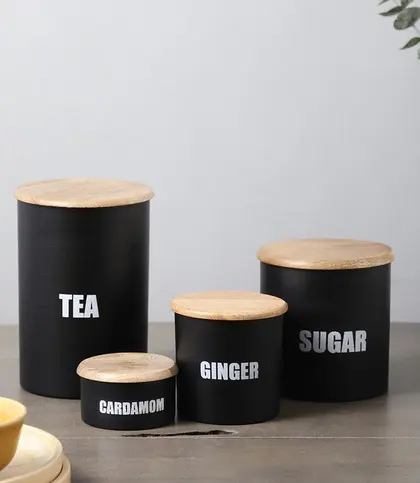
₹1,934
₹2,999
36%OFF
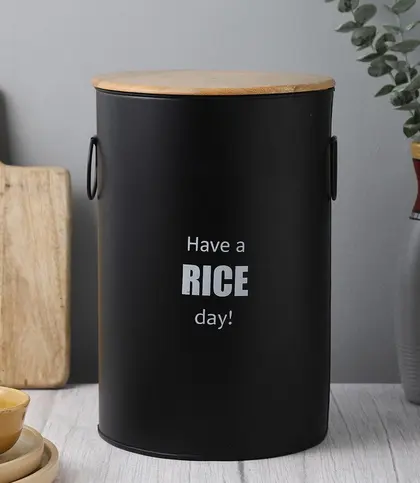
Sold Out
₹1,417
₹1,899
25%OFF

Sold Out
₹1,417
₹1,899
25%OFF

Sold Out
₹1,133
₹1,999
43%OFF

Sold Out
₹1,133
₹1,899
40%OFF
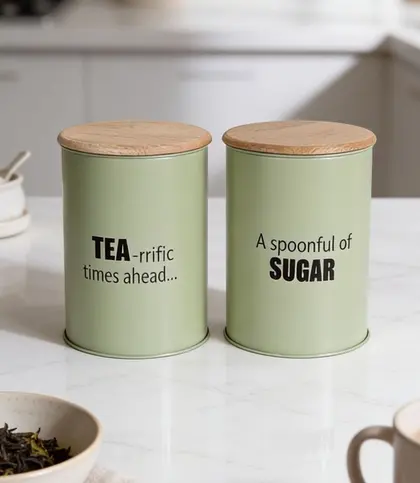
Sold Out
₹850
₹1,529
44%OFF
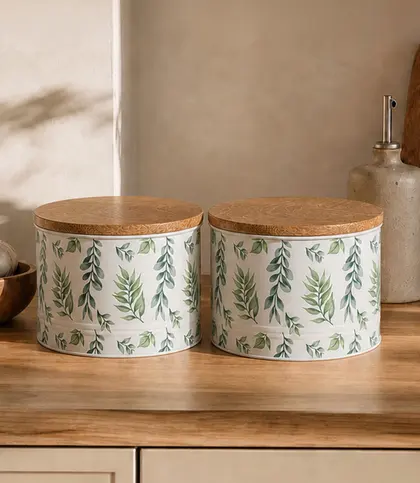
Sold Out
₹809
₹1,229
34%OFF
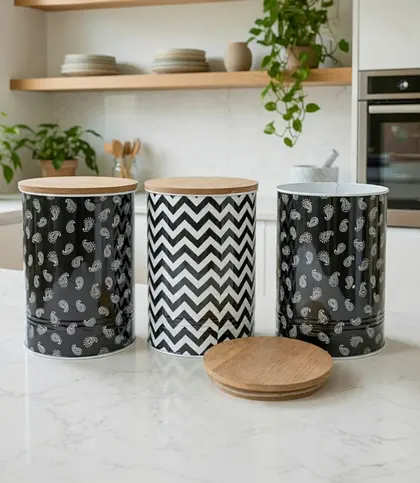
Sold Out
₹1,529
₹2,199
30%OFF
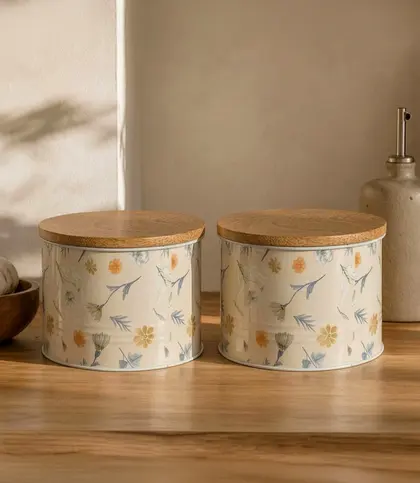
Sold Out
₹809
₹1,229
34%OFF
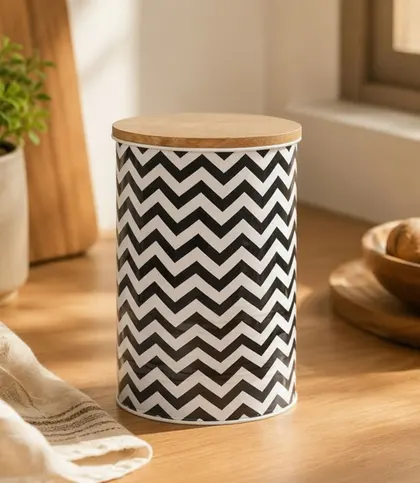
Sold Out
₹584
₹749
22%OFF

Sold Out
₹1,322
₹1,999
34%OFF
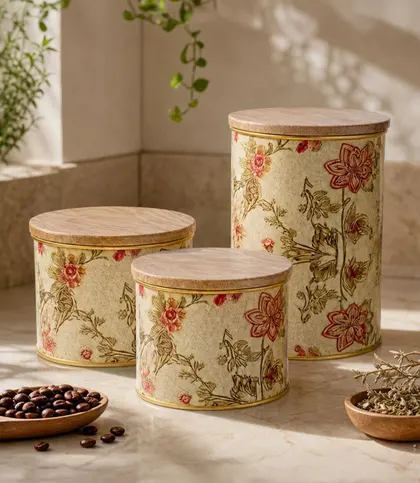
Sold Out
₹1,439
₹1,969
27%OFF

Sold Out
₹755
₹1,499
50%OFF
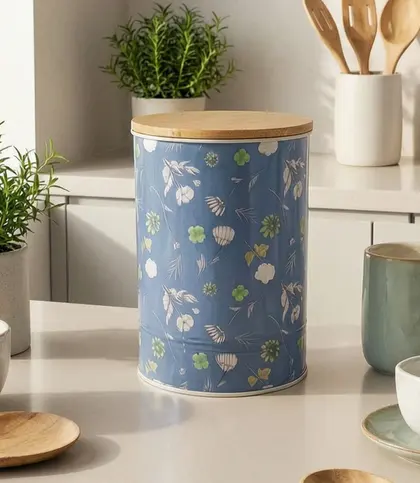
Sold Out
₹584
₹749
22%OFF
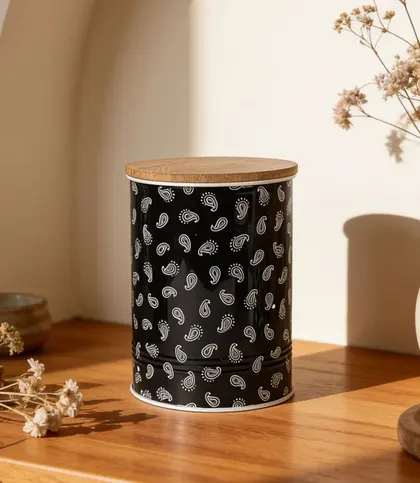
Sold Out
₹584
₹749
22%OFF
A good container gives an ingredient a clear place to live and makes it easier to find when you need it. The Vareesha Container collection brings together metal kitchen storage in several practical formats: compact canisters, matching sets for everyday staples and larger containers suited to vegetables. Start with what you need to store, how often you reach for it and where the container will sit. The colour and finish can follow.
For a tea or coffee station, a coordinated set can keep frequently used ingredients together. For a crowded cupboard, smaller containers may make better use of a short shelf. If onions or potatoes need their own place, a larger vegetable container serves a different purpose from a sealed canister. You can explore more from the brand in the Vareesha collection.
Capacity describes each container, not necessarily the whole set. Check the number of pieces before comparing two options with the same stated volume. A pair of 1 L canisters gives you two separate compartments; it is not interchangeable with one 2 L container when you want to keep ingredients apart. Mixed-size sets can be useful when you store very different quantities, such as tea alongside a smaller amount of spice.
| Format to consider | Useful for | What to check |
|---|---|---|
| Compact canisters, around 500 mL | Smaller quantities of dry ingredients and limited shelf space | Whether the opening comfortably fits your spoon or scoop |
| Mid-size canisters, around 1–1.5 L | Frequently used staples such as tea, coffee, sugar, grains or snacks | Capacity per piece, set size and available shelf height |
| Mixed-capacity sets | Organising ingredients you use in different quantities | The size of every piece rather than only the largest |
| Larger vegetable containers, around 6 L | Giving onions or potatoes a dedicated kitchen spot | Ventilation, footprint and whether an airtight seal is needed |
If you know the volume you want, compare the broader 500 mL containers or 1 L containers collections as well. Volume is only a starting point: a tall cylindrical canister may fit a narrow counter space but not a low cupboard shelf. Measure both the intended spot and the clearance needed to lift the lid.
For dry pantry staples, look for an airtight design when you want the contents enclosed between uses. Close the lid fully after each scoop and use a dry spoon, particularly for ingredients that can clump when exposed to moisture. Check the individual product details for its stated food-storage suitability rather than assuming that every metal container has the same seal or intended use.
Vegetable storage calls for a different approach. Some larger Vareesha formats are not airtight and have ventilation openings. That makes them more appropriate to consider for onions or potatoes than for loose tea or coffee that you want sealed. Keep vegetables dry, remove anything that is beginning to spoil and follow the storage needs of the particular produce. A lid on a vegetable container should not be mistaken for an airtight closure.
If your main challenge is finding room for several containers, group like items together before buying more capacity. Keep daily-use staples within easy reach and put occasional-use ingredients higher or farther back. A countertop rack can help separate a canister group from the rest of a busy worktop, while kitchen organisers offer other ways to divide cupboard space.
Vareesha containers in this collection are metal, but they need not all look or function alike. Matching sets can give tea, coffee and sugar a consistent home without requiring you to find several individual containers of the same size. A two-piece set may be enough for a small drinks station; three or four pieces make more sense when you regularly use additional staples. Some designs are described as stackable, but check that feature on the option you choose and leave enough clearance to lift the top container safely.
Black matte canisters offer an understated, minimalist look, while glossy colours and decorative patterns can make frequently used storage easier to spot on a shelf. Choose a finish you will be happy to see every day, but let the opening, seal, dimensions and care instructions decide whether it works for your routine. A compact canister that fits neatly in the cupboard is more useful than a larger one that blocks the shelf above it.
For open produce storage or items that do not need a lid, kitchen storage baskets may be worth comparing with containers. They solve a different organisation problem, so choose according to the contents rather than trying to make one storage format do every job.
Care instructions vary across the collection. Some containers call for handwashing only; others specify wiping with a clean, dry cloth. Read the instructions for the design you select instead of treating all metal canisters as dishwasher-safe. When handwashing is advised, use a gentle approach, dry the container and lid thoroughly, and let both air out before refilling. Keep moisture away from stored dry goods, and avoid abrasive cleaning that could mark a painted or glossy finish.
A simple reset helps storage stay useful: empty and clean a container before switching ingredients, check that the lid seats properly, and place the oldest suitable contents where you will use them first. If a canister has a printed label, confirm that it matches what you intend to put inside. If not, choose an unlabelled design or use your own removable label so everyone in the kitchen can find the right ingredient.
Choose a set when several staples need separate, coordinated homes. Choose a single container when you are solving one specific storage problem or need to fit an exact space. In either case, check the capacity and dimensions of each piece.
No. Airtight canisters and non-airtight vegetable containers serve different needs. Check the individual listing for the seal and intended use before deciding what to store in it.
Think about how quickly you use the ingredient and how much room you have. A larger canister can reduce refilling, but a shorter 1 L format may fit a cupboard more comfortably. Compare the physical dimensions as well as the stated volume.
Do not assume they can. Care directions differ: some specify handwashing and others a clean, dry-cloth wipe. Follow the instructions on the container you choose.
Vaaree is a destination for curated, premium, pretty home products. Here you can compare Vareesha kitchen storage by practical details such as capacity, set size, finish and care, then choose the design that suits your daily routine.