
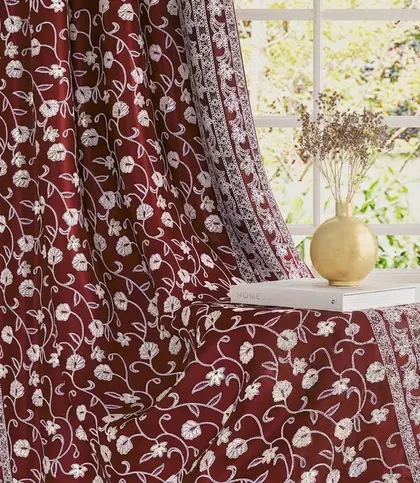
Sold Out
₹1,999
₹2,799
29%OFF

315 Products
Sold Out
₹1,999
₹2,799
29%OFF
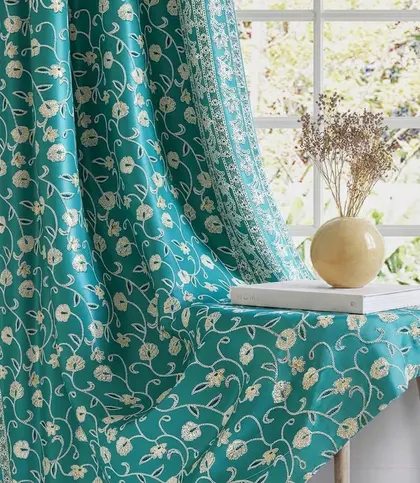
Sold Out
₹1,999
₹2,799
29%OFF
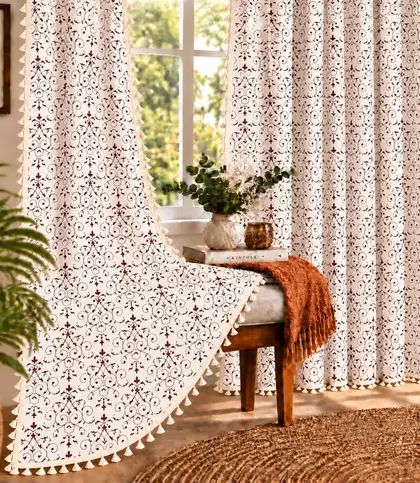
Sold Out
From ₹1,199
₹2,624
47%OFF
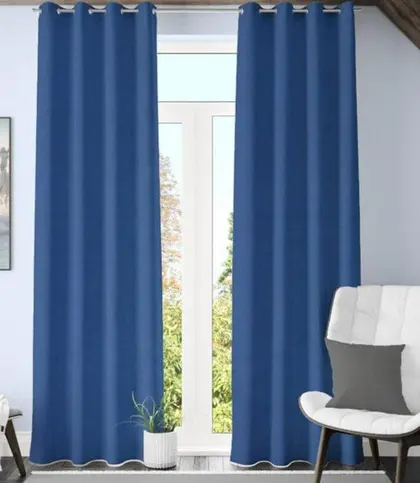
Sold Out
From ₹999
₹1,199
22%OFF

Sold Out
From ₹399
₹799
58%OFF

Sold Out
From ₹699
₹999
43%OFF
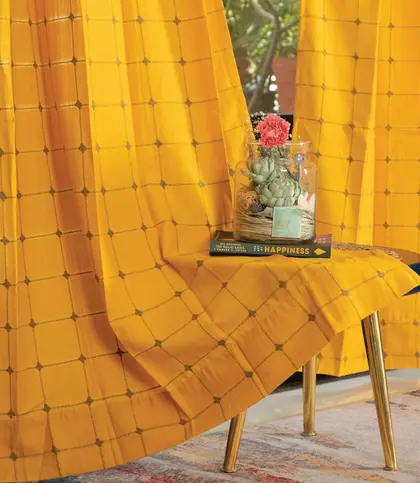
Sold Out
From ₹1,499
₹2,999
50%OFF
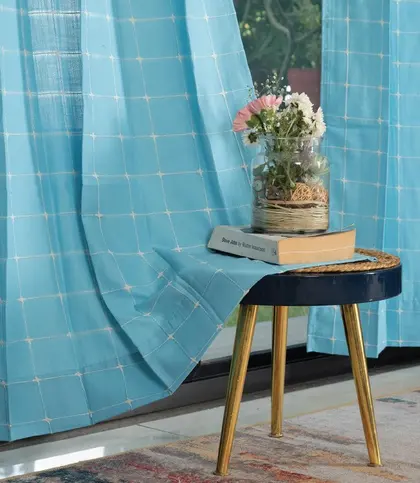
Sold Out
From ₹1,499
₹2,999
50%OFF
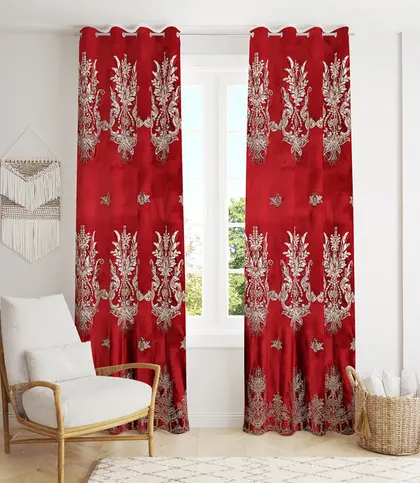
Sold Out
From ₹3,699
₹3,950
6%OFF
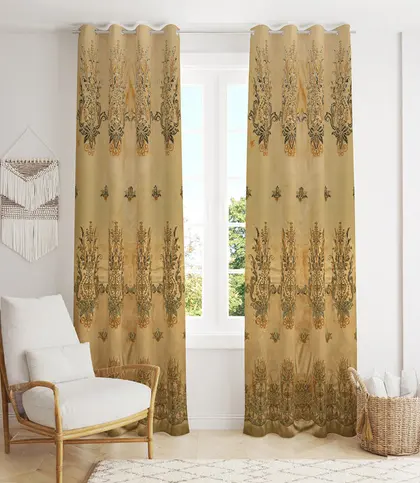
Sold Out
From ₹3,699
₹3,950
6%OFF
Sold Out
From ₹3,699
₹3,950
6%OFF
Sold Out
From ₹3,699
₹3,950
6%OFF
Sold Out
From ₹3,699
₹3,950
6%OFF
Sold Out
From ₹3,699
₹3,950
6%OFF
Sold Out
From ₹3,699
₹3,950
6%OFF
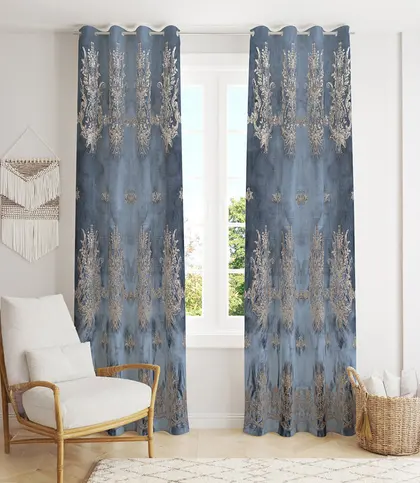
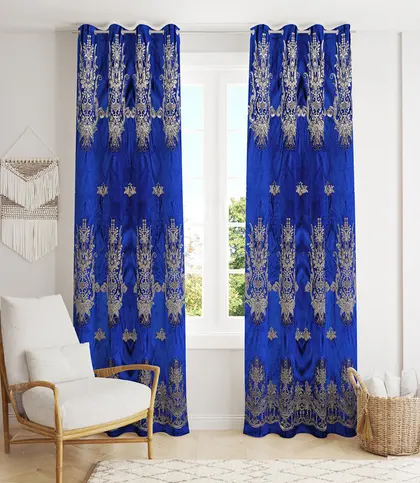
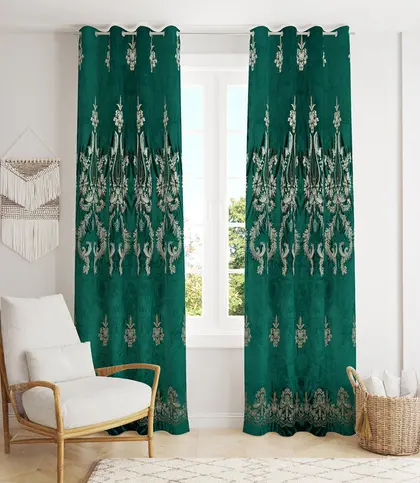
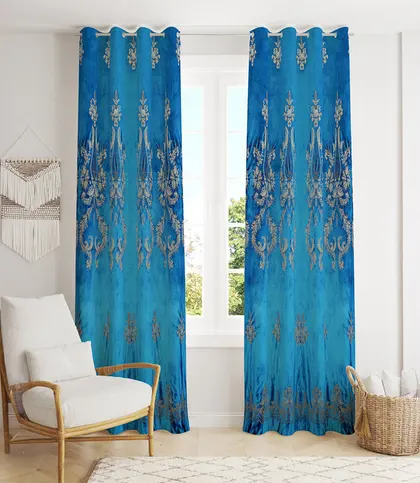
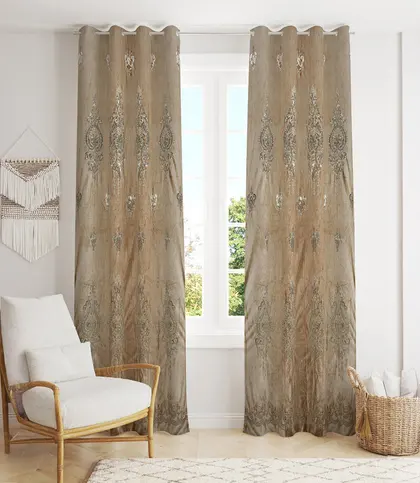
Traditional curtains can give a room a more considered, decorative finish. Vaaree’s collection brings together curtains labelled with Indian and Mughal design styles, with options across colours and materials. Start with the window or doorway you need to dress, then choose a design that sits comfortably alongside your furniture, walls and other furnishings. Check each listing for the exact dimensions, pattern and hanging details before you decide.
In a living room, curtains may frame a seating area and become part of the view from across the space. A stronger colour or more prominent pattern can make that frame a feature; a quieter design leaves more attention on rugs, cushions or artwork. In a bedroom, consider how the curtains will look beside the bedding as well as against the wall. You do not need every textile to match: repeating one colour while varying the scale of the patterns can make the room feel coordinated without looking overly uniform.
The collection includes blue, green, white, beige and other colour labels. For a restrained palette, compare the listings here with beige curtains; if you want the window to carry more colour, blue curtains offer another direction to explore. If pattern is your starting point, floral curtains are a useful alternative to compare. These linked collections are separate shopping routes, so check individual designs rather than assuming they appear here too.
Traditional is a broad visual choice, not a promise of one motif or finish. Look closely at listing images to see whether the design reads as delicate or bold at room scale. Check the stated colour against the surrounding furnishings, and use close-up images where available to judge how the pattern and surface appear. For another interpretation of an Indian-inspired setting, browse royal Indian curtains alongside this collection.
Decide first whether you are covering a window or a doorway. For a window, measure from the position where the curtain will hang to your preferred finishing point, then compare that measurement with the dimensions on the listing. Window curtains provide a focused comparison if you are narrowing down that placement. For a doorway, allow for the height of the hanging point and where the lower edge should fall; door curtains can help you compare doorway-focused options.
Width matters as much as length. Measure the area the curtains need to cover and consider how much fabric you want to see when they are drawn. Check whether a listing gives dimensions for one panel or a set, how many panels are included, and what hanging arrangement it specifies. These details determine whether a design will fit your existing setup; a style label alone cannot settle the sizing. If you are furnishing a shared space, living room curtains offer another way to compare room-focused choices.
Material labels can help you narrow your search, but they do not establish how a particular curtain will hang, feel or filter light. A product may carry more than one label. Use the listing description and images to assess the specific design rather than treating these names as interchangeable guarantees.
| Material label | What to check on the listing |
|---|---|
| 100% Cotton | Confirm the listed material details and inspect close-up images for the pattern and surface you want. |
| Cotton | Read the complete material information, especially if you are comparing it with an item labelled 100% Cotton. |
| Polyester | Review the product images and description to judge whether its particular finish suits your room. |
| Satin | Look at the listing photographs in different views to assess the visible finish rather than assuming a particular level of sheen. |
Once you have a preferred colour, design and material label, return to the practical checks: dimensions, panel quantity and hanging details. That final comparison helps you choose traditional curtains for the space you actually have, not just the look you like in a photograph.