
Luxe
FastDelivery₹637
₹999
36%OFF

345 Products
Luxe
FastDelivery₹637
₹999
36%OFF
Luxe
FastDelivery₹764
₹1,299
41%OFF
 FastDelivery
₹849
₹1,999
58%OFF
Luxe
FastDelivery₹764
₹1,299
41%OFF
Luxe
FastDelivery₹509
₹799
36%OFF
 FastDelivery
₹404
₹999
60%OFF
 FastDelivery
₹404
₹999
60%OFF
 FastDelivery
₹404
₹999
60%OFF
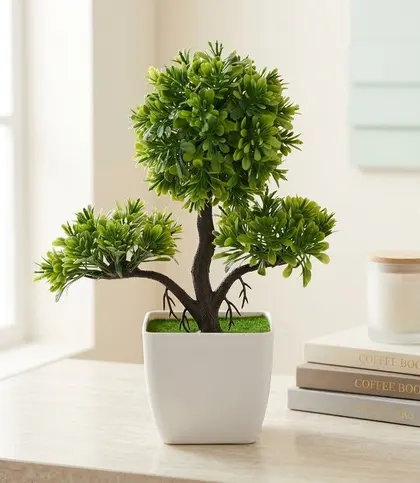
₹291
₹1,500
81%OFF
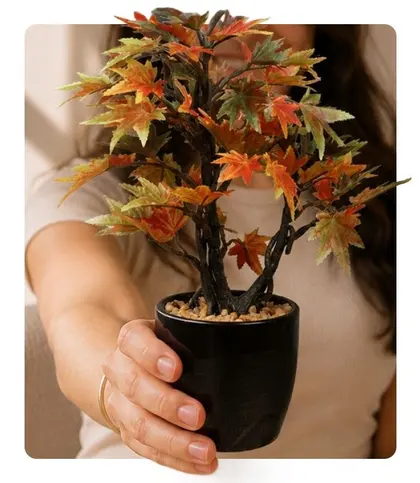
Featured
₹999
₹1,699
41%OFF
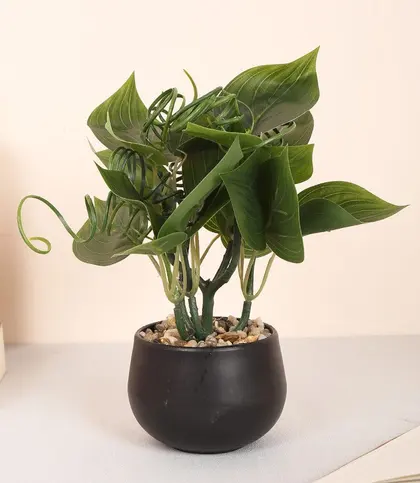
₹699
₹1,000
30%OFF
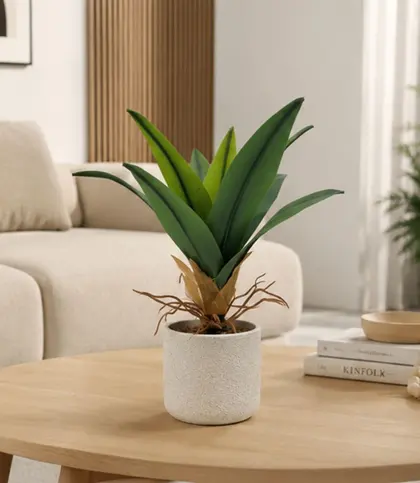
₹349
₹599
42%OFF
₹299
₹599
50%OFF
₹699
₹1,798
61%OFF
₹699
₹1,798
61%OFF

₹299
₹599
50%OFF
Luxe
₹509
₹799
36%OFF
₹299
₹599
50%OFF
₹299
₹599
50%OFF
₹699
₹1,299
46%OFF
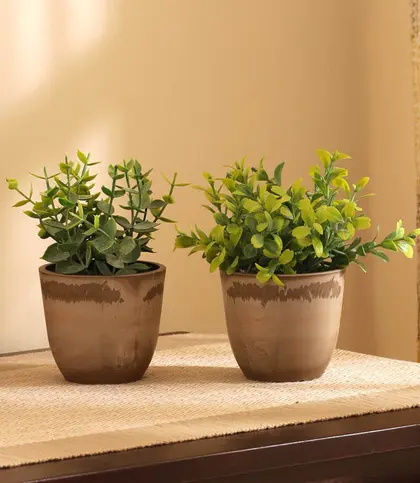
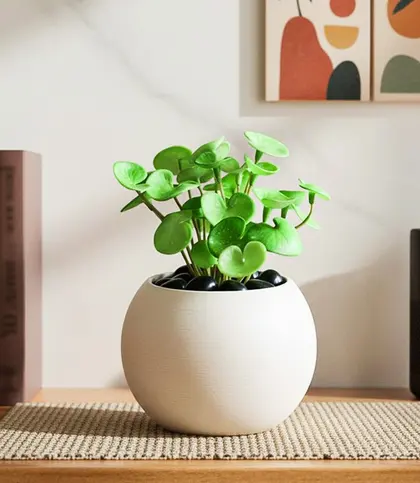
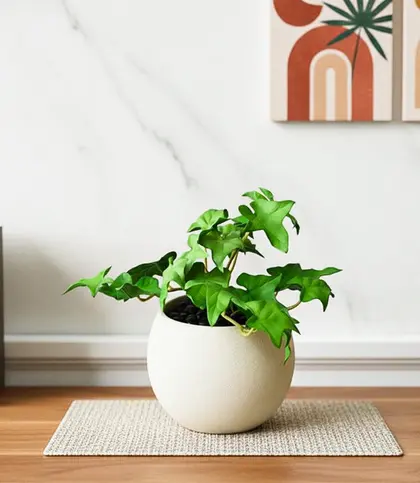
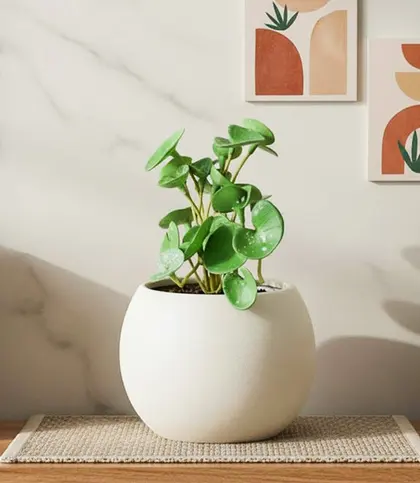
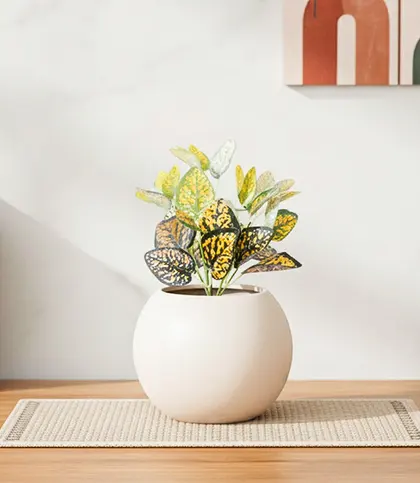
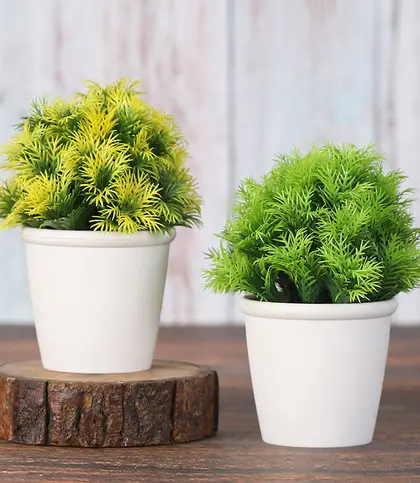
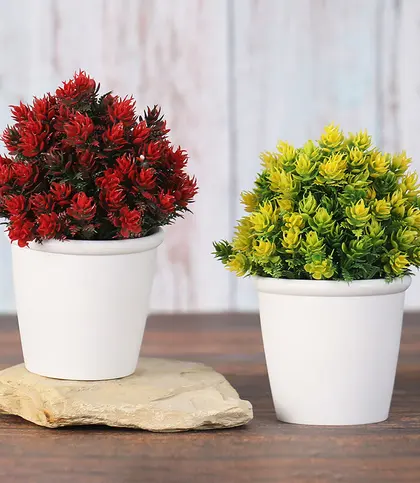
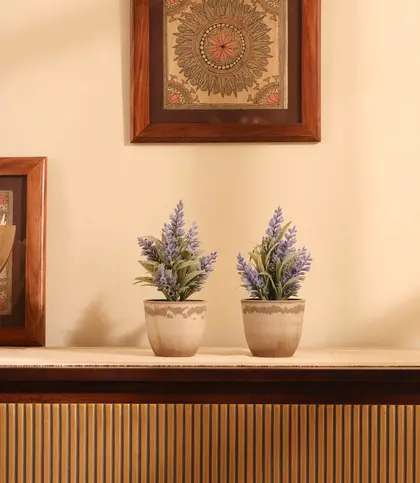
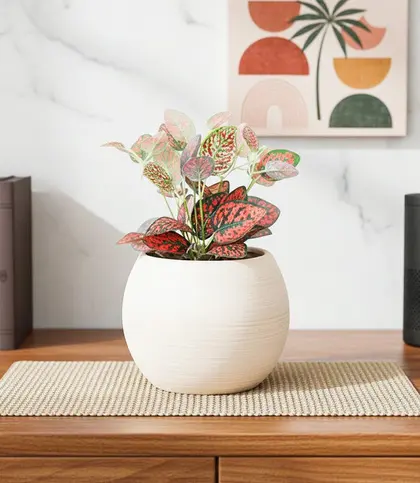
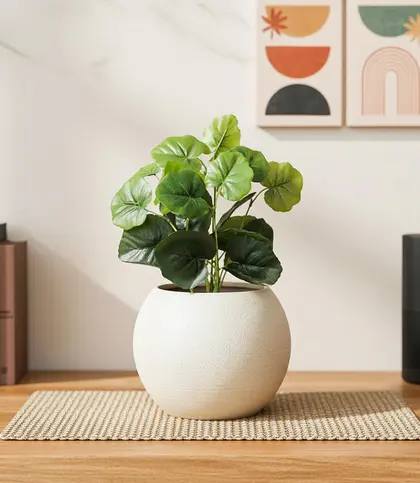
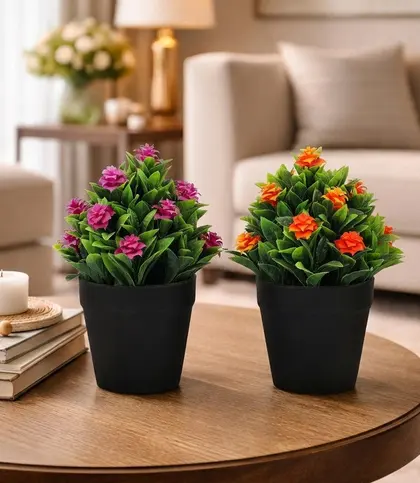
Table top artificial plants bring a touch of greenery to the places you see up close: a side table, a desk or a bedroom shelf. Vaaree’s collection is defined by artificial plants labelled as less than 1 ft tall, making it a useful starting point when you want a small decorative accent rather than a floor-standing statement. Start with the space you have, then choose the colour and silhouette that feel at home there.
Height is only part of the fit. Before choosing, measure the clear width and depth of your tabletop and note anything the plant might sit beside, such as a lamp, books or a tray. Compare those measurements with the dimensions on the individual listing, including the widest part of the foliage where specified. On a dining table or work surface, leave enough room for the things you actually use; on a shelf, check the clearance above it as well.
A single plant can soften a spare corner of a sideboard without making the whole arrangement feel crowded. For a fuller display, consider how its outline will sit alongside objects of different heights. If you are deciding between a tabletop accent and something with more presence, browse the wider artificial plants collection or compare medium artificial plants as a separate, larger-scale option.
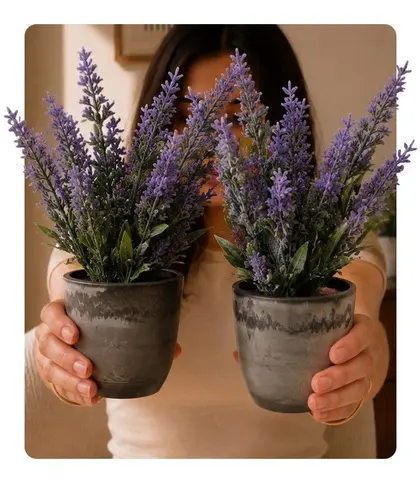
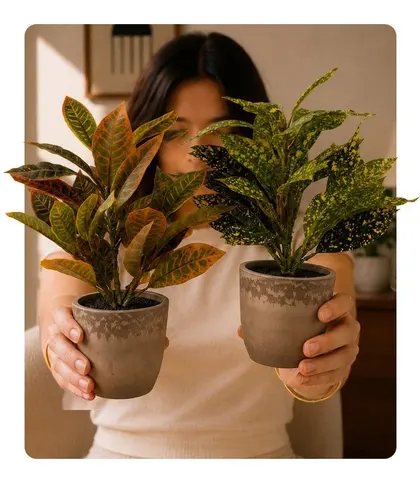
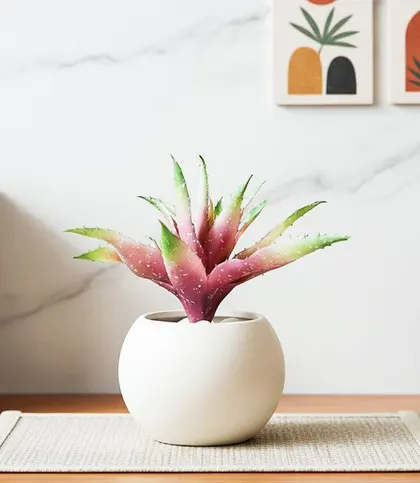
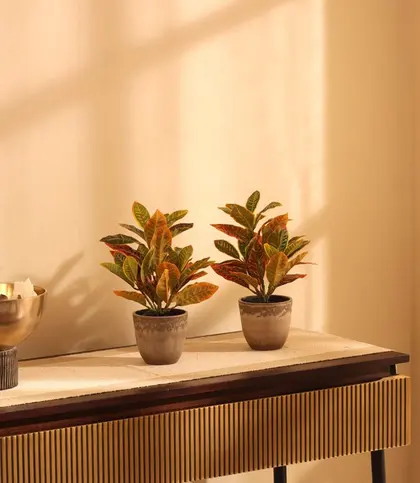
Green is a prominent colour label in this collection, while white, black, yellow, pink and brown also appear among the catalogued colours. Use the listing images to see whether a colour belongs to the foliage, flowers, container or another visible detail; the colour label alone does not identify the component. Green can echo other greenery in a living room, while a lighter or brighter accent can draw the eye to a bedside table or reading corner. The right choice depends on the colours already around it.
Contemporary and Minimalist are the most common documented design-style labels, with Geometric and a few other styles also represented. Rather than relying on the label alone, compare the plant’s outline with nearby décor: a restrained shape can sit quietly beside patterned accessories, while a more sculptural shape can give a plain surface a focal point. For another small-scale direction, artificial succulents offer a collection to compare; artificial bonsai plants are worth exploring if you prefer a tree-inspired silhouette. Check each destination’s listings for the size and details you want.
Material labels are a starting point for examining an individual plant, not a guarantee about its texture, construction or care. A listing may carry several labels. Use product photos and specifications to find out which visible parts use a named material.
| Material label | What to check on the listing |
|---|---|
| Plastic | Look closely at the foliage and any visible base, then check the specifications to see which component the label describes. |
| PVC | Compare close-up views of leaf shape and edges; confirm where PVC is identified in the product details. |
| Polyester | Check whether the listing associates this label with foliage, flowers or another part before judging the overall look. |
| Fabric | Inspect close-up images for the finish you prefer and verify which component is described as Fabric. |
When two plants seem equally suited to a spot, return to three checks: the listed dimensions, the colour placement in the images and the finish of the parts you will see most often. Room labels in the collection include Living Room and Bedroom, but they are cues rather than rules; the measurements and visual balance of your own space matter more. If you are coordinating several decorative accents in one room, the indoor artificial plants collection offers a broader comparison without assuming that every option belongs on a tabletop.
For an especially compact arrangement, place a paper template cut to the listing’s stated footprint on your chosen surface before buying. It gives you a simple way to judge how much usable space remains. Then confirm the individual plant’s full specifications and images, especially where the container or foliage finish is central to the look you want.