
 FastDelivery
₹1,699
₹2,158
21%OFF
3 more size

837 Products
 FastDelivery
₹1,699
₹2,158
21%OFF
Featured
From ₹1,027
₹1,999
46%OFF
 FastDelivery
From ₹2,155
₹3,499
13%OFF
From ₹1,167
₹1,999
40%OFF
From ₹803
₹1,299
24%OFF
 FastDelivery
₹1,149
₹1,438
20%OFF
 FastDelivery
From ₹1,709
₹2,399
29%OFF
Clearance Sale
From ₹1,295
₹1,999
35%OFF
 FastDelivery
₹1,849
₹2,158
14%OFF
 FastDelivery
₹1,149
₹1,438
20%OFF
 FastDelivery
₹1,849
₹2,158
14%OFF
 FastDelivery
₹1,149
₹1,438
20%OFF
 FastDelivery
₹1,699
₹2,158
21%OFF
Featured
From ₹1,295
₹1,999
36%OFF
 FastDelivery
₹1,849
₹2,158
14%OFF
 FastDelivery
₹1,149
₹1,438
20%OFF
 FastDelivery
₹1,149
₹1,438
20%OFF
 FastDelivery
₹599
₹718
17%OFF
 FastDelivery
₹1,277
₹1,525
16%OFF
 FastDelivery
₹1,849
₹2,158
14%OFF
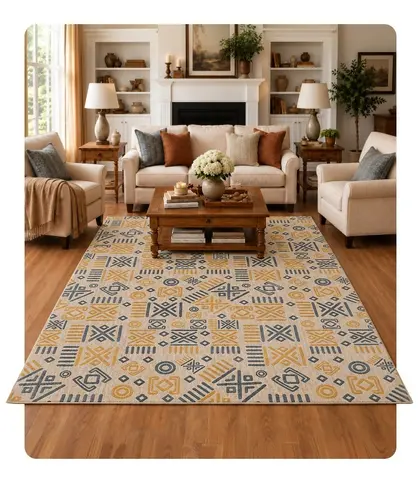
Looking for rugs under 3000? Start with the space you want to shape, then choose a colour and design that work with the furniture already there. Vaaree’s curated collection includes listings labelled Rugs and Carpet, with options tagged for living rooms and bedrooms. Those product labels alone do not tell you the dimensions, so use each listing’s measurements and photographs to narrow your choice.
A rug can bring a seating group together, give a bedside area a softer visual edge or introduce pattern where the rest of the room is quiet. Before comparing designs, decide which part of the floor you want the rug to define. That decision will make the dimensions on individual listings more useful than a broad idea of a ‘small’ or ‘large’ rug.
| Shopping situation | What to check | Where to look next |
|---|---|---|
| A living room seating area | Measure the intended footprint against the sofa and chairs. Check whether the listed dimensions give the seating group the visual connection you want without crowding the walkway. | Browse the living room collection for another way to plan the room. |
| A calm bedroom scheme | Mark out where you would like to see rug around the bed. Compare that outline with the listed size and the space needed to move around the room. | Explore the minimal home edit if you want a quieter visual direction. |
| A room that needs a focal point | Decide whether the rug should provide the main pattern or echo colours already present in cushions, curtains or upholstery. | Compare the abstract pattern collection as an alternative design-led edit. |
| A playful corner | Consider the scale of the motif relative to the visible floor area, and check the listing photographs before settling on a design. | See the Cartoon World collection for a different playful direction. |
Measure the clear floor area rather than the room wall to wall. You can mark the dimensions of a rug you are considering on the floor with removable tape, then walk around the furniture to see how much floor remains visible. In a living room, check the rug’s relationship to the front of the sofa and the edges of the seating arrangement. Beside a bed, consider where your feet will land and how the rug will look from the doorway. These are styling checks, not fixed rules: the right footprint depends on your furniture and the dimensions shown on the product page.
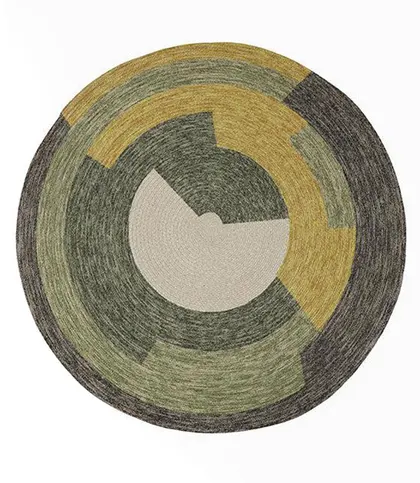
Also look at the rug’s outline and edge in the listing photographs. If a conventional rectangular layout does not suit your furniture, the Beyond the Rectangle collection offers another shape-focused direction to compare. Check the individual listing for its actual shape and measurements rather than assuming every piece in either collection follows the same format.
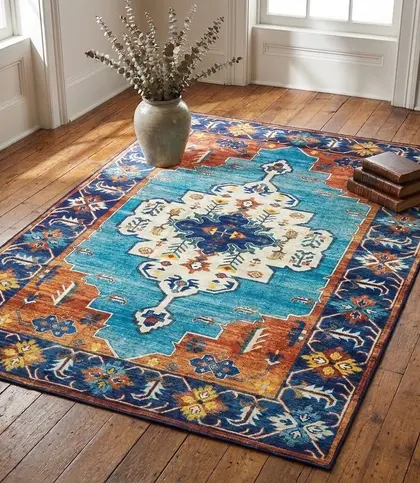
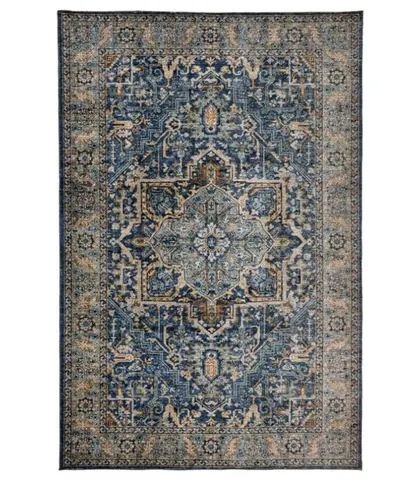
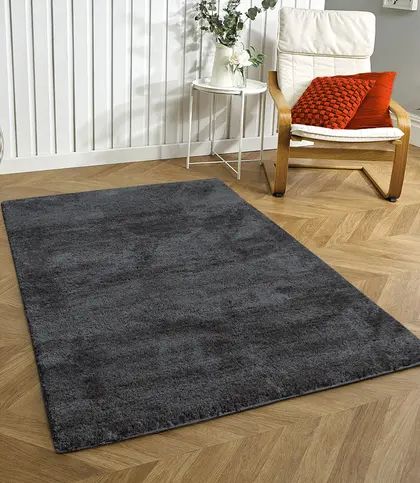
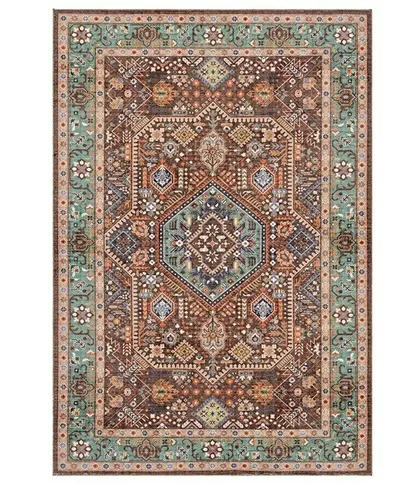
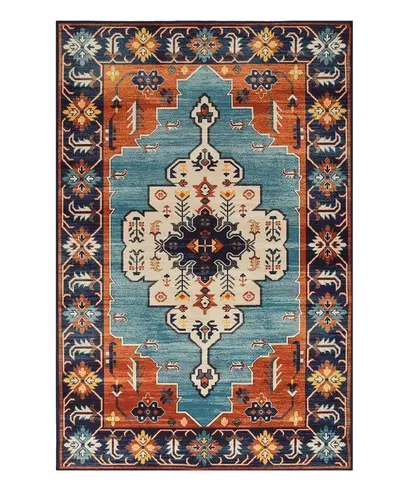
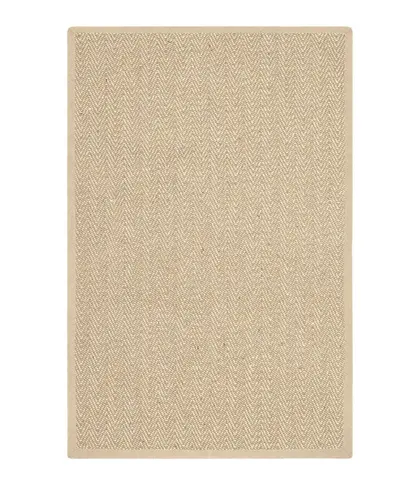
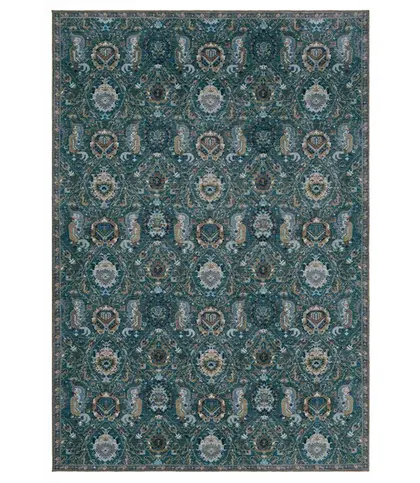
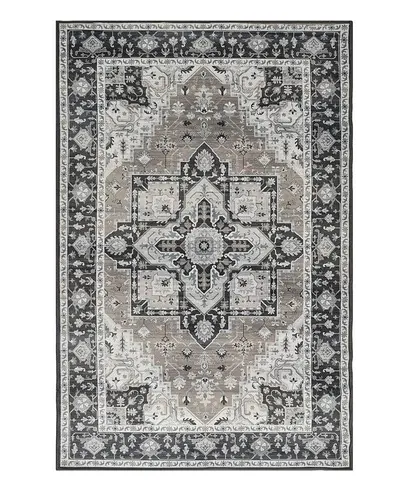
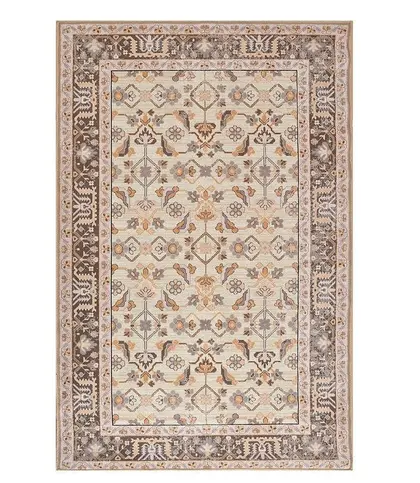
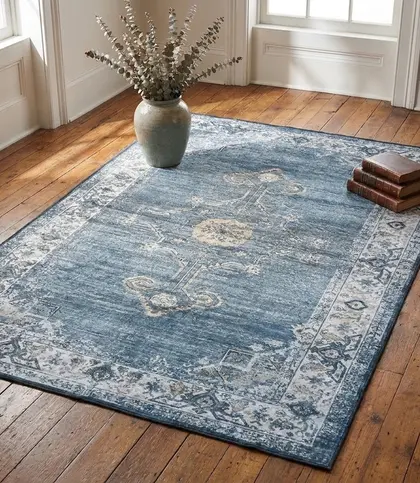
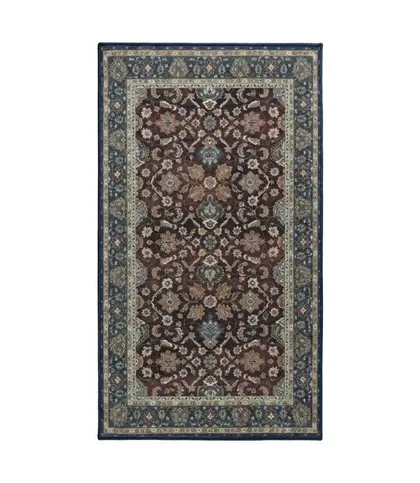
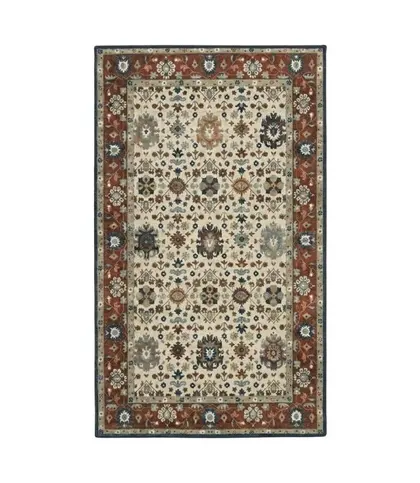
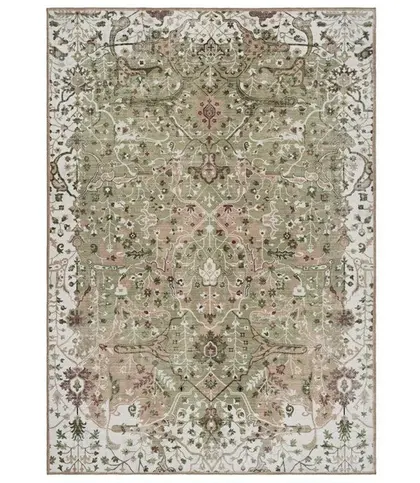
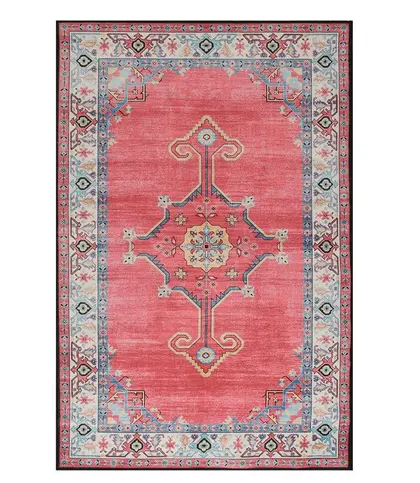
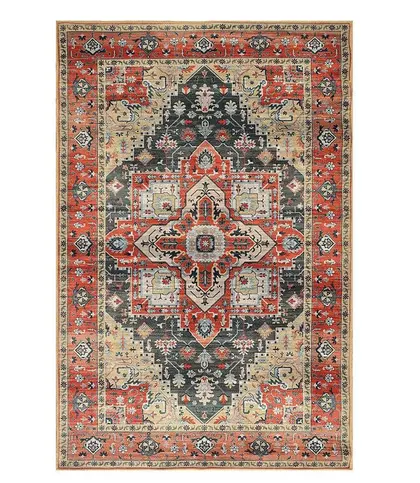
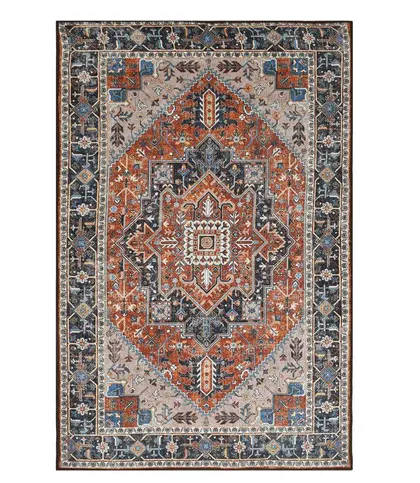
The collection includes colour labels such as beige, brown, grey, blue and multicolor, alongside design-style labels including contemporary, minimalist, playful, Kashmiri and Indian. For a coordinated look, pick up one colour already present in the room; for contrast, let the rug introduce a different colour while keeping nearby furnishings simpler. A multicolor design may give you several colours to reference elsewhere, while a neutral-labelled option can leave more attention on furniture or wall art. Compare listing photographs closely: a colour label is a starting point, not a substitute for seeing the pattern and finish.
If you are choosing between a restrained scheme and a more expressive one, compare the modern floor stories collection with the Kashmir weaves collection. They offer distinct styling directions; check individual listings to see which designs, colours and sizes suit your plan.
Listings in this collection carry material labels including Polyester, Wool, Cotton and Nylon. Use those labels to narrow your search, then read the full specification and examine close-up photographs for the particular rug you like. If appearance is your priority, compare the visible surface and edge finish across listings rather than assuming that one material label guarantees a certain texture. A product can carry more than one label, and a label on its own does not establish its composition, care requirements or suitability for a particular room.
Once you have a shortlist, return to three details for each piece: its stated dimensions, how its colour appears alongside your existing furnishings, and its listed material and other specifications. Confirm the displayed price and product details on the individual listing before choosing. That final check helps you select a rug for the space you have, rather than for a room pictured elsewhere.