
Luxe
₹13,499
₹24,999
46%OFF

330 Products
Luxe
₹13,499
₹24,999
46%OFF
Featured
₹999
₹1,699
41%OFF
₹349
₹599
42%OFF
₹299
₹599
50%OFF
Luxe
₹8,999
₹16,699
46%OFF
₹299
₹599
50%OFF
₹299
₹599
50%OFF
₹699
₹1,099
36%OFF
₹3,062
₹5,799
47%OFF

₹299
₹599
50%OFF
₹299
₹599
50%OFF
₹299
₹599
50%OFF
₹14,724
₹23,299
37%OFF
₹449
₹899
50%OFF
₹1,849
₹3,299
44%OFF
₹807
₹1,299
38%OFF
₹299
₹599
50%OFF
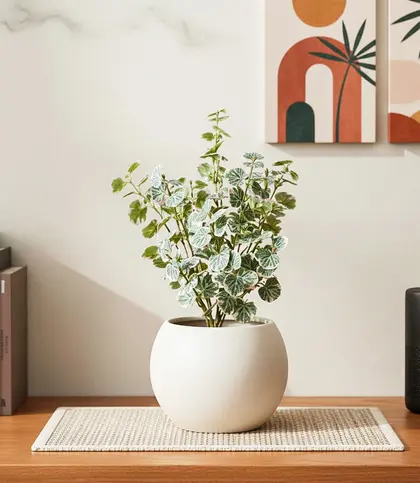
₹399
₹799
50%OFF
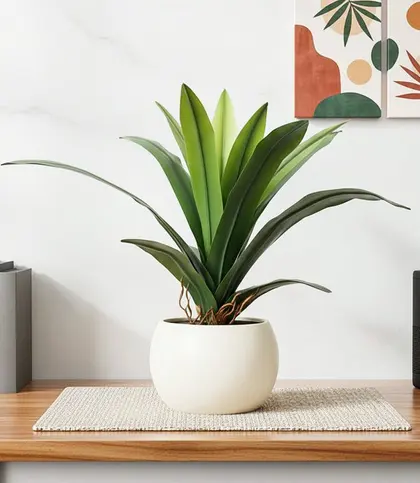
₹2,499
₹4,199
40%OFF
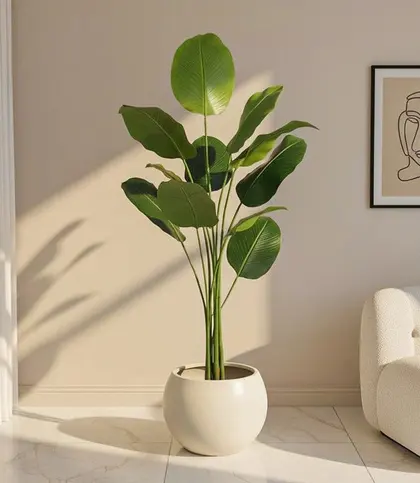
₹3,499
₹5,799
40%OFF
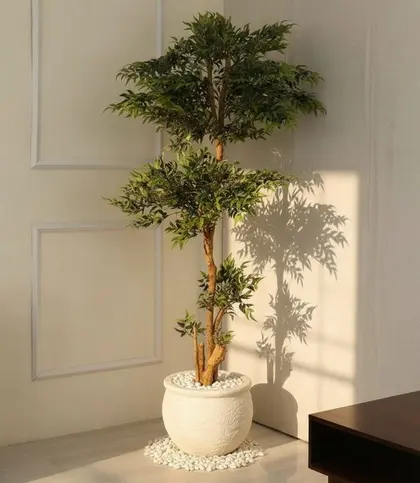
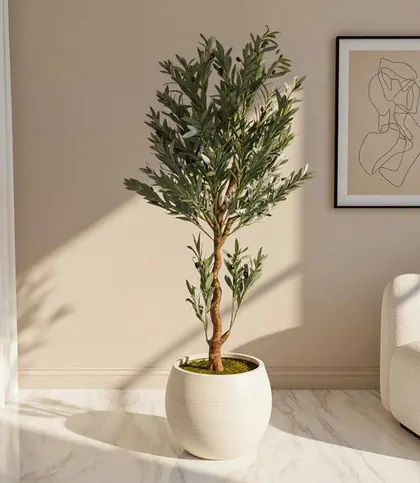
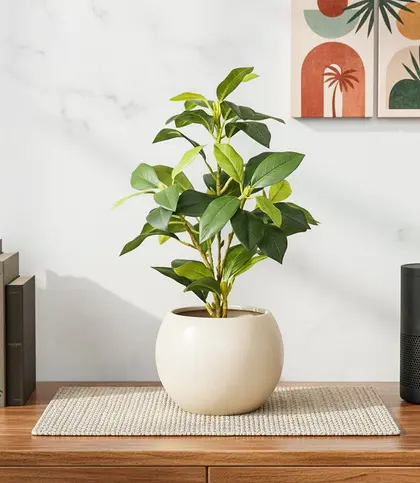
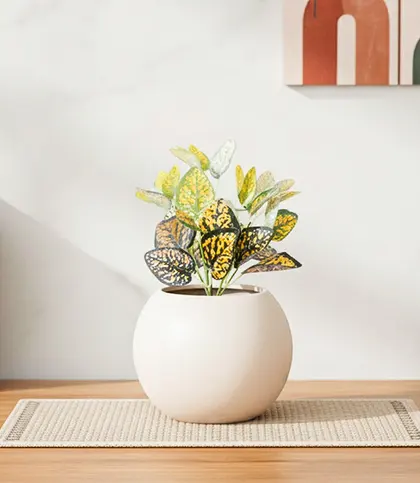
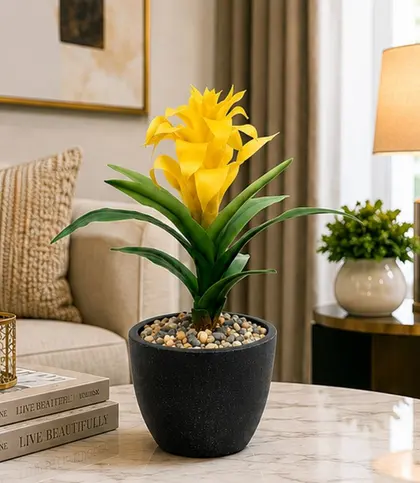
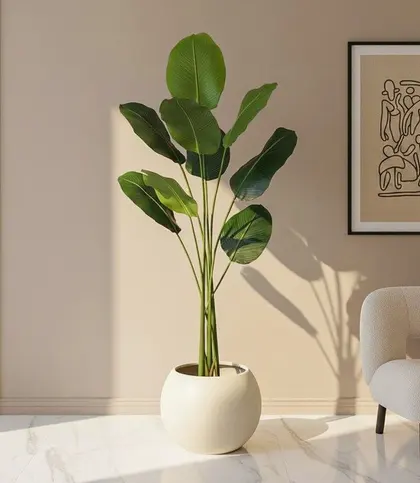
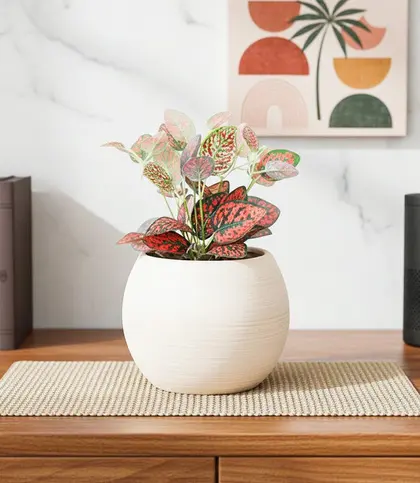
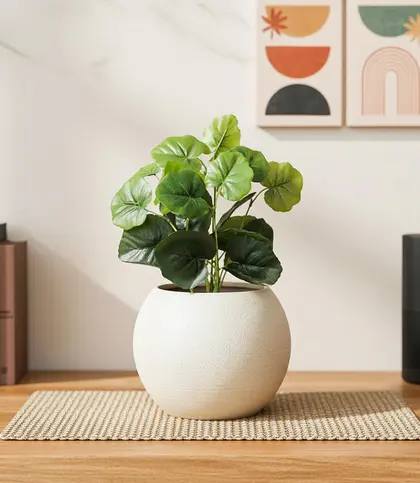
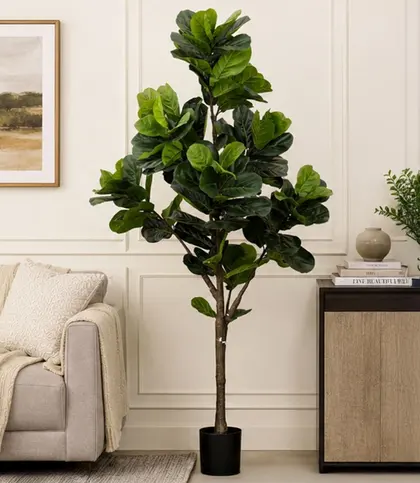
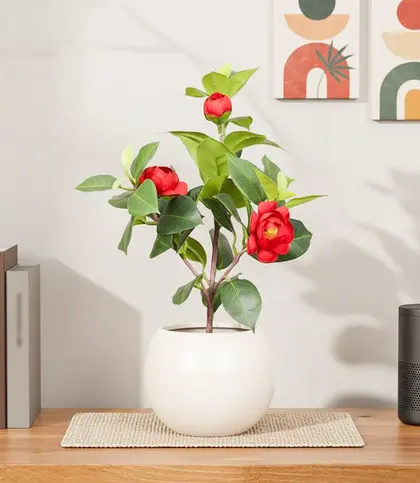
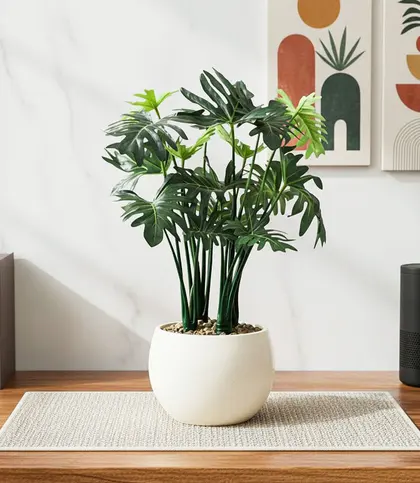
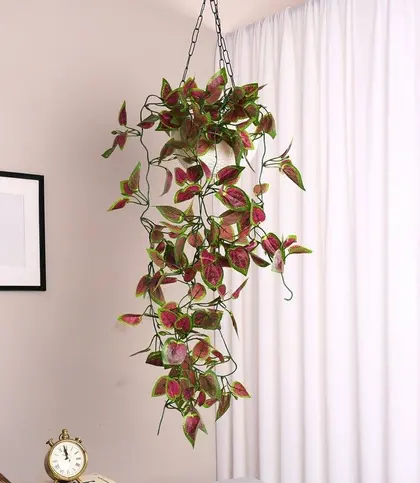
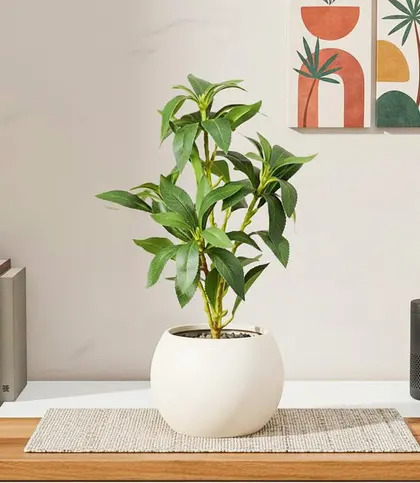
Shopping for Pollination artificial plants? Start with the space you want to style, then choose a silhouette and colour that sit comfortably beside your furniture. This Vaaree collection is listed under Artificial Plants, with green as its most common colour label. There are also brown and white labels, plus smaller groups of brighter colours. Let the individual listing settle the details: check its photographs, dimensions and specifications before choosing.
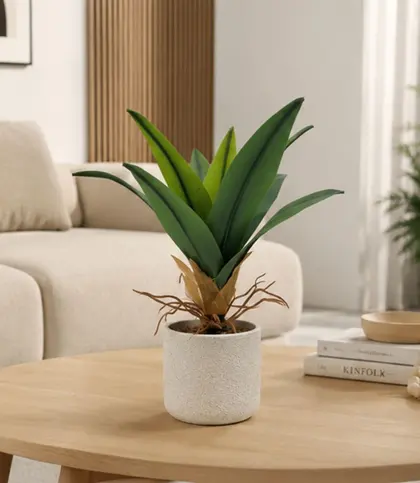
For a living room, decide whether the plant should be a quiet accent or the first thing you notice. A restrained shape can sit alongside books and objects without competing for attention; a more expansive outline may suit an open corner. The collection carries Contemporary, Minimalist and Modern design-style labels, which are useful starting points rather than substitutes for looking at each plant’s shape. Compare how much visual space the foliage takes up, not just its listed height.
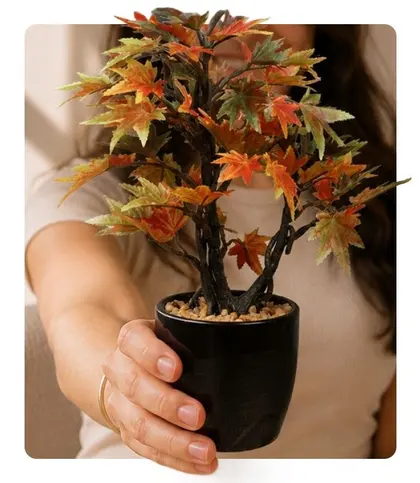
Colour can change the mood just as much as scale. Green works as a familiar backdrop to timber, neutral upholstery and patterned textiles. If you want the arrangement to relate to existing furniture, look closely at any brown or white elements shown in the listing images. For a brighter accent, check the exact shade and where it appears on the plant rather than relying on a colour label alone. A product photograph viewed beside your room’s dominant colours can help you decide whether you want contrast or a quieter match.
Measure the intended spot before you browse by appearance alone. Note the available height and width, then allow room around the outline so it does not crowd a lamp, artwork, doorway or seating area. Check the listed dimensions and photographs for the full arrangement, including its base where shown. If a dimension or a detail important to your placement is unclear, confirm it on the individual product listing rather than estimating from a styled photograph.
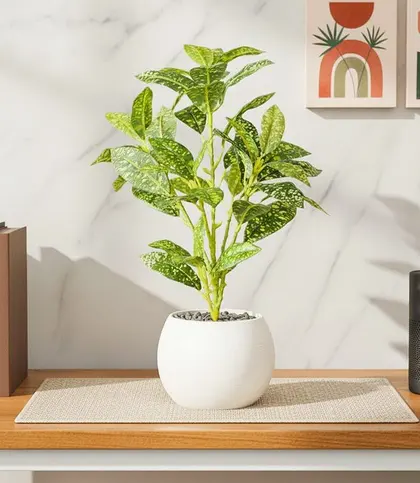
For a compact surface, compare the plant’s footprint with the usable area left for everyday objects. If you are filling a corner, step back and consider how its outline will look from the main seating position. These are styling choices, not claims that every size or form is offered in this collection. If your space calls for a more specific scale, medium artificial plants and large artificial plants are useful alternative collections to compare; check their individual listings for dimensions.
Material labels help narrow a comparison, but they do not tell you a plant’s exact composition, finish or care requirements. A listing may carry more than one label. Use this guide to decide what to inspect next, then confirm the details on the product page.
| Material label | Useful check before choosing |
|---|---|
| PVC | Look at close-up images of leaves and edges to decide whether their visible shape and finish suit your room. |
| Plastic | Check which pictured parts the listing describes and how the base and foliage look together. |
| Fabric | Inspect photographs for the visible texture and colour variation you want in the display. |
| Polyester | Compare close-up photographs with wider room images to judge the overall appearance at your intended viewing distance. |
Think of the labels as prompts for closer inspection, not as mutually exclusive plant types or guarantees about how an item will look in person. Photographs, stated dimensions and the individual description provide the more useful basis for a final choice.
If the Pollination selection does not give you the outline you have in mind, nearby collections can clarify your preference. Browse artificial bonsai plants when you want to compare sculptural, contained forms, or areca plants for a different leafy profile. For a broader view of shapes and styling approaches, explore artificial plants. These are alternative destinations, not a claim that those styles appear among the Pollination listings.
Once a design catches your eye, return to the essentials: its actual measurements, pictured colour and finish, material labels and the space it will occupy. That short check makes it easier to choose a plant for the room you have, rather than the room in the photograph.