
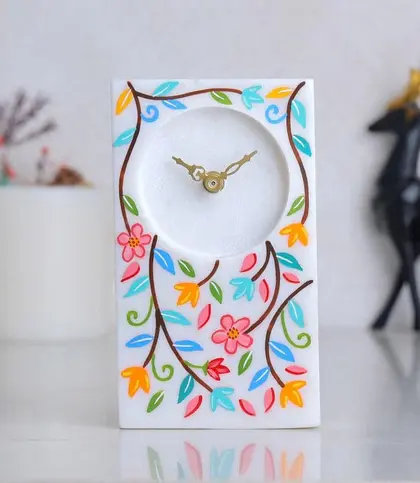
 FastDelivery
₹1,249
₹1,399
11%OFF
3 more color

74 Products
FastDelivery₹1,249
₹1,399
11%OFF
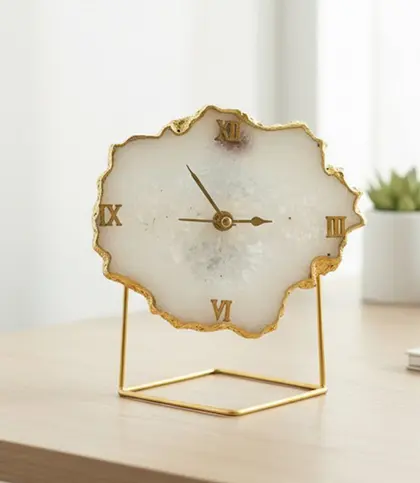
₹1,124
₹2,903
61%OFF
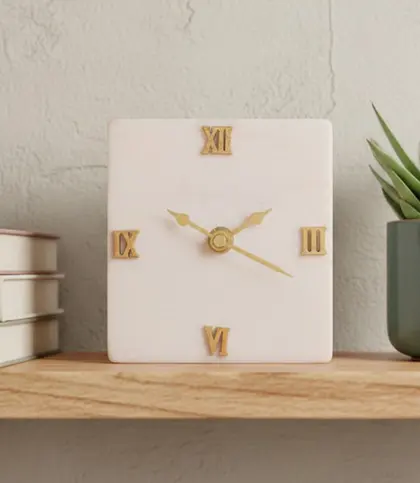
₹539
₹1,298
58%OFF

₹764
₹1,659
54%OFF

₹719
₹1,599
55%OFF
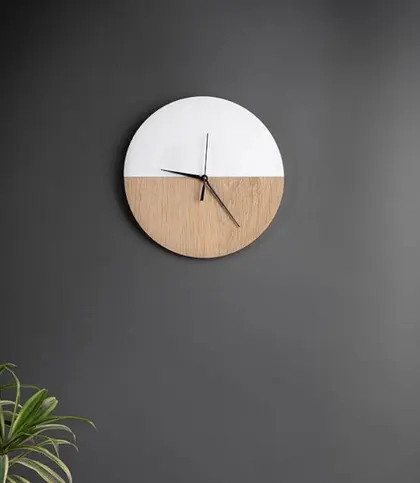
₹2,401
₹2,881
17%OFF
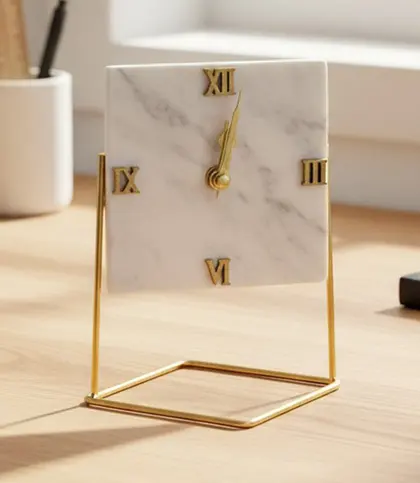
₹764
₹1,319
42%OFF
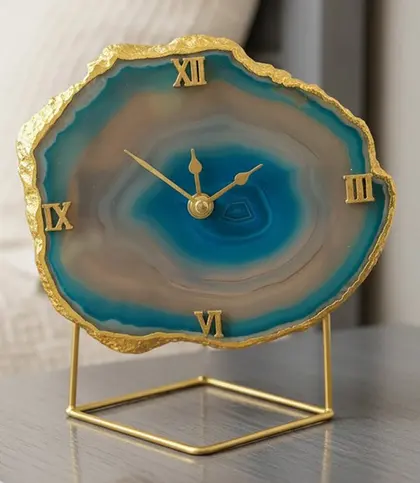
₹1,169
₹2,903
60%OFF
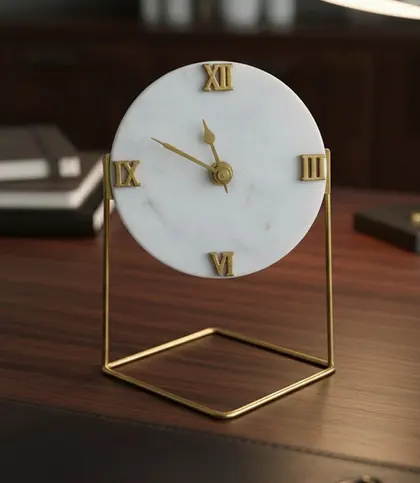
₹764
₹1,319
42%OFF
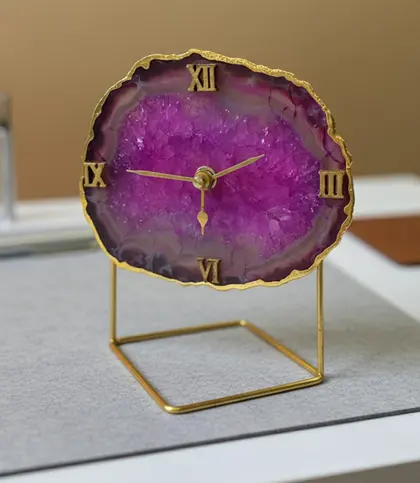
₹1,124
₹2,903
61%OFF
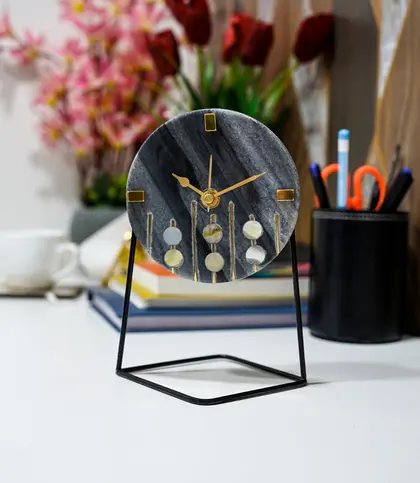
₹899
₹1,999
55%OFF
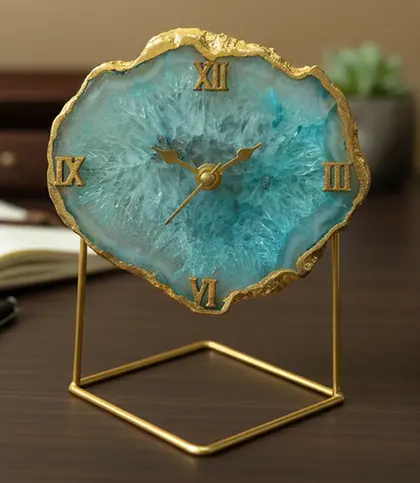
₹1,124
₹2,903
61%OFF

₹719
₹1,599
55%OFF
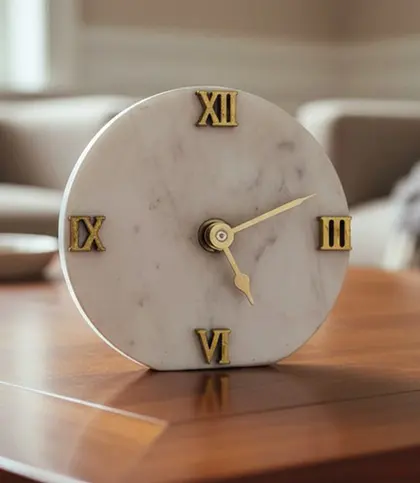
₹539
₹1,319
59%OFF
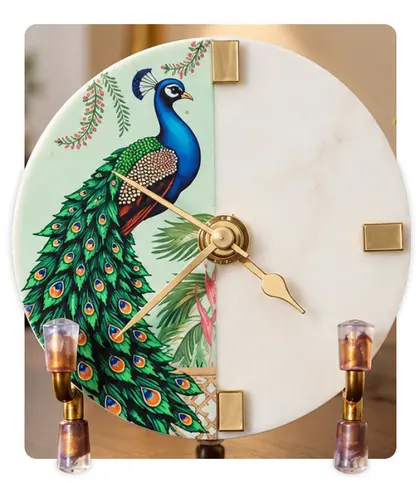
₹719
₹1,599
55%OFF
₹1,062
₹2,419
56%OFF

₹1,169
₹2,903
60%OFF
₹1,169
₹2,903
60%OFF
₹1,124
₹2,903
61%OFF
₹1,124
₹2,903
61%OFF
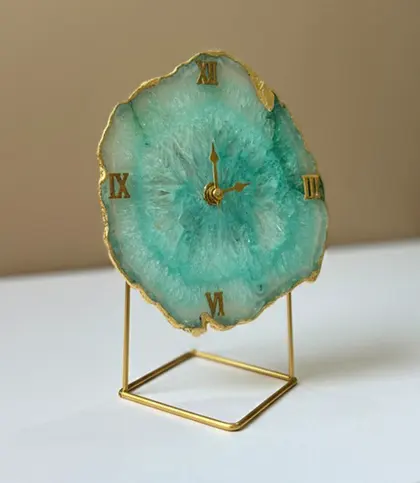
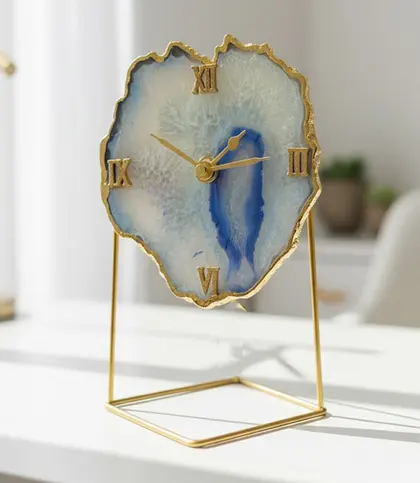
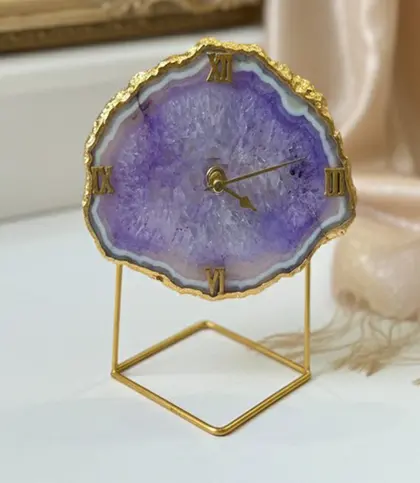
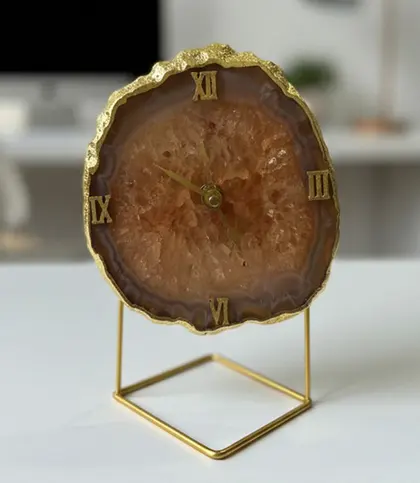
Natural stone clocks bring timekeeping into the room’s decorative scheme. At Vaaree, this collection includes clocks labelled as table clocks and wall clocks, with Agate and Marble among the documented material labels. Start with where the clock will sit or hang, then compare its colour, face and finish against the pieces already in your space. Check the individual listing for the details that matter to your choice.
A table clock can become part of a considered display on a console, sideboard or shelf. Measure the available surface and check the clock’s listed dimensions, including its depth, before deciding where it will go. Leave enough room around it for the face and outline to remain visible beside books, vases or other decor. If you want to compare the format beyond this stone-led collection, browse Vaaree’s table clocks.
For a wall clock, decide whether it should anchor a clear stretch of wall or sit within a group of decorative pieces. Measure the proposed spot and compare it with the dimensions on the listing; a photograph alone may not tell you how much wall the clock will occupy. Consider where you will usually view it from, particularly if reading the time at a glance is important. The decorative wall clocks collection offers another way to compare wall-focused looks, while wall clocks for bedrooms can help if that is the room you are planning.
Material labels are a useful starting point for comparing natural stone clocks, but a clock can carry more than one label. They do not, by themselves, establish which parts use a material or how much of it is present. Use the photographs to assess the look, then confirm the construction and specifications on the individual listing.
| Material label | What to check when choosing |
|---|---|
| Agate | Look closely at the photographed colour and pattern, and check how clearly the hands and markers appear against them. |
| Marble | Compare the photographed surface and edge with the rest of your decor; check the listing to see where marble appears on the clock. For more designs to compare, visit marble clocks. |
| Metal | Identify which visible details carry the metal label and whether their colour works with nearby accents. |
| MDF | Check the listing’s images and specifications to understand which part of the clock carries this label rather than assuming it describes the whole piece. |
White, blue, gold and multicolour are among the collection’s documented colour labels. A clock labelled white may sit quietly against a pale wall, while blue or multicolour may give you a stronger accent to coordinate with cushions, artwork or a vase. Gold can be a useful point of comparison when the room already has warm-toned details. Treat those labels as browsing cues, not substitutes for the listing photographs: check the actual distribution of colour across the face, hands and surrounding design.
There are contemporary, minimalist and bohemian design-style labels in the collection, alongside other looks. For a restrained arrangement, compare clocks with a face that reads clearly and an outline that leaves space for nearby decor. If you prefer a more layered room, assess how the clock’s photographed pattern and colour sit with what you already own. Vaaree’s boho clocks offer an alternative style direction to explore; that linked collection is not a description of every clock here.
Shortlist a few natural stone clocks by placement, then compare their listed dimensions, product type, material labels and photographs side by side. Check how the clock is intended to be displayed and whether its face suits your usual viewing position. This keeps the decision grounded in the individual design rather than an assumption about all stone-labelled clocks—and helps you choose a piece that feels at home in the space you have planned for it.