

From ₹1,167
₹1,999
40%OFF
6 more color

761 Products

From ₹1,167
₹1,999
40%OFF
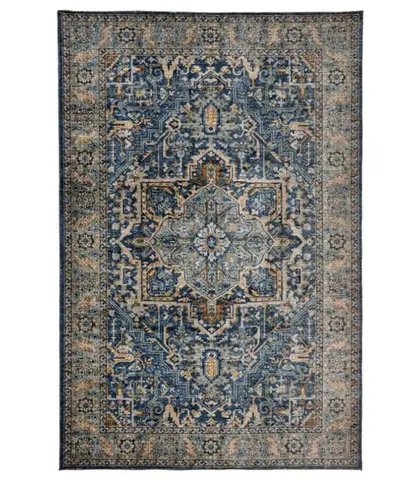
Featured
From ₹1,027
₹1,999
49%OFF
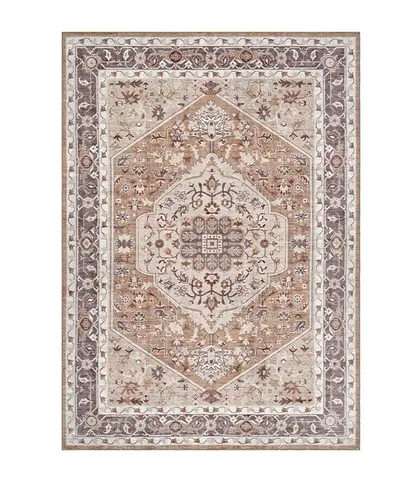
From ₹1,345
₹1,999
33%OFF
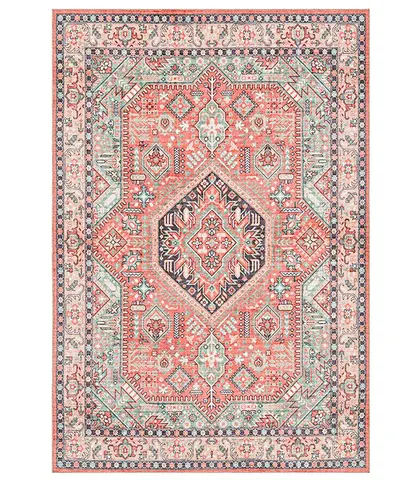
Top Rated
From ₹1,167
₹1,999
41%OFF
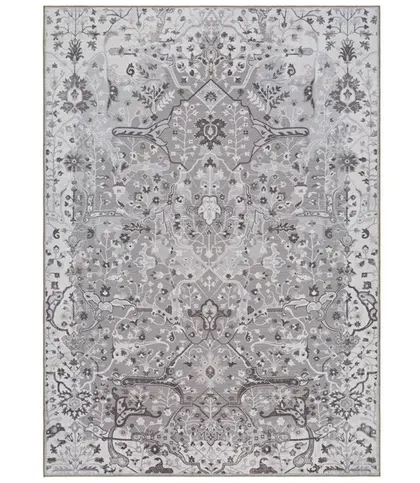
From ₹1,295
₹1,999
36%OFF
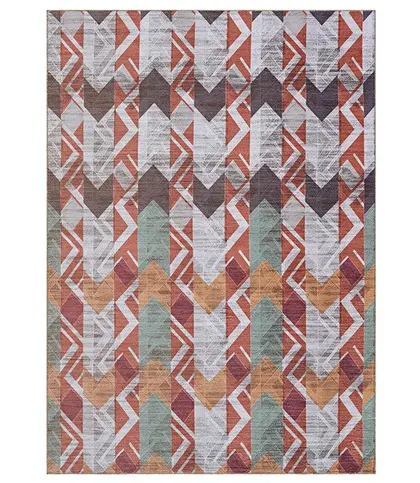
From ₹1,167
₹1,999
43%OFF
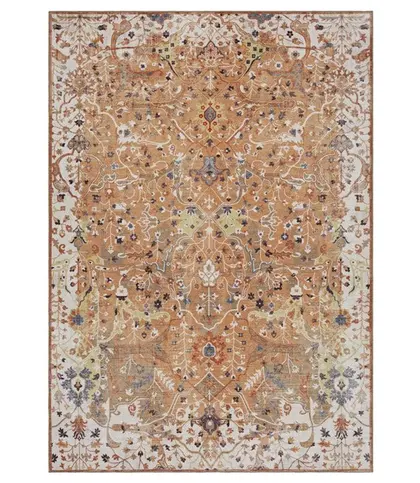
From ₹1,295
₹1,999
36%OFF
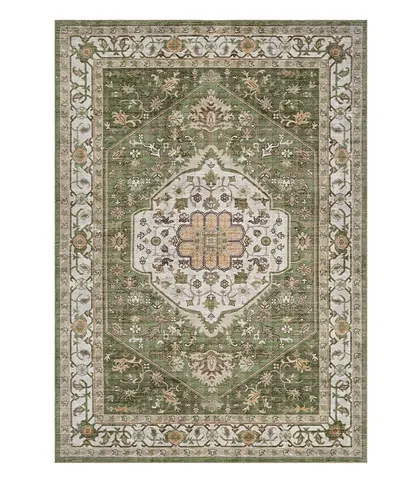
From ₹1,345
₹1,999
34%OFF
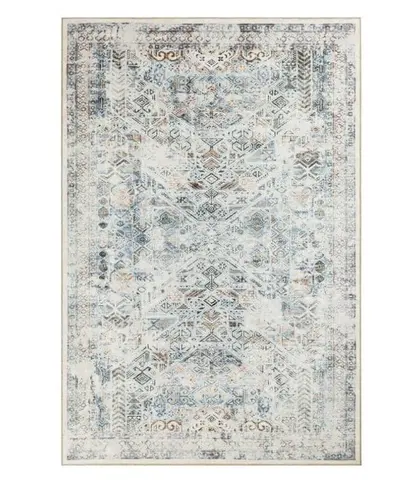
Featured
From ₹1,027
₹1,999
49%OFF
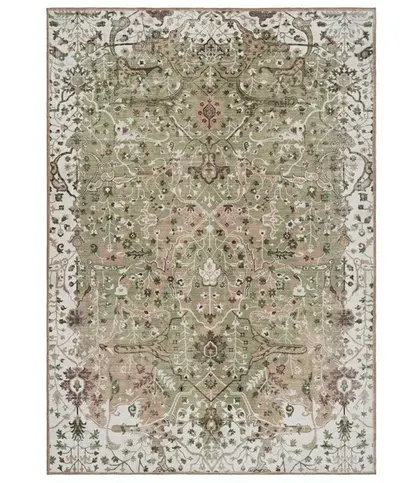
Featured
From ₹1,295
₹1,999
36%OFF
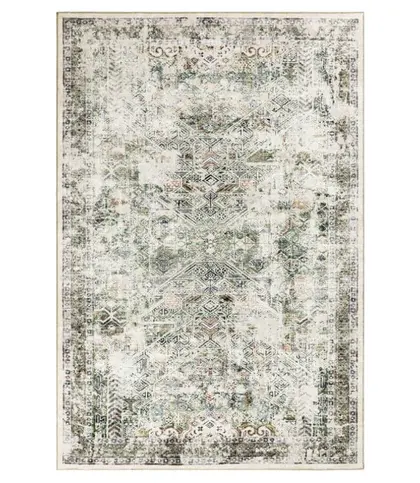
Clearance Sale
From ₹1,027
₹1,999
49%OFF
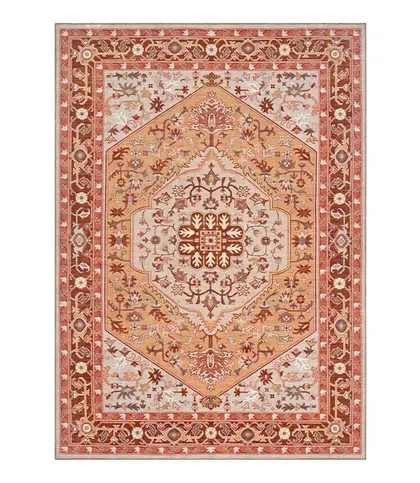
From ₹1,345
₹1,999
33%OFF
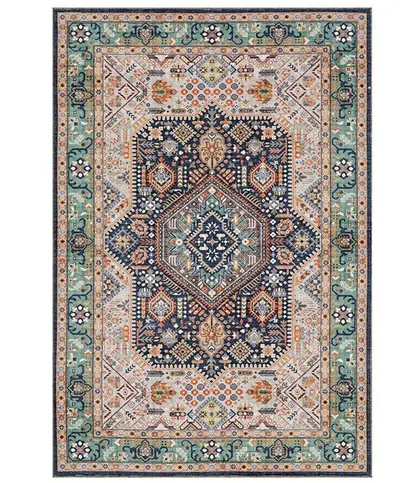
Top Rated
From ₹1,167
₹1,999
39%OFF
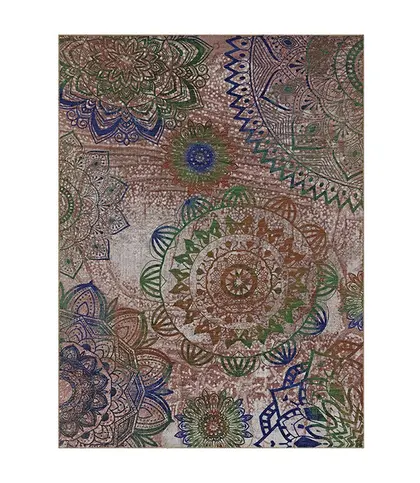
From ₹1,345
₹1,999
34%OFF
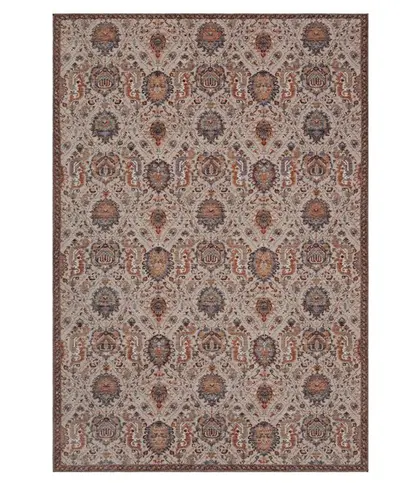
From ₹1,295
₹1,999
35%OFF
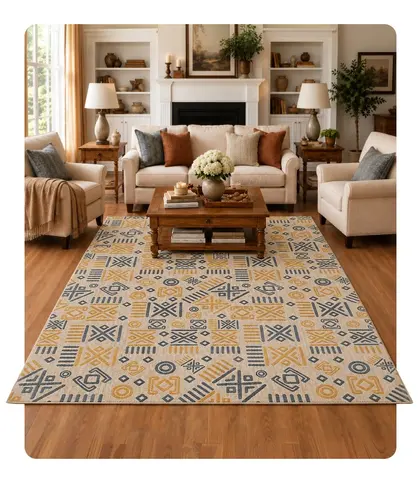
From ₹803
₹1,299
24%OFF
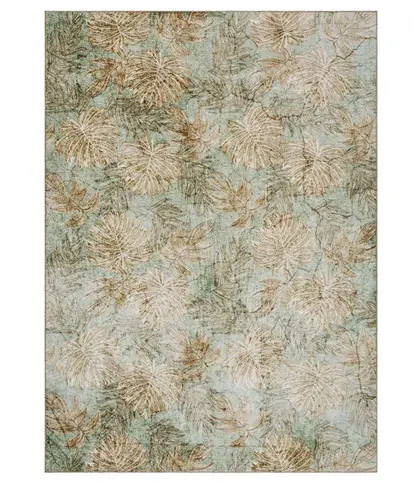
Clearance Sale
From ₹1,295
₹1,999
46%OFF
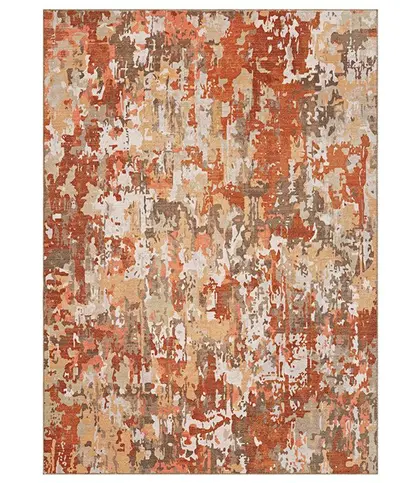
Clearance Sale
From ₹1,167
₹1,999
42%OFF
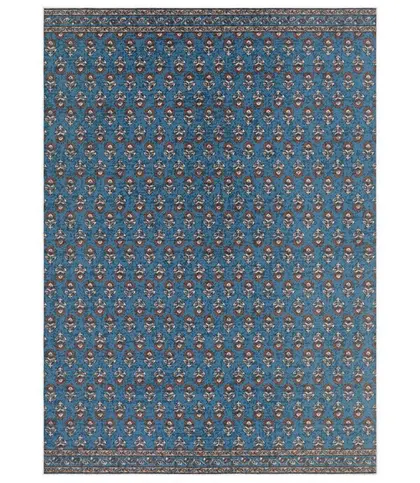
From ₹1,007
₹1,299
35%OFF
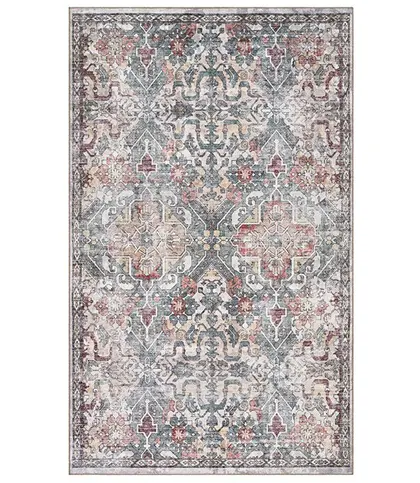
From ₹1,167
₹1,999
42%OFF
A floor layer can change how a room comes together. It can connect the furniture, soften the look of hard flooring and introduce just the right amount of colour or pattern. The Kaleen collection at Vaaree also includes cushion covers and mats, so you can carry a considered look from the floor to the sofa and into smaller spaces. Start with the room you are decorating, then choose the scale, texture and palette that suit the way you use it.
Perhaps your living room needs a generous carpet to anchor its seating, or your bedroom would benefit from a rug beside the bed. For a smaller refresh, cushion covers can bring a new colour into the room without changing its larger pieces. Kaleen offers ways to make each choice feel intentional rather than matched for the sake of matching.
Begin with the effect you want. A floor covering usually has the greatest visual impact, while cushions let you introduce a colour or motif in smaller doses. Kitchen and prayer mats serve more specific spaces, where dimensions and placement deserve particular attention.
| Explore | Best starting point | What to check |
|---|---|---|
| Kaleen carpets | Grounding a living or dining furniture arrangement | Furniture footprint, chair movement and the visible floor border |
| Kaleen rugs | Defining a bedroom corner or adding a smaller floor accent | Shape, doorway clearance and how much of the design remains visible |
| Kaleen cushion cover sets | Giving several sofa cushions a coordinated update | Number of covers, dimensions and how they work with existing upholstery |
| Kaleen cushion covers | Adding a single accent or mixing patterns | Insert size, closure and fabric care |
| Kaleen kitchen floor mats | Adding a defined layer near a kitchen work area | Available floor space, door clearance and care instructions |
| Kaleen prayer mats | Creating a dedicated place for personal practice | Dimensions, surface feel and ease of storing or placing it |
Measure before choosing any floor piece. Mark its proposed edges with masking tape, then walk around the outline and open nearby doors. For a dining area, pull the chairs out as you normally would; a footprint that looks ample beneath a tucked-in table may feel less comfortable in use.
Look first at the colours that are already difficult to change: your sofa, flooring, curtains and walls. Brown and beige can lend warmth to a room with timber or cream furnishings. Grey offers a quieter foundation, while blue or green can pick up a colour from artwork, upholstery or a view outdoors. Multicolour designs give you several accents to echo in smaller details.
You need not match a rug and cushions exactly. If the floor design is expressive, choose cushions in one of its softer colours. If your rug is restrained, use cushion covers for a bolder contrast. Varying the scale of patterns helps too: a broad motif underfoot can sit comfortably beside a smaller print on the sofa when there is some solid colour between them.
Contemporary and minimalist looks can keep the arrangement clean-lined, while Indian or Kashmiri-inspired styling can lend more decorative detail. Let the room’s existing character guide you. If you enjoy a graphic floor treatment, the Abstract Pattern collection offers another useful comparison; for a quieter scheme, browse the Minimal Home Edit.
A beautiful design still needs a convincing relationship with the furniture around it. In a living room, placing at least the front legs of the principal seating on the rug can help the pieces read as one group. In a bedroom, position a rug so that enough of it extends beyond the bed to be seen and enjoyed. A dining carpet should accommodate chairs when they are pulled back, not just when they are tucked beneath the table.
Shape changes the mood as much as size. A rectangular floor piece follows the lines of a sofa, bed or dining table; a round one can soften a room dominated by straight edges. Consider the route through the space as well as the furniture plan, so the floor layer frames daily movement rather than interrupting it.
Kaleen spans materials including polyester, wool, nylon and canvas. Use the material information on each product page as a starting point, but consider construction and finish too: two pieces made with the same fibre can look and feel quite different. A more tactile surface may add depth to a quiet bedroom, while a flatter floor layer can make it easier to move dining chairs. For cushion covers, think about how the fabric feels against your existing upholstery and whether you prefer a subtle or more noticeable texture.
Care requirements vary by piece. Check the individual instructions before washing a cover or treating a mark on a rug. For routine floor care, use a vacuum setting suited to the surface, rotate the piece periodically if its placement allows and blot fresh spills rather than scrubbing them. In busy areas, pattern and mid-toned colour can be practical visual choices, but the best option is one whose care routine works for your home.
Build from the largest element outward. Choose a carpet or rug that suits the furniture arrangement, identify one dominant colour and one smaller accent, then repeat that accent through cushions or other furnishings. This creates a connection without making every textile identical. You can explore the broader Living Room collection while deciding whether your floor piece should be the main feature or a calm backdrop.
For a balanced result, leave room for contrast: smooth upholstery beside a textured floor layer, a patterned cushion against a plain sofa, or a warm neutral alongside a cooler blue. The aim is a home that feels collected and comfortable, with each Kaleen piece contributing to the whole.
It does not need to sit beneath the entire sofa. Placing the sofa’s front legs and the front legs of nearby chairs on the carpet often connects the seating group. Measure the full arrangement before deciding.
Repeat one colour rather than the whole pattern. Pair a large-scale floor motif with smaller-patterned or solid cushions, and leave some plain surfaces between them.
Start with the look and surface feel you want, then review the individual product’s material, construction and care details. Fibre alone does not tell you everything about softness, finish or upkeep.
Measure the intended spot, allow for doors and cabinet access, and check the product’s dimensions and care guidance. Choose a placement that keeps your usual movement through the kitchen clear.
Vaaree brings together curated, premium, pretty home products, making it easier to consider Kaleen floor layers, mats and cushion covers as parts of a coordinated room. Compare dimensions, materials and design details to find the combination that feels right for your home.