
₹2,616
₹4,700
44%OFF
2 more color

101 Products
₹2,616
₹4,700
44%OFF
₹11,849
₹19,400
39%OFF
₹2,616
₹4,700
44%OFF
₹2,418
₹4,200
42%OFF
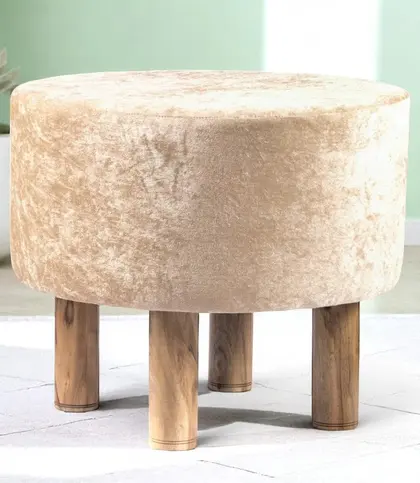
₹2,863
₹5,100
44%OFF
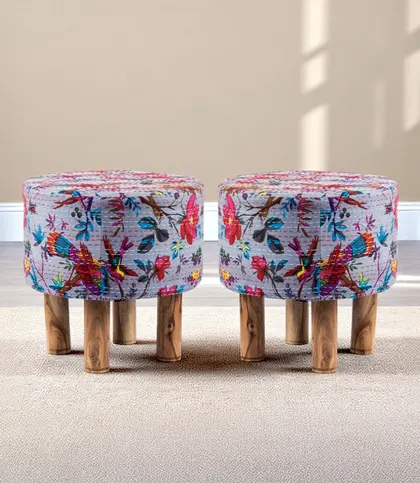
₹4,788
₹8,300
42%OFF
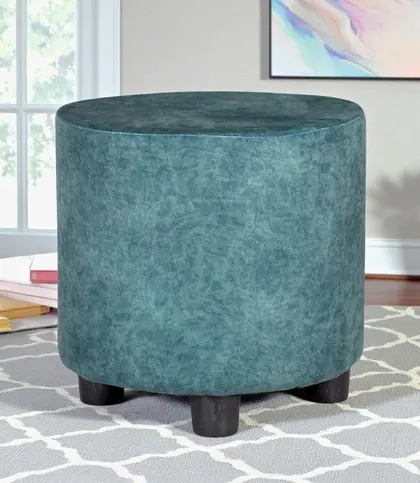
₹3,505
₹6,100
43%OFF
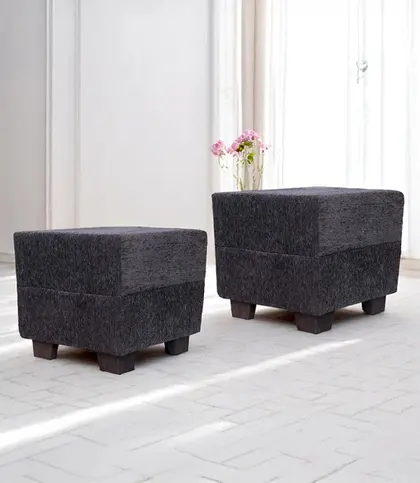
₹7,603
₹13,100
42%OFF
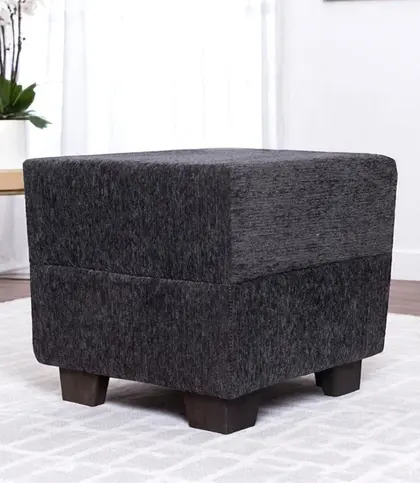
₹4,048
₹6,900
41%OFF
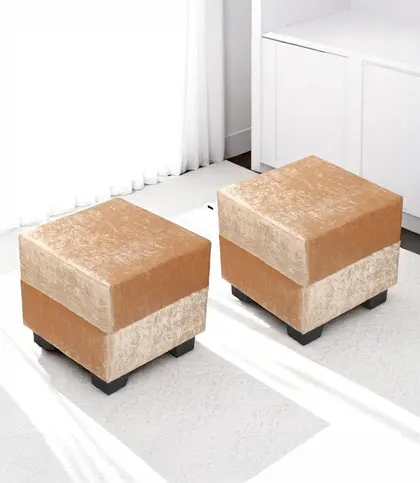
₹7,603
₹13,100
42%OFF
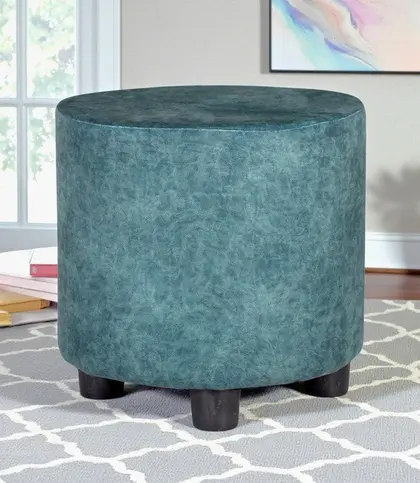
₹6,517
₹11,200
42%OFF
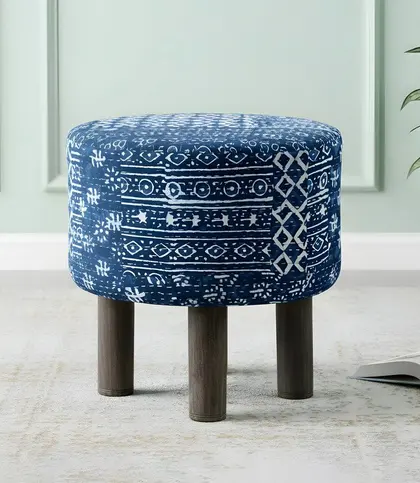
₹2,418
₹4,200
42%OFF
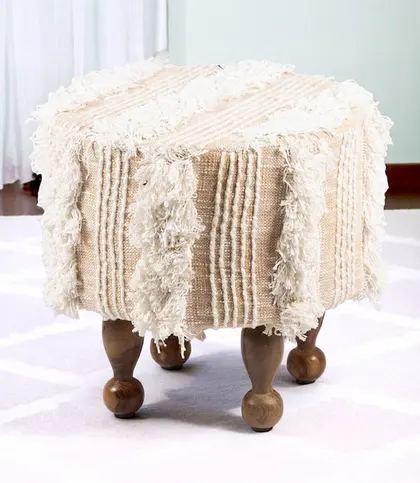
₹2,517
₹4,500
44%OFF
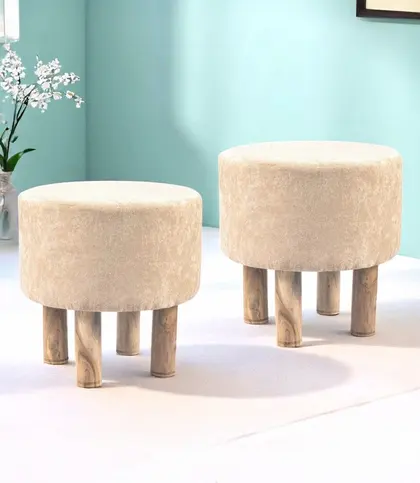
₹4,788
₹8,300
42%OFF
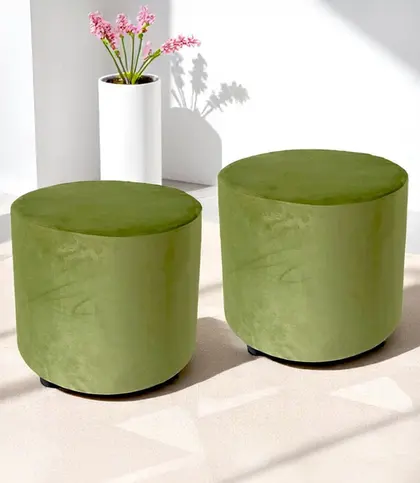
₹6,517
₹11,200
42%OFF
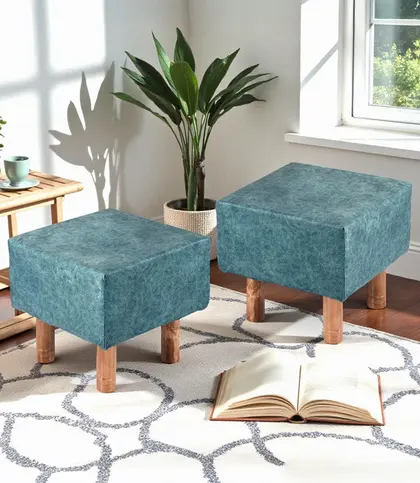
₹4,968
₹9,000
45%OFF
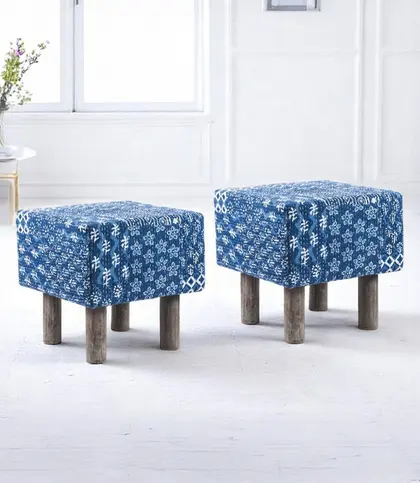
₹5,233
₹9,000
42%OFF
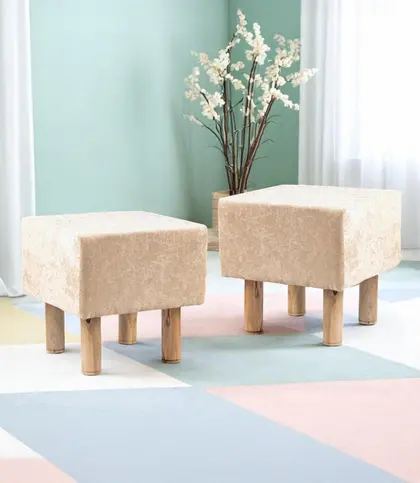
₹5,021
₹9,000
44%OFF
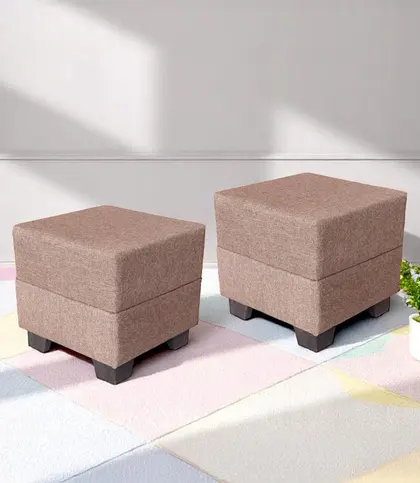
₹7,603
₹13,100
42%OFF
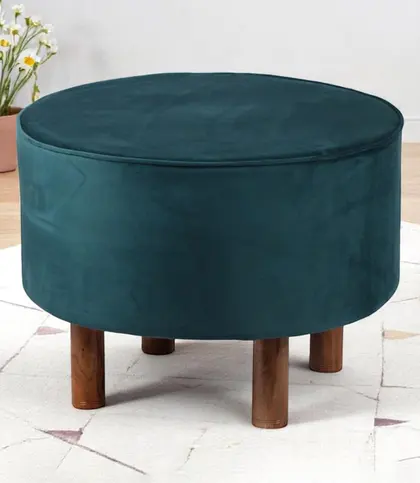
₹4,344
₹7,300
40%OFF
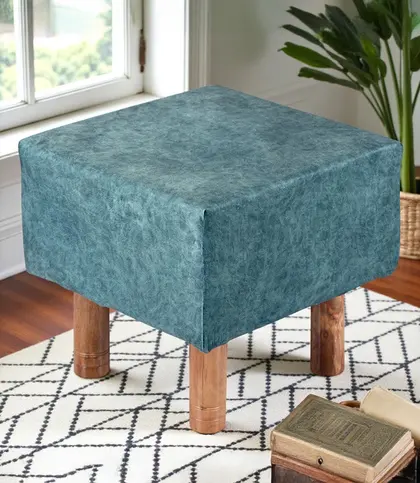
An ottoman can make a living room feel more welcoming without asking for as much space as another armchair. Pull one close when it is time to put your feet up, move it into a conversation circle when guests arrive, or let its colour and texture finish an otherwise quiet corner. Ikiriya Ottomans & Pouffe bring together practical accent seating and decorative character, from understated upholstered forms to lively prints with visible wooden legs.
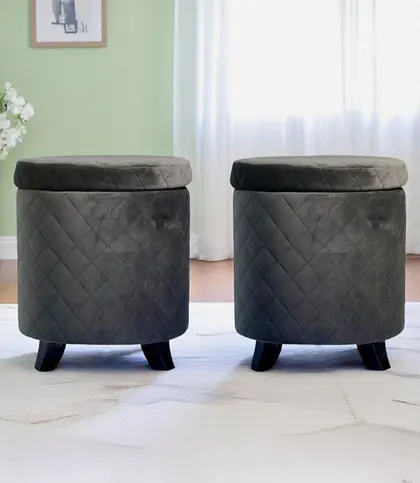
Start with the job you want the piece to do. A compact pouffe beside a sofa makes an easy footrest; a larger ottoman can have more presence as an occasional seat. A single piece gives you one flexible accent, while a pair can sit on either side of a seating arrangement or move independently as needed. If you are exploring styles beyond this brand, browse the wider Ottomans & Pouffe collection. You can also discover more from Ikiriya.
Measure the intended spot before settling on a look. Check the full width and depth, not just the seat height, and leave comfortable space to walk around it. A footrest should sit at a height that feels natural beside your sofa or chair; an occasional seat needs enough surface area for the person using it. Product dimensions and weight limits vary, so consult the individual listing if either is important to your decision.
These are accents for flexible living, not substitutes for every kind of furniture. If you need a firm surface for drinks, consider a side table nearby rather than relying on an upholstered seat. If you need a longer seating surface, explore benches and stools.
Across this Ikiriya collection, Acacia Wood and Pine Wood are prominent frame materials, with Sheesham Wood appearing in a smaller selection. The wood matters, but so does what you see and touch every day: upholstery, cushioning, leg finish and overall silhouette. Treat the material as one part of the choice rather than a shortcut to a particular look.
| Material | What to look for | Styling direction |
|---|---|---|
| Acacia Wood | Compare visible legs, wood finish and the fabric above them. | Warm wood tones can ground beige upholstery or balance a vivid patterned seat. |
| Pine Wood | Look at the complete upholstered form, including its texture and seat height. | Clean-lined or tufted designs can bring a soft contemporary accent. |
| Sheesham Wood | Consider the piece's footprint and whether you prefer a quieter or more expressive covering. | Visible wood and rich upholstery can give an ottoman a distinctive presence. |
Want to compare wood-led accents for the rest of the room? Explore solid wood accent furniture. For a broader mix of shapes and finishes, visit accent furniture.
For a calm living room, beige, grey, brown and black are easy starting points. They can sit comfortably alongside existing furniture while texture does the interesting work: a soft fabric, a neat upholstered edge or a touch of fringe can add depth without demanding attention. Blue and maroon offer more colour while remaining easy to anchor with neutral surroundings.
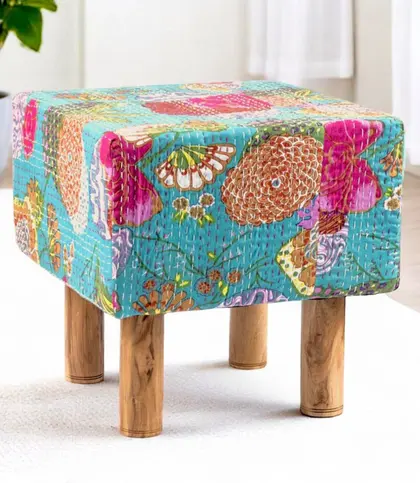
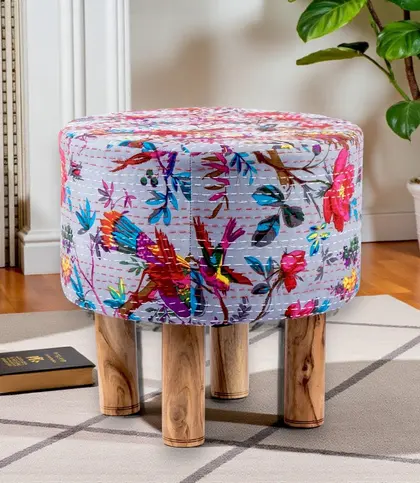
If the room could use a focal point, look to multicolour upholstery or a lively print. Patterned ottomans can pick up tones already present in cushions, artwork or a rug. A velvet finish lends a smoother, more polished impression; woven and textured fabrics feel more relaxed. Choose by the effect you want at eye level, then check the close-up images and product details for the precise fabric and finish.
Placement makes just as much difference as colour. Near a sofa, an ottoman can make a familiar seat feel more restful. Beside an accent chair, it creates a small reading spot. A pair can help balance a wider seating area without filling it with bulky furniture. In a smaller room, keep the route to doors and other seats clear so the extra flexibility remains useful.
Focus less on the name and more on the size, shape and construction. A compact pouffe may be just right beside a chair, while a broader ottoman can make a more noticeable accent. Compare the dimensions and intended use of individual pieces to find the best fit.
Choose one when you have a specific corner or seat in mind. A pair makes sense when you want matching footrests, flexible occasional seating, or a balanced arrangement around a larger sofa. Measure for both pieces even if you expect to separate them.
Many ottomans and pouffes are designed for occasional seating as well as footrest use, but suitability and weight limits differ. Check the individual product details before buying for that purpose.
Follow the care instructions for your chosen piece. As a general habit, wipe gently with a soft cloth, avoid bleach, limit prolonged direct sunlight, and keep sharp objects away from fabrics that may snag.
Vaaree is a destination for curated, premium, pretty home products. This collection lets you compare Ikiriya accents by the details that matter in your space, from frame material and upholstery to shape, size and whether you want one piece or a coordinated pair.