
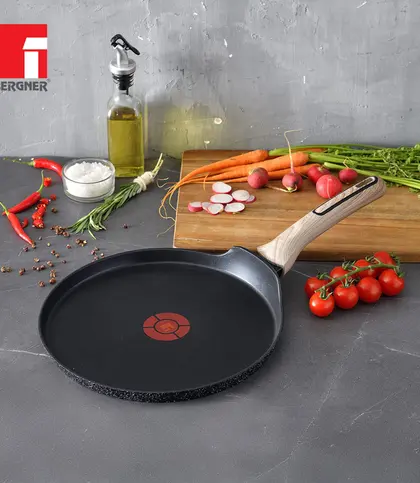
₹2,099
₹2,995
30%OFF

55 Products
₹2,099
₹2,995
30%OFF
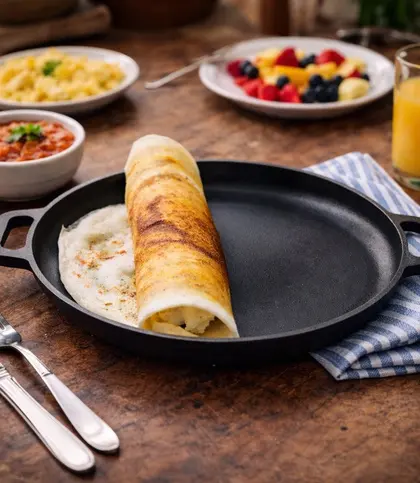
Featured
FastDelivery₹1,399
₹2,499
44%OFF
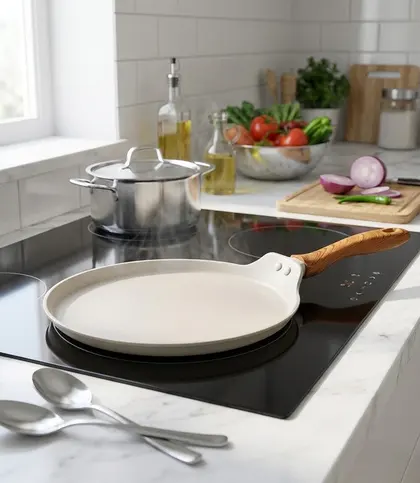
₹1,549
₹2,149
28%OFF
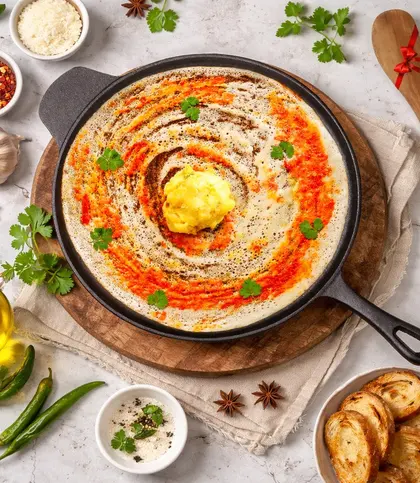 FastDelivery
₹1,599
₹2,499
36%OFF
₹1,189
₹1,700
30%OFF
 FastDelivery
₹2,268
₹3,015
25%OFF
₹2,677
₹3,915
32%OFF
 FastDelivery
₹1,399
₹2,030
31%OFF
 FastDelivery
From ₹2,049
₹2,690
25%OFF
 FastDelivery
₹2,399
₹3,190
25%OFF
₹1,241
₹1,892
34%OFF
₹1,241
₹1,892
34%OFF
₹1,333
₹2,220
40%OFF
₹1,287
₹2,100
39%OFF

₹827
₹1,176
30%OFF
₹1,369
₹1,870
27%OFF
₹5,199
₹7,975
35%OFF
₹1,499
₹2,109
29%OFF
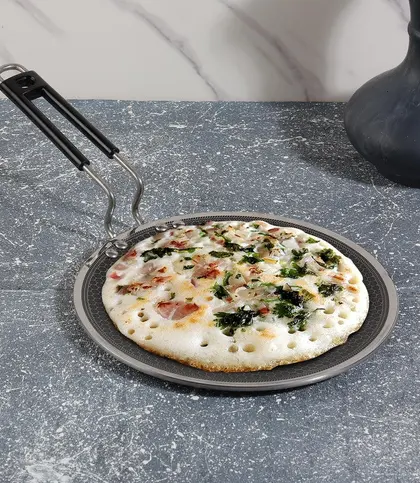
₹1,997
₹2,890
31%OFF
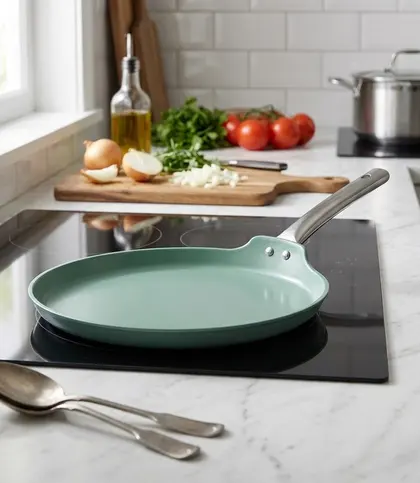
₹1,649
₹2,319
29%OFF
A good dosa tawa gives you room to spread the batter and a surface you are comfortable using and caring for. Before choosing one, think about the dosas you usually make, the burner or induction zone you cook on, and how much weight you want to lift. A generous pan may suit a wide, thin dosa, while a more compact one can be easier to handle and store. The right choice is the one that works in your kitchen—not simply the largest diameter on the label.
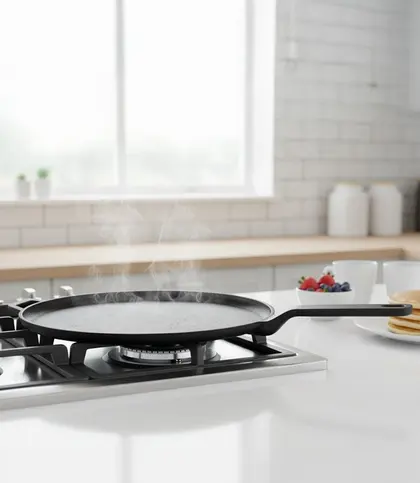
Check whether a listing gives the flat cooking-surface diameter or the pan’s overall diameter. A rim or sloping edge can reduce the space available for spreading batter. If the measurement is unclear, use the product images and dimensions together rather than assuming the full stated width is usable. Leave room around your preferred dosa size to turn an edge or slide in a spatula.
Compare the flat base with your burner or induction cooking zone. An oversized tawa on a small heat source may be less convenient to cook on evenly; one that overhangs the stove can also crowd nearby burners. Measure your storage shelf and consider the pan’s total length with its handle, especially if you plan to keep it in a drawer. If you make several dosas in succession, also think about whether you would rather work with a broad cooking surface or a lighter pan that is easy to move between batches.
Vaaree’s dosa tawa collection includes different cookware materials, with cast iron and aluminium among the prominent choices. Material is a useful starting point, but it does not tell you everything about a particular tawa. Check the actual listing for its surface finish, coating, weight, preparation instructions and compatible hobs.
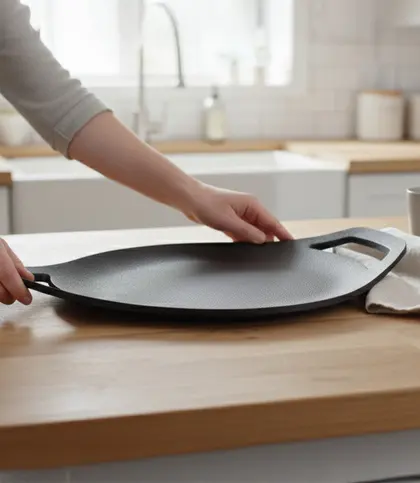
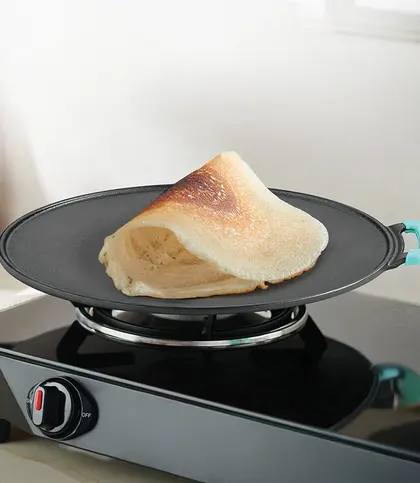
A flat, accessible surface helps you spread batter in a circle and lift the cooked dosa. If a tawa has a raised edge, check that it still leaves enough unobstructed room for the dosa you want to make. Thickness and weight matter as much as diameter for handling: consider how easily you can lift the pan, reposition it on the stove and put it away after it has cooled.
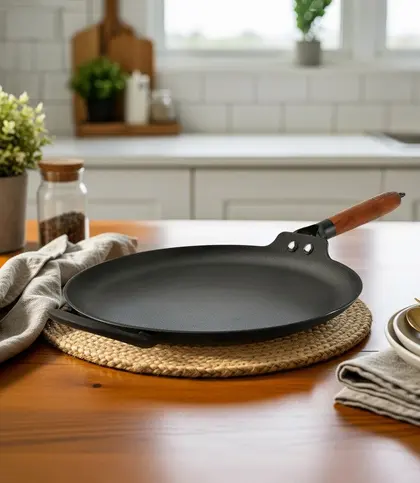
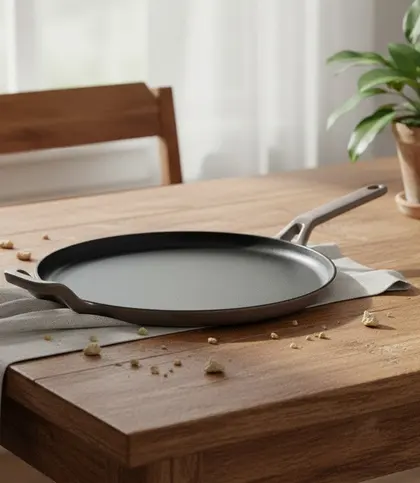
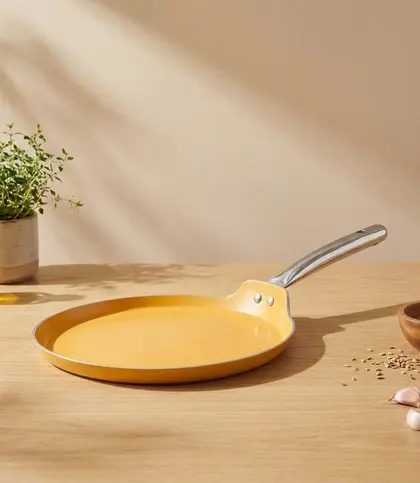
Inspect the handle in the product images and specifications. Its length, attachment and shape affect your grip and the space the tawa occupies. Do not assume a handle stays cool; use a suitable grip when needed and follow the product’s handling instructions. If a coated surface is your preference, you can browse non-stick tawas, then check the specific coating and care guidance before choosing.
Not every dosa tawa works on induction. An induction hob needs a compatible base, and a material name or the presence of a flat bottom is not enough to confirm suitability. Look for explicit induction compatibility on the product listing and compare any stated base dimensions with your cooking zone and hob guidance. Explore induction-safe tawas as a starting point, but verify the particular pan you select.
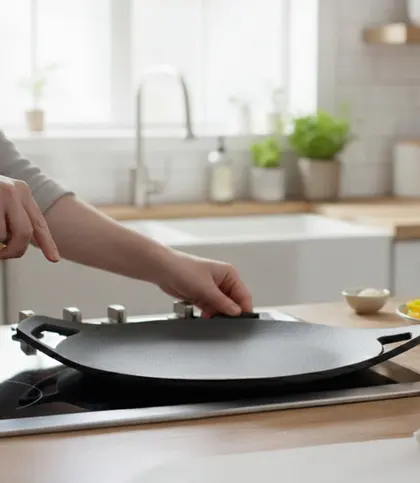
For a gas stove, make sure the pan sits securely on the support and leaves you room to use its handle safely. If you use another type of hob, check that it is named in the listing. Oven suitability is a separate specification: do not put a tawa in the oven unless the product instructions expressly allow it, including its handle and any coating.
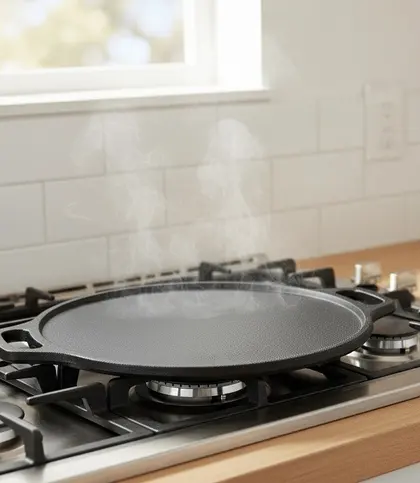
Read the supplied first-use directions before making your first dosa. Some surfaces call for seasoning or other preparation; others have coating-specific instructions. Follow those directions rather than applying the same routine to every material. During cooking, allow the tawa to reach a suitable temperature, spread batter gently and adjust the heat if one part browns much faster than another. A little oil or ghee may be useful depending on the recipe and surface, but no tawa should be assumed to release every batter without sticking.
If dosa sticks, check several things before blaming the pan: batter consistency, pan temperature, how much oil you used and whether the surface was prepared as instructed. Give the tawa time to settle at the new heat setting before trying the next dosa. Clean and dry it according to its own care guide. Avoid abrasive scrubbing on a surface whose instructions prohibit it, and store the pan only after it has cooled and dried. If you stack cookware, protect the cooking face from contact with rough bases or utensils.
Still comparing formats? Browse the wider tawa collection or explore cast iron cookware if that material suits your cooking routine. Vaaree brings considered kitchen essentials together so you can choose a dosa tawa for the breakfasts you make and the space you have.
Start with the diameter of the dosa you like to make, then allow extra flat space for spreading and lifting it. Compare the usable cooking area—not just the outer measurement—with your burner and check that the full pan, including its handle, fits your storage space.
No. Confirm induction compatibility on the individual product listing and check any base-size guidance against your hob. Do not infer compatibility from the tawa’s appearance or material alone.
Follow the instructions for the particular tawa. Some cast iron cookware is sold pre-seasoned, while other pieces may need preparation or ongoing seasoning. Check the listing and care directions before first use.
The pan may be too hot or not yet at a steady temperature; batter consistency, oil and surface preparation can also play a part. Adjust one factor at a time and follow any material- or coating-specific instructions.
Vaaree is a destination for curated, premium, pretty home products, including practical kitchen essentials. Use the product details to compare the size, surface, handle and hob compatibility that matter most to you.