

Luxe
₹3,324
₹6,598
50%OFF
3 more color

545 Products
Luxe
₹3,324
₹6,598
50%OFF
₹22,260
₹39,998
44%OFF

Featured
₹4,452
₹8,798
49%OFF

₹4,535
₹8,800
48%OFF

₹15,579
₹27,998
44%OFF
₹3,465
₹5,999
42%OFF

₹12,841
₹22,999
44%OFF

₹11,108
₹19,998
44%OFF

₹2,225
₹4,398
49%OFF
₹1,863
₹3,520
47%OFF

₹3,470
₹5,999
42%OFF
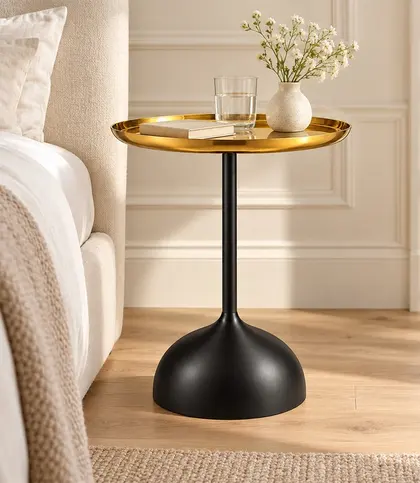
₹6,049
₹15,999
62%OFF

₹9,567
₹17,000
44%OFF

₹16,697
₹22,499
26%OFF
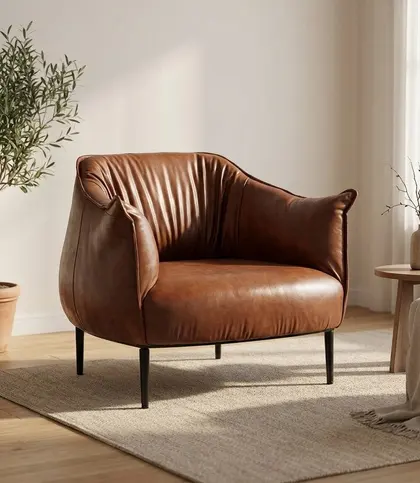
₹18,900
₹33,998
44%OFF
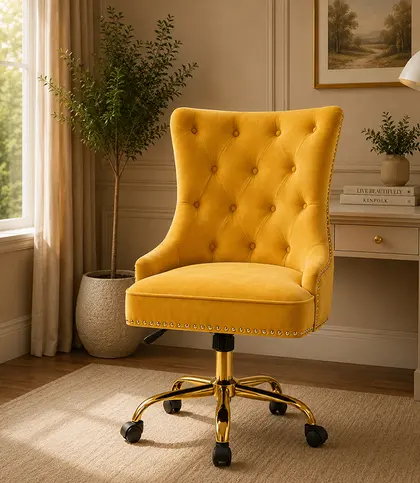
₹15,579
₹27,998
44%OFF
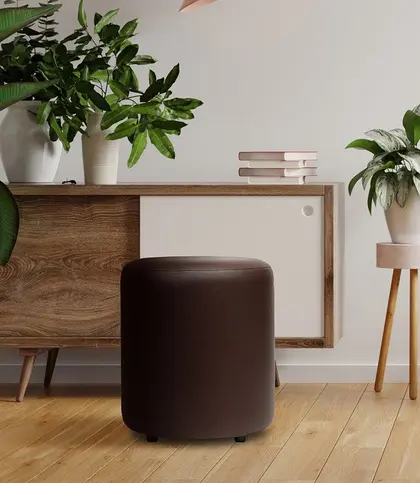
Featured
₹1,863
₹3,520
47%OFF

₹15,579
₹27,998
44%OFF
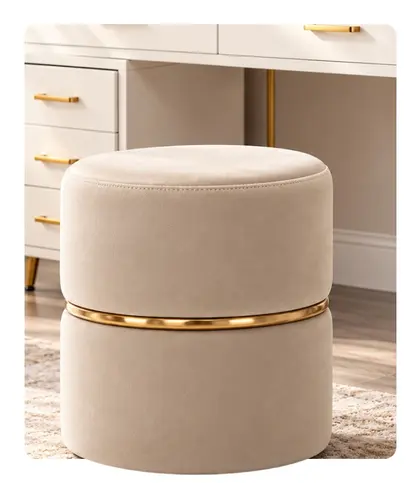
₹1,863
₹3,520
47%OFF
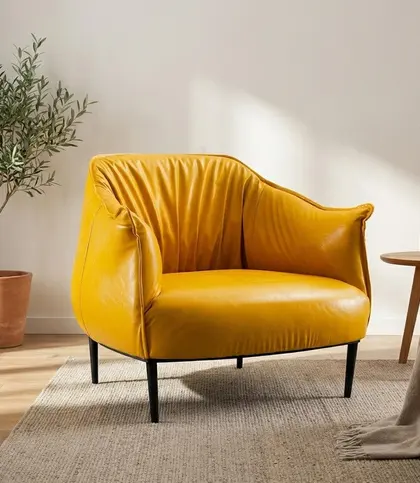
₹18,900
₹33,998
44%OFF
A well-chosen seat does more than fill a corner. It makes a room more useful, gives people a place to settle and brings shape, colour and texture into the setting. The Doe buck collection brings those decisions together through accent chairs, ottomans and pouffes, bar stools, benches, lounge chairs and office chairs. Whether you are furnishing a reading spot or finding a finishing piece for the living room, start with how you want to use it. Then choose the silhouette and finish that make the space feel like yours.
There is room here for quiet neutrals, rich colour and polished accents. A soft upholstered chair can make an empty corner inviting; a compact pouffe can add a footrest without dominating the floor; a bench can give a bedroom or entryway a place to pause. Browse by purpose first, and you will have an easier time deciding which details are worth prioritising.
Before falling for a finish, mark out the furniture’s footprint on the floor. A chair needs more than its listed width: leave space to walk past it and to pull it away from a wall if needed. In a smaller living room, an ottoman can be a useful companion to an existing seat, while an accent chair creates a more defined place to read or talk. If you are pairing two seats, consider how they face each other rather than lining every piece against the walls.
For a bar stool, measure from the floor to the underside of the counter and compare that with the seat height, allowing comfortable room for knees. Check the stool’s overall height as well if it has a backrest. For a bench at the foot of a bed, compare its length with the bed and allow space to pass around it. Near an entryway, think about whether the seat leaves room for doors to open and shoes to be put on. These small checks make a stylish choice much easier to live with.
Doe buck seating brings together materials such as neem wood, metal, velvet, fabric and bouclé. They each change the character of a piece. Velvet gives colour a soft, luminous depth; bouclé brings tactile texture to a neutral palette; smoother upholstery can create a cleaner-lined look. Metal details can lend a chair or stool a crisp outline, while wood contributes visual warmth. Some pieces combine a structural frame with upholstered surfaces, so read the materials and frame information for the particular design rather than judging by its appearance alone.
Think about where the seat will spend most of its time. A textured upholstery might be just what a calm reading nook needs; a strongly coloured velvet pouffe can provide contrast in a largely neutral room. If the piece will see frequent use, look closely at its seat, backrest and care instructions as well as its finish. Check whether an ottoman or bench has storage rather than assuming that an upholstered body opens, and confirm any assembly requirements before ordering.
For an understated room, try beige, ivory, grey or brown seating alongside existing wood tones. Black can sharpen a contemporary scheme, while green, blue or pink can make one chair or pouffe the focal point. Gold-toned details add a polished accent, especially when repeated sparingly elsewhere in the room. You do not need every seat to match: a textured chair beside a smooth sofa, or a rounded ottoman against straight-lined furniture, can make the arrangement feel more considered.
Scale matters as much as colour. A generously shaped accent chair has presence and deserves breathing room. A compact pouffe can introduce colour at a lower level without interrupting the view across the room. A long bench creates a horizontal line that can balance taller furniture nearby. If you are building a seating area from scratch, choose the main seat first, then let smaller pieces answer a practical need rather than adding them only for decoration.
Choose by the job you need it to do, not the name alone. An accent chair can define a conversational corner and add a distinct design note. If relaxing for longer is the priority, compare lounge-chair seat depth, back shape and arms. Always check the dimensions of the specific chair against your room.
It can be, particularly when you want a footrest or occasional perch without adding another full-size chair. Measure its footprint and consider how easily people can move around it. If you need hidden storage, look for a design that explicitly includes it.
Measure your counter height and check the stool’s seat height to leave comfortable legroom. Also consider its overall width, the spacing you need between stools and whether its footrest and back suit the way you plan to sit.
Follow the instructions given for your chosen piece. As a general habit, remove loose dust gently, attend to spills promptly and avoid harsh cleaning products unless the product guidance permits them. Check fabric-specific directions before treating velvet or bouclé.
Vaaree is a destination for curated, premium, pretty home products. You can explore Doe buck seating by type, compare designs for different rooms and choose pieces that serve your space while making it feel more personal.