
Sold Out
₹2,049
₹2,400
15%OFF

106 Products
Sold Out
₹2,049
₹2,400
15%OFF
Sold Out
₹2,049
₹2,400
15%OFF

Sold Out
₹3,049
₹3,600
15%OFF
Sold Out
₹3,049
₹3,600
15%OFF
Sold Out
₹4,049
₹4,800
16%OFF
Sold Out
₹2,849
₹3,360
15%OFF
Sold Out
₹3,049
₹3,600
15%OFF
Sold Out
₹7,349
₹8,760
16%OFF
Sold Out
₹2,849
₹3,360
15%OFF
Sold Out
₹3,049
₹3,600
15%OFF
Sold Out
₹3,549
₹4,200
16%OFF
Sold Out
₹4,749
₹5,640
16%OFF
Sold Out
₹7,349
₹8,760
16%OFF
Sold Out
₹3,349
₹3,960
15%OFF
Sold Out
₹3,049
₹3,600
15%OFF
Sold Out
₹6,549
₹7,800
16%OFF
Sold Out
₹3,049
₹3,600
15%OFF
Sold Out
₹3,049
₹3,600
15%OFF
Sold Out
₹2,049
₹2,400
15%OFF
Sold Out
₹2,849
₹3,360
15%OFF
A home feels easier to live in when the things you reach for have a place. Comfy Homes brings together serving pieces, kitchen containers and organisers for desks, living rooms and dressing tables. Start with the job you want a piece to do: carry refreshments, present snacks, separate ingredients, tidy stationery or keep small essentials within reach. Then compare its size, material and care needs. The collection’s contemporary finishes add polish, but its most useful distinction is the range of formats available for different routines.
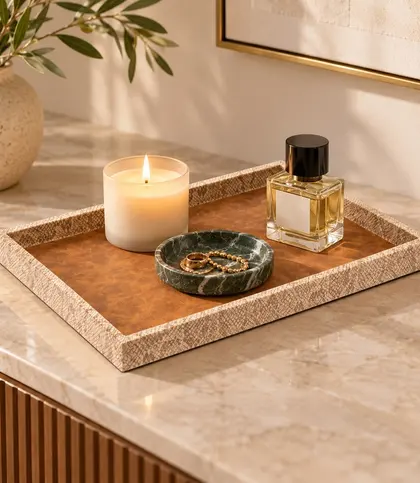
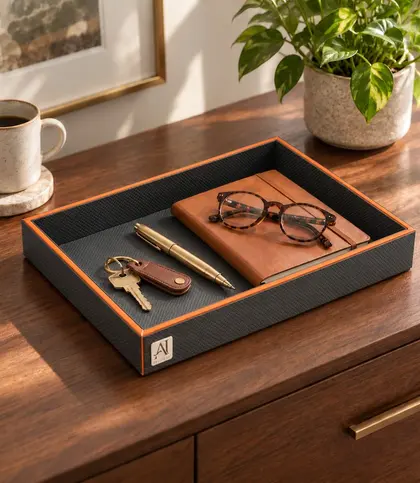
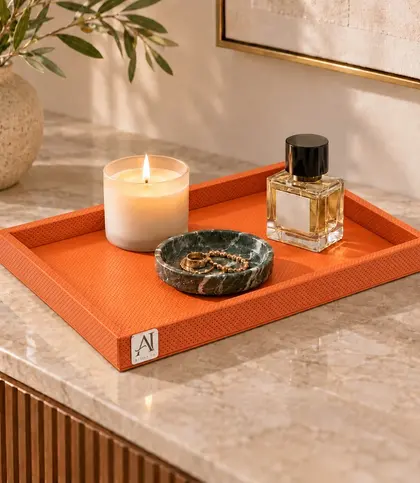
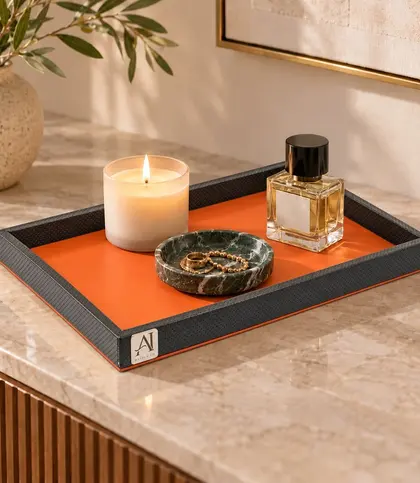
For carrying and gathering: A serving tray gives cups, snacks or loose essentials a defined surface. Rectangular trays offer room to arrange several items together and can also help contain everyday clutter on a table. Explore the Comfy Homes serving trays if this is your main priority. If you want to compare more serving formats, browse serving trays and platters.
For presenting food: A platter is better suited to laying out appetisers or snacks than to corralling tall objects. Wooden platters in the collection offer different silhouettes, including oval and rectangular forms; check the usable surface against what you plan to serve. Small bowls work differently again: they keep nuts, dips or individual snack portions separate instead of spreading them across one surface. For more options in a natural material, see wooden trays.
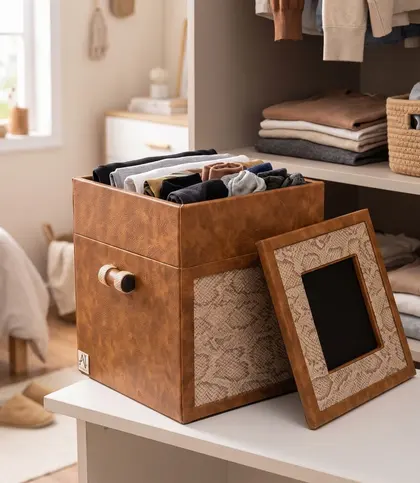
For keeping ingredients or leftovers together: Dry-fruit and masala boxes suit grouped, accessible kitchen storage, while lidded glass containers suit portions you want to identify at a glance in the fridge. A lunch-box format is designed around taking food with you; its footprint, capacity and lid matter more than its countertop appearance. Check whether a container has compartments, how its lid closes and whether its stated capacity suits your usual portions rather than choosing on colour alone.
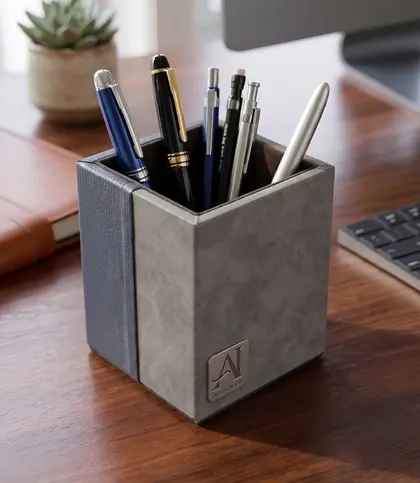
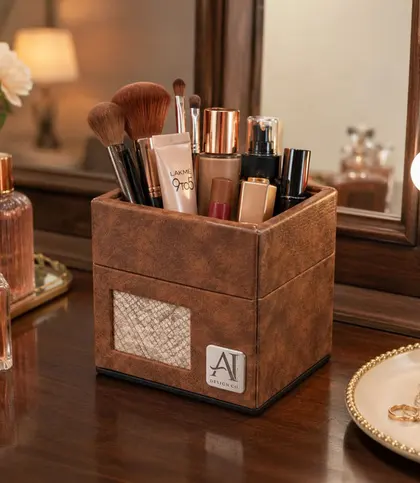
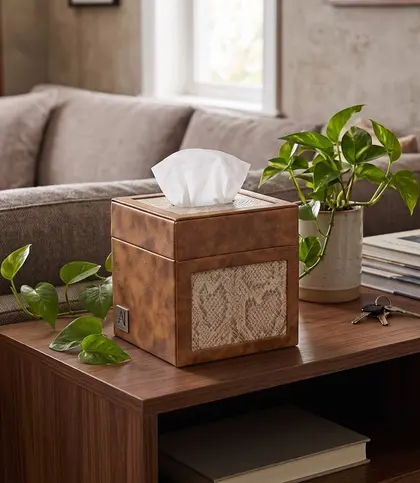
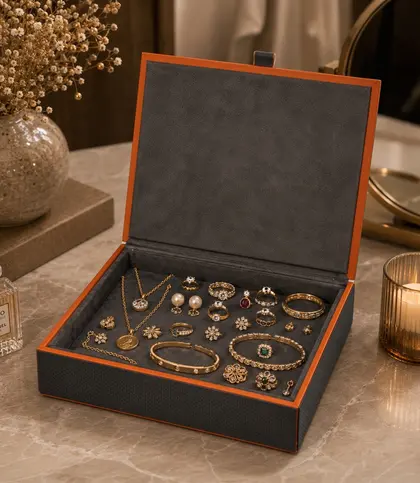
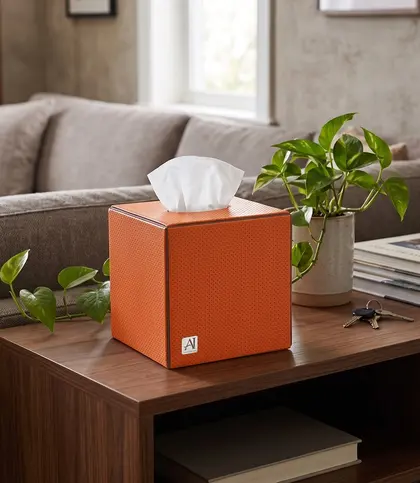
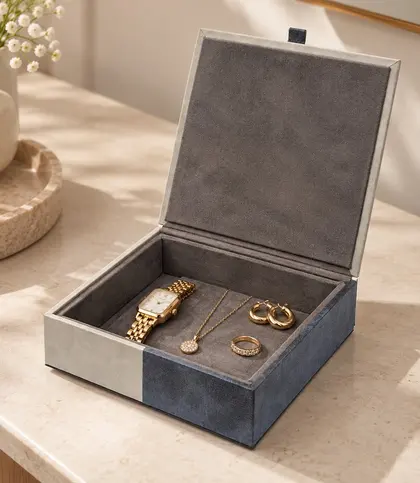
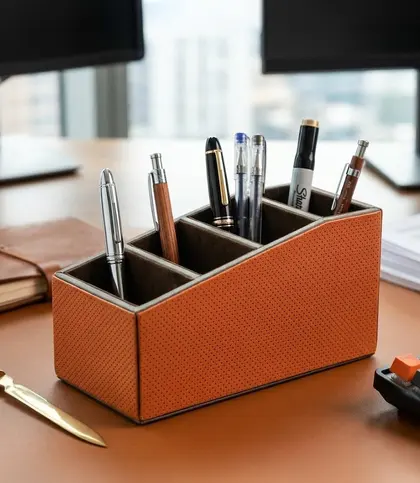
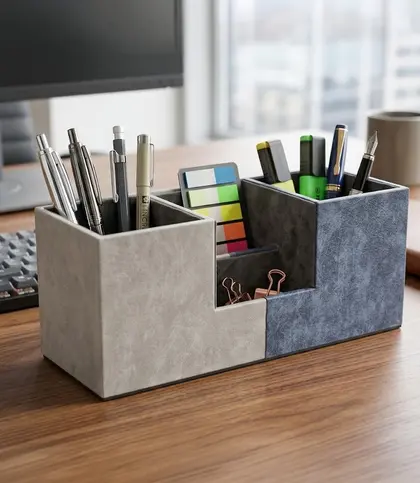
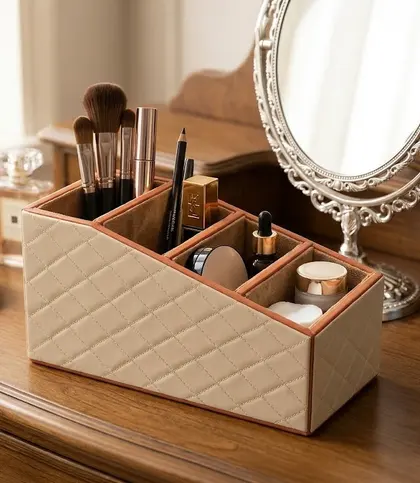
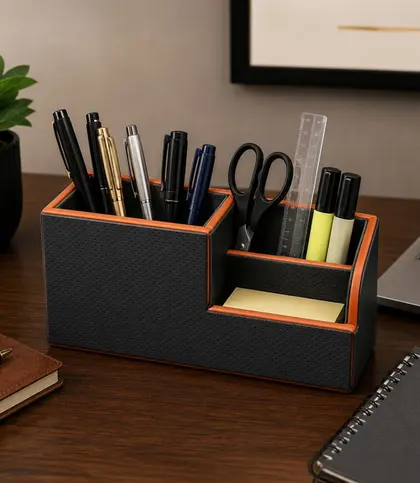
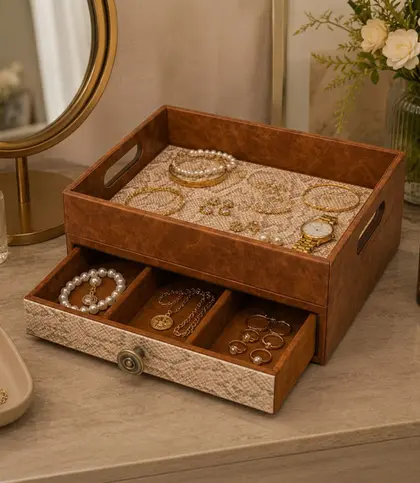
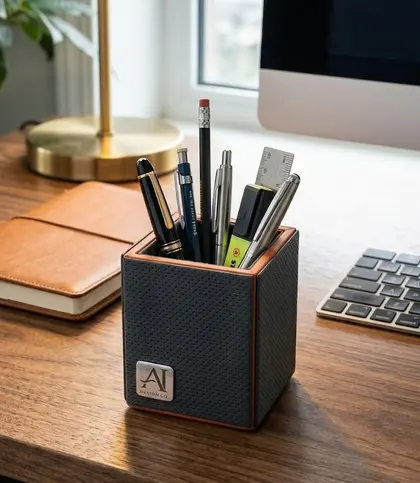
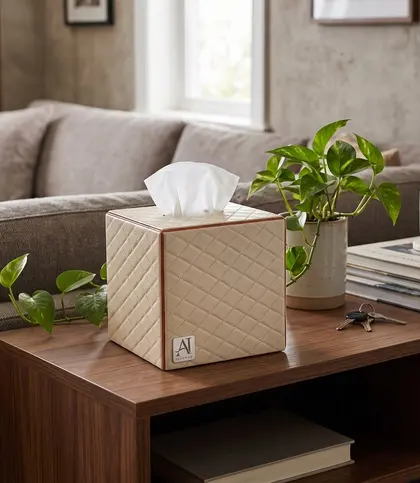
For clearing a work surface: A pen stand is an upright home for pens, pencils and similar tools. A larger desk organiser suits a broader mix of stationery or frequently used essentials, provided your desk has enough room for its footprint. Tissue holders keep tissues accessible without leaving the box as the visual focus, while a jewel box gives jewellery a dedicated place in a dressing area. These pieces solve different problems, so consider what you want to retrieve quickly and what you would rather keep contained.
| Format | Best starting point | Check before choosing |
|---|---|---|
| Serving tray | Carrying refreshments or collecting items on a surface | Width, depth, raised sides and the care guidance for its material |
| Platter or snack bowl | Presenting food for sharing or keeping portions separate | Food-use information, serving area or bowl capacity |
| Dry-fruit or masala box | Organising small kitchen ingredients and snacks | Internal divisions, lid access and available counter or cupboard space |
| Glass container or lunch box | Storing portions in the fridge or packing a meal | Capacity, lid features, stackability and cleaning instructions |
| Pen stand or desk organiser | Keeping work essentials within reach | Desk footprint, height and the types of items to be stored |
| Tissue holder or jewel box | Giving frequently used items a defined home | Fit for the tissues or jewellery you own and ease of access |
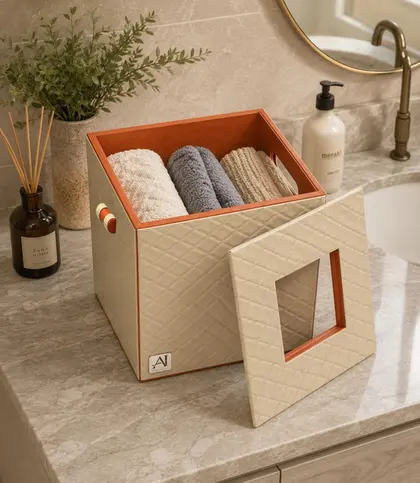
Vegan leather appears across trays and organisers in Comfy Homes. It gives these pieces a structured, finished look that suits a desk, dining table or side table. Some trays and tissue holders have water-resistant designs, but water resistance is not a reason to leave spills sitting on a surface. For a tray, check its individual guidance before using it for direct food contact; using appropriate dishes on the tray is a practical way to keep serving and presentation distinct.
Melamine is a lightweight option found in kitchen storage and serving pieces. It suits someone who regularly moves a box between cupboard and counter. Glossy, patterned designs can make an ingredient box pleasant to leave out, but the useful questions remain how its contents are separated and how easily you can reach them. Follow the product’s care instructions rather than assuming a melamine piece can go in the microwave.
Wood brings warmth to platters and bowls. For direct food serving, check the individual piece’s food-use information. Wood benefits from gentle cleaning and thorough drying, particularly when it is used for snacks or appetisers. Glass makes stored contents visible, helping you identify portions without opening every container; compare capacities and lid features if fridge organisation is the goal. Steel lunch boxes provide another format for portioning meals, with stackable designs worth considering when cupboard space is limited.
A piece can be the right type and still be the wrong size. For a serving tray, measure the table or shelf where it will rest and allow room around the items you expect to carry. For a platter, think about the food’s spread as well as the platter’s outside dimensions. For containers, compare the stated capacity with your typical batch or portion, then check whether the shape fits your fridge shelf or cupboard. On a desk, leave space to write or work after placing an organiser. A compact pen stand may be enough for a handful of tools; a larger organiser earns its space when it replaces several smaller piles.
Placement can also guide the finish. Neutral grey, beige and brown pieces sit quietly among everyday objects, while patterned kitchen containers or a coloured platter can make a useful item more noticeable. Choose the finish you will enjoy seeing in the place it actually lives, rather than treating it as a substitute for checking fit and function.
Care varies by product, so read the instructions on the piece you choose. Many Comfy Homes pieces call for hand washing with a soft sponge and mild detergent, followed by thorough drying; abrasive cleaners, sharp objects and microwave use are commonly discouraged. Avoid assuming that a water-resistant finish is waterproof or that a container is dishwasher-safe. Empty and clean food containers between uses, dry wooden serveware before putting it away, and deal with spills promptly on organisers and trays. Keeping each piece clean and easy to reach is what makes an organisation routine stick.
Choose a tray when you need a surface for carrying or grouping several items. Choose a platter when presenting food is the main purpose. Check the individual product’s food-use guidance if you intend to place food directly on it.
It may be if pens and pencils are the main items you need to gather. If notebooks, loose stationery and other essentials also need a home, compare larger desk organisers and measure their footprint against your available work surface.
Start with what you will store and how much of it you usually have. Then compare capacity or compartments, lid access, the space where the container will sit and its care instructions. A transparent container can make contents easier to identify; a divided box can keep smaller items separate.
Vaaree is a destination for curated, premium, pretty home products. Shopping the Comfy Homes collection lets you compare practical serving, storage and organising formats in one place, then choose the pieces that fit your routines as well as your home.