
₹290
₹1,245
77%OFF
3 more set of

851 Products
₹290
₹1,245
77%OFF
₹1,246
₹1,999
38%OFF
₹1,516
₹2,400
37%OFF
Deal Of The Day
₹257
₹1,899
86%OFF
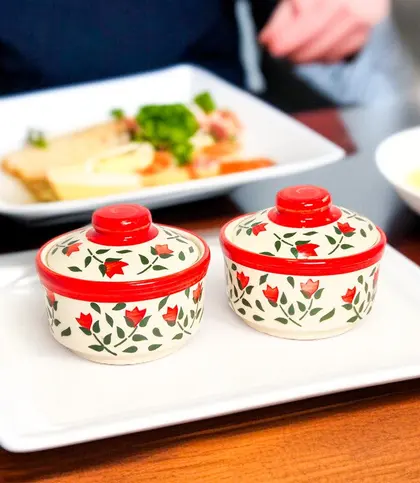
₹386
₹1,999
81%OFF
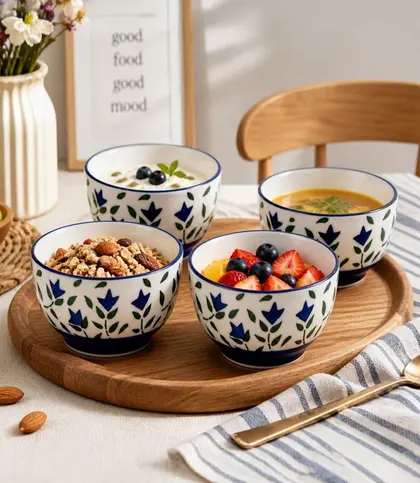
₹386
₹999
61%OFF
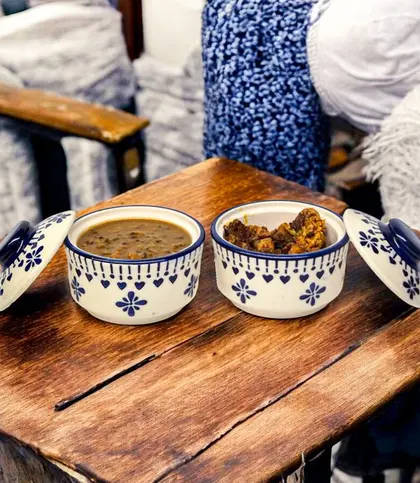
₹386
₹1,899
80%OFF

₹816
₹1,599
49%OFF
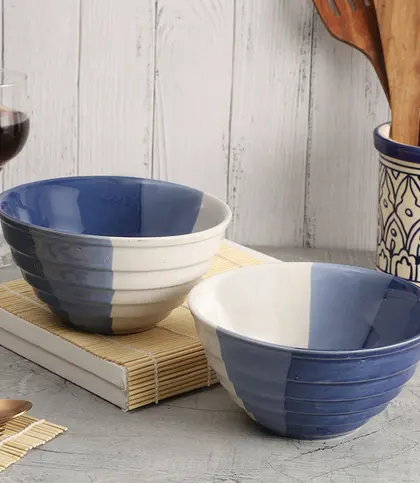
₹1,700
₹1,999
15%OFF
₹899
₹1,599
44%OFF
₹290
₹1,895
85%OFF

₹437
₹995
56%OFF
₹730
₹1,599
54%OFF
₹145
₹1,895
92%OFF

₹214
₹1,499
86%OFF
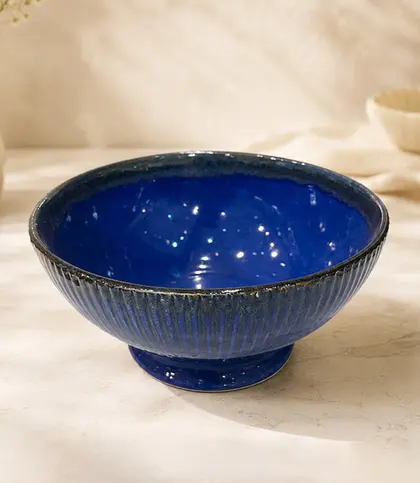
₹1,249
₹1,499
17%OFF
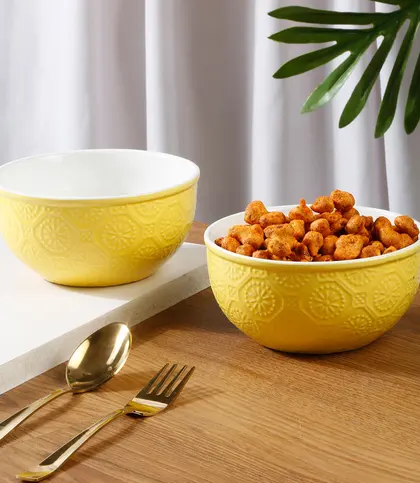
₹699
₹1,999
65%OFF
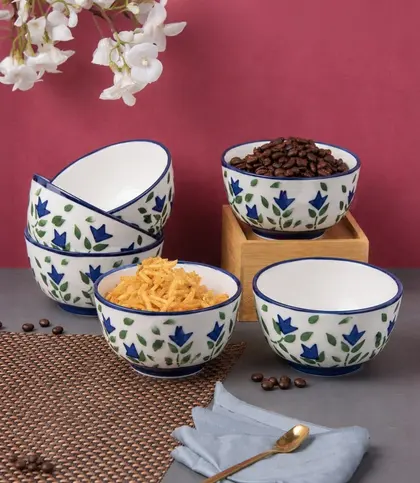
₹515
₹1,599
68%OFF
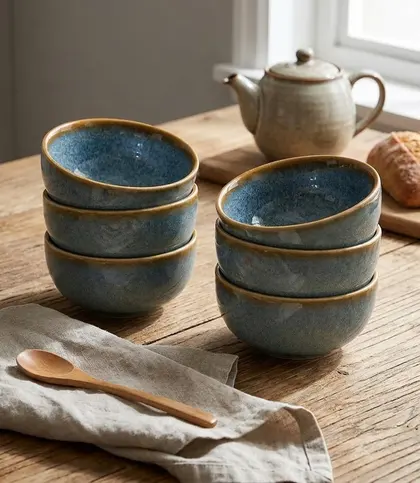
₹873
₹1,895
54%OFF

₹386
₹999
61%OFF
A good ceramic bowl earns its place at breakfast, beside a weeknight dinner and when friends come over. The right choice depends less on a label such as ‘large’ or ‘small’ and more on what you plan to put in it. A shallow bowl that presents a salad beautifully may not be the one you reach for when serving dal. A little planning around capacity, depth and set contents can make shopping for ceramic bowls much simpler.
Vaaree brings a curated, premium and pretty approach to home products. Explore ceramic bowls for individual portions and shared dishes, then use each product’s measurements and details to decide what suits your table. If you are comparing materials as well as shapes, you can also browse glass bowls.
Start with the food and the portion, then compare the measurements shown on the individual product page. Capacity tells you how much a bowl holds; diameter tells you how much room it takes up and how widely food can be spread. Neither measurement tells the whole story on its own. Two bowls with similar diameters can hold different amounts if one is deeper or has a narrower base.
If you already own a bowl whose size works well, measure its diameter and depth and compare them with a prospective purchase. You can also check how much it holds using a measuring jug. That gives you a more useful reference than a broad size name, particularly when choosing a set for a familiar dining routine.
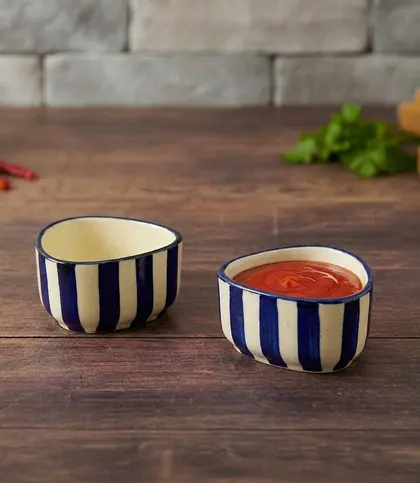
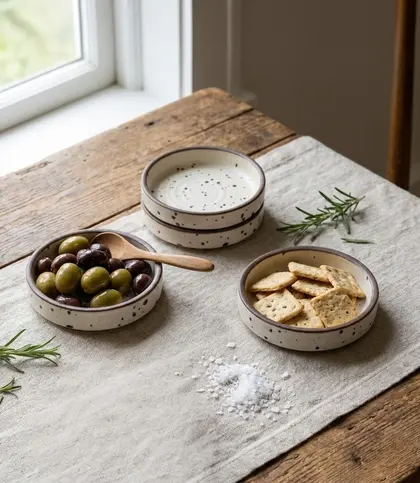
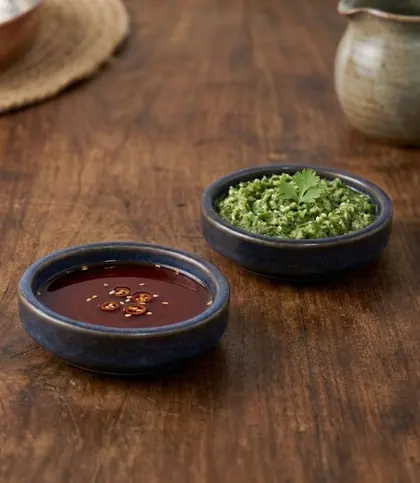
Ceramic bowls can serve different purposes, but the formats are not interchangeable. Snack bowls are handy for nibbles or smaller portions. Dip bowls suit condiments served alongside a meal. A serving bowl is intended for food that people help themselves to, so think about both the quantity of food and the space needed for a serving spoon. Salad bowls benefit from an opening that lets you lift and mix ingredients without crowding them.
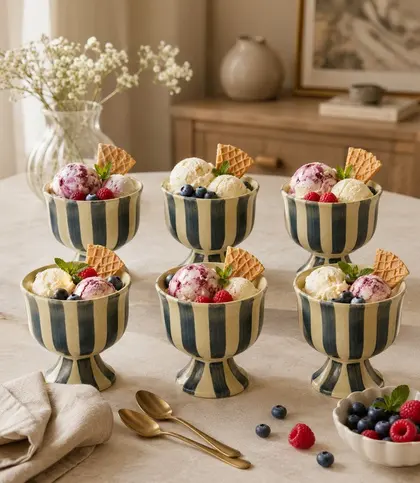
For a bowl of soup or a meal with plenty of broth, consider how its depth and rim will feel in use. For dessert, a smaller bowl or ice-cream cup may present a portion more neatly than a dinner bowl. Bowl and cup descriptions can sound similar, so inspect the product’s shape, measurements and stated function before assuming one will do the job of the other.
Think, too, about how the pieces will live in your kitchen. A bowl used every morning should be comfortable to take out, wash and put away. If cupboard space is limited, compare the dimensions of several bowls together rather than looking only at the footprint of one. Do not assume differently shaped pieces will nest neatly; check the product photographs and dimensions when storage matters.
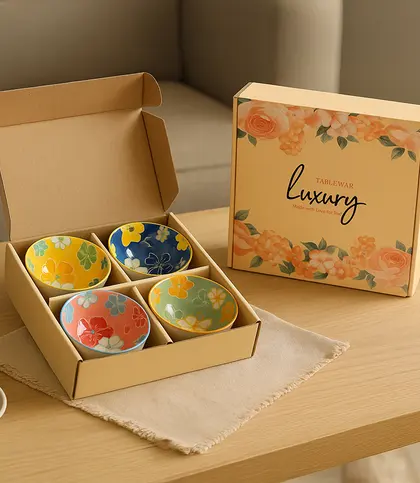
A single ceramic bowl can fill a gap in your existing tableware or give you a dedicated piece for a dish you make often. A set may be more useful when you want matching portions for several people or a coordinated gift. Before choosing between them, read the individual listing for the number of pieces, the size of each component and exactly what the set contains. A stated piece count does not necessarily mean every piece is a bowl.
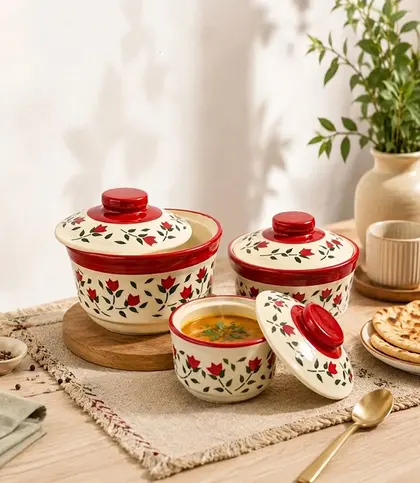
Check the materials component by component, too. A bowl may be ceramic while an accompanying accessory is made from another material. If a listing includes a lid, tray, spoon or stand, verify what is supplied and follow any separate instructions for that part. This is especially important if you want a set for a particular use, such as serving food at the table rather than storing it.
Ceramic describes a material, not a universal care instruction. Do not infer microwave, oven or dishwasher suitability from the word ‘ceramic’. Check the appliance and cleaning guidance for the exact product before use, including any instructions for accessories in a set. If the details do not confirm an appliance use you need, do not assume it is suitable.
For everyday care, follow the listed washing instructions and handle bowls thoughtfully around hard surfaces. A soft sponge can help you clean without unnecessary abrasion; dry pieces before putting them away. When stacking, a soft separator can reduce contact between surfaces, provided the bowls are stable together. Avoid abrupt changes between very hot and cold conditions unless the product guidance says otherwise. No bowl should be assumed chip-resistant simply because it is ceramic.
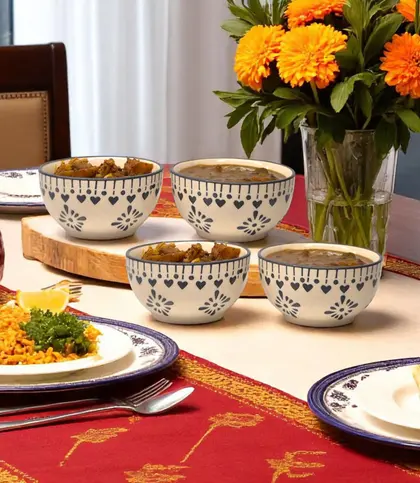
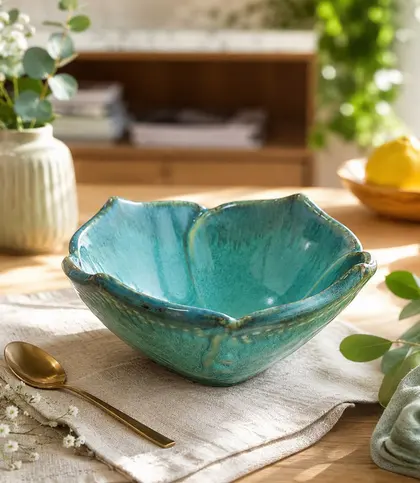
Once the practical questions are settled, choose a look you will enjoy using. White and other quiet shades can sit comfortably with tableware you already own; blue, green or multicoloured pieces can bring contrast to a simple setting. A minimalist shape feels at home in an everyday arrangement, while a more expressive finish can make a shared dish a focal point. You need not match every piece exactly: a coordinated colour palette can make individual bowls and serving pieces feel considered together.
Compare both, along with depth. Capacity helps you judge portion size, while diameter affects presentation and the space a bowl occupies on the table. Depth is particularly useful to check for liquids and meals with toppings.
Confirm the piece count, what each piece is, the measurements of the bowls and the material of every component. Read the care instructions for the set and any accessories separately.
There is no collection-wide answer. Suitability depends on the individual product and, where relevant, each component of its set. Use the specific product’s appliance and care instructions.
Vaaree is a destination for curated, premium, pretty home products. Explore bowls with both everyday function and dining-table appeal in mind, then compare the individual details to find the right fit for your meals.