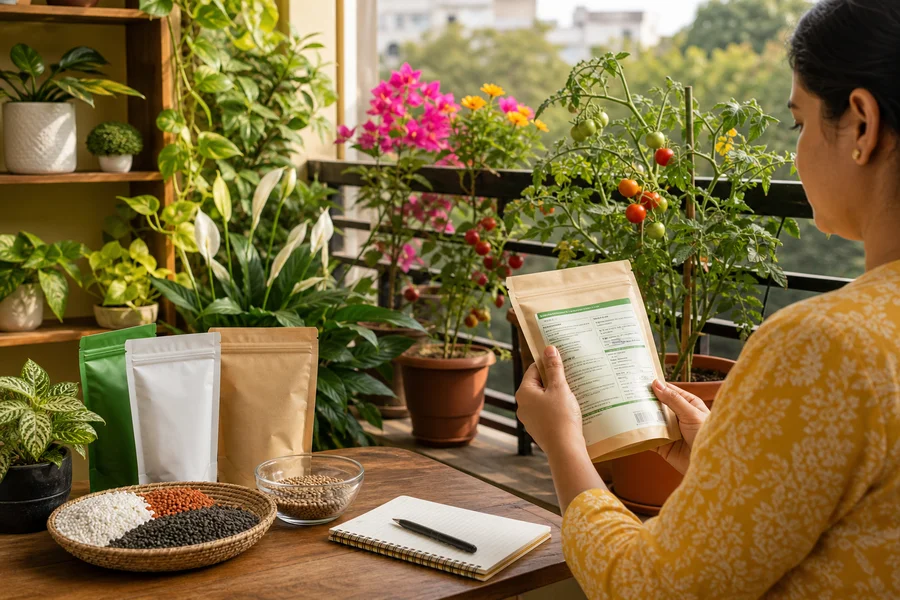
Quick Answer
Use fertilizer only after checking watering, light, drainage, pests and root health. If an established plant is actively growing and needs nutritional support, choose a label-suitable product for its goal and growing space, then apply it exactly as directed.
Definitions
Fertilizer
A product that supplies one or more plant nutrients. Its suitability depends on the plant, growth stage, growing medium and label directions.
N-P-K
The three-number nutrient declaration on many fertilizer labels: nitrogen (N), phosphate-related phosphorus (P) and potash-related potassium (K). The numbers describe the product’s nutrient analysis, not a universal recommendation.
Formulation
The physical or product type in which fertilizer is supplied, such as liquid, granular, pellet, specialty nutrient or biofertilizer.
Active growth
A period when a plant is producing new leaves, stems, buds, flowers or fruit under suitable light, temperature, water and root conditions.
Overfertilization
Excess nutrient or salt accumulation caused by too much product, overly frequent application or poor drainage, potentially leading to root and leaf damage.
Use of Fertilizers: The First Decision Is Whether to Feed
Fertilizer supports plant nutrition, but it cannot correct unsuitable watering, weak light, poor drainage, pests or damaged roots. A pale leaf, slow growth or fewer flowers may point to a nutrient issue, but each can also result from ordinary care or environmental problems.
Feed only when the plant is established, visibly active and reasonably healthy, there is a plausible nutritional need, and you have a product labelled for that plant or purpose. Treat fertilizer as a targeted input rather than a default response to every unhealthy-looking plant.
- Plant condition: Is it healthy enough to take up nutrients, rather than wilted, waterlogged or pest-affected?
- Growing stage: Is it producing new growth, buds, flowers or fruit?
- Growing space: Is it in a small pot, a balcony container, a terrace planter or a garden bed?
- Season and exposure: Are heat, heavy rain, wind or low light currently stressing it?
- Label suitability: Does the product list an appropriate plant type, method and use case?
Check These Five Causes Before Reaching for Fertilizer
Start with moisture. Soil that stays dry for too long and soil that remains saturated can both cause yellowing, drooping and stalled growth. Check the medium below the surface instead of judging only by its top layer.
Then assess whether the plant is receiving the light it needs. A move from a bright window to a dim indoor corner, or from a sheltered balcony to harsh afternoon sun, can change growth quickly. Inspect drainage holes, look for compacted medium or standing water, and check leaves and stems for pests, sticky residue, spotting or distorted new growth.
If a plant keeps wilting despite apparently suitable watering, root trouble may be involved. Inspect roots during repotting or when there is a persistent concern, but do not disturb healthy roots simply to investigate. Withhold fertilizer while a plant is acutely stressed, waterlogged, pest-damaged or root-damaged; address the primary problem first.
- Watering: Check both underwatering and prolonged wetness.
- Light: Compare current light with the species’ needs and any recent placement change.
- Drainage: Look for blocked holes, dense medium and water collecting in saucers.
- Pests and disease: Check leaf undersides, stems and fresh growth.
- Roots: Consider root health when symptoms persist or during a necessary repotting.
What Nitrogen, Phosphorus and Potassium Do
The N-P-K figures on a fertilizer label describe its nutrient analysis. Nitrogen generally supports leafy and stem growth. Too much, however, can lead to soft, overly leafy growth that is not well balanced with a plant’s reproductive stage.
Phosphorus is involved in energy transfer and reproductive development, while potassium supports water regulation and many processes linked with overall plant resilience. Neither is a shortcut around poor light, irregular watering or unhealthy roots.
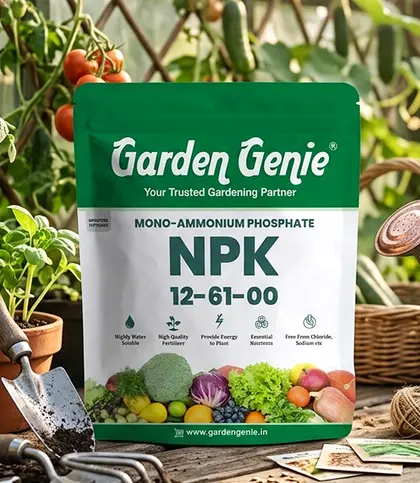
Interpret these numbers alongside the plant’s species, stage, medium and goal. MAP NPK 12 61 00 is an example of a high-phosphorus analysis, but it is not an automatic solution for every flowering or fruiting plant. Supplementary nutrients such as magnesium should be used only for a demonstrated need or a label-supported purpose, rather than as a replacement for a complete fertilizer.
- Nitrogen: commonly associated with vegetative, leafy growth.
- Phosphorus: involved in energy transfer and reproductive development.
- Potassium: supports water regulation and wider plant processes.
- Specialty nutrients: useful only when the plant and label indicate a suitable reason.
₹279
₹380
27%OFF
Match the Fertilizer to Foliage, Flowers, Fruit or Maintenance
For foliage plants, choose a formulation whose label supports vegetative growth, but do not assume that the highest nitrogen number is always the best choice. Light, root space and watering still determine how well a leafy plant can use nutrients.
For flowering plants, consider whether the plant is actually in an active budding or flowering phase and select a formulation labelled for that purpose. Phosphorus alone does not guarantee blooms. Fruiting plants also need a full nutrient profile, along with appropriate light, pollination conditions where relevant, water and root room.
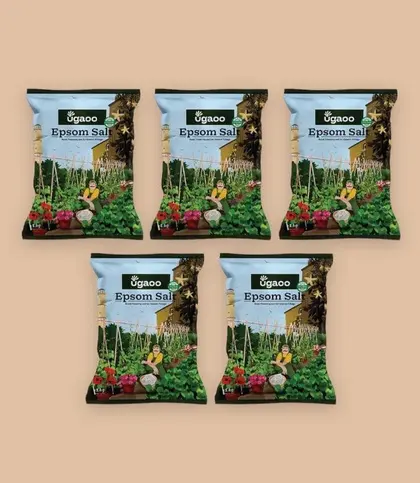
When there is no confirmed deficiency or specific growth goal, a product labelled for general maintenance and the plant type is usually a clearer starting point than a specialist supplement. Magnesium sulphate is a specialty nutrient product, not a routine substitute for a complete feeding plan.
- Foliage: Choose a label that supports vegetative growth and matches the plant type.
- Flowers: Match the product to an active flowering stage; do not rely on one nutrient alone.
- Fruit: Consider a formulation labelled for fruiting or reproductive growth and the whole care environment.
- Maintenance: Use a routine product only where its label suits the plant and growing conditions.
- Specialty inputs: Use them for a specific, label-supported need.
From ₹215
₹299
56%OFF
Choose an Application Method for Pots, Balconies, Terraces and Beds
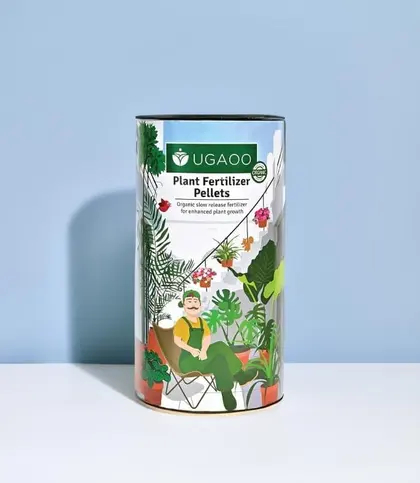
Liquid products can distribute nutrients evenly when measured, diluted and used at the frequency stated on their labels. Granules or pellets can suit routine container care or larger planting areas, but they still need correct placement, adequate moisture and label compliance. A pellet formulation does not remove the need to monitor the plant and its medium.
Small indoor pots have limited root volume, so conservative, label-led application and good drainage matter. Avoid allowing a product to contact stems or foliage if the label warns against it. On balconies and terraces, reflected heat, wind and runoff can change conditions quickly; containers may dry faster than garden soil.
In garden beds, account for the size of the planted area, existing fertility, rain and the possibility of nutrients moving beyond the root zone. Choose a pack size based on the number and scale of plants you actually care for, not as a reason to apply more product.
- Liquid: Requires careful measuring, dilution and label-directed frequency.
- Granules or pellets: Need correct placement, moisture and attention to label guidance.
- Indoor pots: Have restricted root zones and benefit from cautious use.
- Balconies and terraces: Need extra attention to heat, wind, drainage and runoff.
- Garden beds: Require consideration of soil area, rainfall and nutrient movement.
 FastDelivery
₹259
₹345
25%OFF
When to Avoid Fertilizing
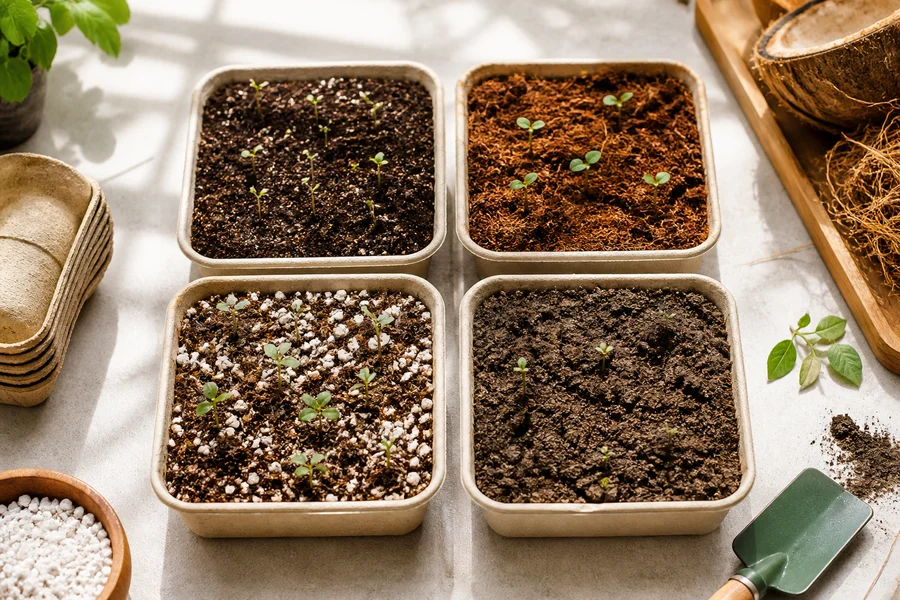
Do not feed very young seedlings unless the product label specifically says it is suitable for that stage. Pause routine feeding when a plant is dormant or seasonally inactive unless species-specific guidance or the label indicates otherwise.
Also wait if a plant is wilted, waterlogged, recently repotted, pest-damaged, root-damaged or severely heat-stressed. Fertilizer can add stress when roots are not functioning well. Avoid application to a dry, hot root zone where the label or plant-care guidance indicates a watering or temperature risk.
Do not combine fertilizers, nutrient supplements or biological inputs simply because each sounds beneficial. Use products together only when their labels explicitly permit the combination.
- Very young seedlings without label approval.
- Dormant or seasonally inactive plants.
- Wilted, waterlogged or severely heat-stressed plants.
- Plants recovering from repotting, pest damage or root damage.
- Dry, hot root zones where application may increase stress.
- Any situation where two product labels do not permit combination.
Adjust Feeding for Indian Heat, Monsoon and Growing Seasons
During extreme heat, prioritize suitable root-zone moisture, shade or ventilation according to the plant’s needs. Heat stress can resemble deficiency, so do not respond to scorched edges or drooping by feeding automatically.
During heavy monsoon rain, check drainage and runoff before applying fertilizer. Waterlogged roots may struggle to take up nutrients, while rain can dilute or move nutrients through containers and beds. Balcony and terrace plants may receive uneven rain, with some pots sheltered and others fully exposed.
Use visible active growth and local conditions rather than a fixed India-wide calendar. Feed more cautiously when conditions support root function, and reduce or stop when the plant is stressed or seasonally inactive.
- Heat: Focus first on moisture management and suitable shelter or ventilation.
- Monsoon: Check drainage, standing water and nutrient runoff.
- Containers: Remember that pots can heat, dry and become saturated faster than beds.
- Growth stage: Let active growth and plant condition guide decisions alongside the label.
How to Read a Fertilizer Label
Before using any fertilizer, find the N-P-K analysis and identify whether the product is intended for foliage, flowering, fruiting, general maintenance or a specialty nutrient purpose. Then check whether it is meant for soil application, foliar use or both; methods are not interchangeable.
Read the instructions for suitable plants, application method, quantity or dilution, frequency, warnings, storage and any different directions for pots, beds, seedlings or established plants. Use the directions for that exact formulation. A dose or schedule from another product should never be transferred by assumption.
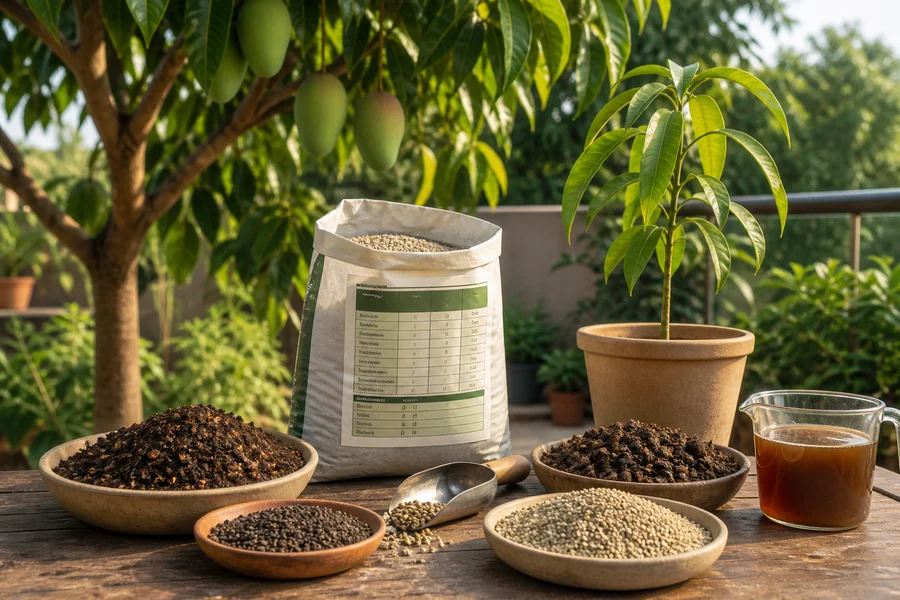
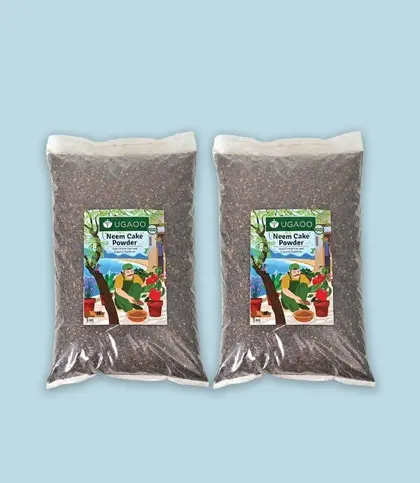
Organic and biological products should be read with the same care as other formulations. Neem cake, for example, should be used only according to its own label and suitability guidance; its pack size should match your planting scale and storage capacity.
- N-P-K analysis and intended plant goal.
- Suitable plants and growth stages.
- Soil, foliar or other approved application method.
- Product-specific quantity, dilution and frequency instructions.
- Warnings, storage, batch or expiry details where provided.
- Separate instructions for pots, beds, seedlings or established plants.
From ₹230
₹345
22%OFF
Signs of Overfertilization and What to Do Next
Possible signs of overfertilization include crispy or brown leaf margins, sudden wilting despite moist soil, a white crust on the medium or pot rim, stalled growth and damaged roots. These symptoms can overlap with drought, heat, poor drainage and disease, so inspect the full care context before deciding fertilizer is the cause.
Stop further feeding if salt injury or overapplication is possible. Keep the plant away from additional fertilizer sources, assess drainage and root-zone moisture, and follow the specific product’s corrective guidance. Do not add a second fertilizer or supplement in an attempt to balance the first.
If the damage is severe, repeated or difficult to identify, seek horticultural advice specific to the plant species and its growing conditions.
- Brown or crispy leaf edges.
- Wilting even though the medium is moist.
- White salt-like crusts on soil or pot rims.
- Stalled growth or evidence of root damage.
- Worsening symptoms after a recent application.
A Simple Fertilizer Selection Checklist
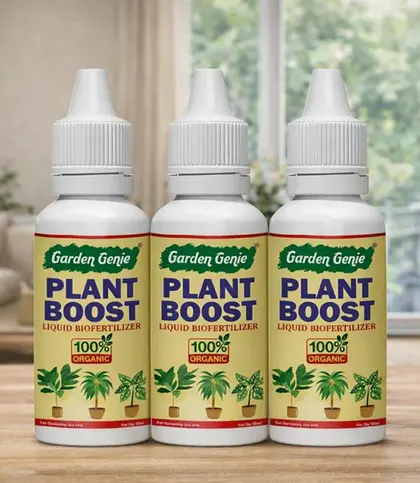
The most useful fertilizer is not necessarily the strongest-looking one. It is the product whose label fits a healthy, actively growing plant, its current goal and its growing space. Biofertilizers are one possible formulation category, but should still be chosen and used according to their specific directions rather than treated as universally suitable.
Make the decision slowly enough to rule out basic care errors first. Buy only the quantity you can use responsibly and store as directed.
- Plant goal: foliage, flowering, fruiting or routine maintenance.
- Plant condition: established and actively growing, not acutely stressed.
- Space: indoor garden, balcony, terrace, pot or garden bed.
- Formulation: liquid, granular, pellet, specialty nutrient or biofertilizer as appropriate.
- Label: N-P-K, directions, method, frequency, warnings and plant suitability.
- Season: current heat, monsoon exposure, drainage and visible growth.
- Pack size: enough for your planting scale without unnecessary excess.
₹320
₹657
51%OFF
Final Verdict
- Fertilizer is appropriate only after watering, light, drainage, pests and root health have been checked.
- Feed an established plant when it is actively growing and a label-suitable product matches its goal and growing space.
- Use the exact label directions, adapt decisions to local heat and rain, and stop feeding when stress or possible salt injury appears.
- Fertilizer is targeted nutritional support, not a universal remedy for every plant problem.
FAQs
What do nitrogen, phosphorus and potassium do for plants?
Nitrogen generally supports leafy and stem growth. Phosphorus is involved in energy transfer and reproductive development, while potassium supports water regulation and other plant processes. Their ideal balance varies by plant, stage and growing conditions, so read the full label rather than relying on one number.
How do I know if my plant needs fertilizer?
First check watering, light, drainage, pests and root health. If the plant is established, actively growing and otherwise healthy, yet its care conditions and label guidance suggest nutritional support is needed, fertilizer may be appropriate. Leaf colour alone is not enough to diagnose deficiency.
Which fertilizer is best for flowering plants?
Choose a product labelled for the flowering plant and its current stage, while ensuring light, watering and root conditions are also suitable. A high-phosphorus product is not automatically best for every flowering plant and does not guarantee blooms.
How should I use fertilizer for potted plants?
Use a formulation labelled for container plants or the specific plant type, and follow its stated method, quantity, dilution and frequency. Ensure the pot drains well, avoid feeding stressed plants, and do not transfer instructions from a different product.
Should I fertilize plants during the Indian monsoon?
Only if the plant is actively growing, draining well and the product label supports application. During heavy rain, check for waterlogging and runoff first, since saturated roots may be stressed and nutrients may be diluted or moved from the root zone.
When should I avoid using fertilizer?
Avoid feeding most very young seedlings, dormant plants, and plants that are wilted, waterlogged, pest-affected, root-damaged, recently repotted or severely heat-stressed. Wait until the underlying issue is addressed, unless a product label specifically directs otherwise.
What should I check on a fertilizer label?
Check the N-P-K analysis, intended purpose, suitable plants, approved application method, product-specific quantity or dilution, frequency, warnings, storage instructions and any separate guidance for pots, beds, seedlings or established plants.
What are the signs of overfertilization?
Possible signs include brown or crispy leaf margins, wilting despite moist soil, white crusts on the medium or pot, stalled growth and root damage. Stop feeding, review drainage and moisture, and follow the product’s corrective guidance rather than adding another supplement.
Keep exploring