


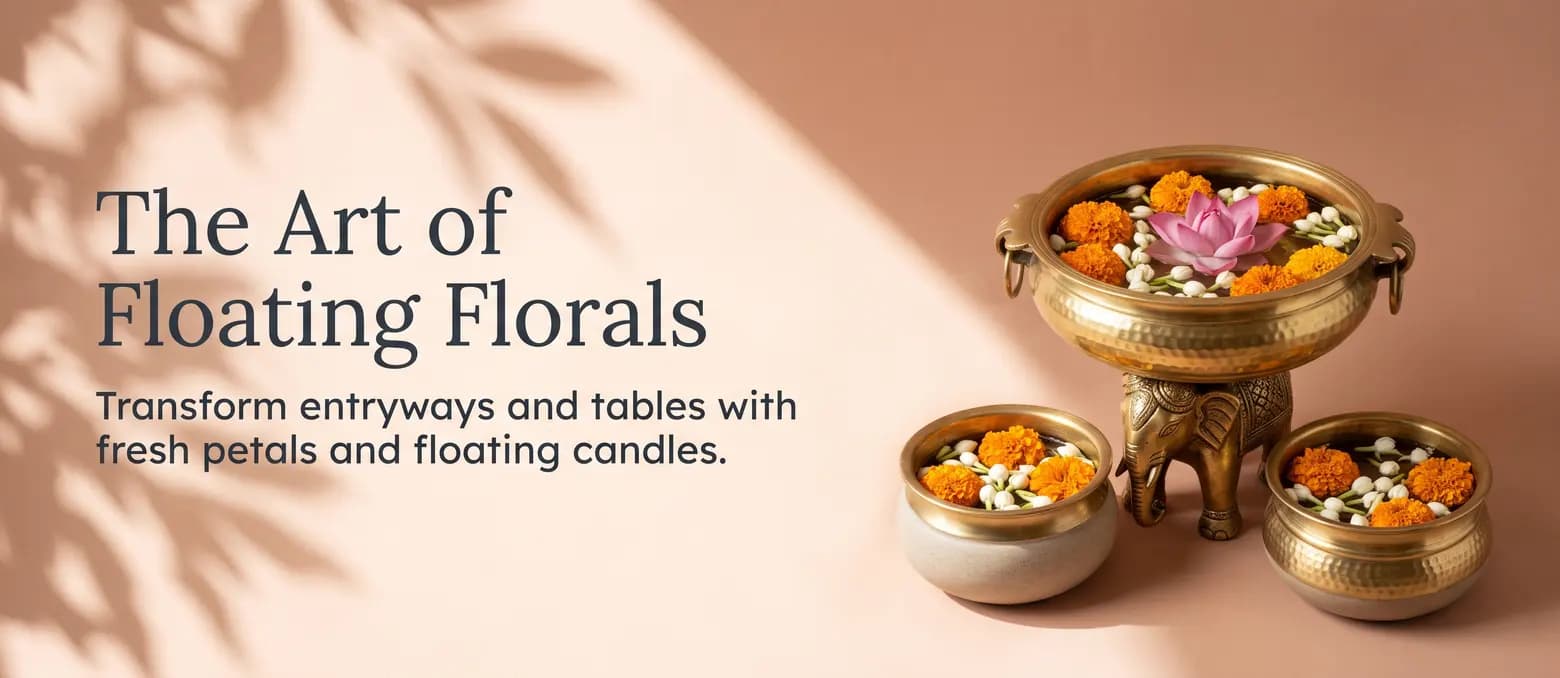
The word ‘urli’ is derived from ‘urulai’, meaning ‘round bowl’. Traditionally used for cooking or preparing Ayurvedic medicines, an urli is a round, shallow bowl with a wide mouth. Today, it is also a meaningful decorative accent in many South Indian homes.
In Vastu traditions, urlis are associated with welcoming positive energy, good fortune and auspiciousness. They are often filled with water, flowers and floating tea lights for festivals and special occasions.
Urlis are available in a variety of materials and styles, including brass, aluminium, iron and terracotta. When choosing one for display, check the product page for its dimensions, care guidance and intended use.
Why Urlis Play Such a Significant Role in Home Decor
Urlis remain a familiar tradition in many households because they can bring together decorative beauty, ritual and celebration.
- Their open, circular form creates an inviting focal point in an entrance, pooja room or living area.
- Water, flowers and lights can make a simple arrangement feel festive for occasions such as Diwali, Navratri, Varamahalakshmi and Vishwakarma Puja.
- Engraved motifs, decorative details and varied shapes allow an urli to complement traditional or contemporary interiors.
- In Vastu traditions, a water-filled urli is regarded as an auspicious addition associated with balance and harmony at home.
- An urli can also be styled as a fruit bowl on a dining table when its intended use permits.
- Keeping this decorative tradition in use can be a thoughtful way to share cultural customs across generations.
For a festive arrangement, add rose petals, lotus, marigolds, jasmine or other flowers to fresh water. Floating tealights can add a warm evening accent; use only candles suited to this purpose and follow their safety instructions.
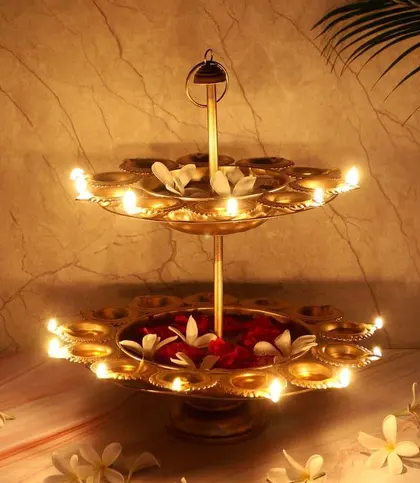
₹1,742
₹2,499
30%OFF
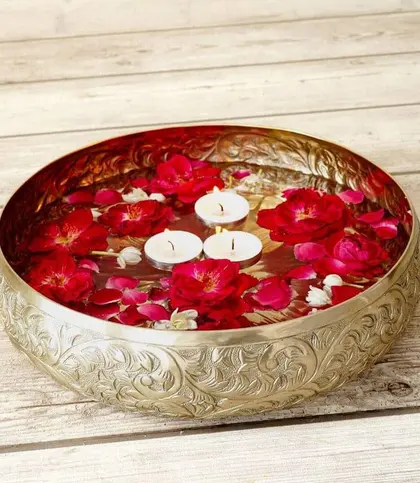
₹1,704
₹3,999
57%OFF
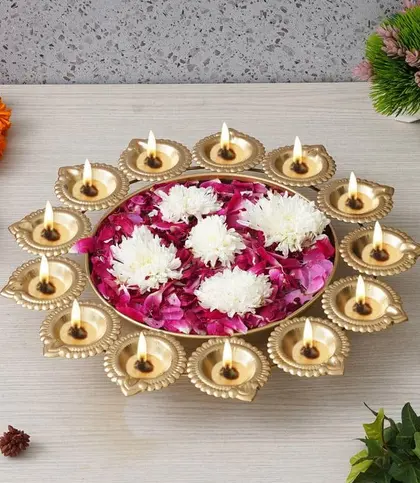 FastDelivery
₹649
₹1,599
59%OFF
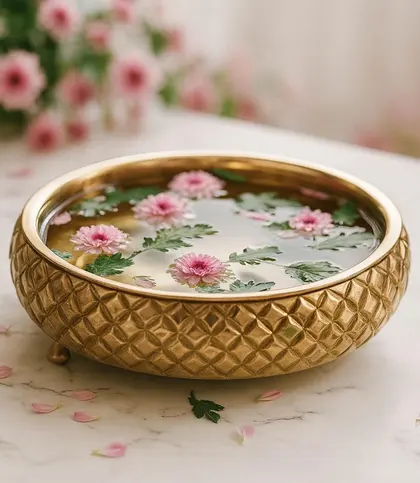
Sold Out
₹3,607
₹5,799
38%OFF
How to Embellish Your Personal Sanctuary With Urlis
- Clean and dry the urli according to its care instructions.
- Place it on a stable, level surface where it will not obstruct movement.
- Fill it with fresh water if the design is intended for water-based arrangements.
- Add fresh flower petals, blossoms with stems, or green leaves. Red, yellow, orange and pink flowers can create a vibrant display, while subtler hues offer a calmer look.
- Add floating tealights only if they are appropriate for the arrangement. Never leave lit candles unattended.
- Refresh the water regularly and remove wilted flowers to keep the arrangement looking its best.
If you would like fragrance, choose flowers you enjoy rather than adding oils to the water; oils may affect the surface or cleaning needs of some materials.
Is There Any Specific Place to Keep Urlis for Best Results?
Vastu guidance on urli placement differs by household and tradition. The following are commonly observed placement customs rather than guaranteed outcomes:
- Pooja room: An urli may be placed in front of deities as part of a devotional arrangement.
- Entrance: Some households place an urli on the right side of the entrance as a welcoming accent.
- Foyer or living room: A foyer, the centre of a living room or a southeast corner are often chosen for a decorative water-and-flower arrangement.
- Balcony or bedroom: An urli can also be used as a visual accent where it is protected from knocks and spills.
- Directional customs: Some Vastu traditions associate yellow flowers with the southwest and blue flowers with the north or northeast. Others place an urli in the northeast as part of a Vastu-focused home arrangement.
Choose a location that is practical for refreshing the water and safely managing flowers or candles. A simple arrangement that suits your space and customs is often the most effective one.
Related Reading
Keep exploring