Quick Answer
Cheese plant commonly refers to Monstera deliciosa. It suits an Indian home with bright, indirect light, a draining pot, enough room to grow upward and a caregiver who checks soil before watering. Let the upper potting mix partly dry, then water thoroughly and discard drained water. Adjust care for summer heat, monsoon humidity and lower winter light instead of following a fixed schedule.
Definitions
Cheese plant
A common name usually used for Monstera deliciosa, a tropical climbing plant known for large leaves that may develop splits and internal holes as they mature.
Bright, indirect light
Strong ambient daylight filtered through a sheer curtain or reflected into the room, rather than intense direct midday or afternoon sun falling on the leaves.
Aerial roots
Roots that grow from Monstera stems above the soil and help the plant attach to a support; they may be guided towards a moss pole but should not be forcibly buried or cut without a reason.
Moss pole
A vertical climbing support that gives a Monstera a surface to attach to and can help it grow more upright when secured correctly.
Leaf fenestration
The splits or holes that can develop on mature Monstera leaves; their appearance varies with plant age, light, genetics and growing conditions.
Start with light, drainage and growing room
A cheese plant is commonly Monstera deliciosa, a tropical climber that can become a substantial indoor plant over time. Its essential needs are bright filtered daylight, soil that partly dries between waterings, reliable drainage, warm stable conditions and room to climb.
Indian homes do not dry out at the same speed. A sunny Bengaluru flat, a humid Mumbai monsoon room and a cooler winter bedroom in Delhi can create very different watering needs. Read the soil, light and seasonal conditions instead of watering by the calendar.
It is a practical home plant when you can offer a bright position, safe floor or vertical space and occasional observation as it grows. Reconsider the setup if the only available spot is persistently dim, exposed to fierce afternoon heat, waterlogged in monsoon or easy for children and pets to reach.
- Bright, indirect light is more useful than a dark corner or harsh sun.
- Water after the upper potting mix has partly dried, then let excess drain away.
- Use a stable pot with a drainage hole and an airy growing medium.
- Plan for future height, spread and climbing support.
Will a cheese plant suit your Indian home?
Assess the location rather than only the plant’s current size. A young Monstera can sit neatly on a stand, but a healthy plant may eventually need more floor space, a heavier pot and vertical support.
A living room near a filtered window is often practical because there is room for growth. Bedrooms and home offices can work if they receive enough daylight and the plant does not obstruct movement. A balcony may suit the plant only when it is sheltered from harsh sun, strong wind and prolonged heavy rain.
Air-conditioner drafts, hot glass, cramped corners with poor ventilation and permanently damp areas make care harder. Monstera tissue can irritate the mouth if chewed, so placement matters in homes with young children or pets. For a mature plant, choose a floor position that remains stable and leaves clear walking space.
- A bright window area with filtered daylight is available.
- You can reach the pot easily to inspect soil and empty drained water.
- There is room for a wider pot and an upright support later.
- The plant can be kept away from chewing, knocking and busy walkways.
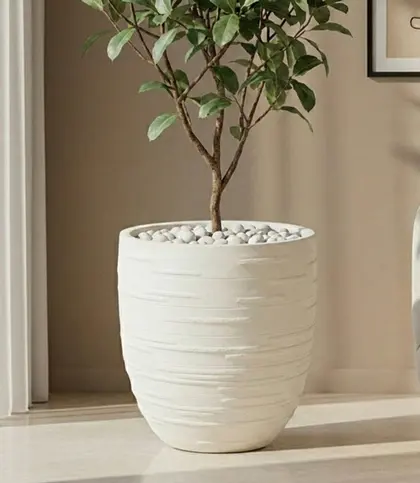
From ₹1,831
₹2,999
41%OFF
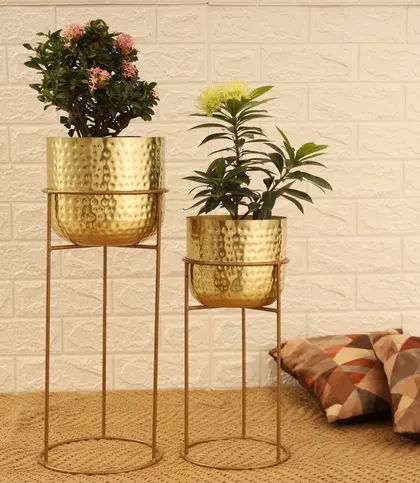
₹1,899
₹2,999
37%OFF
Indoor Pots & Planters
₹1,899
₹2,999
37%OFF

From ₹1,567
₹3,199
50%OFF
From ₹1,831
₹2,999
41%OFF

From ₹807
₹1,999
60%OFF
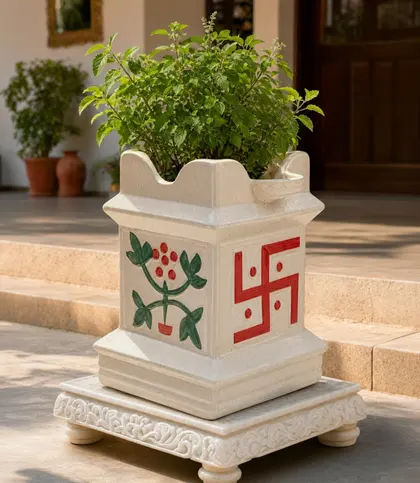 FastDelivery
₹875
₹1,999
56%OFF

₹1,572
₹3,999
61%OFF
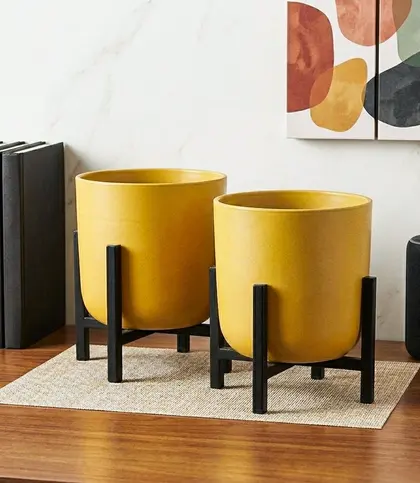 FastDelivery
₹1,044
₹5,000
79%OFF
 FastDelivery
₹389
₹899
57%OFF
Choose bright, indirect light and a safe position
Aim for strong, filtered daylight. An east-facing window is often a useful starting point, while a brighter exposure may need a sheer curtain or a little distance from the glass. The right position looks bright for much of the day without intense sun beating directly onto the leaves.
Hot afternoon sunlight through glass can leave scorched patches, while a dim corner can slow growth and reduce the chance of mature leaf features. If one side consistently faces the window, turn the pot occasionally so the plant grows more evenly. Avoid frequent moves between very different locations.
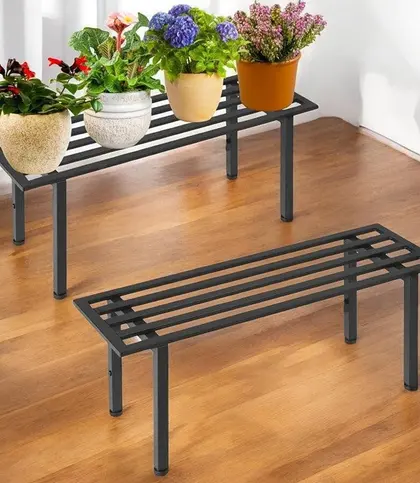
Keep foliage clear of hot windowpanes, strong air-conditioner airflow and blocked corners. A raised planter can improve light access when it is stable and does not make the plant vulnerable to tipping.
- Look for bright room light rather than a narrow shaft of direct afternoon sun.
- Use a sheer curtain where the leaves receive harsh sun.
- Keep some space between leaves and hot glass.
- Rotate only occasionally, not every few days.
FastDelivery₹1,044
₹5,000
79%OFF
Watering a cheese plant through Indian summer, monsoon and winter
Check the potting mix before every watering. Press a finger into the upper layer or use another dependable moisture check. Water when this upper portion has partly dried, not when the mix still feels wet and cool. Then water thoroughly until excess comes through the drainage hole and empty the saucer or outer planter.
In summer, heat, stronger light and faster evaporation may mean the pot needs checking more often. That does not mean it needs water automatically every few days: a shaded room, a large pot or a moisture-retentive mix may still dry slowly.
During the monsoon, cloud cover and humid air can keep soil wet for longer. Prioritise drainage and gentle airflow, and wait when the mix remains moist. In winter, lower light and cooler rooms often slow drying further. A drooping plant may be thirsty, but drooping in wet soil can also point to root stress, so check before adding more water.
- Water deeply, not in frequent small splashes.
- Let all surplus water escape from the pot.
- Check more often during hot, bright weather.
- Reduce watering frequency when monsoon or winter conditions slow drying.
Choose a draining pot and airy potting setup
Choose a pot with a genuine drainage hole and move up only modestly from the existing root ball. An oversized container can keep unused soil wet for too long, especially in humid weather. For a decorative outer pot without drainage, keep the plant in a removable nursery pot inside it.
Use an airy indoor potting medium that holds some moisture but drains freely. Suitable indoor media can be improved with aerating components, but there is no single mandatory recipe. The goal is to avoid a dense, compacted mix that excludes air around the roots.
Terracotta often dries faster than ceramic or plastic, although pot size, light and room conditions matter just as much. A ceramic planter can be suitable for a small or medium plant when it provides drainage. Use a saucer or waterproof surface to protect floors, but never let the base of the pot stand in collected water.
- Choose drainage over appearance alone.
- Match the pot size to the root ball, not the eventual mature plant.
- Refresh compacted or exhausted mix during repotting.
- Use a removable inner pot inside a decorative cachepot.
FastDelivery₹875
₹1,999
56%OFF
When should a Monstera get a moss pole or climbing support?
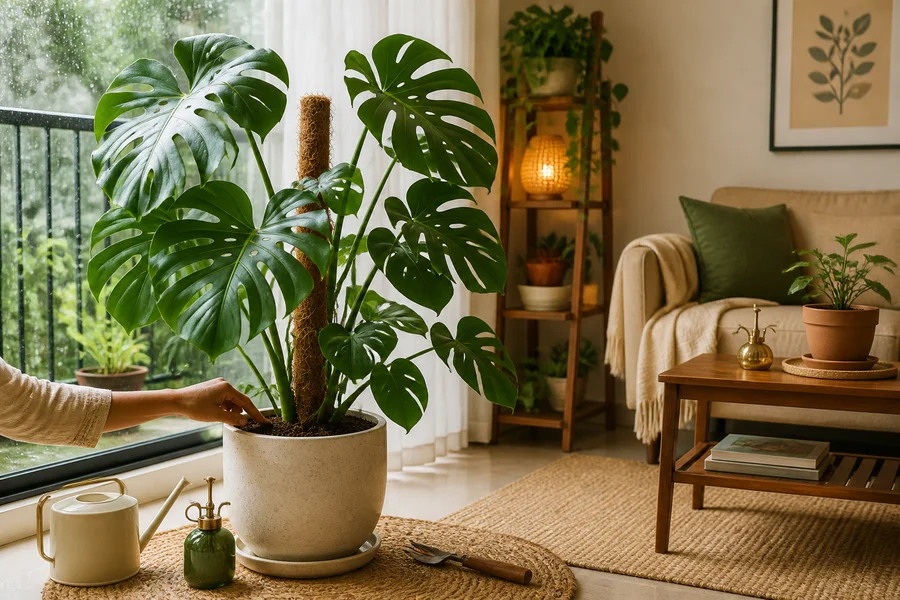
Add a moss pole or another stable support when the main stem starts leaning, the plant becomes sprawling, aerial roots appear or leaves are difficult to orient towards the light. Supporting growth early is usually easier than correcting a tangled, top-heavy plant later.
Set the support close to the main stem when repotting or while the potting mix can still hold it firmly. Guide stems with soft ties, leaving enough room for growth. Do not cinch ties around leaf stalks, which need freedom to move towards the light.
A moss pole gives the plant something to climb and can create a more upright display, but it does not guarantee larger leaves or fenestrations. A tall plant also needs a stable, adequately weighted base. In a small home, careful pruning or training is safer than forcing mature growth into a narrow corner.
- Support leaning stems before they become difficult to manage.
- Tie stems gently and avoid tying individual leaf stalks tightly.
- Keep the pot and support stable on an even surface.
- Choose a support suited to the plant’s present size and expected growth.
Planter Stand
 FastDelivery
₹900
₹3,999
77%OFF
 FastDelivery
₹5,220
₹12,199
57%OFF
 FastDelivery
₹2,849
₹8,199
65%OFF
 FastDelivery
₹2,415
₹5,999
60%OFF
 FastDelivery
₹5,220
₹12,199
57%OFF
 FastDelivery
₹1,424
₹3,999
64%OFF
 FastDelivery
₹1,608
₹4,599
65%OFF
 FastDelivery
₹2,497
₹5,199
52%OFF
Read yellow, brown, curled or drooping leaves
Leaf symptoms are clues, not certain diagnoses. If leaves are yellowing, check whether the soil stays wet, drainage is poor or the plant is receiving too little light. Also consider normal ageing of an older lower leaf and any recent change in placement, watering or temperature before altering several things at once.
Brown, crisp edges or patches can follow direct sun, dry conditions, missed watering, mineral or fertiliser residue, or physical damage. Look at the pattern: a localised patch near a window suggests a different issue from widespread dry margins across many leaves.
Curling can be linked to moisture stress, heat, drafts, direct sun or pests. Inspect both sides of leaves and stem joints for scale, mealybugs, thrips or spider mites. Isolate a plant with suspected pests and use a labelled treatment exactly as directed. Remove severely damaged leaves with clean tools, but do not cut healthy leaves simply because they have no splits.
- Yellow leaves: review wet soil, light, drainage and older-leaf ageing.
- Brown patches: check sun exposure, watering history and local damage.
- Curled leaves: inspect for heat, drafts, moisture stress and pests.
- Drooping in wet soil: investigate roots and drainage before watering again.
Feeding, pruning, repotting and propagation
Feed during active growth with a balanced houseplant fertiliser, following the product label. Do not try to stimulate a stressed, newly repotted or poorly lit plant with extra fertiliser; first correct its light, watering or root conditions.
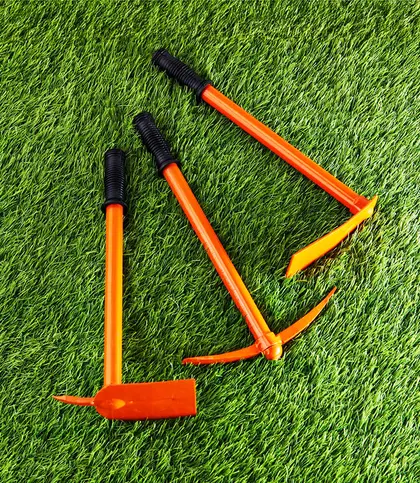
Prune yellow or badly damaged foliage with clean, sharp tools. Make deliberate cuts without injuring the main stem or nearby nodes. For repotting, use suitable garden tools to loosen compacted mix and handle soil carefully, then move to a slightly larger pot only when roots are densely circling, drainage has declined, the plant repeatedly dries unusually quickly or growth is clearly constrained. A transplanter is useful for moving soil when refreshing the potting mix or shifting a young plant into a larger container.
For propagation, take a healthy stem cutting that includes at least one viable node. A leaf without a node can remain decorative for a while but cannot grow into a new plant. Use clean tools and a clean water or propagation-medium method, then be patient with rooting. Dust leaves gently when needed, and avoid harsh products, unverified kitchen remedies or routine misting as a substitute for correct watering and airflow.
- Feed only as directed during active growth.
- Use clean tools for pruning, repotting and propagation.
- Repot gradually when roots or drainage indicate a need.
- Confirm that every propagation cutting includes a node.
₹1,140
₹1,200
5%OFF

₹230
₹249
8%OFF
Advanced Gardening Tools

₹419
₹999
58%OFF
₹230
₹249
8%OFF
 FastDelivery
₹219
₹249
12%OFF
From ₹230
₹345
22%OFF

From ₹209
₹395
47%OFF
 FastDelivery
₹997
₹1,299
23%OFF
 FastDelivery
₹997
₹1,299
23%OFF
From ₹215
₹299
56%OFF
Why leaves may not split, and where to place the plant safely
Young Monstera leaves are often solid. Splits and holes, known as fenestrations, are influenced by maturity, genetics, light, overall health and climbing growth. Even with good care, not every leaf will develop the same pattern, so do not stress the plant in an attempt to force splits.
Place the plant beyond the reach of children and pets because chewing Monstera tissue can cause irritation. If a child or pet has chewed or ingested plant material, seek appropriate medical or veterinary advice. Keep fallen leaves and pruned pieces out of reach too.
Secure heavy planters, tall poles and trailing stems. Keep stems out of walkways, and protect balcony plants from gusts and rain that could topple or saturate the pot.
- Expect fenestrations to vary from leaf to leaf.
- Do not use stress or harsh pruning to chase split leaves.
- Keep chewing risks and falling hazards in mind.
- Avoid locations where trailing stems create a trip hazard.
A practical cheese plant care checklist
Use this sequence for routine decisions: assess the available light, inspect the upper soil before watering, empty drained water and check that the pot remains stable as the plant grows. When a problem appears, change one likely cause at a time and monitor healthy new growth rather than trying several remedies at once.
A cheese plant is a practical choice when you can give it bright filtered light, a draining container and enough room to develop. If the available spot is dark, baking hot, rain-soaked, chronically damp or unsafe around children and pets, improve the conditions before bringing home a Monstera.
- Placement: bright filtered light, away from harsh sun, heat and drafts.
- Water: inspect the soil first; water thoroughly only after the upper mix partly dries.
- Pot: use drainage, an airy mix, a stable base and no standing water.
- Season: check more in summer; slow down in humid monsoon and lower-light winter conditions.
- Support: add a pole when leaning stems or aerial roots signal climbing growth.
- Troubleshooting: change one likely cause at a time and watch new growth.
- Safety: secure the plant, pot and support around children and pets.
Final Verdict
- A cheese plant can be an excellent fit for an Indian home when it has bright, indirect light, a pot that drains freely and enough space for eventual climbing growth.
- Base watering on partly dried upper soil rather than a weekly schedule, especially as summer heat, monsoon humidity and winter light change drying speed.
- Modify the setup or choose another plant if the only location is very dim, harshly hot, rain-exposed, permanently damp, unstable or accessible to children and pets.
FAQs
What does cheese plant mean, and is it the same as Monstera deliciosa?
Cheese plant commonly refers to Monstera deliciosa, named for the split and holed appearance that mature leaves may develop. The common name can be used loosely, so check the botanical label when buying if you specifically want Monstera deliciosa.
How much light does a cheese plant need indoors?
It does best in bright, indirect light. Place it near strong filtered daylight, such as by an east-facing window or behind a sheer curtain near a brighter window. Avoid a dark corner and harsh afternoon sun directly on the leaves.
How often should I water a cheese plant in India?
There is no reliable fixed interval. Check the upper potting mix and water thoroughly when it has partly dried. Light, heat, humidity, pot size, potting medium and drainage all affect how quickly the soil dries.
How should cheese plant care change during the monsoon?
During the monsoon, humidity and lower light can make potting mix dry more slowly. Check soil less by habit and more by touch, water only when needed, make sure the pot drains well and maintain reasonable airflow around the plant.
What pot and soil mix are best for a cheese plant?
Use a pot with a drainage hole that is only a little larger than the root ball. Choose an airy indoor potting medium that retains some moisture but does not stay dense and sodden. Do not leave the pot sitting in water collected in a saucer or cachepot.
When does a Monstera need a moss pole?
Add support when stems lean, the plant sprawls, aerial roots emerge or it becomes difficult to keep leaves facing the light. Secure stems loosely with soft ties. A moss pole supports climbing but cannot promise bigger or split leaves.
Why are my cheese plant leaves turning yellow or brown?
Yellowing can be linked to consistently wet soil, poor drainage, low light, natural ageing or recent stress. Brown patches or edges can relate to direct sun, dry conditions, underwatering, residue or physical damage. Check the plant's conditions before making multiple changes.
Why are my Monstera leaves not developing splits?
Solid leaves are common on young plants. Fenestrations depend on maturity, genetics, light, health and climbing habit, and they vary naturally. Improve overall care rather than trying to force splits through stress or excessive pruning.
Keep exploring