


Anthurium Plant Care: Light, Watering & Flowering Guide
Quick Answer
Keep a red indoor anthurium in bright, indirect light, water only after the upper layer of soil starts to dry, and use an airy potting mix in a pot that drains freely. Warm, stable conditions, moderate humidity, and light feeding during active growth can support healthy foliage and flowering.
Definitions
Bright, indirect light
Strong ambient light filtered through a sheer curtain or reflected from a bright room, without prolonged direct midday sun striking the leaves.
Well-draining potting mix
An airy growing medium that holds some moisture but allows excess water and oxygen to reach the roots, often using bark, perlite, or coco-based components.
Root rot
Root damage associated with persistently wet, poorly aerated conditions. Affected roots may become brown or black, soft, and unpleasant-smelling.
Humidity
The amount of moisture in the surrounding air. Anthuriums generally prefer moderate to higher indoor humidity, but stagnant air can encourage problems.
Anthurium Plant Care at a Glance
For common indoor red anthuriums, the most reliable care combination is bright indirect light, evenly moist—but never constantly wet—soil, a draining pot, warm temperatures, moderate humidity, and light feeding during active growth. Exact tolerance varies with the plant, its potting mix, and conditions in your home.
When something looks wrong, avoid changing everything at once. First check the light, then touch the soil, inspect drainage, and review recent changes such as a move, repotting, feeding, or a shift in temperature.
- Place it in bright, filtered light rather than harsh direct sun.
- Water according to soil dryness, not a fixed weekly calendar.
- Use a loose mix and a pot that allows excess water to escape.
- Keep it away from cold drafts, heater blasts, and air-conditioner outlets.
Light, Temperature, and Placement Requirements
Anthuriums grow best near a bright east- or north-facing window, or near a brighter window where sunlight is softened by a sheer curtain. Direct, intense afternoon sun can scorch leaves or fade foliage and flower-like spathes. In a dim room, growth can slow and flowering may become less frequent.
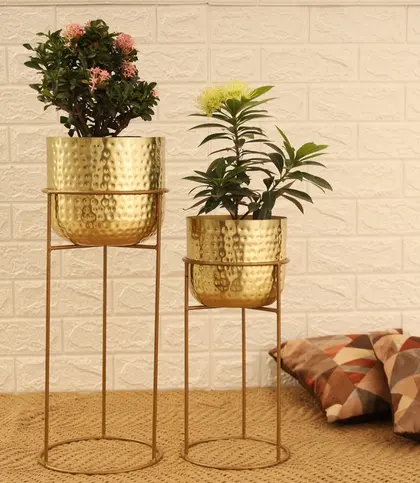
Choose a warm, stable spot away from cold glass, strong drafts, heating vents, and air-conditioning outlets. A stand can make the plant easier to view and help position it closer to suitable light, but elevation alone does not replace the right exposure.
- Pale, slow, or weak new growth can suggest insufficient light.
- Faded patches, crisp marks, or scorched leaves can indicate excessive direct sun.
- Move the plant gradually when changing its location, then watch how new growth responds.
₹1,899
₹2,999
37%OFF
Watering Frequency and Drainage Checks
Check the upper layer of soil with a finger before watering. When it has begun to dry, water slowly and thoroughly until excess runs from the drainage hole. Let the pot drain completely, then empty any water collected in a saucer or cover pot.
There is no universal watering interval. Light levels, room temperature, pot size, season, and the potting mix all affect how quickly soil dries. Do not water automatically because a certain number of days has passed, and do not rely on misting as a substitute for watering the root ball.
- If the mix remains wet for a long time, pause watering and assess drainage, light, pot size, and root condition.
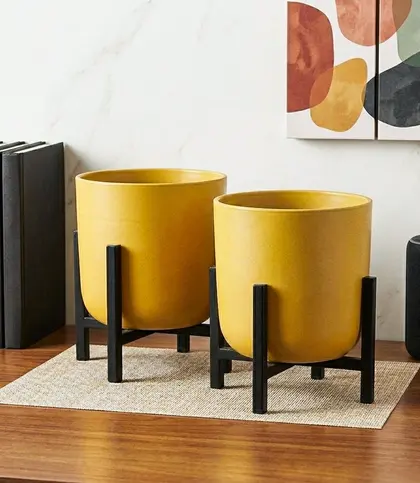
- A pot displayed in a planter-and-stand arrangement still needs an inner pot or setup that lets runoff escape.
- Drooping does not always mean thirst; inspect the soil before adding more water.
 FastDelivery
₹1,044
₹5,000
79%OFF
Soil, Potting, Humidity, and Feeding Basics
Use a loose, chunky, well-draining indoor potting mix rather than dense garden soil. The goal is to retain some moisture while allowing air around the roots and quick drainage of excess water. A pot should have a drainage hole and be only modestly larger than the root ball.
Anthuriums generally appreciate moderate to higher humidity, provided there is good air movement. Grouping plants can be helpful in a suitable space, but avoid persistent condensation and stagnant air. Keep temperatures comfortably warm and stable.
Feed lightly with a balanced houseplant fertiliser during active growth, following the product label. Do not fertilise a severely dry, stressed, or recently disturbed plant, and avoid overfeeding, which can contribute to salt buildup in the soil.
- Terracotta, ceramic, polymer, and metal containers can all work when drainage and watering are properly managed.
- A decorative cover pot should never hold standing water around the inner nursery pot.
- When selecting a container, verify drainage compatibility before planting or repotting.

From ₹1,567
₹3,199
50%OFF
Indoor Pots & Planters
From ₹1,831
₹2,999
41%OFF
From ₹1,567
₹3,199
50%OFF
₹1,899
₹2,999
37%OFF

From ₹807
₹1,999
60%OFF
₹349
₹450
22%OFF
FastDelivery₹1,044
₹5,000
79%OFF

₹1,572
₹3,999
61%OFF
From ₹3,464
₹5,899
41%OFF
Repotting and Encouraging Repeat Flowering
Repot when roots are tightly circling the pot, emerging through drainage holes, the mix has become compacted, or watering behaviour has changed unexpectedly. Move up only one pot size where possible, refresh the mix, and avoid burying the crown too deeply.
To support repeat flowering, focus on the basics: adequate bright indirect light, steady moisture without waterlogging, warmth, and light feeding during active growth. Remove spent flower structures and damaged leaves with clean tools for a tidier plant, but do not expect this alone to trigger immediate blooms.
After repotting, give the plant time to settle. Avoid combining major stresses such as a drastic move, heavy feeding, pruning, and repotting at the same time.
- Review light first if an otherwise healthy plant has stopped flowering.
- Use a stand for display or placement near useful light, not as a flowering treatment.
- Rotate the pot only when growth is clearly leaning toward one side.
Planter Stand
 FastDelivery
₹900
₹3,999
77%OFF
 FastDelivery
₹2,415
₹5,999
60%OFF
 FastDelivery
₹5,220
₹12,199
57%OFF

₹2,849
₹8,199
65%OFF
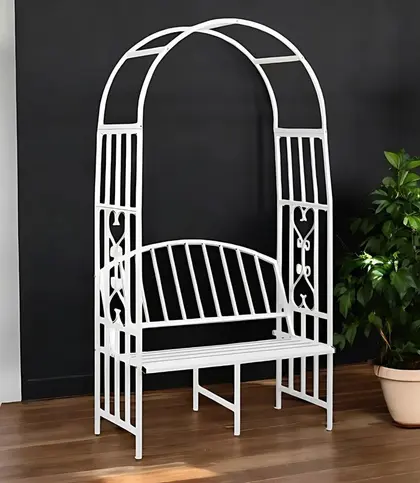 FastDelivery
₹5,220
₹12,199
57%OFF
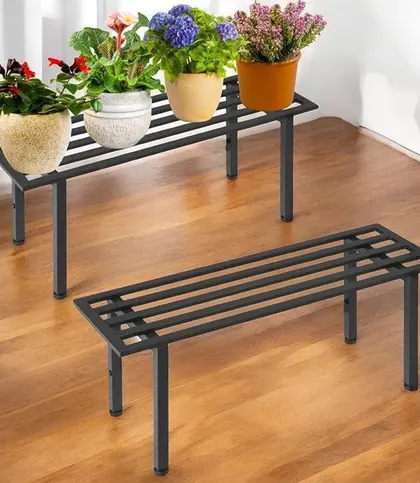 FastDelivery
₹1,608
₹4,599
65%OFF
 FastDelivery
₹1,424
₹3,999
64%OFF

₹982
₹1,500
35%OFF
Troubleshooting Yellow Leaves, Brown Tips, Drooping, Root Rot, and Pests
Yellow leaves can result from consistently wet soil, poor drainage, low light, ageing lower leaves, or feeding issues. Brown tips may be linked to dry soil, low humidity, direct sun, heat, fertiliser concentration, or mineral salts. Consider the plant’s full environment before treating a single symptom.
For drooping, check both extremes: roots may be too dry, or they may be stressed by waterlogged soil. If you suspect root rot, gently remove the plant from its pot, inspect the roots, trim only clearly damaged material with clean tools, refresh the mix, and correct the moisture problem. Seek help from a local nursery or plant professional when damage is severe.
Inspect leaf undersides, stems, and new growth for mealybugs, scale, aphids, or spider mites. Isolate affected plants and use only a treatment labelled for both the relevant pest and your plant.
- Check soil moisture before watering a drooping plant.
- Confirm that the pot drains and no water is trapped in a saucer or cover pot.
- Review recent changes in placement, temperature, feeding, and repotting.
- Inspect for pests and assess roots if the problem persists.
Pet and Household Safety Considerations
Anthuriums contain irritating compounds and should not be chewed or ingested. Sap may also irritate sensitive skin or eyes. Keep the plant out of reach of children and pets, especially cats and dogs that may nibble leaves.
Wear gloves when pruning if you have sensitive skin, and wash your hands after handling cut plant material. After suspected ingestion or significant exposure, contact a veterinarian, poison service, or medical professional promptly and follow their advice.
- Place the plant where curious pets and children cannot reach it.
- Do not use plant material in food, drinks, or home remedies.
- Use clean tools for pruning and dispose of cuttings safely.
A Simple Weekly Anthurium Care Check
A short weekly check is more useful than a rigid watering calendar. It helps you catch changes in soil moisture, drainage, pests, and light before they become larger problems.
- Check whether the plant still receives bright, filtered light.
- Touch the soil and water only when the upper layer has begun to dry.
- Make sure excess water can drain and no runoff remains in the saucer or cover pot.
- Inspect leaves, stems, and leaf undersides for discolouration or pests.
- Remove spent blooms or damaged foliage with clean tools, and note changes after moving, feeding, or repotting.
Final Verdict
- For reliable anthurium care, choose the brightest comfortable indirect light available, use an airy mix in a pot with drainage, and water only when the upper soil begins to dry.
- If growth or flowering is poor, check light first, then assess soil moisture, drainage, and roots before adjusting humidity, feeding, or placement.
- Repot only when the roots or potting mix indicate a need, and keep the plant away from pets and children who may chew it.
FAQs
How much indirect light does an anthurium need?
Anthuriums do best in bright, indirect light. An east- or north-facing window is often suitable, while brighter exposures may need a sheer curtain to soften direct sun. Too little light can slow growth and reduce flowering.
When and how should an anthurium be watered?
Check the upper layer of soil before watering. Once it has begun to dry, water thoroughly until excess flows from the drainage hole, then empty the saucer or cover pot. Watering needs change with light, temperature, pot size, and season.
What soil, pot, temperature, and humidity suit anthuriums?
Use a loose, well-draining indoor mix and a pot with a drainage hole. Keep the plant warm and away from drafts, cold glass, heaters, and air-conditioning outlets. Moderate to higher humidity can be helpful when paired with good airflow.
How can I encourage my anthurium to flower again?
Support flowering with bright indirect light, consistent moisture without soggy soil, warm stable conditions, and light feeding during active growth. Removing spent blooms improves tidiness, but it does not guarantee immediate new flowers.
What causes yellow leaves, brown tips, or drooping?
These symptoms can have overlapping causes. Yellow leaves may be related to wet soil, drainage, low light, ageing, or feeding; brown tips can reflect dryness, direct sun, heat, salts, or fertiliser; drooping can occur with either dry or waterlogged roots.
When should an anthurium be fertilised or repotted?
Fertilise lightly during active growth according to the product label, and avoid feeding a dry or stressed plant. Repot when roots are crowded, growing from drainage holes, or when the potting mix has compacted and no longer drains well.
Which pests commonly affect anthuriums?
Common sap-feeding pests include mealybugs, scale, aphids, and spider mites. Check leaf undersides, stems, and tender new growth, isolate affected plants, and use a treatment labelled for the identified pest and plant.
Is anthurium toxic to people or pets?
Anthuriums contain irritating compounds and should not be chewed or ingested. Keep them away from children and pets. Contact a veterinarian, poison service, or medical professional after suspected ingestion or significant exposure.