


Best Mattress Protector: How to Choose the Right Type
Quick Answer
The best mattress protector is the one that matches your main need. Choose a fitted style for secure everyday coverage, a strapped style for simple top-surface protection, a waterproof construction for spill risk, or an encasement for broader coverage around the mattress. Confirm its length, width and depth range, then check comfort, noise, laundry care and budget before buying.
Definitions
Fitted mattress protector
A protector with elasticated sides or a skirt designed to fit over the mattress in a similar way to a fitted covering.
Strapped mattress protector
A protector held in place with elastic straps or corner bands, generally covering the top surface while allowing more of the mattress sides to remain exposed.
Waterproof mattress protector
A protector that includes a liquid-resistant layer, commonly a membrane or coated backing, to help reduce the chance of spills reaching the mattress.
Encasement protector
A protector designed to surround the mattress more fully, usually with panels or a closure that covers the top and sides and may extend around the underside.
Mattress depth
The vertical thickness of the mattress from its top surface to its base, measured without compressing it.
Best Mattress Protector: Start With the Protection You Need
There is no one best mattress protector for every home. The right type depends on what you want it to handle: routine wear, occasional spills, a child’s bedroom, guest-room upkeep, or coverage around more of the mattress.
Start by considering the protector’s construction, fit, surface material and care instructions. These details affect how securely it stays put, how it feels through the bedding, how easily it can be laundered and how suitable it is for liquid-related concerns.
This guide compares mattress protector types only. It does not rank mattresses or assess other bedding products.
- For everyday use, focus on secure fit, comfort and washability.
- For spills or accidents, look for a clearly stated waterproof or liquid-resistant layer.
- For more complete coverage around the mattress, consider whether an encasement suits your needs.
Compare Mattress Protector Types
Construction determines where a protector sits and how much of the mattress it covers. A style that is quick to take off may be useful for frequent laundry, while a more enclosing style can require extra effort during fitting and removal.
A fitted protector has elasticated sides or a skirt that grips the mattress. It generally offers a secure all-round fit and is less likely to shift during sleep, provided its depth range matches the mattress. If the skirt is too shallow, corners can pull free; if it is overly roomy, excess fabric may bunch.
A strapped protector is usually held in place by elastic corner bands. It can be simple to fit and remove and may suit top-surface protection, but side coverage and stability vary by design. Check that the straps are positioned for your mattress size and that the protector will not move under the bedding.
A waterproof protector includes a liquid-resistant membrane or backing. It can help reduce the likelihood of spills reaching the mattress, but its breathability, warmth, texture and sound depend on the materials and how the layers are made.
An encasement protector surrounds the mattress more fully, often covering the top, sides and underside through panels and a closure. It is an option for readers seeking broader coverage around the mattress, though installing and removing it can take more effort than a fitted or strapped design.
- Choose fitted for a secure, familiar fit around the mattress.
- Choose strapped when straightforward top-surface coverage and easy removal are priorities.
- Choose waterproof when liquid resistance is the key requirement.
- Choose an encasement when coverage around the mattress matters more than quick removal.
Match the Protector to Your Main Risk
Identifying the main reason for buying helps avoid paying for features that do not suit your routine or overlooking a feature that does. Think about where the mattress is used, who uses it and how often the protector is likely to be washed.
For everyday protection, a comfortable surface, dependable fit and clear care instructions are often more useful than maximum coverage. Select a construction that stays smooth and secure through regular use and laundering.
For spills or accidents, seek a product description that specifically states waterproof or liquid-resistant protection. Also consider where liquid is most likely to reach the mattress: a top-surface protector may suit some needs, while broader coverage can be relevant in other situations. Liquid resistance helps reduce risk but should not be treated as a promise that every spill will be contained.
Guest bedrooms benefit from low-maintenance care, a broadly comfortable surface and a fit that does not need frequent adjustment. A design that is easy to wash and reinstall can be particularly practical between visits.
For a child’s bedroom, prioritise laundering instructions, appropriate liquid protection and a construction that remains in place. A secure fitted style can reduce bunching, while the need for waterproofing depends on the household’s likely use.
For allergen concerns, an encasement is a coverage option to consider because it surrounds more of the mattress. It should not be assumed to prevent, treat or eliminate allergies.
- Everyday wear: secure fit, comfortable feel, durability and easy washing.
- Spills or accidents: confirmed liquid-resistant construction and suitable coverage.
- Guest room: easy care, stable fit and a surface likely to feel comfortable to different sleepers.
- Child bedroom: washability, secure placement and liquid protection where needed.
- Broader mattress coverage: consider an encasement and its installation requirements.
Measure Your Mattress for a Secure Fit
A size label alone does not guarantee a good fit. Mattress dimensions and depth can differ, even when two mattresses use the same common size name. Measure before buying, then compare your figures with the product’s stated dimensions and depth range.
Measure the length from head to foot and the width from side to side. Then measure the depth vertically from the mattress’s top surface to its base. Take these measurements while the mattress is in its usual, uncompressed state.
If there are permanent layers that will stay underneath the protector, include them when checking the required depth. The goal is a protector that reaches around the mattress without excessive stretching, exposed corners or loose fabric beneath the sleeper.
- Measure length from head to foot.
- Measure width from one side to the other.
- Measure depth from the top surface to the base without compressing the mattress.
- Include permanent layers that will remain below the protector.
- Compare all measurements with the stated product size and depth range.
Assess Material, Breathability, Noise, and Feel
The top fabric and the layers underneath it both shape night-to-night comfort. Material names are a useful starting point, but they do not guarantee a certain feel or performance. The full construction, fabric weight, membrane placement and finish all matter.
Cotton and cotton-rich surfaces may appeal if you prefer a familiar, soft hand feel. Polyester surfaces can offer easy-care characteristics and durability. Neither material automatically determines warmth, breathability or softness; those qualities vary by blend and design.
Terry surfaces have a textured, absorbent-feeling top layer. If liquid protection is important, check the backing as well as the surface: terry, quilting or a fitted shape alone does not establish that a protector is waterproof.
Waterproof membranes can improve liquid resistance, but some constructions may alter airflow, warmth, surface feel or sound. When details are available, look for information about rustling, the location of the membrane, fabric weight and surface texture.
Quilting can add structure and a little surface cushioning, but it does not itself confirm waterproofing or superior protection. Judge each feature separately rather than assuming one visible detail covers every need.
- Read the full material composition, not only the top-fabric name.
- Check for an explicitly described liquid-resistant layer if waterproofing matters.
- Look for available details on rustling, texture and membrane placement.
- Consider your own preference for a cooler feel, smoother surface or more textured finish.
- Treat quilting as a comfort and structure feature, not proof of waterproofing.
Check Care Instructions and Budget Trade-Offs
A protector is most useful when its care routine works with your household. Review the product label or care guidance before purchase, especially if it will need frequent laundering. Washing and drying requirements can differ widely by fabric, membrane and construction.
Check the recommended wash temperature, drying method and any guidance about bleach or fabric softener. If the protector has a waterproof layer, confirm whether tumble drying is permitted and whether high heat is discouraged. Incorrect care may affect the construction or its performance.
Consider how often you expect to wash it and whether it is likely to remain comfortable and securely fitted after repeated laundry cycles. It is also sensible to check available size options, return terms, warranty information and the clarity of the care guidance where these are provided.
Price by itself does not prove performance. A simpler option may meet a basic need, while another may reflect different materials, construction, finishes or detailed fit features. Compare the particular features that matter to your use instead of treating cost as a quality ranking.
- Review washing, drying and product-specific handling instructions.
- Check waterproof-layer care, including any heat limitations.
- Match maintenance demands to how frequently the protector will be washed.
- Compare fit, materials, construction and care rather than price alone.
- Review size availability, returns and warranty details where provided.
Mattress Protector Buying Checklist
Use this checklist just before purchase to make sure the protector suits the mattress, the household routine and the comfort preferences of the person using the bed.
- What is the main need: everyday wear, spill protection, guest use, child-bedroom use or fuller enclosure?
- Which construction fits that need: fitted, strapped, waterproof or encasement?
- What are the mattress length, width and depth measurements?
- Will it fit over the mattress and any permanent layers without bunching or overstretching?
- Is the surface material suitable for the sleeper’s heat and texture preferences?
- Could a waterproof layer create unwanted noise, warmth or a different surface feel?
- Can it be washed and dried using the available laundry setup?
- Does its construction offer the protection, fit, care and durability features that matter most?
The Best Mattress Protector Is the One That Fits Your Actual Use
Choose a mattress protector by balancing risk, fit, comfort, care needs and budget rather than looking for a universal winner. A fitted style is often a practical choice for secure everyday coverage, while a strapped style can suit simpler top-surface protection and easy removal.
When spills or accidents are the central concern, look for a clearly described waterproof construction. When coverage around the mattress is important, an encasement may be worth considering. These are different forms of protection, not interchangeable labels.
Before making a final choice, verify the mattress length, width and depth, then read the material details and care instructions. Those checks are the best way to find a protector that works comfortably in your home.
Compare mattress protectors
Use these options to compare fabric and fit. Verify mattress dimensions, pocket depth, care instructions, and any waterproof claim on the individual product page before choosing.
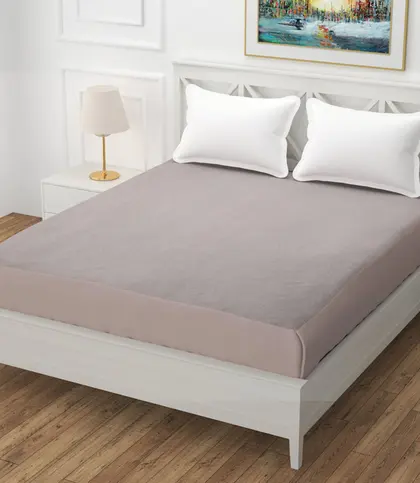
From ₹807
₹1,799
55%OFF
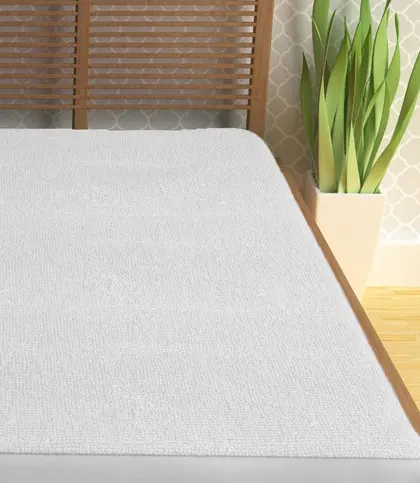
From ₹1,077
₹1,998
49%OFF

Final Verdict
- Use a fitted protector when secure everyday coverage is the priority.
- Consider a strapped protector when simple top-surface coverage and easy removal matter more.
- Choose a waterproof construction when spills or accidents are the main concern.
- Consider an encasement when broader coverage around the mattress is important.
- Confirm the final choice against actual mattress dimensions, comfort preferences, noise tolerance, care requirements and budget.
FAQs
Which mattress protector type is best for waterproofing?
A protector with a clearly described waterproof or liquid-resistant membrane or backing is the appropriate type to consider for spill risk. Check the stated coverage area as well: a fitted waterproof protector and a waterproof encasement offer different levels of coverage around the mattress. Waterproofing can help reduce the chance of liquid reaching the mattress, but performance depends on the individual construction and care.
How do I measure my mattress for a protector?
Measure the mattress length from head to foot, width from side to side and depth from the top surface to the base. Measure it in its normal, uncompressed state. Include any permanent mattress layers that will remain under the protector, then compare all figures with the product's stated size and depth range.
Are waterproof mattress protectors breathable?
Breathability varies by membrane material, fabric layers and overall construction. A waterproof layer can affect airflow and warmth, so look for product-specific details rather than assuming every waterproof protector will feel the same. Surface fabric, membrane placement and fabric weight can all influence comfort.
Do mattress protectors make noise?
Some protectors, particularly certain waterproof constructions, may produce more rustling than others. Noise depends on the membrane, backing, fabric weight and how the layers are bonded. Review any available information on sound or rustling, and choose a construction that suits your noise tolerance.
When should I choose an encasement protector?
Consider an encasement when you want coverage around more of the mattress, including the sides and often the underside. It may be useful where broader enclosure matters, but it can take longer to install and remove than a fitted or strapped protector. Confirm that its dimensions and closure style work for your mattress.
How should I wash a mattress protector?
Follow the care label for that specific protector. Check the recommended wash temperature, drying method and advice on bleach or fabric softener. For waterproof styles, confirm whether tumble drying is allowed and whether high heat should be avoided, as care requirements vary by membrane and construction.
What should I check before buying a mattress protector?
Check the main protection need, protector construction, mattress length, width and depth, surface material, liquid-resistant layer where relevant, likely warmth or noise, and washing and drying instructions. Also ensure the stated fit range accommodates the mattress and any permanent layers beneath the protector.