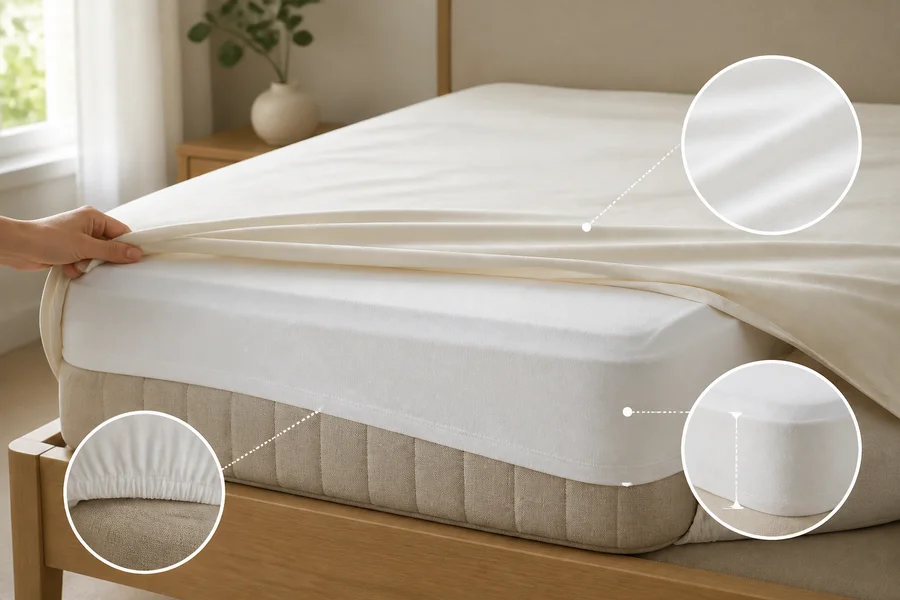
Comforters are cosy, thicker bed layers often used in cooler weather or air-conditioned rooms. Dohars are generally lighter, so they may suit different seasons and sleeping preferences. Both can help complete a well-made bed, but their care needs can vary.
Comforters are available in different bed sizes and styles. Before choosing or cleaning one, check its product-page details and care label for guidance specific to that item.


How to care for a comforter: 8 practical steps
1. Keep food and drinks away from the bed
Breakfast in bed can be tempting, but food and drinks increase the chance of spills and stubborn stains. Keeping snacks and hot drinks away from your comforter can reduce the need for frequent spot cleaning or washing. If a spill does happen, attend to it promptly according to the care label.

2. Check the manufacturer’s care label
Before washing or drying a comforter, read its care label carefully. Some comforters may be suitable for machine washing, while others may require professional cleaning or a particular method. Follow the stated instructions for washing, detergent, water temperature, drying and any other handling guidance.

3. Inspect and prepare before washing
If the care label permits washing, inspect the comforter first. Look for loose threads, tears or holes, and mend them where appropriate before laundering so that damage does not worsen. Treat visible stains only with a method that is compatible with the care instructions. When in doubt, test a cleaning product on a small, unobtrusive area first.

4. Machine-wash only when the label allows it
A machine-washable comforter needs enough room to move freely. Check that your washing machine has adequate capacity before starting, and distribute the comforter as evenly as possible. Use the cycle, water temperature and detergent specified on the label. If your home machine is too small, consider a suitably sized laundry facility or professional service instead.

5. Dry the comforter thoroughly
Follow the care label for dryer use and drying settings. If tumble drying is not advised or a dryer is unavailable, dry the comforter in a well-ventilated area. Allow it to dry completely before placing it back on the bed or putting it away. Avoid direct sunlight when the manufacturer’s instructions advise against it.

6. Fold and store it only when fully dry
Moisture left inside a folded comforter can lead to unpleasant odours or damage during storage. Once it is fully dry, fold it loosely and store it in a clean, dry cupboard or suitable under-bed space. Avoid compressing it more than necessary, and check the care label for any storage recommendations.

7. Use water-free upkeep between washes
Comforters do not need to be washed after every use. Airing them out, keeping them free from dust and folding them away when not in use can help maintain them between deeper cleans. A removable cover, where compatible with the comforter, can also make everyday upkeep easier.

8. Choose dry-cleaning when required
If the care label specifies dry-cleaning, take the comforter to a professional cleaner and share the label instructions with them. Before choosing a service, check its reviews and ask whether it can accommodate the comforter’s size and stated care requirements.
With regular, label-led care, a comforter can stay comfortable and ready for use season after season. Simple habits—dealing with spills early, washing only as needed and storing it fully dry—go a long way.

Related blogs
- 10 Must-Have Winter Comforters
- How To Choose The Best Comforter Size For Your Bed
- 8 Best Bed Comforters That Will Keep You Cozy & Warm This Winter
Frequently asked questions
Can I wash a comforter in a washing machine?
Some comforters can be machine washed, while others require professional cleaning. Check the care label before washing, and make sure your machine has enough capacity for the comforter to move freely.
How do you take care of a comforter?
Avoid food and drinks on the bed where possible, attend to spills promptly, follow the care label, and store the comforter only after it is completely dry.
How often should a comforter be washed?
Wash a comforter according to its care label and how often it is used. It may need cleaning after a spill or before seasonal storage, but unnecessary washing can add wear. Airing and light upkeep between washes can help.
How do you take care of bedding?
Follow each item’s care instructions, clean bedding as needed, and dry it fully before use or storage. Keep stored bedding in a clean, dry, well-ventilated place.
Keep exploring