
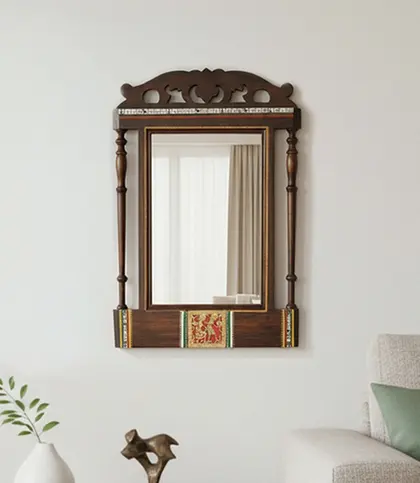
Bestseller
FastDelivery₹3,419
₹5,699
40%OFF

304 Products
Bestseller
FastDelivery₹3,419
₹5,699
40%OFF
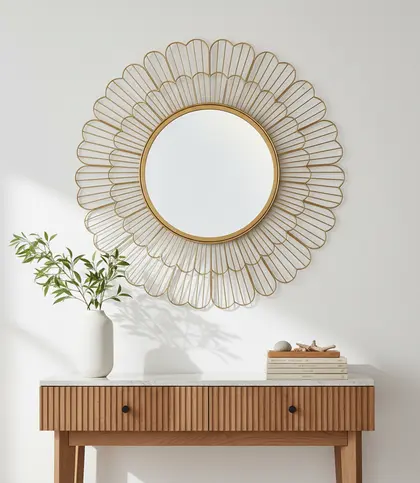
₹1,449
₹2,678
46%OFF

From ₹4,994
₹6,936
30%OFF
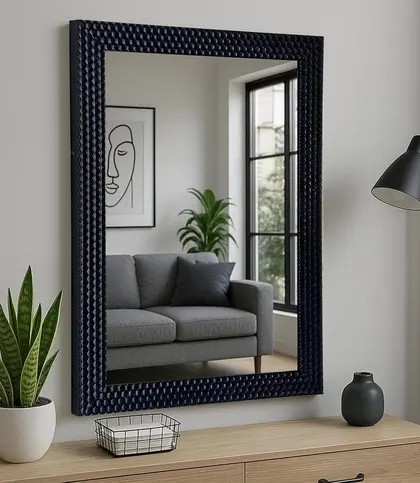 FastDelivery
₹849
₹3,000
72%OFF
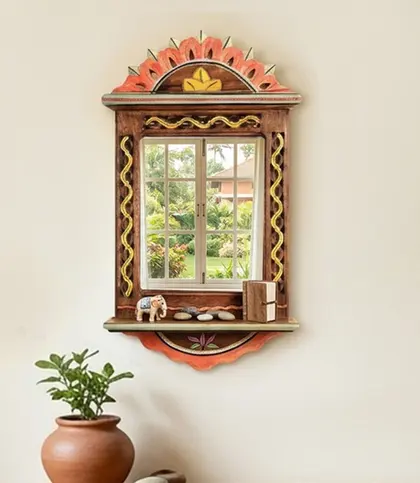 FastDelivery
₹2,789
₹4,339
36%OFF
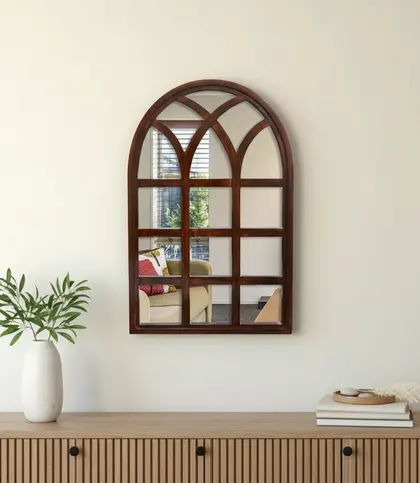
₹4,499
₹10,999
59%OFF
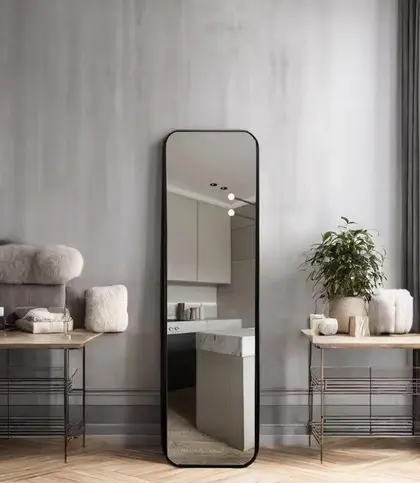
From ₹5,293
₹7,561
30%OFF
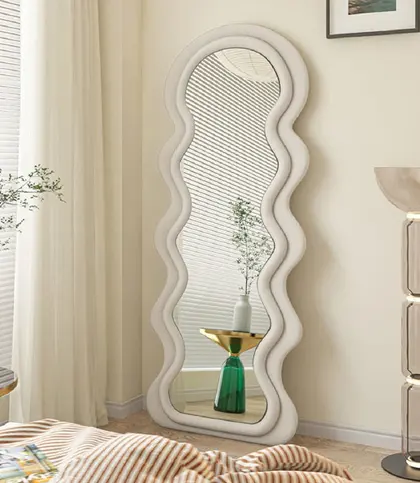
From ₹7,874
₹10,999
27%OFF

₹1,845
₹2,199
16%OFF
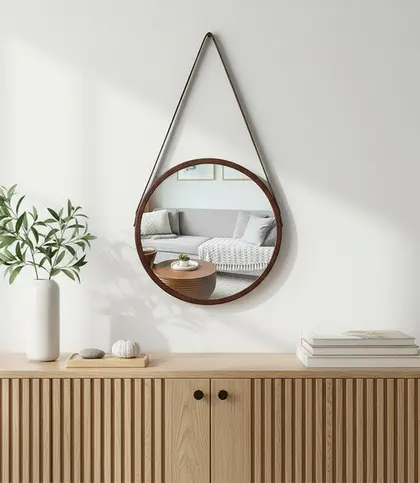
₹1,049
₹1,827
43%OFF
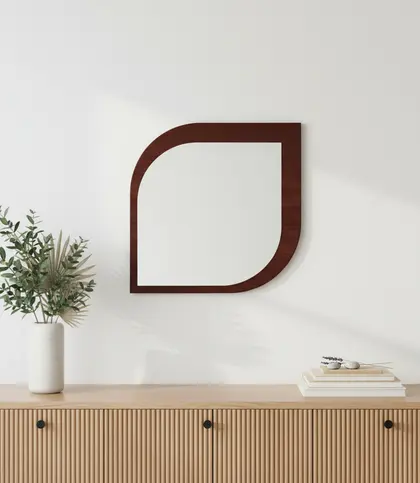
From ₹4,599
₹6,999
34%OFF
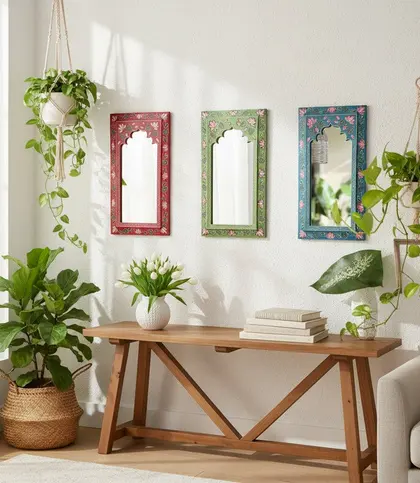
₹3,649
₹5,000
27%OFF
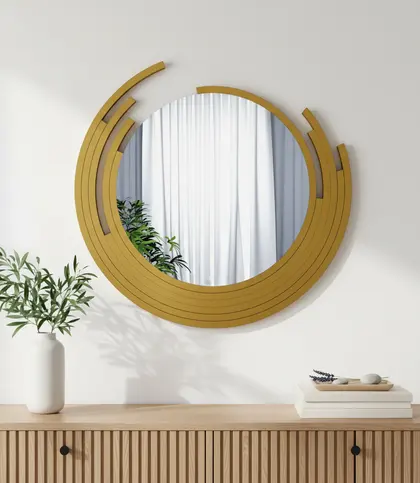
From ₹3,449
₹8,999
62%OFF

From ₹10,499
₹15,999
34%OFF
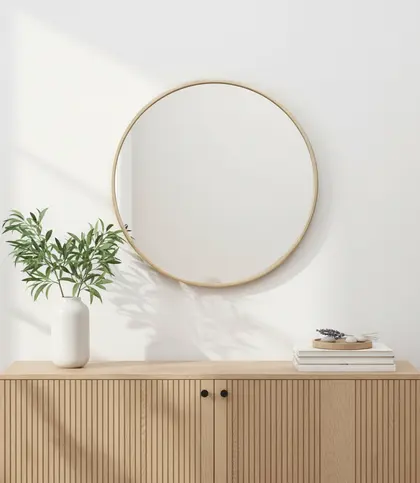
₹2,049
₹12,000
83%OFF
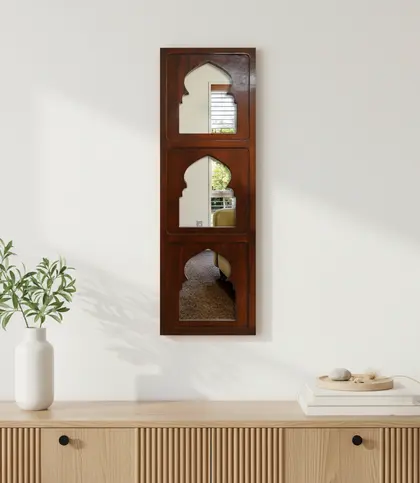
₹5,349
₹8,999
41%OFF
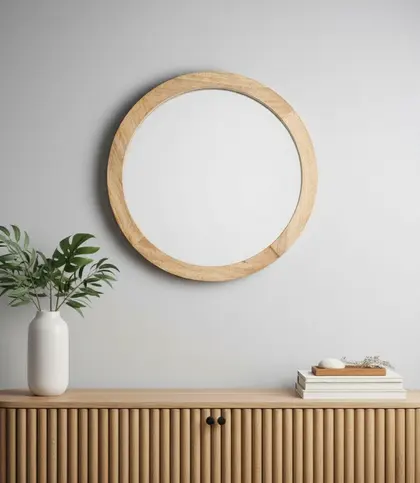
From ₹2,230
₹3,007
26%OFF
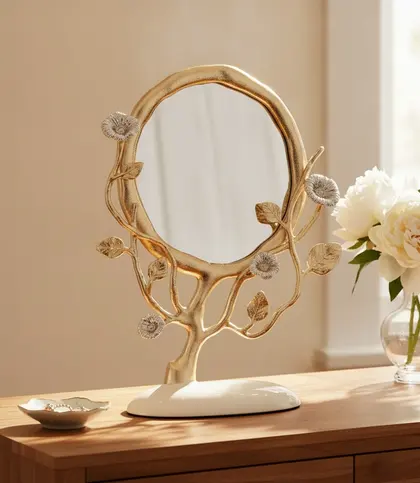
₹3,272
₹7,636
57%OFF
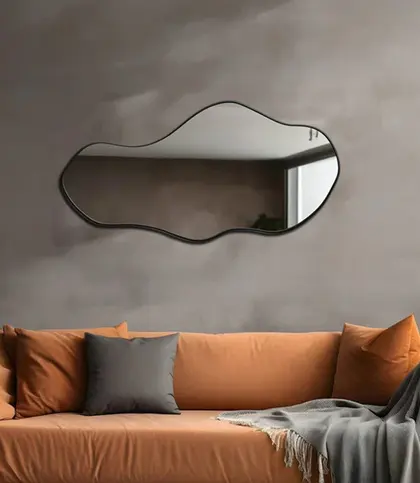
₹6,299
₹11,999
48%OFF

From ₹8,749
₹12,999
34%OFF
A mirror does far more than show your reflection. It can brighten a dim corner, create a feeling of openness and bring visual balance to an undecorated wall. From a practical dressing mirror to artistic mirrors that act as wall accents, the right design can transform how a room looks and feels.
Vaaree is a leading destination for curated, premium and pretty home products, making it easy to buy a mirror online for contemporary, traditional, bohemian or eclectic interiors. Explore designs for living rooms, bedrooms, entryways, dressing areas and wash spaces, then choose a mirror frame, shape and scale that complements your home rather than competing with it.
While comparing mirror prices, look beyond size alone. Frame material, detailing, finish, craftsmanship and overall design influence the final mirror price. It is also useful to check dimensions, mounting requirements and care instructions before choosing a new mirror for your space.
In a living room, wall mirrors can serve as decorative focal points or quietly make the space feel more expansive. Position one above a console, sideboard or low cabinet to anchor the arrangement. A big mirror can give a compact room more visual depth, while a collection of smaller designs can create a playful gallery effect.
Before fixing the mirror, stand where guests are most likely to view it and check the reflection. A mirror that reflects a window, artwork or a well-styled corner will usually feel more intentional than one facing clutter. Complete the wall with complementary canvas paintings, or use a mirror as a calm counterpoint to colourful art.
A dressing mirror should be placed where you can use it comfortably without obstructing movement. A vertical shape is useful for outfit checks, while a smaller table mirror works well for grooming. In a compact bedroom, wall-mounted options preserve surface and floor space.
Consider what the mirror reflects when viewed from the bed. If you follow Vastu or Feng Shui preferences, mirrors on north or east walls are often considered favourable, while directly reflecting the bed or entrance is commonly avoided. Treat this as personal guidance and adapt it to the room's practical layout.
An entryway mirror offers a convenient final glance before you leave and gives visitors an attractive first impression. Place it above a console or narrow shelf, then balance the arrangement with photo frames or a small decorative object. Round mirrors soften narrow hallways, whereas rectangular styles visually echo long walls.
For a gallery-like entrance, pair the mirror with selected wall hangings. Leave enough breathing room between pieces so the composition feels curated rather than crowded.
Bath mirrors and wash-basin mirrors need to combine clear everyday function with a finish suited to the room. Measure the basin or vanity before selecting the width, and ensure the reflective area is comfortable for the people using it. For humid areas, review the product's material, installation and care information carefully.
If you want an LED mirror in a bathroom or a light on a mirror, confirm that the design is intended for that environment and arrange safe electrical installation with a qualified professional. Decorative household mirrors are not automatically suitable for wet areas or electrical use.
Wall-mounted mirrors are versatile choices for living rooms, bedrooms, hallways and dressing areas. They keep surfaces free and can fill awkward vertical spaces. Slim frames create a clean, contemporary effect, while detailed frames make the mirror feel more like art. Coordinate the finish with nearby furniture, hardware or wall lamps for a cohesive arrangement.
A table mirror is a flexible option for vanities, dressers and compact grooming corners. It is easy to integrate into an existing arrangement and can be moved when the room changes. Before buying, check that the base is stable and that the mirror height suits the surface on which it will sit.
Artistic mirrors use expressive shapes, textured borders or striking frames to become focal points. Sun-inspired silhouettes, asymmetrical forms and sculptural designs work especially well on otherwise simple walls. If the mirror is highly decorative, let it lead the composition and keep surrounding accents restrained.
Metallic and bronze-toned mirror frames introduce warmth, while black frames create definition. A brown mirror frame or wood-look finish can complement earthy and traditional interiors. Pink mirrors and colourful frames offer a cheerful accent for bedrooms, dressing corners or creative spaces. For a balanced wall, combine one expressive mirror with understated clocks rather than using several competing statement pieces.
Round mirrors soften rooms dominated by straight furniture lines and are particularly effective above consoles or compact vanities. Rectangular mirrors feel structured and can visually emphasise height or width depending on their orientation. Oval designs offer a graceful middle ground, while irregular shapes create a more playful, contemporary mood.
Start by measuring the available wall rather than estimating by eye. Mark the proposed outline with removable paper or tape, then view it from different points in the room. This simple step helps you understand whether the piece will appear too small, too dominant or comfortably proportioned.
Think about the frame-to-glass ratio as well. A broad ornamental mirror frame contributes substantial visual weight, even when the mirror glass itself is modest. A slim frame allows more reflective surface and creates a lighter look.
Mirror glass price and overall cost should not be compared only by dimensions. Frame construction, finish and design complexity also matter. Review the complete product information rather than assuming that two similarly sized mirrors will offer the same look or installation needs.
Positioning a mirror near or across from a window can help distribute daylight and make a room feel brighter. A window-style mirror can also add architectural character to a plain wall, but it remains a decorative mirror rather than an actual window. In darker spaces, nearby lighting may create a warmer, layered effect. Browse wall clocks if you are planning a coordinated functional wall with distinct zones.
Avoid placing mirrors where reflected glare becomes uncomfortable or where direct sunlight may create excessive heat. Also consider everyday movement: mirrors should not project into narrow passages or interfere with doors, drawers and cupboards.
Speciality terms such as a one-way mirror, two-way mirror, 2-way mirror or transparent mirror refer to technical glazing products with specific lighting and installation conditions. Standard decorative mirrors should not be treated as privacy or surveillance glass. Similarly, a kaleidoscope mirror is a specialised visual object rather than a substitute for a clear grooming mirror.
Keep the surrounding wall arrangement visually balanced after installation. A mirror can pair beautifully with photo frames, but leave enough space between items to clean them and to prevent accidental contact.
Choose according to the room's existing lines. Round mirrors soften angular furniture, rectangular designs create structure, and irregular artistic mirrors add a focal point. The best shape is one that balances the wall and reflects an attractive part of the room.
Measure the available wall and nearby furniture, then map the proposed outline before purchasing. A mirror above furniture should feel visually connected to it, while a standalone statement piece needs enough surrounding space to look deliberate.
Good locations include above an entryway console, over a living-room cabinet, beside a dressing table or on a hallway wall. Check both the viewing height and the reflection before installation. Pairing it with subtle wall hangings can create a layered display without overpowering the mirror.
A framed mirror adds colour, texture and character, making it suitable for decorative walls. A minimal or frameless look feels lighter and can suit streamlined interiors. Consider the room's other finishes, required care and installation method when deciding.
Use a generously sized wall mirror where it can reflect natural light or an uncluttered view. Keep the surrounding arrangement simple and avoid placing too many small decorative objects around the frame.