
₹2,062
₹3,375
39%OFF
9 more capacity


548 Products
₹2,062
₹3,375
39%OFF
₹2,372
₹2,790
15%OFF
₹2,237
₹3,245
31%OFF
₹1,532
₹2,189
30%OFF
₹2,849
₹3,565
20%OFF
Top Rated
₹2,639
₹3,295
20%OFF
₹2,043
₹2,919
30%OFF
₹1,939
₹3,875
50%OFF
₹1,874
₹3,081
39%OFF
₹934
₹2,999
69%OFF
₹699
₹1,095
36%OFF
₹2,924
₹3,440
15%OFF
₹2,469
₹3,085
20%OFF
₹2,811
₹3,975
29%OFF
 FastDelivery
₹1,499
₹1,895
21%OFF
₹3,639
₹4,545
20%OFF
 FastDelivery
₹1,985
₹2,580
23%OFF
₹3,249
₹4,330
25%OFF
₹1,593
₹2,685
41%OFF
₹3,339
₹4,455
25%OFF
Induction cooking has moved from a convenience upgrade to a serious design decision for modern Indian kitchens. The Induction Safe Cookware collection is built for homes where the hob is sleek, the counter is compact, and the cookware still needs to handle dal tempering, slow gravies, weekday sabzis, breakfast dosas and weekend hosting. With 548 products, this curated range helps you choose pieces that look considered on open shelving and perform across everyday cooking styles. The result feels practical, polished and ready for daily cooking.
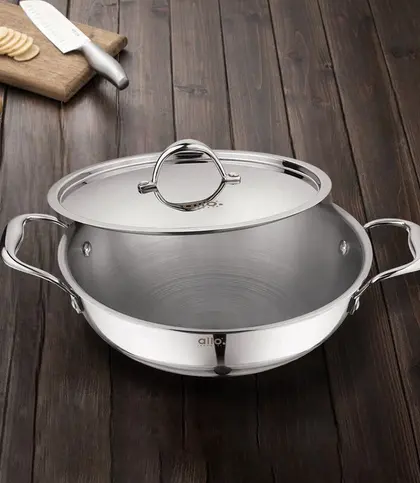
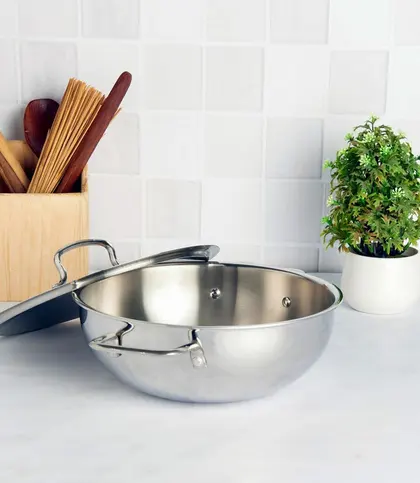
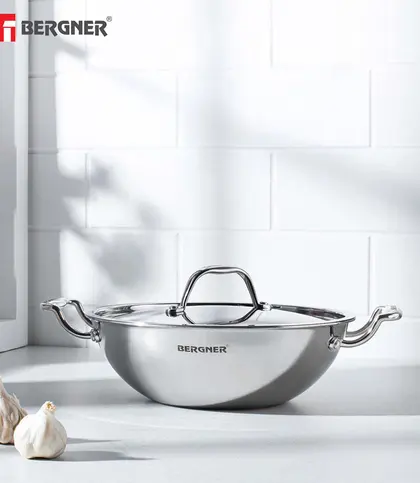
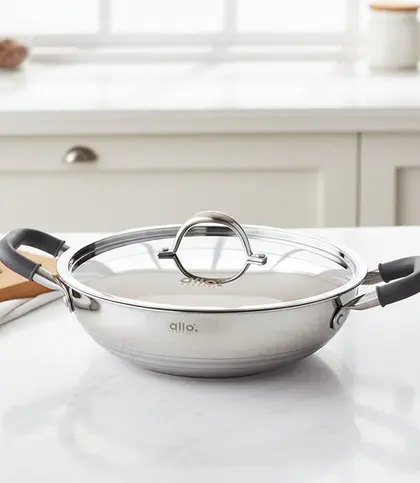
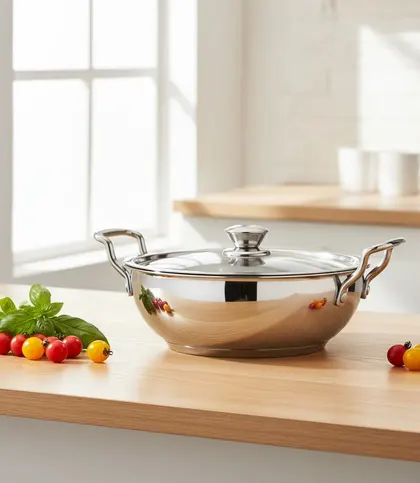
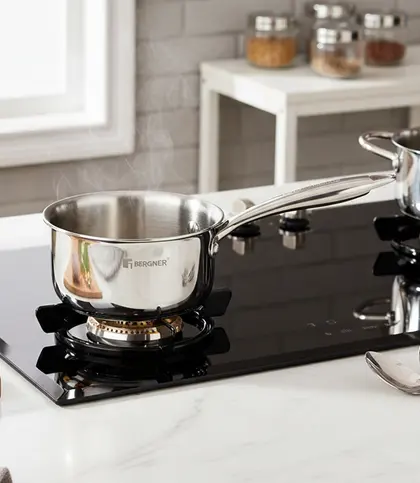
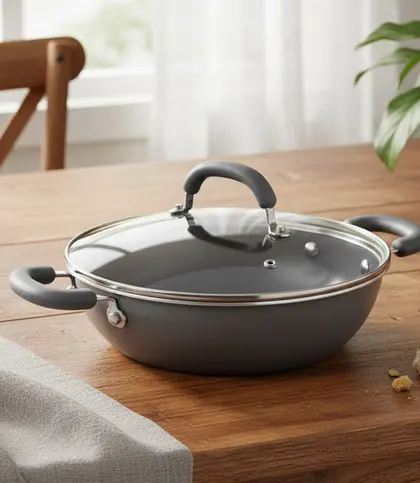
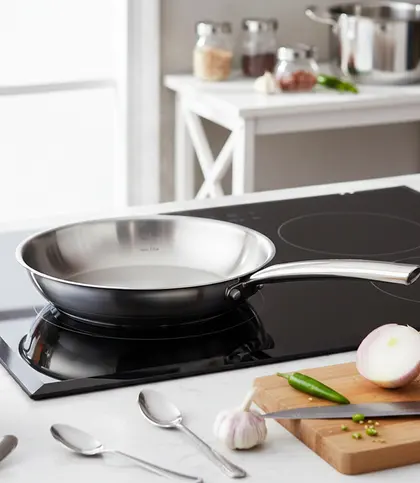
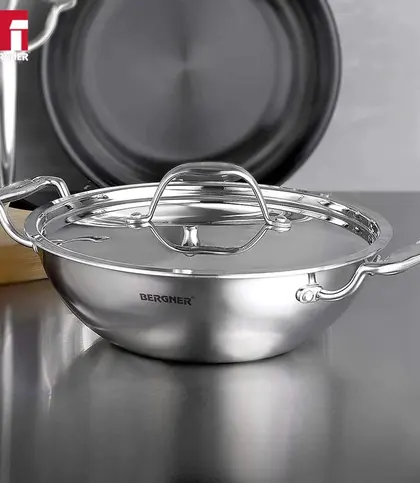
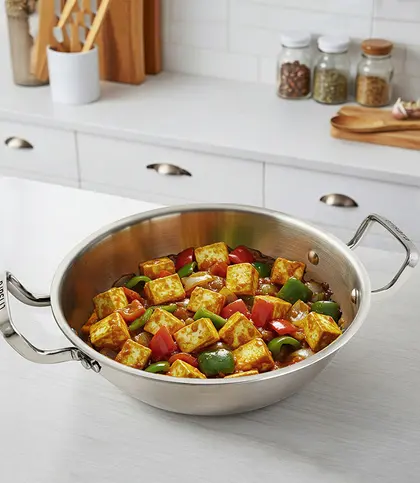
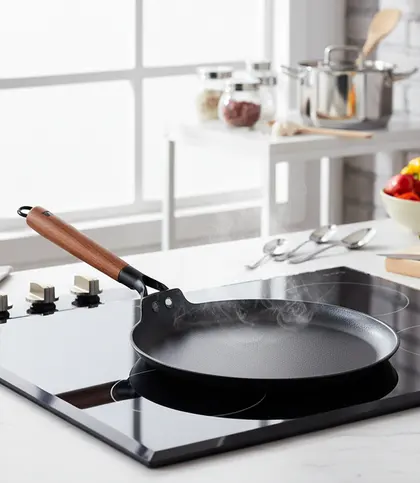
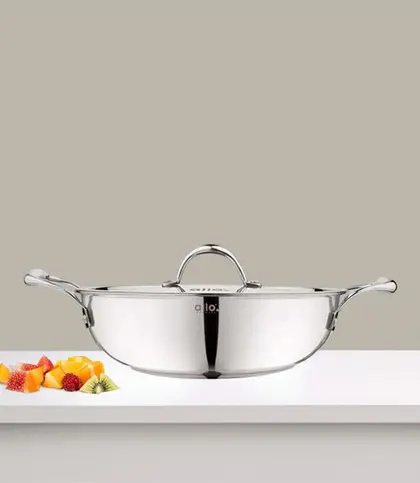
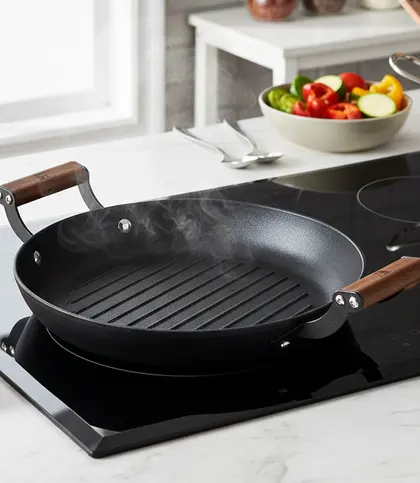
Start with the pan shapes you actually use. A flat, stable base is central to induction cooking, so look closely at cookware that sits evenly, heats predictably and suits your burner size. For quick stir-fries, shallow sauteing and breakfast prep, browse induction safe pans and grill pans. If your kitchen leans towards Indian meals with tadkas, curries and family portions, an induction safe kadhai gives you depth without making the counter feel cluttered.
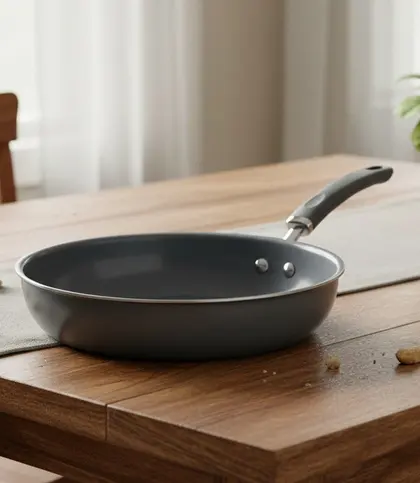
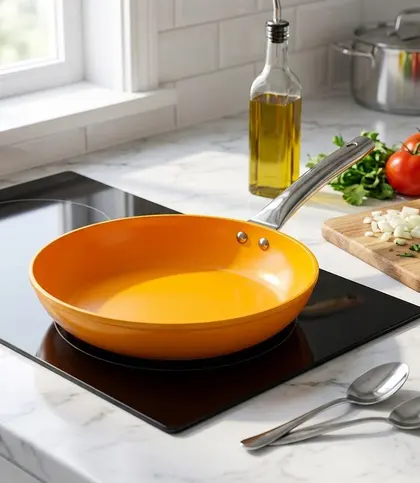
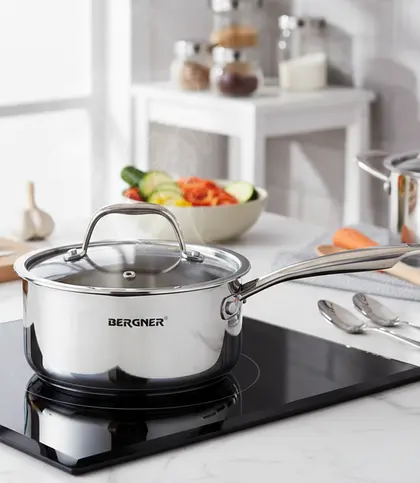
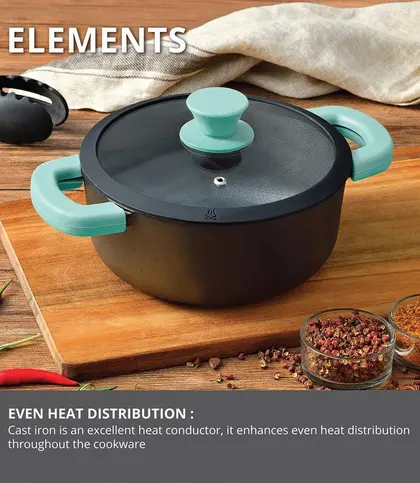
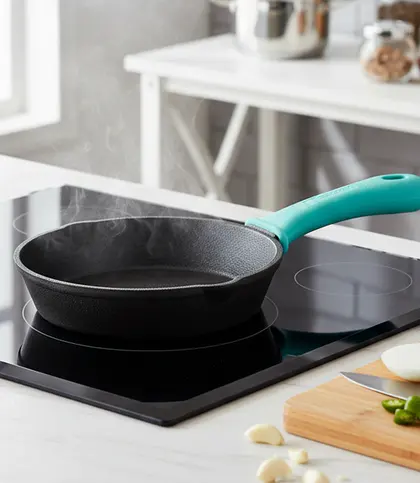
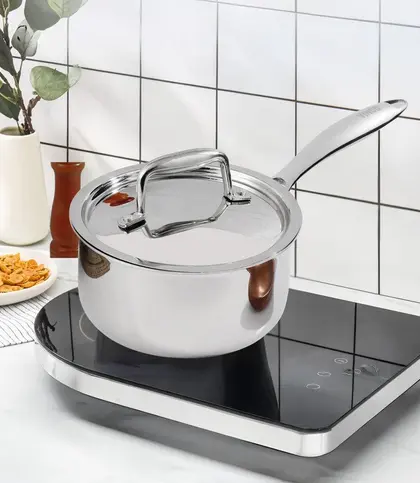
Material choice changes how the cookware behaves. stainless steel cookware is a clean, long-wearing option for kitchens that prefer a polished, professional look. It suits simmering, boiling and layered cooking where you want a neutral surface and a refined finish. cast iron cookware brings heft and heat retention, useful for dishes that benefit from a steady surface, though it asks for more care. Non-stick and hard anodised options can help with lower-oil cooking and easier release, especially for breakfast staples and delicate foods.
Think in sets only if the pieces match your routine. A compact home may need one reliable saucepan, one kadhai and one tawa rather than a large boxed set. A household that cooks often may prefer a layered cookware plan with pressure cooking, sauteing and serving handled separately. The wider cookware edit is useful when you want to compare induction-ready options with other construction types before deciding.
For a premium kitchen, the right induction cookware should feel quiet, balanced and durable rather than showy. Check product pages for induction compatibility, base dimensions, care instructions and lid details before you add to cart. Vaaree's quality-conscious merchandising brings together trend-aware finishes and practical formats with clear product details to support considered selection. The result is a collection for buyers who want the kitchen to work hard while still looking composed.
For many homes, induction cookware also has to move gracefully between cooking and serving. A deep pan used for pasta, pulao or stir-fried vegetables may sit briefly on the table, so handles, lids and exterior finish matter. If you cook for guests often, keep one polished piece for visible cooking and serving, and keep heavier daily pieces for high-heat routines. This approach keeps the kitchen efficient without making every purchase do the same job.
Start with the dishes you cook most often, then match the vessel shape to the task. A flat base is important for induction hobs, while kadhais, tawas, pans and pots should suit your burner size, family portions and daily cooking rhythm.
Stainless steel, cast iron and induction-compatible non-stick styles can all work when the base is designed for magnetic induction. Check each product page for compatibility, weight, care notes and lid details before buying, especially if you use both gas and induction at home.
Vaaree curates induction safe cookware with a premium, quality-conscious eye for modern Indian kitchens. The selection brings together practical cooking shapes, refined finishes and considered utility, helping you build a cookware set that looks polished while supporting everyday meals.
Choose size by burner diameter, portion needs and storage space. A small pan is useful for eggs or tadka, while larger kadhais and pots suit curries or family meals. Avoid oversized bases that extend far beyond the induction zone.