


Wall Shelf Size And Placement Guide
Short answer: Choose a wall shelf only after deciding what it must hold. Placement height, shelf depth, and count matter more than the shape, because a shelf that cannot hold the right items becomes wall clutter.
The 5-Minute Choice
Choose wall shelf count, size, and placement without drilling holes in the wrong wall or overloading the shelf visually.
Decide Storage Or Display
A display shelf can be narrow because it holds frames, candles, small planters, and showpieces. A storage shelf needs more depth and stronger wall support. Do not expect one decorative shelf to solve heavy storage. If the items are books, jars, or multiple frames, check load expectations and wall type before drilling.
Place Shelves At Eye Level For Decor
For living rooms and bedrooms, the centre of the display usually works near eye level. Above a sofa, leave enough gap so people do not hit the shelf while sitting. In a kitchen or study, place shelves by reach rather than symmetry. A shelf that looks perfect but is annoying to use will not stay organized.
Choose Count By Wall Width
A small wall can look better with one or two shelves. A wide blank wall may need a set of three or four, especially when the shelves are staggered. Before drilling, mark the outline with tape and stand back. Check the view from the entrance, not only from close up.
Style With Weight Balance
Put the heaviest-looking item first, then add smaller accents. Spread color and height across the arrangement instead of putting all tall objects on one side. Leave at least one empty patch so the shelf does not become a storage dump.
The 5-Minute Decision
List what the shelf must hold, choose display or storage, tape the footprint on the wall, and check whether the items fit the shelf depth. Buy the set only when the wall width and item count both make sense.
Quick Checklist
- [ ] The size fits the actual surface or wall, not only the product photo.
- [ ] The piece has a clear job: height, storage, color, memory, texture, or balance.
- [ ] Daily-use areas still have enough empty space.
- [ ] Cleaning, dusting, and moving the item will be manageable.
- [ ] The color or finish connects with at least one existing element in the room.
Quick Answer
- Choose wall shelves by the job it must do first, then by style.
- Measure the actual spot before buying; most mistakes come from poor fit.
- Pick easy-care materials for daily use and more decorative finishes for occasional or guest-facing use.
- If two options both look good, choose the one that makes the room easier to use in five minutes.
Definitions
- Wall Shelf Size: A wall shelf adds display or storage on vertical space; check wall strength, depth, and what will sit on it.
- Placement: Placement means the exact wall, corner, surface, or walking path where the item will be used, so scale and access matter as much as style.
Before You Buy
Check where wall shelves will actually be used. Measure the available space, check cleaning or storage effort, and think through how people move around it. If it creates a new inconvenience, choose a simpler or better-fitting option.
Product Picks That Fit The Decision
These picks show how the buying logic applies to real Vaaree options. Compare them by use case, size, material, finish, and where they will sit in the home.
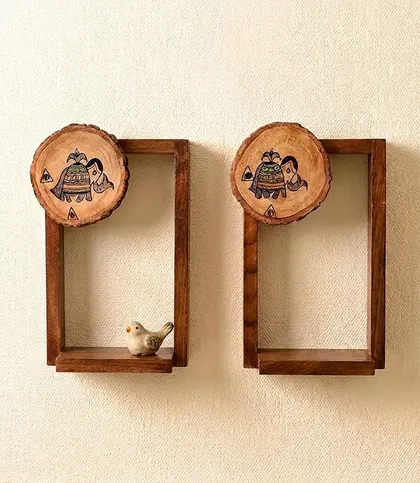
- Use Timber Twist Wall Shelf - Set Of Two as a two-piece shelf set for compact wall styling.
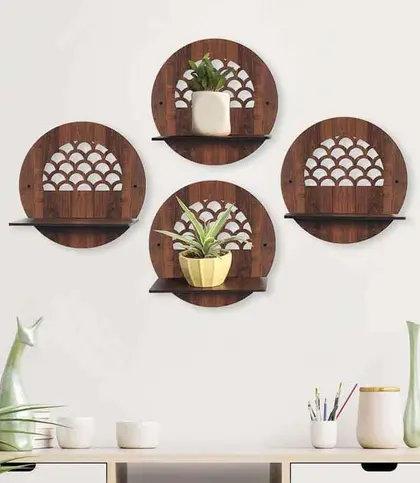
- Compare La Gardenia Wall Shelves - Set Of Four as a four-piece set for gallery-style wall storage.
- Consider Eclectic Exhibitors Wall Shelf - Brown - Set Of Three as a three-shelf display option for books and decor accents.
 FastDelivery
₹1,549
₹2,459
37%OFF
₹1,099
₹2,999
63%OFF

₹786
₹1,399
44%OFF
Final Verdict
- Choose the simplest option for wall shelves when daily use, cleaning, or space is the main concern.
- Choose the more decorative option when the room already works and needs warmth, texture, height, or personality.
- Combine products only when each one has a different job; the best home decisions make the room easier to live in, not just fuller.
FAQs
What height should a wall shelf be?
For decor, place the centre near eye level. For storage, place it where the items are easy and safe to reach.
Are multiple small shelves better than one large shelf?
Multiple shelves are better for display flexibility. One larger shelf is better when you need a continuous surface for books or storage.
What should I check before drilling?
Check wall type, load needs, nearby wiring or plumbing risk, and whether the shelf blocks seating or doors.
What should I check before buying wall shelves?
Check size, material, placement, cleaning effort, and how often it will be used. The right choice should make the room easier to live in, not just better in photos.
How do I choose wall shelves for daily use?
Start with the daily routine, then narrow by size, finish, and maintenance. The better choice is the one that fits the room without adding a new cleaning, storage, or movement problem.