


Wall Mirror Size And Placement Guide
Short answer: Choose a wall mirror by what it reflects, not only by frame design. A mirror should bounce light, support getting ready, or make a narrow area feel open without reflecting clutter.
Start With Placement
Measure the spot before choosing style. Furniture and wall pieces fail most often because they are too large, too small, or placed where daily movement becomes awkward.
- Leave walking space around seating and accent furniture.
- Check door swings, drawers, and balcony doors.
- Match height to how people use the room.
- Choose washable or wipeable surfaces for high-use family areas.
- Pick colors after checking the sofa, wall, rug, and curtain tones together.
A good room piece should make the space easier to use, not just more filled.
Choose By Use And Maintenance
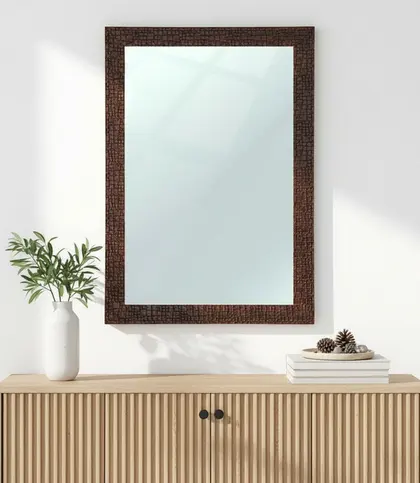
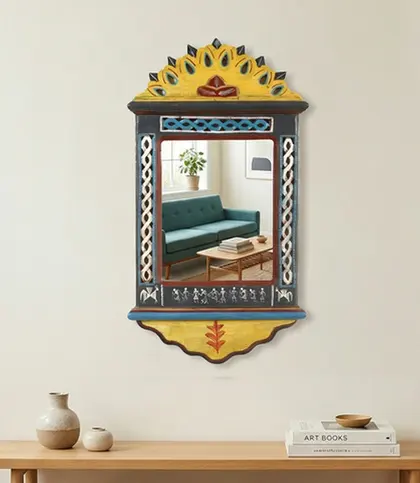
Wood frames add warmth and suit entryways or living rooms. Simple mirrors are safer for bathrooms and compact rooms. Decorative jharokha-style mirrors work best where the frame is meant to be seen as wall decor.
Common Mistakes
- Buying by product photo without measuring the room.
- Choosing delicate fabric or finish for heavy daily use.
- Blocking natural movement paths.
- Ignoring cleaning access behind or under the item.
- Picking a statement color that clashes with existing large surfaces.
Quick Checklist
- [ ] Size fits the exact spot.
- [ ] It solves a real seating, storage, reflection, or comfort need.
- [ ] Material suits the room's usage.
- [ ] Color works with nearby large surfaces.
- [ ] Cleaning and movement remain easy.
Quick Answer
- Choose wall mirrors by the job it must do first, then by style.
- Measure the actual spot before buying; most mistakes come from poor fit.
- Pick easy-care materials for daily use and more decorative finishes for occasional or guest-facing use.
- If two options both look good, choose the one that makes the room easier to use in five minutes.
Definitions
- Wall Mirror Size: A wall mirror can add light, depth, or a final check point; size and reflection angle decide whether it helps the room.
- Placement: Placement means the exact wall, corner, surface, or walking path where the item will be used, so scale and access matter as much as style.
Before You Buy
Check where wall mirrors will actually be used. Measure the available space, check cleaning or storage effort, and think through how people move around it. If it creates a new inconvenience, choose a simpler or better-fitting option.
Product Picks That Fit The Decision
These picks show how the buying logic applies to real Vaaree options. Compare them by use case, size, material, finish, and where they will sit in the home.
- Use Decorative Wooden Wall Mirror -Blue as a decorative wooden mirror.
- Compare Lucira Wall Mirror as a simple wall mirror.
- Consider Raamya Handcrafted Jharokha Mirror as a jharokha mirror.

₹1,249
₹2,000
38%OFF
 FastDelivery
From ₹1,499
₹3,000
50%OFF
 FastDelivery
₹2,299
₹3,739
39%OFF
Final Verdict
- Choose the simplest option for wall mirrors when daily use, cleaning, or space is the main concern.
- Choose the more decorative option when the room already works and needs warmth, texture, height, or personality.
- Combine products only when each one has a different job; the best home decisions make the room easier to live in, not just fuller.
FAQs
What should I measure first?
Measure the available width, depth, and height at the exact placement spot. For furniture, also measure walking clearance.
Should the piece match the sofa?
It does not need to match exactly. It should connect through one element, such as color, wood tone, metal finish, or texture.
When should I skip a decorative piece?
Skip it when it blocks movement, makes cleaning harder, or repeats a function your room already has.
What should I check before buying wall mirrors?
Check size, material, placement, cleaning effort, and how often it will be used. The right choice should make the room easier to live in, not just better in photos.
How do I choose wall mirrors for daily use?
Start with the daily routine, then narrow by size, finish, and maintenance. The better choice is the one that fits the room without adding a new cleaning, storage, or movement problem.