


Wall Lamp Placement Guide For Indian Homes
Short answer: Place a wall lamp only after deciding whether it is for reading, ambience, or accent lighting. Height, glare control, and wiring position matter more than the fixture style.
The 5-Minute Choice
Place wall lamps for bedside, hallway, living room, or accent lighting without glare or awkward wiring.
Decide The Lighting Job
A bedside wall lamp needs reachable switching and enough focused light to read. A hallway lamp should guide movement without glare. A living room wall lamp can create ambience or highlight art. A dining or console wall lamp should add warmth without shining directly into eyes. One fixture cannot do every job equally well.
Check Height From The User Position
Standards are less useful than the actual user position. Sit on the bed or sofa and check where the shade or bulb would meet eye level. If the bulb is visible and harsh, the lamp will annoy you even if it looks good in photos. Mark the wall with tape before installation.
Plan Wiring Early
Wall lamps are hardest to change after wiring and drilling. Check whether you have an electrical point nearby, whether the wire route is acceptable, and whether a switch is reachable. If not, choose a different wall or use a table or floor lamp instead.
Use Pairs Only When Symmetry Helps
Pairs work well beside beds, mirrors, or large consoles. A single lamp works better in hallways, reading corners, or near art. Do not force symmetry on an asymmetrical room; it can make the wall look more awkward.
The 5-Minute Decision
Choose the lighting job, sit or stand where you will use it, mark height with tape, and check wiring. Buy the lamp after the placement works, not before.
Quick Checklist
- [ ] The item solves a real daily-use, storage, lighting, fragrance, or decor problem.
- [ ] Size and count match the available surface, wall, shelf, bag, or cabinet.
- [ ] Material and finish fit the cleaning routine.
- [ ] Installation, heat, leak, or load constraints have been checked where relevant.
- [ ] The choice works with the room as it is today, not only with a future makeover.
Quick Answer
- Choose wall lamps by the job it must do first, then by style.
- Measure the actual spot before buying; most mistakes come from poor fit.
- Pick easy-care materials for daily use and more decorative finishes for occasional or guest-facing use.
- If two options both look good, choose the one that makes the room easier to use in five minutes.
Definitions
- wall lamps: A wall lamp adds light without taking floor or table space; placement height and wiring decide how useful it feels.
Before You Buy
Check where wall lamps will actually be used. Measure the available space, check cleaning or storage effort, and think through how people move around it. If it creates a new inconvenience, choose a simpler or better-fitting option.
Product Picks That Fit The Decision
These picks show how the buying logic applies to real Vaaree options. Compare them by use case, size, material, finish, and where they will sit in the home.
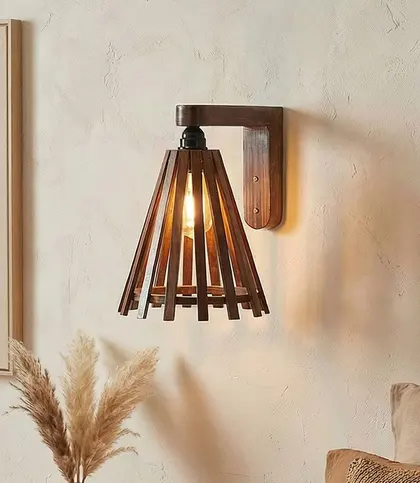
- Use Quenara Wooden Wall Lamp as a wooden wall lamp for warm accent lighting.
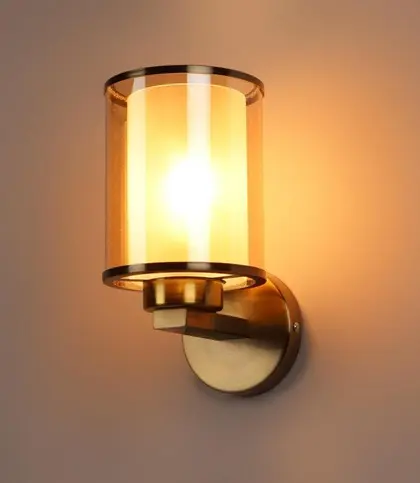
- Compare Aslano Glass Wall Lamp as a glass wall lamp for softer decorative glow.
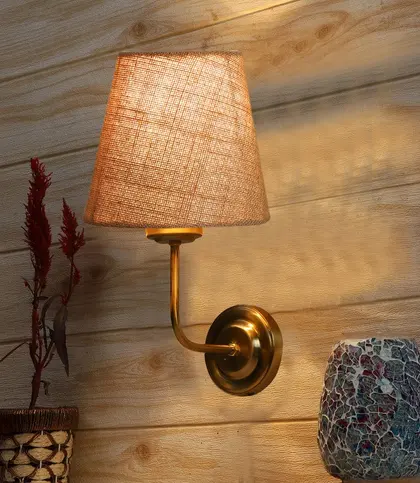
- Consider Lumoire Cone Metal Wall Lamp - Gold,Beige as a metal cone wall lamp for focused accent light.
₹3,499
₹5,990
42%OFF
 FastDelivery
₹1,649
₹2,499
34%OFF
₹1,099
₹2,099
48%OFF
Final Verdict
- Choose the simplest option for wall lamps when daily use, cleaning, or space is the main concern.
- Choose the more decorative option when the room already works and needs warmth, texture, height, or personality.
- Combine products only when each one has a different job; the best home decisions make the room easier to live in, not just fuller.
FAQs
Where should wall lamps be placed beside a bed?
Place them where the switch is reachable and the light falls on the book or bedside area without exposing the bulb to your eyes.
Can wall lamps replace ceiling lights?
Usually no. Wall lamps add task or ambient light, while ceiling lights provide general brightness.
Should wall lamps be installed in pairs?
Use pairs for beds, mirrors, and balanced console walls. Use singles for corners, hallways, and accent spots.
What should I check before buying wall lamps?
Check size, material, placement, cleaning effort, and how often it will be used. The right choice should make the room easier to live in, not just better in photos.
How do I choose wall lamps for daily use?
Start with the daily routine, then narrow by size, finish, and maintenance. The better choice is the one that fits the room without adding a new cleaning, storage, or movement problem.