


Wall Clock Size And Placement Guide
Short answer: A wall clock should be readable first and decorative second. For a large living room wall, choose a bigger statement clock. For bedrooms, kitchens, and study corners, choose a simpler clock that can be read at a glance. Hang it at comfortable eye level unless it is above furniture.
Choose Size By Wall Space
Look at the empty wall around the clock.
- Large blank wall: choose a statement clock or pair it with other decor.
- Wall above console or sofa: leave breathing room on all sides.
- Bedroom wall: choose a quieter design that does not dominate the room.
- Kitchen or passage: prioritize readability and easy cleaning.
- Gallery wall: choose a clock that shares color or material with nearby frames.
A tiny clock on a large wall often looks accidental. A very ornate clock in a small bedroom can feel noisy.
Place It Where It Is Useful
Living rooms can handle decorative clocks because people see them from a distance. Dining areas need clocks that are readable without glare. Bedrooms should avoid loud ticking if the clock is near the bed. Kitchens need materials that are easy to wipe.
Common Mistakes
- Buying a clock too small for a large feature wall.
- Hanging it too high to read comfortably.
- Choosing shiny faces opposite bright windows.
- Using a loud ticking clock near beds or work desks.
- Ignoring wall color contrast.
Quick Checklist
- [ ] The clock is readable from the main seating or standing point.
- [ ] Size matches the wall, not only the product photo.
- [ ] Finish suits the room's furniture and hardware.
- [ ] There is no harsh glare on the face.
- [ ] It is easy to access for battery changes.
Quick Answer
- Choose wall clocks by the job it must do first, then by style.
- Measure the actual spot before buying; most mistakes come from poor fit.
- Pick easy-care materials for daily use and more decorative finishes for occasional or guest-facing use.
- If two options both look good, choose the one that makes the room easier to use in five minutes.
Definitions
- Wall Clock Size: A wall clock should be readable from the usual viewing distance and scaled to the wall, not chosen only by dial design.
- Placement: Placement means the exact wall, corner, surface, or walking path where the item will be used, so scale and access matter as much as style.
Before You Buy
Check where wall clocks will actually be used. Measure the available space, check cleaning or storage effort, and think through how people move around it. If it creates a new inconvenience, choose a simpler or better-fitting option.
Product Picks That Fit The Decision
These picks show how the buying logic applies to real Vaaree options. Compare them by use case, size, material, finish, and where they will sit in the home.
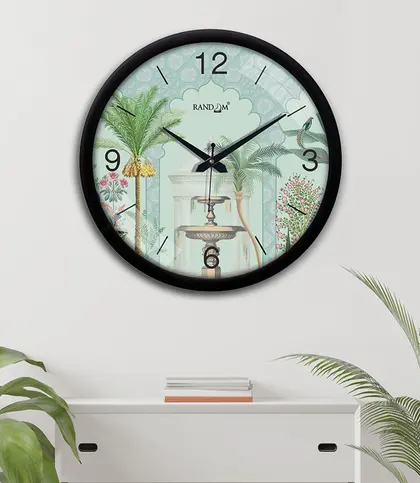
- Use Pari Decorative Wall Clock as a decorative metal option for feature walls.
- Compare Kelika Analog Wall Clock as a simple readable wall clock for bedrooms and study areas.
- Consider The Black Meridian Iron Wall Clock as a high-contrast clock for modern living rooms.

₹2,849
₹5,996
52%OFF
 FastDelivery
₹799
₹1,499
47%OFF

From ₹2,849
₹3,846
26%OFF
Final Verdict
- Choose the simplest option for wall clocks when daily use, cleaning, or space is the main concern.
- Choose the more decorative option when the room already works and needs warmth, texture, height, or personality.
- Combine products only when each one has a different job; the best home decisions make the room easier to live in, not just fuller.
FAQs
Where should I hang a wall clock?
Hang it where it is naturally useful: above a console, near dining, across from seating, or on a kitchen wall. Avoid places blocked by doors or glare.
How big should a living room clock be?
It should feel proportionate to the wall and readable from seating. Large blank walls usually need a larger clock than bedroom or kitchen walls.
Should a wall clock match other decor?
It does not need to match exactly. Match one element, such as metal finish, wood tone, color, or shape.
What should I check before buying wall clocks?
Check size, material, placement, cleaning effort, and how often it will be used. The right choice should make the room easier to live in, not just better in photos.
How do I choose wall clocks for daily use?
Start with the daily routine, then narrow by size, finish, and maintenance. The better choice is the one that fits the room without adding a new cleaning, storage, or movement problem.