


Types of Fertilizers: Choose the Right One for Your Plants
Quick Answer
The main types of fertilizers are organic and synthetic fertilizers; liquid, granular and pellet formats; quick-release and slow-release products; and general-purpose or plant-specific formulations. These categories overlap, so an organic product may be granular and a plant-specific product may be liquid. Choose by the plant, its growing conditions, the label’s NPK analysis, application method and the care routine you can follow—not by one label alone.
Definitions
NPK
The three-number nutrient analysis on a fertilizer label: nitrogen (N), phosphorus (P), and potassium (K), listed in that order.
Organic fertilizer
A fertilizer derived from plant, animal, mineral, or other naturally sourced materials, subject to the product’s stated ingredients and local labeling requirements.
Synthetic fertilizer
A manufactured fertilizer formulated to supply specific nutrients in known concentrations.
Quick-release fertilizer
A fertilizer whose nutrients become available relatively quickly after application, following the label’s instructions.
Slow-release fertilizer
A fertilizer designed to release nutrients over a longer period than a quick-release product, with timing depending on formulation and conditions.
Fertilizer amendment distinction
A fertilizer primarily supplies nutrients, while an amendment may be intended to change soil properties or supply a specific material; labels should be checked rather than treating them as interchangeable.
Types of Fertilizers: The Quick Answer
Fertilizers can be compared in several ways: by source, such as organic or synthetic; by form, such as liquid, granular or pellet; by nutrient-release speed; and by whether they are general-purpose or intended for a particular plant group. These are not separate, competing categories. A fertilizer can be both organic and granular, or plant-specific and slow-release.
There is no single best fertilizer for every plant or home garden. A low-light indoor plant in a pot, a productive vegetable container and a lawn have different growing media, nutrient demands and application methods. Start with the plant and setting, then let the product label guide the final choice.
- Organic fertilizers: naturally sourced inputs with ingredients and nutrient availability that vary by product.
- Synthetic fertilizers: manufactured products with clearly stated nutrient concentrations.
- Liquid fertilizers: diluted or mixed as directed for watering-in.
- Granular and pellet fertilizers: solids applied to the soil or potting mix.
- Slow-release fertilizers: formulated for longer nutrient release than quick-release products.
- Plant-specific fertilizers: products labelled for groups such as houseplants, flowering plants, vegetables, herbs or lawns.
Organic vs Synthetic Fertilizers
Organic fertilizers may appeal if you prefer naturally sourced ingredients. Depending on their ingredients and formulation, they can supply a broader range of materials or release nutrients more gradually. Their nutrient analysis can be less uniform, however, and some products require particular storage, mixing or application steps. Odour can also be a consideration with certain solid organic inputs.
Synthetic fertilizers generally state nutrient concentrations clearly and can offer predictable nutrient availability when used as directed. They still need careful measuring and timing: applying too much, or applying at the wrong concentration, can damage roots or foliage. Neither “organic” nor “synthetic” is a shortcut to suitability. The plant, growing medium and label directions matter most.
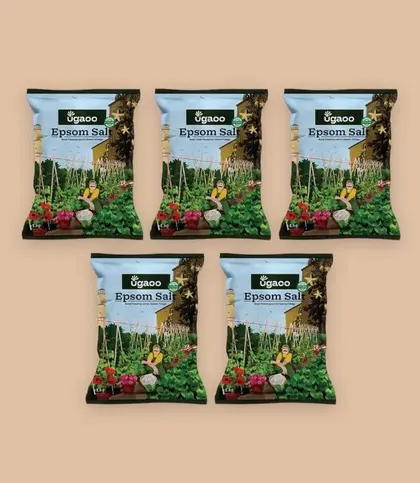
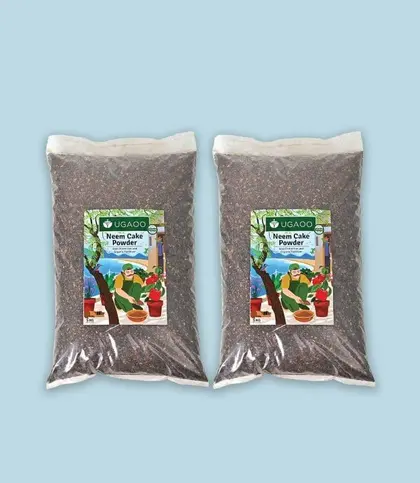
A nutrient-specific product is not necessarily a complete fertilizer. For example, magnesium sulphate products should be treated as a targeted input only when the label and the plant’s needs support their use. Similarly, a neem-cake-based product should be used according to its stated fertilizer directions rather than as a substitute for diagnosing pest, disease, light or watering problems.
- Choose a complete or blended fertilizer only if its label suits the plant and growing stage.
- Check whether a product supplies a broad nutrient profile or one specific nutrient.
- Measure every product carefully, regardless of source.
- Keep naturally sourced solid products dry and sealed as directed.
From ₹215
₹299
56%OFF
From ₹230
₹345
22%OFF
Liquid, Granular, Pellet, and Slow-Release Fertilizers
Liquid fertilizers are usually diluted or mixed according to the label before application. They can be practical for containers because they are easy to distribute through the potting mix during regular watering. The trade-off is that an incorrect dilution or overly frequent use can quickly create an overconcentrated feed.
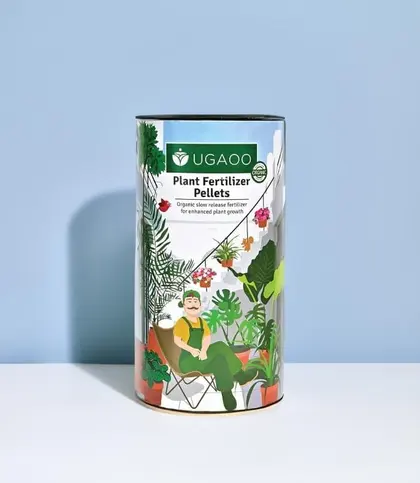
Granular fertilizers are spread over or mixed into soil and then watered as directed. They can be convenient for multiple containers, beds or other larger growing areas, but even distribution and correct placement matter. Pellets are another solid format that can feel tidier to handle; their nutrient content and release behaviour vary from one product to another.
Slow-release fertilizers are designed to feed over a longer period than quick-release options, which may reduce how often feeding is needed. They are not maintenance-free or risk-free. Moisture, placement, plant growth and the product formulation affect performance, so follow the stated reapplication interval rather than assuming a fixed duration.
- Choose liquid for controlled feeding of a manageable number of containers.
- Choose granules or pellets when soil application is more convenient than mixing a liquid.
- Use only a product specifically labelled as slow-release when lower-frequency feeding is the goal.
- Water in solid products only as the label instructs, and do not let concentrated material rest against stems.
 FastDelivery
₹259
₹345
25%OFF
How to Read NPK Labels
NPK is the three-number analysis printed on many fertilizer labels. Nitrogen is associated with leafy growth, phosphorus with roots and reproductive growth, and potassium with several important plant functions. Think of these numbers as a way to compare products, not as a universal formula for every plant.
A higher number is not automatically better. It may simply mean a more concentrated product that needs different handling. Some labels also list calcium, magnesium, sulphur or micronutrients. Read the directions alongside the analysis, because the suitable dilution, placement and frequency are as important as the nutrient numbers.
Plant symptoms are rarely explained by NPK alone. Yellowing, slow growth or weak flowering may also relate to low light, inconsistent watering, poor drainage, unsuitable pH, compacted roots, pests or disease. Check these conditions before adding another fertilizer.
- Read N-P-K in that order on the label.
- Compare formulations only among products suitable for the same plant group and use.
- Check for secondary nutrients and micronutrients when they are listed.
- Treat nutrient-specific inputs as targeted products, not automatic replacements for a complete feed.
Which Fertilizer Type Fits Each Plant Group?
For indoor plants, choose a manageable format and feed conservatively according to the label. Many houseplants grow more slowly in lower indoor light, so repeated applications should reflect actual growth rather than a rigid calendar. Liquid, granular or pellet products can all work if they are labelled for container plants and applied correctly.
For flowering plants, compare the complete nutrient analysis and any listed micronutrients instead of relying on a “bloom” claim alone. For vegetables and herbs, choose a product labelled as suitable for edible crops, observe all application and harvest guidance, and match feeding to the crop’s stage and growing medium. Avoid excess feeding, which can encourage soft, weak growth in some herbs.
Lawns need a separate approach. Use products labelled for turf or lawn use, calculate application by the stated area-based directions, and do not transfer a container-plant dose to a lawn. On balconies, terraces and in kitchen gardens, select a format and pack size that fit the number of plants, the storage space available and the routine you can maintain.
- Indoor plants: container-suitable format, cautious label-led feeding and attention to available light.
- Flowering plants: compare the full label, not just marketing language.
- Vegetables and herbs: use products labelled for edible plants and follow crop-specific instructions.
- Lawns: use turf-labelled products and area-based directions only.
- Balcony and terrace gardens: choose a practical pack size and a format you can store safely.
Fertilizer Buying Checklist: Check the Label Before You Buy
The label is the most useful decision tool. It tells you whether the product is intended for indoor ornamentals, flowering plants, vegetables, herbs, lawns or general garden use. It also identifies the nutrient analysis, ingredients, physical form and method of application.
Choose pack size based on how much you can realistically use and store in dry conditions. A larger bag is not automatically better value if it will sit unused, absorb moisture or become difficult to keep clearly labelled and out of reach of children and pets.
- Confirm plant suitability and whether the product is for containers, ground soil, edible crops or lawns.
- Read the NPK analysis and any listed secondary nutrients or micronutrients.
- Check the source and ingredients: organic, synthetic, mineral, nutrient-specific or blended.
- Choose the form that suits your application method: liquid, powder, granule, pellet, spike or another stated format.
- Look for the release speed and feeding interval, if provided.
- Confirm whether you need to dilute, top-dress, mix into soil, water in or apply by area.
- Read dosage, frequency, plant-size or area instructions, and seasonal limits.
- Check warnings on foliage contact, edible crops, pets, children, storage, moisture and disposal.
Safe Application, Storage, and Maintenance
Prepare the potting mix or soil and apply fertilizer only as the label directs. Do not increase the dose or frequency because a plant looks unwell; more fertilizer can compound an existing problem. Keep concentrated products away from stems, roots and foliage unless the label specifically permits direct contact.
Use a dedicated measuring tool, retain the original labelled packaging and seal it after use. Store fertilizer dry and away from food, children, pets and incompatible household materials. Wash hands after handling and follow any ventilation or protective-equipment instructions supplied by the manufacturer.
If you care for several plants, note the product, date and amount used. This makes it easier to avoid duplicate feeding and to identify what changed if a plant reacts poorly. Before feeding again, check light, watering, drainage, roots and signs of pests or disease.
- Follow label dilution, placement and watering instructions exactly.
- Never guess a dose with kitchen utensils used for food.
- Keep solid and liquid products sealed and clearly labelled.
- Do not apply more often than instructed.
- Review overall plant care before repeating an application.
Signs of Overfertilizing or an Unsuitable Fertilizer
Possible signs of overapplication include brown or scorched leaf edges, sudden wilting after feeding, a crust or salt buildup on the growing medium, distorted new growth or stalled growth. These signs are not definitive on their own. Similar symptoms can come from watering issues, heat, root stress, pests, disease or other environmental conditions.
If overapplication is suspected, stop further feeding and review the product label. Assess the plant, drainage and growing medium before deciding whether rinsing the medium or replacing it is appropriate under reliable plant-care guidance. For persistent or severe problems, seek qualified local horticultural advice.
Fertilizer is not a treatment for pests or disease, and a nutrient-specific amendment should not be used to correct an unconfirmed deficiency. Resolve the underlying cause before adding more inputs.
- Pause feeding when symptoms appear soon after application.
- Check watering, light, drainage and roots alongside the fertilizer history.
- Do not diagnose every yellow leaf or spot as a nutrient problem.
- Use the product label and qualified advice for ongoing or serious issues.
Final Choice: Match the Fertilizer to the Plant and Your Routine
Choose fertilizer in a practical sequence: identify the plant and setting, read the label for suitability and NPK, select a form you can apply correctly, then check release speed, directions, warnings and pack size. This approach is more reliable than choosing solely by terms such as organic, natural or bloom.
A label-directed liquid can be useful for controlled container feeding. Granules and pellets can be convenient for soil application, while a labelled slow-release option may suit gardeners who want fewer feeding events. Organic, synthetic, liquid, granular and plant-specific descriptions are different selection dimensions that often overlap.
Fertilizer supports plant nutrition, but it is only one part of care. Suitable light, consistent watering, drainage, an appropriate potting mix or soil, and regular pest monitoring remain essential.
- Match the product to the plant and growing location first.
- Use NPK as a comparison tool, not a universal prescription.
- Choose a format that fits your maintenance habits.
- Follow the label for every dose, timing and safety decision.
Final Verdict
- The right fertilizer is the one labelled for your plant and growing setting, with an NPK profile, format and application method you can use accurately.
- Liquid products can suit controlled container feeding; granular or pellet formats can suit soil application; and slow-release products can reduce feeding frequency when the label supports that use.
- Do not treat organic, synthetic, liquid or plant-specific labels as quality rankings. Read the complete label and maintain good light, watering, drainage and pest care alongside feeding.
FAQs
What are the main types of fertilizers used for home and garden plants?
The main categories are organic and synthetic fertilizers; liquid, granular and pellet forms; quick-release and slow-release products; and general-purpose or plant-specific formulations. A single product can belong to more than one category.
How do organic and synthetic fertilizers differ?
Organic fertilizers use naturally sourced ingredients, while synthetic fertilizers are manufactured to provide nutrients in known concentrations. Both can be appropriate when they are suitable for the plant and used according to the label.
When should I choose liquid, granular, or slow-release fertilizer?
Choose a liquid when you want to dilute and apply feed through watering, often for containers. Choose granular or pellet formats for soil application. Choose slow-release only when the label confirms that use and you want a lower-frequency feeding routine.
How do NPK ratios relate to plant needs and growth stages?
NPK identifies nitrogen, phosphorus and potassium in that order. It helps compare fertilizers, but it is not a universal feeding prescription. Plant type, growing stage, light, potting mix and the label’s directions all affect the right choice.
What fertilizer is best for indoor plants, flowering plants, vegetables, herbs, and lawns?
There is no single best option. Indoor plants need cautious container-appropriate feeding; edible plants need products labelled for edible crops; lawns need turf-labelled products with area-based instructions. Check the suitability statement before comparing nutrient analysis and format.
What label details should I check before buying fertilizer?
Check plant suitability, NPK analysis, ingredients, physical form, release speed, application method, dilution or dose, feeding interval, storage requirements and warnings for edible crops, pets and children.
What are the signs of overfertilizing plants?
Possible signs include scorched leaf edges, wilting after feeding, crusty buildup on the soil and distorted or stalled growth. These symptoms can have other causes, so stop feeding and assess watering, light, drainage, roots and pests as well.
Can fertilizer fix every plant or soil problem?
No. Fertilizer cannot correct poor light, overwatering, underwatering, root damage, poor drainage, pests, disease or every soil-structure issue. Identify the underlying problem before applying more nutrients.