


Rug Size Guide For Living Room, Bedroom And Dining
Short answer: A rug should connect furniture, not float alone in the middle of the room. In a living room, at least the front legs of the sofa and chairs should sit on the rug. In a bedroom, the rug should give your feet a soft landing on both sides. For dining, chairs should remain on the rug even when pulled out.
Living Room Rule
For most Indian living rooms, the front-leg rule is the safest. Place the rug so the front legs of the sofa and accent chairs rest on it. This makes the seating zone feel intentional without needing a very large carpet.
If the room is tiny, choose a smaller accent rug for the coffee table zone, but leave equal visible floor around it. If the rug is too small, it will make the room look more crowded, not more spacious.
Bedroom Rule
You do not always need one huge rug under the bed. For queen or king beds, a larger rug under the lower two-thirds of the bed looks polished. For tighter rooms, runners on both sides are more practical and easier to clean.
Choose low-pile or easy-clean materials if dust is a concern. Soft, plush textures feel good underfoot but need more frequent care.
Dining Rule
The rug must be larger than the table. Pull one dining chair out as if someone is sitting, then check whether the chair still sits on the rug. If not, the rug is too small for dining.
Common Mistakes
- Buying a rug that only fits under the coffee table.
- Using a high-pile rug in a dining area where crumbs and chair movement are daily issues.
- Forgetting door clearance in bedrooms and entryways.
- Choosing a runner that is too short for a corridor.
Quick Checklist
- [ ] The rug connects at least one furniture group.
- [ ] Doors can open without scraping the rug.
- [ ] The material suits cleaning frequency.
- [ ] Dining chairs remain on the rug when pulled out.
- [ ] The color works with the floor and sofa, not only the cushion covers.
Quick Answer
- Choose rugs by the job it must do first, then by style.
- Measure the actual spot before buying; most mistakes come from poor fit.
- Pick easy-care materials for daily use and more decorative finishes for occasional or guest-facing use.
- If two options both look good, choose the one that makes the room easier to use in five minutes.
Definitions
- Rug For Living Room, Bedroom: A rug anchors furniture and softens footfall; size, grip, pile height, and cleaning effort decide whether it works day to day.
- Dining: Dining refers to the room use case; measure the working area and choose pieces that do not block daily movement.
Before You Buy
Check where rugs will actually be used. Measure the available space, check cleaning or storage effort, and think through how people move around it. If it creates a new inconvenience, choose a simpler or better-fitting option.
Product Picks That Fit The Decision
These picks show how the buying logic applies to real Vaaree options. Compare them by use case, size, material, finish, and where they will sit in the home.
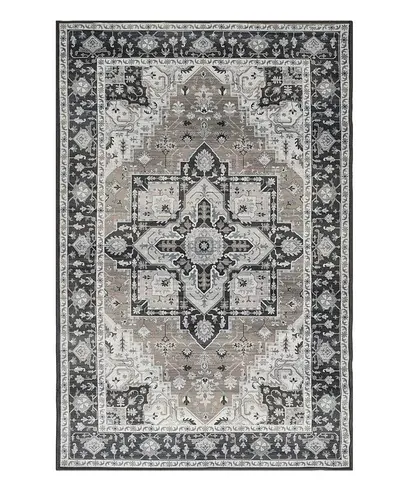
- Use Saral Home ChevronTread Anti-Slip Jute Cotton Area Rug - Beige as a area rug for living room anchoring and anti-slip needs.
- Compare Lysandra Velvet Rectangle Anti-Skid Carpet as a velvet carpet for accent zones.
- Consider Gardenia Glory Micro Fiber Runner Rug as a runner option for passages, bedside strips, and narrow rooms.
 FastDelivery
From ₹1,799
₹2,399
24%OFF
₹1,849
₹2,158
14%OFF
 FastDelivery
₹849
₹999
15%OFF
Final Verdict
- Choose the simplest option for rugs when daily use, cleaning, or space is the main concern.
- Choose the more decorative option when the room already works and needs warmth, texture, height, or personality.
- Combine products only when each one has a different job; the best home decisions make the room easier to live in, not just fuller.
FAQs
What rug size makes a living room look bigger?
A rug that reaches the front legs of the sofa usually makes the room look larger than a tiny center rug because it visually connects the seating.
Are runners only for corridors?
No. Runners work well beside beds, in narrow foyers, and in compact kitchens if the material is easy to clean and does not slip.
Should I choose a dark or light rug?
Choose light rugs for visual openness and dark or patterned rugs for high-use zones. In homes with children or pets, mid-tone patterns are often the most forgiving.
What should I check before buying rugs?
Check size, material, placement, cleaning effort, and how often it will be used. The right choice should make the room easier to live in, not just better in photos.
How do I choose rugs for daily use?
Start with the daily routine, then narrow by size, finish, and maintenance. The better choice is the one that fits the room without adding a new cleaning, storage, or movement problem.